

Ayushman Bharat vs Chiranjeevi Health Insurance Scheme
The Central Government had rolled out the Ayushman Bharat scheme in the starting months of 2018 for offering essential healthcare needs to the financially weaker sections of the society. After that, several state governments launched similar healthcare schemes.

The Central Government had rolled out the Ayushman Bharat scheme in the starting months of 2018 for offering essential healthcare needs to the financially weaker sections of the society. After that, several state governments launched similar healthcare schemes. The 'Chiranjeevi Swasthya Bima Yojana' is the most recent one, introduced by the Rajasthan State Government.
The West Bengal State government had launched a similar scheme in 2016, which is the 'Swasthya Sathi Scheme', while one of Odisha's is known as the 'Biju Swasthya Kalyan Yojana'. Even Telangana has a similar healthcare scheme for its state residents, known as the 'Aarogyasari Yojana'.
However, in the following section, we will discuss and compare only the 'Ayushman Bharat Yojana' and 'Chiranjeevi Swasthya Bima Yojana'. Read ahead to find out the complete details about these two schemes and know which offers a better range of advantages to its beneficiaries.
Ayushman Bharat
What is the scheme?
To cover the costs of all types of secondary and tertiary hospitalization care offered to the poor and deprived section of the country, Ayushman Bharat medical insurance scheme was launched in 2018. The main aim of this scheme is to offer free medical treatment to the economically weaker sections of society, which is around 40% of the country's total population.
The healthcare insurance is supposed to cover a sum of Rs. 5 lakhs for over 50 crore Indian citizens. From the treatment costs, diagnostics to medicines and pre-hospitalization costs, each and everything is covered by this central government launched - medical healthcare scheme.
Who can benefit from it?
There are over 10 crores enlisted low-income families all around the country. The Ayushman Bharat Yojana is designed to offer treatment options to underprivileged people in rural and urban areas. One can easily check the occupational categories or other eligibility criteria of availing this scheme by visiting the official portal of the scheme.
Details about the scheme:
● This scheme is offering Rs. 5 lakhs coverage per family annually for meeting the secondary and tertiary health care needs across various public and private hospitals all over the country, whichever is affiliated to this scheme.
● An approx of 50 crore families are eligible to avail this cashless hospitalization option.
● This scheme does cover medical and diagnostics expenses of the prior three days to hospitalization and 15 days post-hospitalization expenses.
● The scheme incorporates more than 1393 medical procedures and covers all pre-existing conditions since the first day of treatment.
● Irrespective of age, gender, and family size, this scheme can be availed with ease.
What are the terms and conditions of the scheme?
● If a beneficiary goes through several surgical procedures, the surgery which is the costliest will be covered in the first instance. 50% of the total expenses will be paid in case of the second time, and it will then be 25% during the third instance.
● The treatment of a girl child, senior citizen, and women gets more priority than the rest.
● None of the enlisted hospitals can deny treatment for pre-existing diseases.
● The hospitals cannot charge money from the beneficiaries for treatment.
Chiranjeevi Swasthya Sathi Yojana
What is the scheme?
The Mukhyamantri Chiranjeevi Swasthya Bima Yojana is launched by the Rajasthan state government to offer cashless yearly medical insurance to the families belonging to the economically weaker sections of the society. This scheme covers a large sector of diseases, including COVID-19 and black fungus and will cover all expenses up to Rs. 5 lakhs. The families who have registered for this scheme need to pay a premium of Rs. 850 annually and can easily avail the benefits of the scheme by doing that.
Who can benefit from it?
From contractual workers to low and marginal farmers, many people belong to the below poverty line, all of whom can register under this scheme. Along with them, the NFSA Cardholders, SECC beneficiaries, and the families belonging to the COVID-19 ex gratia list can easily opt for this scheme by following the simple steps of registration.
Details about the scheme:
● One can easily register for the scheme by visiting the nearest camp or applying online and submitting the necessary documents.
● The individuals who have applied for this scheme can get the treatment facilities from 756 government-run hospitals and 450 private ones affiliated with the scheme.
● The scheme covers more than 1576 medical tests of different diseases and all types of treatment procedures needed for treating a certain disease.
● From the medical expenses of 5 days before hospitalization to 15 days after the discharge, all of it will be thoroughly covered by this scheme.
What are the terms and conditions of the scheme?
● A candidate needs to submit supportive documents to prove their permanent residency in Rajasthan to avail the benefits of the scheme.
● If a beneficiary faces an issue with the hospital or treatment procedure, they do have the option to lodge a complaint in the helpline centre set up by the state government for handling such issues 24/7.
● None of the enlisted hospitals has the right to charge anything from the patients who are availing this scheme, and even if they do, it is mandatory to refund it as soon as possible.
Conclusion
While both schemes are similar in many aspects, each has its list of advantages and complexities. Hence, an individual can choose the one that seems to suit his requirements and use it to the fullest potential.

13 Foods That Could Lower Your Risk of Cancer
There is a popular phrase that says, “You are what you eat,” which means if you want to be healthy, you have to be mindful of what you are eating and preferably eat good food. Maintaining good food habits are crucial for your health as it can help you prevent serious ailments like cancer, diabetes, and heart diseases.

There is a popular phrase that says, “You are what you eat,” which means if you want to be healthy, you have to be mindful of what you are eating and preferably eat good food. Maintaining good food habits are crucial for your health as it can help you prevent serious ailments like cancer, diabetes, and heart diseases. Cancer, especially, is one of the diseases that diagnosis has shown affects people with poor dietary practices.
To avoid the risk of cancer, you should avoid alcohol, processed meats, and red meat. However, it is sometimes not possible to completely eliminate these food items from your diet. It is, however, advisable to eat certain foods that can help you lower your risk for cancer.
13 Foods That Can Lower Your Cancer Risk
Carrots
Carrots are rich in beta-carotene. Consuming a healthy amount of carrots can help you improve your cancer risk factor. In particular, carrots protects you against stomach cancer. Research has shown that carrots have reduced the risk of stomach cancer by 26%.
Broccoli
Broccoli is a cruciferous vegetable that has sulforaphane which is a compound that can reduce the risk of breast cancer. Studies have shown that consuming a good amount of broccoli can reduce the risk and size, and spread of breast cancer cells by up to 75%. The study in question was a test-tube study.
Beans
Beans are an essential part of your diet in many cultures, beans are filled with fibre, and they are suitable for your diet in general. One of the lesser-known benefits of consuming enough beans is that it has shown effectiveness in reducing the risk of colon cancer.
Cinnamon
Cinnamon is an important spice that has a plethora of health benefits. It has been scientifically noticed that cinnamon has effects in reducing the spread of cancer cells in your body. A test-tube study has been able to confirm the claim as mentioned above.
Berries
Berries naturally contain anthocyanins, an antioxidant compound that has been noticed to reduce cancer risk. Studies have shown people with colorectal cancer that consumed bilberry extracts for seven days showed a reduction in the spread of the cancer cells.
Nuts
Nuts have been proven to reduce the risk of fatality of certain types of cancer. Nuts are particularly effective in reducing the risk of certain types of cancer as well. Especially colorectal, endometrial, and pancreatic cancer.
Turmeric
Turmeric is a popular spice that has noted health benefits when consumed in correct amounts has good antioxidant, anti-cancer, and anti-inflammatory effects. Studies have shown that turmeric, especially the compound curcumin, an active ingredient in turmeric, helps reduce the spread of colon cancer cells.
Olive Oil
Olive oil has many health benefits, which is why it is a part of the staple diet in many cuisines. Multiple studies have shown that high amounts of consumption of olive oil can reduce the possibility of breast cancer. Olive oil can be easily added to your diet, so make sure to add it to your diet for its health benefits.
Flaxseed
Flaxseeds are rich in healthy fats, and they can be a very healthy part of your diet. It has shown significant results in a study in preventing and decreasing the growth of cancer cells. In various cases, it has been noticed that having a healthy amount of flaxseeds in your diet can kill cancer cells in your body as well.
Citrus Fruits
Various studies conducted by medical professionals worldwide have found that citrus fruits such as orange, lemon, and grapefruit have been linked to having a lower risk of cancer. Mainly the studies have found that having a few servings of citrus fruits each week helps to reduce the risk of cancers in the upper respiratory tract and digestive system. But, citruses are in no way involved in the development of cancer.
Fatty Fish
Fishes are rich in Omega-3, and adding them to your diet is an excellent option for you to lower your cancer risk for certain types of cancer. The healthy fats in fish have been proven to reduce the risk of cancer in the digestive tract. Fishes also are rich in vitamin D, which also has plenty of health benefits.
Garlic
Garlic has an active ingredient called allicin which has been shown to be able to kill cancer cells. These results have been found in test tube studies. The consumption of garlic has a direct correlation to the risk of certain types of cancer. Garlic has especially been effective against prostate cancer.
Tomatoes
Tomatoes are red in colour because of a compound called lycopene. This compound also has cancer-preventive properties that have been proven effective against prostate cancer. Tomatoes can be easily added to your diet, and they can have great proven benefits for your health.
Conclusion

All the foods mentioned above have proven benefits against the risk of cancer. However, they should not be used as a fail-safe to continue other habits such as smoking and drinking. It is much more important to get rid of smoking and drinking habits to protect yourself from cancer risk.

Urine Incontinence In Women
Urine incontinence is a medical condition in which the urinary bladder loses control and the urine leaks from the bladder, unintentionally or accidentally. The problem is embarrassing because you are helpless in controlling your urge to urinate and sometimes the urine leaks even while coughing or sneezing.
Urine incontinence is a medical condition in which the urinary bladder loses control and the urine leaks from the bladder, unintentionally or accidentally. The problem is embarrassing because you are helpless in controlling your urge to urinate and sometimes the urine leaks even while coughing or sneezing. Urine incontinence is mostly caused due to aging and hence this problem is witnessed in most of the aged people. However, apart from aging there are various other factors too that contribute to this problem. Changing hormonal levels, body functions, medications and some illnesses, are also contributors to urine incontinence. In some cases, presence of any type of urinary tract infection also causes urine incontinence.

Prominent Symptoms of Urine Incontinence
One must be aware of the most prominent symptoms of urine incontinence, however, the signs and symptoms may vary from one patient to another.
● Leaking of urine if not able to reach the washroom on time.
● Urge to urinate in between the bathroom trips.
● Urine leakage with coughing or sneezing
● Leaking urine while you are laughing
● Leaking of urine while doing any sort of physical activity
● Feeling that the bladder is not getting completely empty
● Constant feeling of wetness around the urethra
Urinary incontinence in itself is a medical condition that is serious and brings embarrassment to the people suffering from it. In many cases, urine incontinence can be a symptom of any other severe illness, hence it is required to immediately consult your doctor if you notice any one of the above symptoms.
Types of Urine Incontinence

It is very important to understand the type of urine incontinence that a person is suffering from, to get the right treatment.
Following are the types of urine incontinence:
1. Stress Urinary Incontinence: This is one of the most common forms of urine incontinence. The urine is held in the urinary bladder which is controlled by the pelvic muscles. Stress incontinence is caused when the pelvic muscles have stretched and any sort of physical activity, coughing, sneezing or laughing, puts pressure on the pelvic muscles, causing the urine to leak. The severity may range from a few drops to a spoon full of leakage.
2. Urge Incontinence or Overactive Bladder: Urge incontinence or overactive bladder condition causes a strong urge to urinate, even when your bladder isn’t full. If you are unable to reach the bathroom on time, it may also cause involuntary leakage of urine. It also causes you to urinate all throughout the night. This incontinence can hamper your daily activities, because you always fear urine leakage if you are not near to a bathroom. When you have an urge incontinence, your bladder muscles become very active and they squeeze even when your bladder is not completely full. Urge incontinence is mostly common in men who have prostate problems and women who are in their menopause stage. The major causes of this type of incontinence are identified to be some kind of infection in the body, neurological disorder.
3. Overflow Incontinence: This medical condition is very common in men who have prostate problems or you have had prostate surgery. In overflow incontinence, the bladder cannot hold the urine that it makes or does not get completely empty. This causes constant dribbling or leakage. The major cause for this incontinence is identified to be any sort of blockage that does not allow the bladder muscles to squeeze, the way they should.
4. Mixed Incontinence: Some people suffer from one or more types of urine incontinence. Generally, when you suffer from stress urinary incontinence and overactive bladder incontinence, it is called mixed incontinence. People suffering from this type of incontinence feel a sudden strong urge to urinate while the urine also leaks constantly.
Why does urine incontinence affect women more than men?
Women are more prone to this medical condition and may develop urine incontinence during pregnancy, childbirth or after menopause. All these changes that happen to the women’s body affect the urinary tract and the pelvic muscles. Due to this, it takes extra effort for the muscles to hold the urine in the bladder, but sometimes this stress and pressure causes urine incontinence or leakage. Female urethra is also shorter as compared to the male urethra, which is why the muscles try harder to hold the urine before you are ready to urinate.
During pregnancy, as the foetus grows inside the body, the baby weight puts pressure on the pelvic muscles, urethra and urinary bladder. This causes urine leakage as the pelvic muscles become weak.
If a woman delivers a child through vaginal birth, it weakens the pelvic floor muscles and may sometimes damage the nervous system that controls the urinary bladder. This causes urine incontinence in certain women.
Women who are in their menopause stage suffer from bladder problems, mostly due to low levels of estrogen. This weakens the urethra which helps in holding the urine causing problems of urine incontinence.
Treatment for Urine Incontinence
The treatment for urine incontinence involves use of devices and products that help in holding and collecting the urine. These products are suitable for both men and women, of all ages.
1. Catheters: A catheter is a soft and thin tube that is inserted into your urethra. Catheters help to collect the urine in a bag that lies outside the body.
2. Urethral inserts: They are tampons like products that can be inserted inside the urethra and serve as absorbents, to prevent leaks.
3. Vaginal Pessary: It is a ring-like device that is inserted in cases where the bladder has prolapsed. The device needs to be removed and cleaned on a regular basis.
4. Bulking Agents: Bulking agents are fillers such as collagen or carbon beads. They are used to fill and plump the tissues around the bladder, so that it gets the capacity to hold the urine. These fillers are temporary and they become ineffective with time. They prove to be a great cure for stress urinary incontinence.
5. Sacral nerve stimulation: This process involves implanting a stimulator at the lower back of the patient. This stimulator releases electrical impulses that blocks the messages from your bladder to the brain, that cause the urge to urinate. They also strengthen the pelvic muscles so that the bladder can hold the urine and prevents leakages.
6. Adult diapers and pads: Adult diapers and pads are the most convenient way to get rid of the embarrassment of urine leakage. You can wear them anywhere and anytime and are one of the easiest preventive measures.
7. Medication: Medicines like estrogen replacement therapy and pseudoephedrine are used to treat urine incontinence. These drugs relax the bladder and reduce the sudden and strong urge to urinate. They also swell the area around the urethra to protect the unintentional urine leakage.
If you are suffering from menopause, you should start taking certain preventive measures, to help decrease the risk of urine incontinence. Avoid any pelvic floor exercise, avoid caffeine, quit smoking and maintain a healthy diet regime, to decrease the risk of urine incontinence.
Acne And Abnormal Female Hair Distribution- Hirsutism
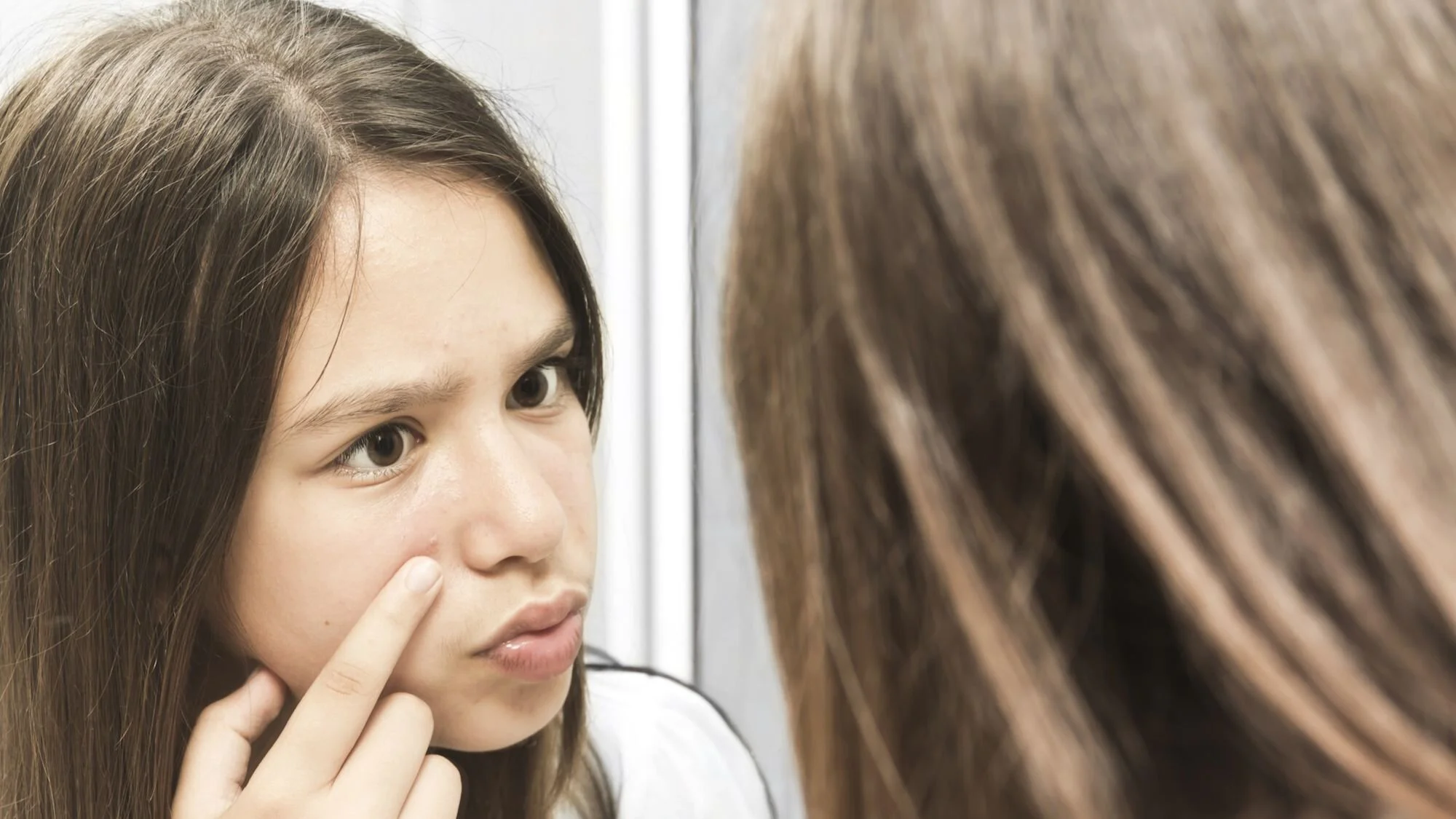
Hirsutism is a medical condition that causes excess growth of dark and coarse hair on areas of a woman’s body, where it normally should not grow. Abnormal hair growth is witnessed on face, neck, upper arms, upper legs, chest and abdomen. Hirsutism is not a disease but it is a prominent symptom of an underlying problem that the woman’s body is suffering from.
Hirsutism is a medical condition that causes excess growth of dark and coarse hair on areas of a woman’s body, where it normally should not grow. Abnormal hair growth is witnessed on face, neck, upper arms, upper legs, chest and abdomen. Hirsutism is not a disease but it is a prominent symptom of an underlying problem that the woman’s body is suffering from. The most common cause of Hirsutism is PCOS (Polycystic ovary syndrome) in which small fluid filled sacs develop in your ovaries. It is also one of the main causes of infertility in women.
The problem of hirsutism is directly linked to hormonal changes in the body of a woman. The female body produces oestrogen hormone which makes the body hair soft and tender. A female body naturally makes small amounts of androgens through ovaries and adrenal glands, but when androgens are produced in large quantities, it triggers testosterone hormone which is produced in a male body. These hormonal changes cause some dominant male physical and sexual developments in a woman’s body. The hormonal imbalances also cause acne problems in some women.

Symptoms of Hirsutism
The prominent signs and symptoms of hirsutism includes the following:
● A sudden change in the growth rate of hair
● Development of new hair on unwanted areas
● Change in hair colour and hair distribution
Excessive growth of body hair on areas where typically hair grows in a male body such as chest, neck, face, thigs, buttocks and abdomen
● Sudden development of skin problems like acne or seborrhoea
● Development of warts on skin
● Appearance of certain masculine characteristics like heaviness in voice
● Irregular menstruation
● High levels of insulin
● Infertility
● Breast size becoming smaller
Causes of Hirsutism in Women
Hirsutism is not a disease in itself but it is an underlying cause of some other form of illness that is developing in a female body. Following are some of the prominent causes that cause hirsutism in women:
1. PCOS (Polycystic Ovary Syndrome): About 5-10% of women suffer from PCOS which is also one of the major causes of infertility in women. When a woman is suffering from PCOS, small fluid-filled cysts develop in the ovaries which causes the ovaries to produce androgens in larger quantities. This hormonal imbalance causes abnormal hair growth and other characteristics that are usually found in a male body.
2. Cushing Syndrome: Cushing syndrome is a condition in which there is overproduction of cortisol by the adrenal glands. Women who are suffering from Cushing syndrome often have weak muscles, diabetes and irregular menstruation. In some significant studies, it has been found that hirsutism is one of the major disorders that is found in women with cushing syndrome.
3. Tumours: In some rare cases, a non-cancerous tumour develops in the ovaries which causes overproduction of androgen hormone. This immediately triggers testosterone hormone causing hirsutism and other disorders.
4. Menopause: When a woman’s body is going through the stage of menopause, the ovaries start producing androgens and stop producing estrogen. This hormonal imbalance causes hirsutism and most elder women complain of abnormal hair growth and acne problems.
5. Congenital Adrenal Hyperplasia: This is a genetic disorder which causes overproduction of androgen and cortisol hormones by the adrenal glands. Overproduction of these hormones causes hirsutism disorder in many women.
6. Medication: If you have been using steroids for a longer time, there is a greater chance for you to have a hormonal imbalance in your body. This causes abnormal hair growth, distribution and acne problems.
How is Hirsutism treated?
As a woman, you would not want any unwanted hair growth on unusual parts of your body. There are a number of ways by which you can get rid of those abnormal hair growth and acne problems.
1. Medical Therapy
There are a variety of drugs and medicines that can immediately stop abnormal hair growth in your body. The medication will majorly depend upon the severity of hirsutism that you are suffering from. One major drawback of using medication is that the hair growth will begin as soon as you stop your medication.
2. Birth Control Pills (Oral Contraceptives)
Oral contraceptives and birth control pills are considered to be one of the most effective treatments for hirsutism. Birth control pills prevent ovulation and this decreases the production of androgen hormone. Apart from slowing down the abnormal hair growth, these pills also regulate menstruation in women.
3. GnRH Analogs
If you are suffering from a severe form of hirsutism, gonadotropin releasing hormone (GnRH) analog treatment may prove to be the most effective in your case. These drugs suppress the production of androgens and estrogen levels by the ovaries. This hormonal change can stop the abnormal hair distribution and acne growth.
4. Temporary Hair Removal
Shaving is one of the easiest and effective ways of removing hair, temporarily. Also, shaving through a normal or electric razor does not have any side effects. Apart from this, you can also use a facial cream that has eflornithine hydrochloride, as the main content. These creams can reduce the unwanted excessive growth of hair and acne.
5. Permanent Hair Removal
Electrolysis and laser are the two techniques used for permanent hair removal. In the first type of treatment, the hair follicles are permanently damaged so that no new hair growth is possible. The only drawback of this treatment is that it cannot be used on broader areas of your body like chest and abdomen. Laser treatment on the other hand can be used on large areas of the body. The treatment involves use of a laser beam light to destroy the hair follicles. Both the methods are painful but they also account for being the most effective in removing and blocking new hair growth.
It is not always possible to control abnormal hair growth or acne problems, but you can try having a balanced diet along with exercises, to reduce the risk of hirsutism. Also, avoid taking any unnecessary medication because that can severely impact your hormonal imbalance.
What is a Neurologist?
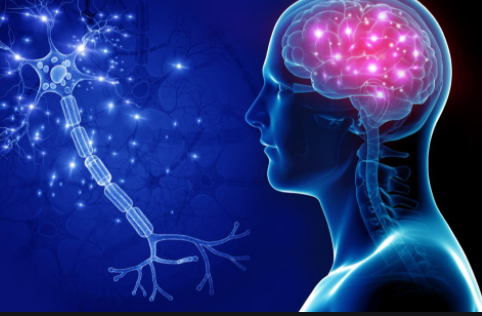
A neurologist is a specialized trained doctor in treating, diagnosing, and managing the brain's nervous system and brain disorders. Also treating migraine, concussion, multiple sclerosis, epilepsy, stroke, and Parkinson's disease. A child neurologist, also known as pediatric, has undergone specialized training in diagnosing and treating neurological disorders in children.
A neurologist is a specialized trained doctor in treating, diagnosing, and managing the brain's nervous system and brain disorders. Also treating migraine, concussion, multiple sclerosis, epilepsy, stroke, and Parkinson's disease. A child neurologist, also known as pediatric, has undergone specialized training in diagnosing and treating neurological disorders in children. This is done from the neonatal period through adolescence.
Some may overlap with adult neurologists, but others may be unique to the younger generation. Here the child neurologists can treat many common conditions in adults like epilepsy, migraine, Tourette, and stroke. Also, they are trained in several conditions that are related to development problems and neurogenetics.
What does a Neurologist do?
Diagnose:
By performing several examinations such as physical examination and detailed history, including vision, speech, and mental status testing. Also, perform testing of coordination, strength, reflexes, sensation, and gait. The neurological exam is an essential component of a patient evaluation. Even as medicine is dependent on technology, neurologists play a crucial role.

Several tests are performed :
The Performed Tests
These are the few tests involved to complete the evaluation are :
● Magnetic resonance imaging (MRI)
● Nerve Conduction Studies and electromyography (NCS/EMG)
● Electroencephalography (EEG)
Neurologists perform a test to treat and manage neurological conditions or problems related to the nervous system. The common symptoms that will require a neurologist are :
● Muscle weakness
● Coordination problems
● Dizziness
● A change in sensation
● Confusion
Those who have problems with their senses, such as vision, touch, or smell, should contact a neurologist since the nervous system causes these problems with sense.
Neurologists also treat patients with
● Stroke
● Seizure disorders
● Multiple sclerosis
● Neuromuscular disorders
● Infections of the nervous system
● Brain abscesses
● Neurodegenerative disorders that are Lou Gehrig's disease
● Spinal cord disorders
● Autoimmune and inflammatory disorders
● Headaches
● Migraine
Neurologist Subspecialties:
Since the nervous system is complex and thus includes specializing in a specific area. After finishing the residency training, neurologists do fellowship training in that area. These subspecialties help the doctors to narrow their focus.
The subspecialties include :
● Neuromuscular medicine
● Headache medicine
● Neuro-oncology
● Geriatric Neurology
● Autonomic disorders
● Child Neurology
● Vascular
● Intervention Neuroradiology
● Epilepsy
Typical Neurological Procedure :
A physical exam and neurological exam are performed upon your first visit, during your appointment. This is done to test coordination, strength, and reflexes. Since these disorders can show similar symptoms, the neurologist will perform more tests to make a diagnosis. The neurologists will recommend a variety of tests and procedures to help diagnose and treat the condition.

The procedure involves :
Lumbar Puncture: To test your spinal fluid, your neurologist will use a lumbar puncture. These procedures will be performed again if the neurologists believe that the symptoms are due to your nervous system's problem. This will be detected in your spinal fluid. This will be done by inserting a needle into the spine. This is done after numbing the spine. Then the spinal fluid sample will be taken.
Tensilon Test:
This procedure will diagnose myasthenia gravis. This will help your neurologists to determine myasthenia gravis. Here, your neurologists will inject you with a medicine called Tensilon. Then your muscle movements will be observed, how the medicine has affected you.
Electromyography (EMG):
By this test, electrical activity in your spinal cord or brain to a peripheral nerve will be observed. This muscle can be found in your legs and arms. It is responsible for movement and rest, which is accompanied by muscle control. EMGs will help your doctor determine spinal cord disease and general muscle dysfunction and nerve dysfunction. In this test, a neurologist will insert tiny electrodes into the patient's muscles. This helps the neurologist to measure activity that is done while resting and moving.
These will be recorded. This is done by recording the activity with a machine attached to the electrode with several wires. This can be a little uncomfortable.
Here, the neurologists will study for a nerve conduction velocity (NCV) studying in conjunction with an EMG. The NCV works by assessing the patient's nerves' ability to send the signals controlling the muscles. EMG will measure muscle activity. During the NCV procedure, electrodes will be taped on the same muscles where the EMG electrodes are taped previously. There are two sets of electrodes used; One will send small pulses to stimulate the patient's nerve. And the other set will measure the overall result.
The tests, that is, EMG and NCV combined, will take one hour or longer. Here, the patient must avoid nicotine, caffeine before the test conduction since this substance can affect your results. Also, taking any blood-thinning medication and nonsteroidal anti-inflammatory drugs will be asked to avoid for 24 hours before EMG.
Electroencephalogram (EEG)
This test is performed by electrodes applied to your scalp. Here the EEG will measure the electrical activity in your brain. This is used to trace any brain conditions, that is, tumors, inflammation, and other injuries, including psychiatric disorders.
EEG does not cause any discomfort, as in the case of EMG. Small cup-like electrodes will be put on your scalp since the small charges are measured through the electrodes. The technicians will create environmental changes to measure brain signals, that is, noises and different lighting.
Exactly like EEG, the patient has to avoid stimulants one day before the test. The EEG will take an hour to be performed, and recording the results. Sometimes the test will be done while you are asleep.
Conclusion: It is better to contact your nearest neurologists if you face any discomfort regarding muscle pain, headache, and the given symptoms. Don't take any medicines without consulting your Neurologists. It is always advised to carry on the tests to be sure of your condition and in case of some dis-comfort you are feeling. The symptoms can reveal your conditions well, and then the neurologist can treat you further.

Diabetic Mother - Condition, Symptoms And Precautions Explained
Diabetes is a medical condition in which the body is not able to break down food into energy. Type 1 diabetes is where the body does not produce enough insulin and Type 2 diabetes is where the body does not use the insulin well enough. Apart from this two diabetes, gestational diabetes is developed in some women, during pregnancy.
Diabetes is a medical condition in which the body is not able to break down food into energy. Type 1 diabetes is where the body does not produce enough insulin and Type 2 diabetes is where the body does not use the insulin well enough. Apart from this two diabetes, gestational diabetes is developed in some women, during pregnancy. Gestational diabetes affects how your body is breaking down food into glucose. It generally causes high blood sugar in expectant mothers and it affects the baby’s health. Having a high blood sugar at the time of conception or during pregnancy can cause serious birth defects, premature delivery, stillbirth and also increases the chances of having a cesarean delivery. In many cases, gestational diabetes has also caused the babies to develop obesity. In most cases, gestational diabetes and blood sugar return to normal levels, after the delivery.
What Should an Expectant Mother do?
If you are suffering from Type 1 or Type 2 diabetes, you must consult a doctor before planning for a baby. Your doctor will advise you on some preconception care which will help you monitor your blood sugar levels, and treat any other health problem like hypertension or high blood pressure.
During pregnancy, keep a check on your blood sugar levels to have a healthy pregnancy and a healthy baby. Your doctor will advise you about the eating regime, some physical activities and insulin intake, to manage your blood sugar levels.
If a woman develops gestational diabetes during the tenure of pregnancy, they are most likely to have Type 2 diabetes, post-delivery. In order to rule out the possibility, get a sugar test done every 4-12 weeks. You can observe certain preventive measures like adopting a healthy lifestyle, making correct food choices and increasing the physical activity, to reduce the risk of getting a type 2 diabetes.
Gestational diabetes does not cause any prominent symptoms, perhaps increased urination or thirst could be possible signs. If a woman develops gestational diabetes during pregnancy, she will regularly need check-ups to monitor the blood sugar levels. It is more likely to develop during the last trimester of pregnancy. There are no certain causes as to why women develop gestational diabetes, however, if you are overweight before pregnancy, you are at a greater risk of developing this medical condition. Normally, during pregnancy, there are hormonal changes taking place inside the body of a woman, to accommodate the new life inside. This process sometimes makes it hard for the body to process glucose efficiently, which is why the blood sugar levels rise.
Risks and Complications Affecting the Baby

If a pregnant mother is suffering from gestational or pre-gestational diabetes, the baby growing inside the womb is at a greater risk of developing severe health conditions. The complications can occur to the baby even while it is inside the womb or may occur after the baby is born. The babies can suffer from the following complications:
1. Expectant mothers who are suffering from high blood sugar levels are more likely to have babies which are larger in size and weight. Babies who weigh 9 pounds or more are more likely to be delivered through a C-section and may even sustain some shoulder injuries during delivery. This condition is also termed as macrosomia.
2. Mothers with high blood sugar levels may pose serious risk to the unborn baby due to which the baby may have to be delivered earlier or before completion of the term.
3. Some babies may develop respiratory distress syndrome which causes breathing difficulty.
4. Babies are also at a risk of having low blood sugar levels, also known as hypoglycemia. This condition may cause seizures in babies. Sometimes intravenous glucose is given to bring the sugar levels to normal range.
5. Babies may develop obesity or type 2 diabetes conditions, later in life as they grow.
6. Complications get severe and the chances of stillbirth also increase in mothers with diabetes. Stillbirth is a condition where the babies die before or shortly after birth.
The babies inside the womb of a mother with diabetes are also prone to the following risks:
Birth (congenital) defects and miscarriage.
Low oxygen levels
Low blood iron levels
High blood pressure
Enlarged heart
Poor or weak nervous system development
High levels of red blood cells and thickened blood
Low blood calcium

If any one of the above-mentioned problems affects your baby, immediate treatment should be started. Your baby’s treatment will also depend to a greater extent upon how well the blood sugar levels were controlled during delivery.
Controlling your blood sugar levels during pregnancy is very important. Get in touch with a healthcare provider and the following few things will help you control your rising sugar levels.
Test frequently and monitor your sugar levels.
Take insulin doses as prescribed.
Watch your weight and try not to become obese during pregnancy.

When Will You Need Surgery For Kidney Stones?
Kidney stones are hard deposits that are found in your kidneys. They are made out of calcium or uric acid. Kidney stones start out small, but they grow bigger when more and more minerals and waste products like uric acid are added to them. The size of the kidney stone defines the amount of problems it can cause.
Kidney stones are hard deposits that are found in your kidneys. They are made out of calcium or uric acid. Kidney stones start out small, but they grow bigger when more and more minerals and waste products like uric acid are added to them. The size of the kidney stone defines the amount of problems it can cause. When the stones are small, they can be passed by the urinary tract without the need for treatment. When the stones become bigger, they tend to get stuck in the urinary tract and require surgical intervention to be removed. Here are some situations where surgery is required for removing a kidney stone.
When the stone becomes too large to be passed down your urinary tract
When the stone is lodged somewhere in the urinary tract causing immense pain
When the stone is disrupting the flow of urine out of your kidneys
When the stone has caused or causing multiple urinary tract infections in your body.
These are some of the situations where surgery for kidney stones becomes necessary. Now that you know about the situations where surgery is recommended and performed. Let’s talk about the different types of surgical options that are available for treating kidney stones.
Different Types of Treatment Procedures for Kidney Stones

Ureteroscopy
Ureteroscopy is a treatment procedure for kidney stones. This process can treat stones in both kidneys and the uterus of the patient. This procedure is performed using a flexible and thin scope to find and remove the stones lodged in your urinary tract or uterus. This procedure is non-invasive, meaning there are no cuts made on your body for removing the stones. General anaesthesia is used to put the patient to sleep for the duration of this procedure.
This procedure does not require hospital admission as the patient can be home the same day. Doctors pass a scope through your bladder, then the ureter finally reaches your kidneys. The doctors use a small basket to remove the stones when they are small; if they are larger in size, the doctors pass a laser in through the scope as well to find and break the stone into smaller pieces.
The risks associated with ureteroscopy are
Bleeding
Narrowing of the ureter
Infection
Shock Wave Lithotripsy

Shock Wave Lithotripsy (SWL) is one of the most common forms of treatment for kidney stones. This procedure is best suited for removing small and medium-sized kidney stones. SWL is also a non-invasive procedure that does not require any cuts to be made on your body. Usually, the patient is put under local anaesthesia, and they can go home the same day itself.
This procedure starts with an X-ray or ultrasound of your kidneys to find the stone or stones located inside. Upon locating the stones, the doctor uses a high-powered shockwave to break the stones down into smaller pieces. The shockwaves go through your skin and break down the pieces inside. This completes the procedure, and the patient is advised to go home and consume large amounts of liquids to flush the stones out of their system through their urine.
SWL is a safe procedure; in rare cases, if the stone does not completely pass through your urine, the procedure can be safely repeated again until all the stones or parts of the stone are completely out of your system. Some of the side effects associated with SWL include
Damage to the kidney
Infection
Stone blocking the flow of urine in the urinary tract
Bleeding in and around the kidney
Open Surgery
Open surgeries have become a rare form of treatment for kidney stones nowadays. However, if all the other procedures fail because the stone is too big or due to other reasons, open surgery is usually the only way to treat the problem. As the name suggests, an open surgery is an invasive surgical procedure that requires hospital admission for a few days of hospital stay to keep the patient in observation.
The open surgery process starts with the doctors using anaesthesia to knock out the patient for the period of the surgery. Then the doctors cut open the patient from the side and then cut into their kidney as well. The doctors then remove the stone from the opening created in the kidney. It can take up to 4-6 weeks to fully recover from open surgery. However, surgery does not come with its own set of side effects.
Kidney stones require medical treatment, and they need to be taken out of your system most times with surgery. It is crucial for you to understand your situation and make an informed decision along with your doctor to eliminate the stones from your system safely. Now that you know in detail about the situations where you need surgery for your kidney and the types of surgical procedures that are available to you. Be sure to pick the option that is the most affordable and best suited for your problems.

What do Leukemia spots look like?
Leukaemia is a blood cancer that affects a huge number of people every year all around the globe. There are several symptoms of Leukemia, and suffering from it might lead to a variety of rashes, bruises or bumps, which becomes next to impossible to understand without a doctor’s assistant.
Leukaemia is a blood cancer that affects a huge number of people every year all around the globe. There are several symptoms of Leukemia, and suffering from it might lead to a variety of rashes, bruises or bumps, which becomes next to impossible to understand without a doctor’s assistant. So, if you begin to notice any of the symptoms affecting your skin, the ideal choice will be to consult with a doctor and seek the best possible treatment for it.
Some of the major symptoms of Leukemia are given below.
Symptoms of Leukemia
Nausea
Frequent bleeding of the nose
Bone pain
Poor blood clotting
Fever
Feeling tired or weak quite often
Sweating a lot exceptionally during the night hours
Rashes and bruises
Now, let’s find out what rashes, bruises, or spots look like for people who have Leukemia.
What do rashes caused by Leukemia look like?

Suffering from Leukemia often causes the tiny blood vessels to burst beneath the skin. After a certain point, the production of abnormal blood cells ends up acting as a barrier to the normal production of platelets. Therefore, it might happen that the body might not have enough platelet count to block the burst capillaries, and as a result, the blood seeps out into the skin.
This leakage results in red, purple or brown tiny spots called petechiae. A certain collection of these petechiae often look like a rash. A fruitful way to distinguish petechiae from a rash is by pressing down on the affected spot of the skin. If it is a rash, the colour will change into white, and if it is a petechia, there would not be any change in the colour of the spot.
Types of Leukemia Spots
AML Rash

AML or Acute Myelogenous Leukaemia often affect children, which leads to swelling or bleeding of the gums. Besides affecting the gum, it also leads to an accumulation of dark spots on the skin, which looks quite alike to a normal rash but is completely different in nature.
Bruising

People who have leukaemia tend to suffer from even the smallest knockdowns. As the body's platelet count reduces highly, there is no way it can manage to block the bleeding under the skin when an injury takes place. These bruises look the same as ordinary bruises and don't really differ much in appearance.
Sweet’s Syndrome

People diagnosed with leukaemia have higher chances of being affected with Sweet's Syndrome, which leads to high fever and rashes. The rashes look like bluish or red bumps and can occur on the skin of the legs, arms, face; instead, they can appear at any portion of the body.
Treatment of Leukemia
The treatment often depends on the stage and the type of cancer from which the person is suffering. Some types of leukaemia do not demand immediate advice as it develops at a slow pace. Whereas a certain type grows rapidly, and in that case, a delay in treatment might complicate the situation more.
One of the best ways to treat leukaemia is chemotherapy. However, it has a number of side effects which includes rashes on the skin too. These rashes are pretty hurtful and can also give a burning or itching sensation. If you notice that the rashes from chemotherapy are making you suffer more, maybe you should consult with your doctor about it at the earliest.
Some of the other possible ways of treating a patient suffering from Leukemia are:
Radiation Therapy
Biological or immunotherapy
Stem cell transplantation
Targeted therapy
The chances of recovering from a severe stage of leukaemia are pretty low. Certain other factors should be considered, such as other health disorders, the age of the person, etc. However, if the treatment process ends up suiting the patient well, the chances of healing become better automatically.

Weak Eyes Causes, Treatment, Home Remedies And More!
Eyesight is part of your life that fades away inevitably over time as you age. There are many reasons for the loss of eyesight over time. These causes can be due to injury, extreme strenuous activities for the eyes and many more. It is good that it is possible to treat such problems and ensure that your eye health is optimum.
Eyesight is part of your life that fades away inevitably over time as you age. There are many reasons for the loss of eyesight over time. These causes can be due to injury, extreme strenuous activities for the eyes and many more. It is good that it is possible to treat such problems and ensure that your eye health is optimum.
As you age, however, it is in your best interest to have regular eye checkups and listen to the doctor’s medical advice for maintaining the best health of your eyesight. If you fail to take care and maintain your eyes properly, it can lead to serious conditions that require surgical intervention. So, learn about these reasons for weak eyes along with their treatment and home remedy options to help keep your eyes at optimum health.
Reasons That Can Cause Weak Eyes
Obesity & Type II Diabetes

Obesity and diabetes both create a lot of problems for your eyes. Having excessive amounts of sugar in your blood puts more pressure on the walls of your blood vessels in your eyes. This can lead to problems with your vision if not kept under control. The same thing happens with obesity due to excessive body weight. The blood vessels in your eyes are under a lot of pressure that can cause problems with your vision.
Treatment: It is crucial to keep your diabetic levels under control and keep your body weight in check. If you have any problems with your eyes, it is best to visit a doctor and get medical advice. Sudden deterioration of your vision can also signify that you have diabetes, so it is necessary to follow up with a doctor to get the proper diagnosis.
Home Remedies: Exercising and limiting your screen time can work wonders for you. Exercising can help you reduce your body weight and maintain your diabetic levels. Limiting your screen time will help you induce yourself in less strenuous activities for your eyes. It will help you reduce any damage to your eyes if you are diabetic or obese. It is a genera statement true for everyone. Dont know it is beneficial for Obese people only.
Prevention: You need to take care of your health and add exercising and physical activity to your lifestyle. Diabetes and obesity are physical problems that create optical issues; there is not much for you to do if you are already diabetic or obese other than keeping those conditions in check.
Vitamin Deficiency

Vitamin deficiency can lead to optical problems such as night blindness. Vitamin A deficiency can cause this disease. In serious cases, the deficiency of Vitamin A can also cause conditions such as myopia, glaucoma, and cataracts. So it is mandatory to maintain the proper amount of vitamin A in your system to ensure that you do not suffer from such problems.
Treatment: Night Blindness or glaucoma is a serious optical disorder that requires proper medical treatment. Treatment procedures differ according to the severity of the problem. It includes getting glasses or new lenses according to your situation, or you might have to get surgical intervention as well.
Home Remedies: You can try to consume foods with a high concentration of vitamin A such as cheese, eggs, fish, and milk. In case you are vegan or lactose intolerant, you can supplement Vitamin A using different dietary supplements, whether in the form of pills or powder supplements.
Prevention: To make sure you are safe from conditions such as night blindness, you should make sure that you consume enough quantities of food or supplements that maintain the correct amounts of vitamin A in your system. You should also check in with your ophthalmologist regularly and make sure your eyes are at optimum health.
These are some of the primary reasons that cause weak eyes. The eyes are a sensitive organ of your body that is essential for your day to day life. So, it is necessary to take care of your eyes properly and be in touch with your ophthalmologist regularly as you grow older. As the deterioration of eyesight is inevitable over time, you are required to put effort into maintaining your vision. This maintenance needs to be done by consuming a balanced diet, living an active lifestyle, and limiting your screen times.

Rosacea: Types, Causes, and Remedies
Is there a sudden redness on your cheeks, forehead or nose? If yes, there are chances that you might have either a sunburn or Rosacea. But, how to figure out whether you are suffering from Rosacea or whether it is just a normal sunburn or even acne?
Is there a sudden redness on your cheeks, forehead or nose? If yes, there are chances that you might have either a sunburn or Rosacea. But, how to figure out whether you are suffering from Rosacea or whether it is just a normal sunburn or even acne?
The initial symptoms of Rosacea are often misunderstood as that of a sunburn. However, if you see the redness slowly spreading over to your ears, back or at the chest and is changing its form into small bumps, there is a great possibility that you are affected with Rosacea. There can be many reasons ranging from heat, stress, to caffeine, behind the trigger, which can lead to Rosacea.
There are four main subtypes of this disease, and one can suffer and show symptoms of more than one type.
Types of Rosacea
Erythematotelangiectatic Rosacea
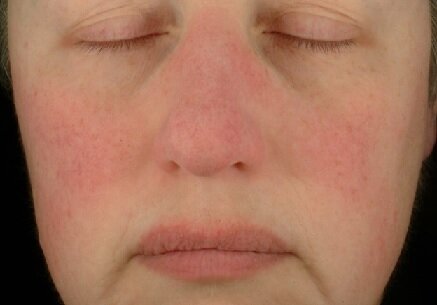
This particular type is commonly referred to as ETR and often results in flushing, redness of the face and visible blood vessels.
Papulopustular Rosacea

Also known as Acne Rosacea, it leads to pimple-like structures and normally affects middle-aged women.
Rhinophyma Rosacea
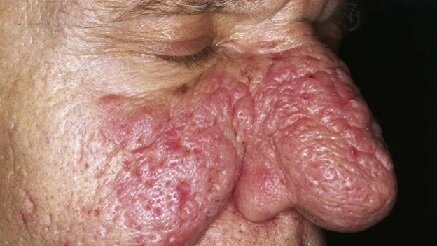
This subtype of Rosacea generally affects men and leads to the thickening of the nose skin. Quite often, this subtype is co-occurred by another subtype of Rosacea.
Ocular Rosacea
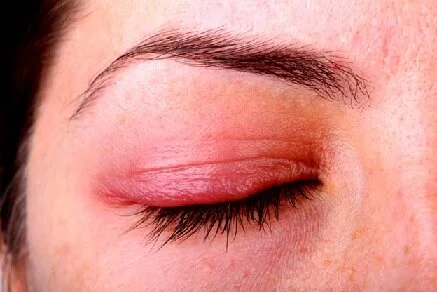
The symptoms of this subtype are generally focused on the eye and its nearby areas, and this is where Rosacea originated.
Causes of Rosacea
There is no proven cause of Rosacea yet, but it might be caused due to a blend of environmental and hereditary factors. At present, the health researchers believe that Rosacea generally affects those people who have a lower capability genetically to deal with facial inflammation.
Facial inflammation can be caused due to a number of environmental factors such as sunburn, flushing, and sometimes due to certain medications' side effects. But there are a number of things or factors which might worsen the symptoms of Rosacea.
Some of those are:
Drinking too much hot tea or coffee
Excessive alcohol consumption
Smoking habits
Exercise
Change in weather conditions
Emotional factors like stress, anxiety and fear
Eating spicy dishes
Consuming items that contain cinnamaldehyde in it such as chocolate, tomatoes, citrus and cinnamon
Having cathelicidin, a protein that is known for offering protection to the skin from infections.
Presence of intestinal bacteria Helicobacter pylori
Having the skin mite called Demodex
The major risk factors of Rosacea include
Fair skin
English, Irish, Scottish heredity
Having family members who suffer from Rosacea
Remedies for Rosacea
There is no proper cure for Rosacea yet. However, you can definitely consult with a dermatologist and work towards controlling the symptoms so that it does not become more severe. To control Rosacea, it is a must to take proper care of your skin. You need to keep the affected area clean by using soft and firm cleansers that are oil-free and water-based.
You need to be extra careful, irrespective of your skin-type while dealing with your face as it needs special care and attention. Make sure to choose the skin-care products wisely and avoid the ones which contain exfoliating agents, menthol, alcohol or witch hazel as it might irritate the skin.
Other than that, with the help of a medical expert, you can definitely manage to reduce your suffering. You will most probably be prescribed a range of oral antibiotics and antibiotic creams. Other treatment processes include laser treatment options for healing serious cases of Rosacea. You can also consume eye medicines and antibiotics for Ocular Rosacea and microdermabrasion treatments for lessening the thickened skin.
Here are some of the tips which you can follow to help with Rosacea:
Keep track of the foods which you are consuming as it will become easier for you to track the ones which are triggering the symptoms in you
Maintain a journal of all the skin-care products and cosmetics you are using to help you spot the one that suits you the most
Avoid smoking and alcohol consumption
Avoid having spicy foods and dishes
Cover the maximum portion of the affected areas while going outdoors and try not to expose it to direct sunlight
Make sure you apply sunscreen evenly on the affected area and other places before going out
Following the tips as mentioned earlier and precautions can help you prevent symptoms of Rosacea from deteriorating. Other than that, taking precautions and following your doctor's advice is the only way to stop Rosacea from deteriorating severely.

Pain in Arch of Foot: Causes, Stretches, Treatment
The arch of the foot refers to the area between the ball and the heel of the foot. People that have an active lifestyle that involves a lot of movements commonly suffer from pain in this region. This is the reason athletes suffer from pain in these regions very commonly. The arch in the foot is visible from the outside. It is made of three arches internally that are all separately built out of bones, tendons, and ligaments.
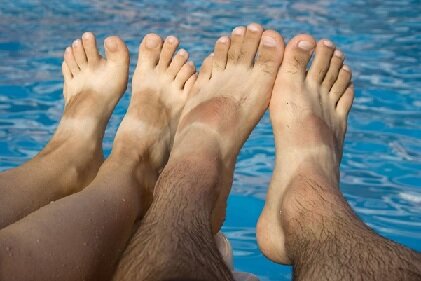
The arch of the foot refers to the area between the ball and the heel of the foot. People that have an active lifestyle that involves a lot of movements commonly suffer from pain in this region. This is the reason athletes suffer from pain in these regions very commonly. The arch in the foot is visible from the outside. It is made of three arches internally that are all separately built out of bones, tendons, and ligaments. These arches together form the shape of a triangle that helps create the arch visible from the outside.
Pain in that region of the foot can be caused mainly by two reasons.
Structural problems or internal abnormalities
External Injuries causing internal damage
These are the basic reasons why people might have pain in the arch of their feet. The pain can also come from other factors such as ageing, physical stress, weight gains, overuse, neurological conditions. All these factors lead to different types of injuries that have their own treatment process and preventive measures. Read along to learn about the different types of injuries the arch in your foot can be affected by and how you can treat and prevent them.
Different Types Of Causes For Pain In The Foot Arch
1. Overpronation

Description: Overpronation is a condition that affects people that walk a certain way. People who walk with the back of their heel touching the ground and rolling all the way for taking a step generally suffer from problems such as overpronation. This is caused due to the extra pressure that the arch of the foot faces causing it to become straighter.
Effects: This condition can cause problems such as hammertoe and calluses in the long term. It can also lead to problems such as pain and damage in ligaments, muscles, and tendons. It can also lead to pain in different parts of your body, such as hips, knees, and back.
Stretches: If you are suffering from overpronation, you can do some light stretching to help you with your condition. You need to stand with your legs apart, and while keeping your toes on the ground, you have to push your weight towards the outer parts of your feet, raising the arch of your feet. After holding yourself in that position for a few seconds, come down slowly, and you can repeat these exercises a few times.
Treatment: Overpronation is a problem that can lead to problems in the affected person’s ability to support themselves. This is why doctors often prescribe external walking support for the patient so they can get extra support while walking. They are also prescribed to use stability shoes to help them walk properly. Medically prescribed arch supports are also provided to help patients get the extra support they need for walking.
2. Cavus Foot

Description: Cavus foot is a condition that causes a structural abnormality in a person’s foot. This abnormality causes a high arch in the foot that can lead to pain in your foot while doing basic activities such as walking or standing. This condition is caused by various factors such as genetics, stroke, Charcot Marie tooth disease, and cerebral palsy.
Effects: Cavus foot causes pain in the foot of the patient from walking or standing. It also causes a loss of stability for the patient, which makes standing or walking very hard. The loss of stability also makes it very easy to hurt after parts of your leg while standing or walking, such as your ankles. Cavus foot can also lead to other issues such as claw toes.
Stretches: There are a number of stretches that you can do to help yourself if you are suffering from cavus foot. Stretches such as towel stretch and bent knee wall stretch can help you ease your condition. Towel stretches require you to put a towel around the ball of your feet; then, you have to flex your foot while gently tugging the towel and stretching your toes.
Treatment: Cavus foot is a condition that does not have any medicinal treatment process. Patients are required to get surgical treatment for their condition. The surgeries differ, however, based on the severity and the condition of the person. The types of surgeries include bone shifting, tendon transfer, and soft tissue release.
Having stiff pain in the arch of your foot is not a very common condition. This is why if you are regularly suffering from it, you should not take it lightly, and you must get medical help to check out what problems you are facing. There are many different conditions that can be the cause of your pain in the arch of your foot. Only with a proper medical diagnosis you can understand the cause of your pain and get the appropriate treatment necessary to help you heal from the problem.

How to Improve Eyesight: 10 Natural Ways to Get Better Vision
If you are reading this right now, you have to thank your eyes. Without proper eyesight, life as we know it goes through many struggles and causes a lot of problems. Eyesight deteriorates over time, and it is important to take certain steps to make sure that you can maintain healthy eyesight even as you age.
If you are reading this right now, you have to thank your eyes. Without proper eyesight, life as we know it goes through many struggles and causes a lot of problems. Eyesight deteriorates over time, and it is important to take certain steps to make sure that you can maintain healthy eyesight even as you age.
Getting proper eye checkups regularly as you age and following the doctor's orders are important ways to maintain eye health. You can also follow some of the pointers mentioned below to make sure you can follow the best practices to preserve and improve your eyesight naturally.
10 Natural Ways To Get Better Vision
1. Consume Good Nutrients & Vitamins

There are many different vitamins and nutrients that are essential for the maintenance of your eye health. Vitamins A, C, and E and zinc all contain essential antioxidants that help your body prevent macular disintegration. The macula is an internal part of the eye that maintains central vision. You can consume the right amounts of the vitamins mentioned above by changing your diet and adding green and colourful vegetables and fruits to your diet.
2. Maintaining Your Body Weight

Bodyweight is not directly linked to eye health, but it has been seen in studies that people that are overweight and obese are at a greater risk of Type-II diabetes. Diabetes and excessive body weight both have the same effect on the health of your eyes. It damages the blood vessels and the arteries inside your eyes, causing deterioration in vision. Maintaining the blood sugar level in your blood and your body weight can go a long way to make sure you have good eyesight for a long time.
3. Staying Fit Against Chronic Diseases

Chronic diseases such as sclerosis and high blood pressure can cause damage to your eyesight. This is because such conditions cause chronic inflammation in the internal parts of your body. This can cause loads of health problems in practically any and all parts of your body, including deteriorating eyesight. An active lifestyle with proper mental health support is necessary to protect yourself from such diseases.
4. Following The 20/20 Rule

The eyes are one of the most used organs of your body. This is the reason it gets strained after a while. Straining is especially common when working on electronic devices such as computers, mobile phones for long hours. The 20/20 rule dictates when you are working on computers for long hours, every 20 minutes, you should look at something other than the computer screen, which is approximately 20 feet away for 20 seconds. This helps your eyes to be relieved and helps protect your eyesight as you age.
5. Avoid Smoking

Smoking is unanimously a bad habit for your health. Smoking is harmful to your heart, lungs, teeth, skin, and practically every other body part as well. The effect of smoking on your eyes is that it causes accelerated deterioration of eyesight with age. It also creates a higher possibility of developing cataracts.
6. Protect Your Eyes From Infections
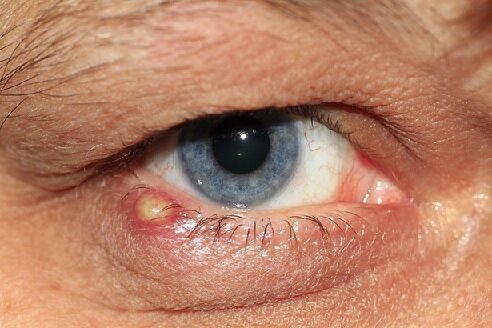
Eyes are susceptible to germs and bacterial infections. Something as simple as an irritation to your eyes can also cause harm to your eyesight over the years. This is why you must always maintain proper sanitisation and cleaning of your hands before touching your eyes. If you use contact lenses, you should regularly clean the lenses to protect your eyes from infections.
7. Being Aware Of Your Genetics

Genetics can also cause you to be genetically predisposed to certain conditions such as glaucoma and optic atrophy. It is important to know about your family's genetic history to make sure you are not genetically predisposed to such conditions.
8. Wear Sunglasses When Out In The Sun

Sunglasses are practical and provide many benefits to your eyes when you wear them out on a bright sunny day. A proper sunglasses that blocks 99-100% of UV-A and B radiation can help protect your eyes from the damage that would lead to deterioration of eyesight in time.
9. Protective Eyewear When Working

Eyes are sensitive organs, and any direct accident to your eyes can have catastrophic effects on your eyes; it can even cause complete loss of eyesight. This is the reason it is essential to wear protective eye gear when you are playing sports such as racquetball or working in a chemistry lab with dangerous chemicals. Proper eye safety can ensure you continue to have good eyesight even as you age.
10. Take Some Vitamin Supplements

Lutein and Zeaxanthin are nutrients that help you maintain the health of your eyes, especially as you age. These nutrients are found in green vegetables such as zucchini, broccoli, and eggs. These nutrients can also be taken in a supplement form that will help improve the ability of your eyes to absorb blue and ultraviolet light.