
Acne And Abnormal Female Hair Distribution- Hirsutism
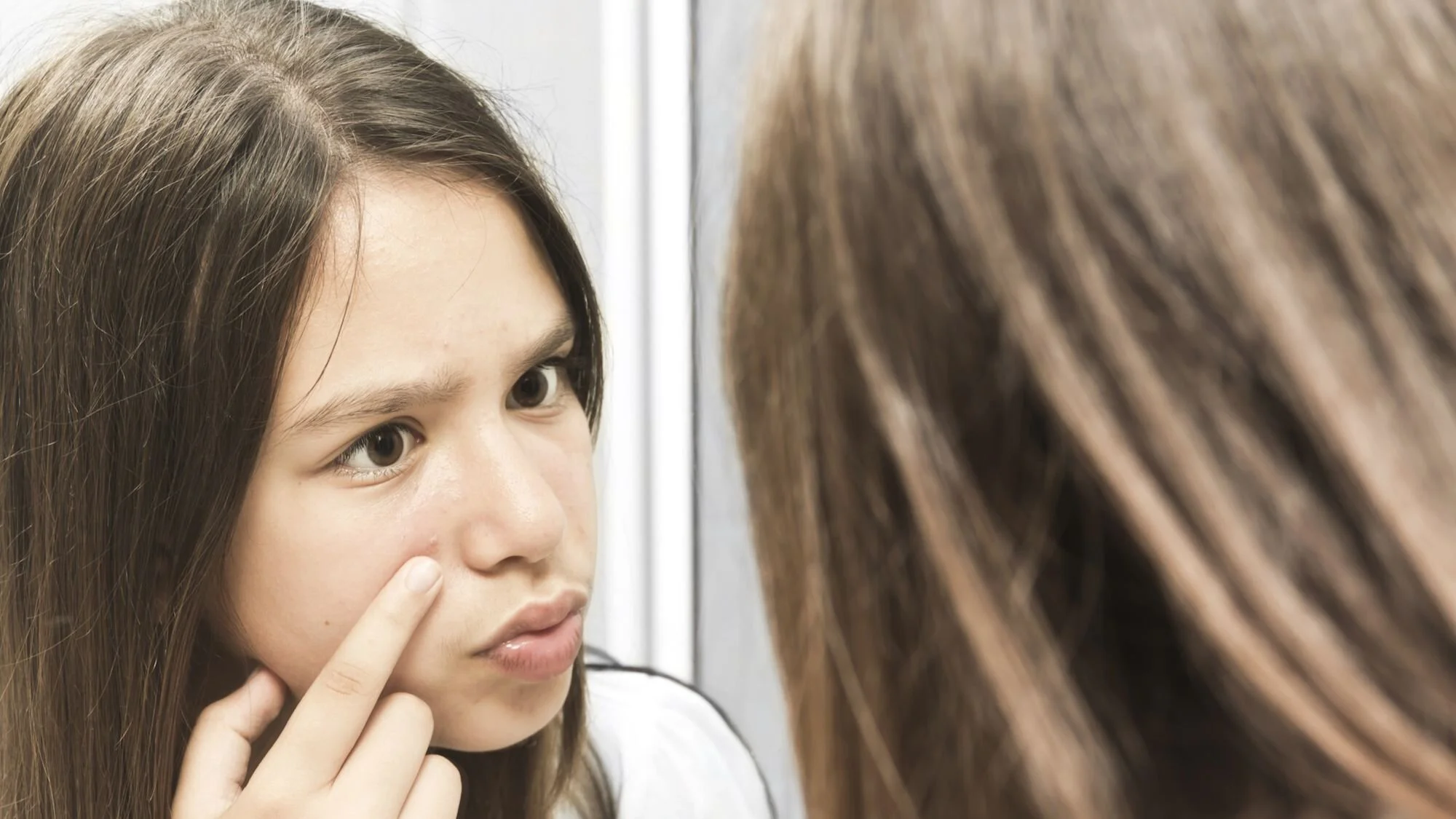
Hirsutism is a medical condition that causes excess growth of dark and coarse hair on areas of a woman’s body, where it normally should not grow. Abnormal hair growth is witnessed on face, neck, upper arms, upper legs, chest and abdomen. Hirsutism is not a disease but it is a prominent symptom of an underlying problem that the woman’s body is suffering from.
Hirsutism is a medical condition that causes excess growth of dark and coarse hair on areas of a woman’s body, where it normally should not grow. Abnormal hair growth is witnessed on face, neck, upper arms, upper legs, chest and abdomen. Hirsutism is not a disease but it is a prominent symptom of an underlying problem that the woman’s body is suffering from. The most common cause of Hirsutism is PCOS (Polycystic ovary syndrome) in which small fluid filled sacs develop in your ovaries. It is also one of the main causes of infertility in women.
The problem of hirsutism is directly linked to hormonal changes in the body of a woman. The female body produces oestrogen hormone which makes the body hair soft and tender. A female body naturally makes small amounts of androgens through ovaries and adrenal glands, but when androgens are produced in large quantities, it triggers testosterone hormone which is produced in a male body. These hormonal changes cause some dominant male physical and sexual developments in a woman’s body. The hormonal imbalances also cause acne problems in some women.

Symptoms of Hirsutism
The prominent signs and symptoms of hirsutism includes the following:
● A sudden change in the growth rate of hair
● Development of new hair on unwanted areas
● Change in hair colour and hair distribution
Excessive growth of body hair on areas where typically hair grows in a male body such as chest, neck, face, thigs, buttocks and abdomen
● Sudden development of skin problems like acne or seborrhoea
● Development of warts on skin
● Appearance of certain masculine characteristics like heaviness in voice
● Irregular menstruation
● High levels of insulin
● Infertility
● Breast size becoming smaller
Causes of Hirsutism in Women
Hirsutism is not a disease in itself but it is an underlying cause of some other form of illness that is developing in a female body. Following are some of the prominent causes that cause hirsutism in women:
1. PCOS (Polycystic Ovary Syndrome): About 5-10% of women suffer from PCOS which is also one of the major causes of infertility in women. When a woman is suffering from PCOS, small fluid-filled cysts develop in the ovaries which causes the ovaries to produce androgens in larger quantities. This hormonal imbalance causes abnormal hair growth and other characteristics that are usually found in a male body.
2. Cushing Syndrome: Cushing syndrome is a condition in which there is overproduction of cortisol by the adrenal glands. Women who are suffering from Cushing syndrome often have weak muscles, diabetes and irregular menstruation. In some significant studies, it has been found that hirsutism is one of the major disorders that is found in women with cushing syndrome.
3. Tumours: In some rare cases, a non-cancerous tumour develops in the ovaries which causes overproduction of androgen hormone. This immediately triggers testosterone hormone causing hirsutism and other disorders.
4. Menopause: When a woman’s body is going through the stage of menopause, the ovaries start producing androgens and stop producing estrogen. This hormonal imbalance causes hirsutism and most elder women complain of abnormal hair growth and acne problems.
5. Congenital Adrenal Hyperplasia: This is a genetic disorder which causes overproduction of androgen and cortisol hormones by the adrenal glands. Overproduction of these hormones causes hirsutism disorder in many women.
6. Medication: If you have been using steroids for a longer time, there is a greater chance for you to have a hormonal imbalance in your body. This causes abnormal hair growth, distribution and acne problems.
How is Hirsutism treated?
As a woman, you would not want any unwanted hair growth on unusual parts of your body. There are a number of ways by which you can get rid of those abnormal hair growth and acne problems.
1. Medical Therapy
There are a variety of drugs and medicines that can immediately stop abnormal hair growth in your body. The medication will majorly depend upon the severity of hirsutism that you are suffering from. One major drawback of using medication is that the hair growth will begin as soon as you stop your medication.
2. Birth Control Pills (Oral Contraceptives)
Oral contraceptives and birth control pills are considered to be one of the most effective treatments for hirsutism. Birth control pills prevent ovulation and this decreases the production of androgen hormone. Apart from slowing down the abnormal hair growth, these pills also regulate menstruation in women.
3. GnRH Analogs
If you are suffering from a severe form of hirsutism, gonadotropin releasing hormone (GnRH) analog treatment may prove to be the most effective in your case. These drugs suppress the production of androgens and estrogen levels by the ovaries. This hormonal change can stop the abnormal hair distribution and acne growth.
4. Temporary Hair Removal
Shaving is one of the easiest and effective ways of removing hair, temporarily. Also, shaving through a normal or electric razor does not have any side effects. Apart from this, you can also use a facial cream that has eflornithine hydrochloride, as the main content. These creams can reduce the unwanted excessive growth of hair and acne.
5. Permanent Hair Removal
Electrolysis and laser are the two techniques used for permanent hair removal. In the first type of treatment, the hair follicles are permanently damaged so that no new hair growth is possible. The only drawback of this treatment is that it cannot be used on broader areas of your body like chest and abdomen. Laser treatment on the other hand can be used on large areas of the body. The treatment involves use of a laser beam light to destroy the hair follicles. Both the methods are painful but they also account for being the most effective in removing and blocking new hair growth.
It is not always possible to control abnormal hair growth or acne problems, but you can try having a balanced diet along with exercises, to reduce the risk of hirsutism. Also, avoid taking any unnecessary medication because that can severely impact your hormonal imbalance.
What is a Neurologist?
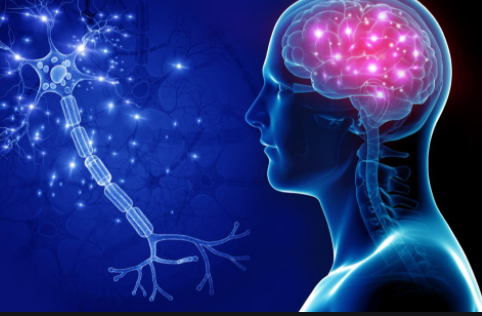
A neurologist is a specialized trained doctor in treating, diagnosing, and managing the brain's nervous system and brain disorders. Also treating migraine, concussion, multiple sclerosis, epilepsy, stroke, and Parkinson's disease. A child neurologist, also known as pediatric, has undergone specialized training in diagnosing and treating neurological disorders in children.
A neurologist is a specialized trained doctor in treating, diagnosing, and managing the brain's nervous system and brain disorders. Also treating migraine, concussion, multiple sclerosis, epilepsy, stroke, and Parkinson's disease. A child neurologist, also known as pediatric, has undergone specialized training in diagnosing and treating neurological disorders in children. This is done from the neonatal period through adolescence.
Some may overlap with adult neurologists, but others may be unique to the younger generation. Here the child neurologists can treat many common conditions in adults like epilepsy, migraine, Tourette, and stroke. Also, they are trained in several conditions that are related to development problems and neurogenetics.
What does a Neurologist do?
Diagnose:
By performing several examinations such as physical examination and detailed history, including vision, speech, and mental status testing. Also, perform testing of coordination, strength, reflexes, sensation, and gait. The neurological exam is an essential component of a patient evaluation. Even as medicine is dependent on technology, neurologists play a crucial role.

Several tests are performed :
The Performed Tests
These are the few tests involved to complete the evaluation are :
● Magnetic resonance imaging (MRI)
● Nerve Conduction Studies and electromyography (NCS/EMG)
● Electroencephalography (EEG)
Neurologists perform a test to treat and manage neurological conditions or problems related to the nervous system. The common symptoms that will require a neurologist are :
● Muscle weakness
● Coordination problems
● Dizziness
● A change in sensation
● Confusion
Those who have problems with their senses, such as vision, touch, or smell, should contact a neurologist since the nervous system causes these problems with sense.
Neurologists also treat patients with
● Stroke
● Seizure disorders
● Multiple sclerosis
● Neuromuscular disorders
● Infections of the nervous system
● Brain abscesses
● Neurodegenerative disorders that are Lou Gehrig's disease
● Spinal cord disorders
● Autoimmune and inflammatory disorders
● Headaches
● Migraine
Neurologist Subspecialties:
Since the nervous system is complex and thus includes specializing in a specific area. After finishing the residency training, neurologists do fellowship training in that area. These subspecialties help the doctors to narrow their focus.
The subspecialties include :
● Neuromuscular medicine
● Headache medicine
● Neuro-oncology
● Geriatric Neurology
● Autonomic disorders
● Child Neurology
● Vascular
● Intervention Neuroradiology
● Epilepsy
Typical Neurological Procedure :
A physical exam and neurological exam are performed upon your first visit, during your appointment. This is done to test coordination, strength, and reflexes. Since these disorders can show similar symptoms, the neurologist will perform more tests to make a diagnosis. The neurologists will recommend a variety of tests and procedures to help diagnose and treat the condition.

The procedure involves :
Lumbar Puncture: To test your spinal fluid, your neurologist will use a lumbar puncture. These procedures will be performed again if the neurologists believe that the symptoms are due to your nervous system's problem. This will be detected in your spinal fluid. This will be done by inserting a needle into the spine. This is done after numbing the spine. Then the spinal fluid sample will be taken.
Tensilon Test:
This procedure will diagnose myasthenia gravis. This will help your neurologists to determine myasthenia gravis. Here, your neurologists will inject you with a medicine called Tensilon. Then your muscle movements will be observed, how the medicine has affected you.
Electromyography (EMG):
By this test, electrical activity in your spinal cord or brain to a peripheral nerve will be observed. This muscle can be found in your legs and arms. It is responsible for movement and rest, which is accompanied by muscle control. EMGs will help your doctor determine spinal cord disease and general muscle dysfunction and nerve dysfunction. In this test, a neurologist will insert tiny electrodes into the patient's muscles. This helps the neurologist to measure activity that is done while resting and moving.
These will be recorded. This is done by recording the activity with a machine attached to the electrode with several wires. This can be a little uncomfortable.
Here, the neurologists will study for a nerve conduction velocity (NCV) studying in conjunction with an EMG. The NCV works by assessing the patient's nerves' ability to send the signals controlling the muscles. EMG will measure muscle activity. During the NCV procedure, electrodes will be taped on the same muscles where the EMG electrodes are taped previously. There are two sets of electrodes used; One will send small pulses to stimulate the patient's nerve. And the other set will measure the overall result.
The tests, that is, EMG and NCV combined, will take one hour or longer. Here, the patient must avoid nicotine, caffeine before the test conduction since this substance can affect your results. Also, taking any blood-thinning medication and nonsteroidal anti-inflammatory drugs will be asked to avoid for 24 hours before EMG.
Electroencephalogram (EEG)
This test is performed by electrodes applied to your scalp. Here the EEG will measure the electrical activity in your brain. This is used to trace any brain conditions, that is, tumors, inflammation, and other injuries, including psychiatric disorders.
EEG does not cause any discomfort, as in the case of EMG. Small cup-like electrodes will be put on your scalp since the small charges are measured through the electrodes. The technicians will create environmental changes to measure brain signals, that is, noises and different lighting.
Exactly like EEG, the patient has to avoid stimulants one day before the test. The EEG will take an hour to be performed, and recording the results. Sometimes the test will be done while you are asleep.
Conclusion: It is better to contact your nearest neurologists if you face any discomfort regarding muscle pain, headache, and the given symptoms. Don't take any medicines without consulting your Neurologists. It is always advised to carry on the tests to be sure of your condition and in case of some dis-comfort you are feeling. The symptoms can reveal your conditions well, and then the neurologist can treat you further.

Diabetic Mother - Condition, Symptoms And Precautions Explained
Diabetes is a medical condition in which the body is not able to break down food into energy. Type 1 diabetes is where the body does not produce enough insulin and Type 2 diabetes is where the body does not use the insulin well enough. Apart from this two diabetes, gestational diabetes is developed in some women, during pregnancy.
Diabetes is a medical condition in which the body is not able to break down food into energy. Type 1 diabetes is where the body does not produce enough insulin and Type 2 diabetes is where the body does not use the insulin well enough. Apart from this two diabetes, gestational diabetes is developed in some women, during pregnancy. Gestational diabetes affects how your body is breaking down food into glucose. It generally causes high blood sugar in expectant mothers and it affects the baby’s health. Having a high blood sugar at the time of conception or during pregnancy can cause serious birth defects, premature delivery, stillbirth and also increases the chances of having a cesarean delivery. In many cases, gestational diabetes has also caused the babies to develop obesity. In most cases, gestational diabetes and blood sugar return to normal levels, after the delivery.
What Should an Expectant Mother do?
If you are suffering from Type 1 or Type 2 diabetes, you must consult a doctor before planning for a baby. Your doctor will advise you on some preconception care which will help you monitor your blood sugar levels, and treat any other health problem like hypertension or high blood pressure.
During pregnancy, keep a check on your blood sugar levels to have a healthy pregnancy and a healthy baby. Your doctor will advise you about the eating regime, some physical activities and insulin intake, to manage your blood sugar levels.
If a woman develops gestational diabetes during the tenure of pregnancy, they are most likely to have Type 2 diabetes, post-delivery. In order to rule out the possibility, get a sugar test done every 4-12 weeks. You can observe certain preventive measures like adopting a healthy lifestyle, making correct food choices and increasing the physical activity, to reduce the risk of getting a type 2 diabetes.
Gestational diabetes does not cause any prominent symptoms, perhaps increased urination or thirst could be possible signs. If a woman develops gestational diabetes during pregnancy, she will regularly need check-ups to monitor the blood sugar levels. It is more likely to develop during the last trimester of pregnancy. There are no certain causes as to why women develop gestational diabetes, however, if you are overweight before pregnancy, you are at a greater risk of developing this medical condition. Normally, during pregnancy, there are hormonal changes taking place inside the body of a woman, to accommodate the new life inside. This process sometimes makes it hard for the body to process glucose efficiently, which is why the blood sugar levels rise.
Risks and Complications Affecting the Baby

If a pregnant mother is suffering from gestational or pre-gestational diabetes, the baby growing inside the womb is at a greater risk of developing severe health conditions. The complications can occur to the baby even while it is inside the womb or may occur after the baby is born. The babies can suffer from the following complications:
1. Expectant mothers who are suffering from high blood sugar levels are more likely to have babies which are larger in size and weight. Babies who weigh 9 pounds or more are more likely to be delivered through a C-section and may even sustain some shoulder injuries during delivery. This condition is also termed as macrosomia.
2. Mothers with high blood sugar levels may pose serious risk to the unborn baby due to which the baby may have to be delivered earlier or before completion of the term.
3. Some babies may develop respiratory distress syndrome which causes breathing difficulty.
4. Babies are also at a risk of having low blood sugar levels, also known as hypoglycemia. This condition may cause seizures in babies. Sometimes intravenous glucose is given to bring the sugar levels to normal range.
5. Babies may develop obesity or type 2 diabetes conditions, later in life as they grow.
6. Complications get severe and the chances of stillbirth also increase in mothers with diabetes. Stillbirth is a condition where the babies die before or shortly after birth.
The babies inside the womb of a mother with diabetes are also prone to the following risks:
Birth (congenital) defects and miscarriage.
Low oxygen levels
Low blood iron levels
High blood pressure
Enlarged heart
Poor or weak nervous system development
High levels of red blood cells and thickened blood
Low blood calcium

If any one of the above-mentioned problems affects your baby, immediate treatment should be started. Your baby’s treatment will also depend to a greater extent upon how well the blood sugar levels were controlled during delivery.
Controlling your blood sugar levels during pregnancy is very important. Get in touch with a healthcare provider and the following few things will help you control your rising sugar levels.
Test frequently and monitor your sugar levels.
Take insulin doses as prescribed.
Watch your weight and try not to become obese during pregnancy.

When Will You Need Surgery For Kidney Stones?
Kidney stones are hard deposits that are found in your kidneys. They are made out of calcium or uric acid. Kidney stones start out small, but they grow bigger when more and more minerals and waste products like uric acid are added to them. The size of the kidney stone defines the amount of problems it can cause.
Kidney stones are hard deposits that are found in your kidneys. They are made out of calcium or uric acid. Kidney stones start out small, but they grow bigger when more and more minerals and waste products like uric acid are added to them. The size of the kidney stone defines the amount of problems it can cause. When the stones are small, they can be passed by the urinary tract without the need for treatment. When the stones become bigger, they tend to get stuck in the urinary tract and require surgical intervention to be removed. Here are some situations where surgery is required for removing a kidney stone.
When the stone becomes too large to be passed down your urinary tract
When the stone is lodged somewhere in the urinary tract causing immense pain
When the stone is disrupting the flow of urine out of your kidneys
When the stone has caused or causing multiple urinary tract infections in your body.
These are some of the situations where surgery for kidney stones becomes necessary. Now that you know about the situations where surgery is recommended and performed. Let’s talk about the different types of surgical options that are available for treating kidney stones.
Different Types of Treatment Procedures for Kidney Stones

Ureteroscopy
Ureteroscopy is a treatment procedure for kidney stones. This process can treat stones in both kidneys and the uterus of the patient. This procedure is performed using a flexible and thin scope to find and remove the stones lodged in your urinary tract or uterus. This procedure is non-invasive, meaning there are no cuts made on your body for removing the stones. General anaesthesia is used to put the patient to sleep for the duration of this procedure.
This procedure does not require hospital admission as the patient can be home the same day. Doctors pass a scope through your bladder, then the ureter finally reaches your kidneys. The doctors use a small basket to remove the stones when they are small; if they are larger in size, the doctors pass a laser in through the scope as well to find and break the stone into smaller pieces.
The risks associated with ureteroscopy are
Bleeding
Narrowing of the ureter
Infection
Shock Wave Lithotripsy

Shock Wave Lithotripsy (SWL) is one of the most common forms of treatment for kidney stones. This procedure is best suited for removing small and medium-sized kidney stones. SWL is also a non-invasive procedure that does not require any cuts to be made on your body. Usually, the patient is put under local anaesthesia, and they can go home the same day itself.
This procedure starts with an X-ray or ultrasound of your kidneys to find the stone or stones located inside. Upon locating the stones, the doctor uses a high-powered shockwave to break the stones down into smaller pieces. The shockwaves go through your skin and break down the pieces inside. This completes the procedure, and the patient is advised to go home and consume large amounts of liquids to flush the stones out of their system through their urine.
SWL is a safe procedure; in rare cases, if the stone does not completely pass through your urine, the procedure can be safely repeated again until all the stones or parts of the stone are completely out of your system. Some of the side effects associated with SWL include
Damage to the kidney
Infection
Stone blocking the flow of urine in the urinary tract
Bleeding in and around the kidney
Open Surgery
Open surgeries have become a rare form of treatment for kidney stones nowadays. However, if all the other procedures fail because the stone is too big or due to other reasons, open surgery is usually the only way to treat the problem. As the name suggests, an open surgery is an invasive surgical procedure that requires hospital admission for a few days of hospital stay to keep the patient in observation.
The open surgery process starts with the doctors using anaesthesia to knock out the patient for the period of the surgery. Then the doctors cut open the patient from the side and then cut into their kidney as well. The doctors then remove the stone from the opening created in the kidney. It can take up to 4-6 weeks to fully recover from open surgery. However, surgery does not come with its own set of side effects.
Kidney stones require medical treatment, and they need to be taken out of your system most times with surgery. It is crucial for you to understand your situation and make an informed decision along with your doctor to eliminate the stones from your system safely. Now that you know in detail about the situations where you need surgery for your kidney and the types of surgical procedures that are available to you. Be sure to pick the option that is the most affordable and best suited for your problems.

What do Leukemia spots look like?
Leukaemia is a blood cancer that affects a huge number of people every year all around the globe. There are several symptoms of Leukemia, and suffering from it might lead to a variety of rashes, bruises or bumps, which becomes next to impossible to understand without a doctor’s assistant.
Leukaemia is a blood cancer that affects a huge number of people every year all around the globe. There are several symptoms of Leukemia, and suffering from it might lead to a variety of rashes, bruises or bumps, which becomes next to impossible to understand without a doctor’s assistant. So, if you begin to notice any of the symptoms affecting your skin, the ideal choice will be to consult with a doctor and seek the best possible treatment for it.
Some of the major symptoms of Leukemia are given below.
Symptoms of Leukemia
Nausea
Frequent bleeding of the nose
Bone pain
Poor blood clotting
Fever
Feeling tired or weak quite often
Sweating a lot exceptionally during the night hours
Rashes and bruises
Now, let’s find out what rashes, bruises, or spots look like for people who have Leukemia.
What do rashes caused by Leukemia look like?

Suffering from Leukemia often causes the tiny blood vessels to burst beneath the skin. After a certain point, the production of abnormal blood cells ends up acting as a barrier to the normal production of platelets. Therefore, it might happen that the body might not have enough platelet count to block the burst capillaries, and as a result, the blood seeps out into the skin.
This leakage results in red, purple or brown tiny spots called petechiae. A certain collection of these petechiae often look like a rash. A fruitful way to distinguish petechiae from a rash is by pressing down on the affected spot of the skin. If it is a rash, the colour will change into white, and if it is a petechia, there would not be any change in the colour of the spot.
Types of Leukemia Spots
AML Rash

AML or Acute Myelogenous Leukaemia often affect children, which leads to swelling or bleeding of the gums. Besides affecting the gum, it also leads to an accumulation of dark spots on the skin, which looks quite alike to a normal rash but is completely different in nature.
Bruising

People who have leukaemia tend to suffer from even the smallest knockdowns. As the body's platelet count reduces highly, there is no way it can manage to block the bleeding under the skin when an injury takes place. These bruises look the same as ordinary bruises and don't really differ much in appearance.
Sweet’s Syndrome

People diagnosed with leukaemia have higher chances of being affected with Sweet's Syndrome, which leads to high fever and rashes. The rashes look like bluish or red bumps and can occur on the skin of the legs, arms, face; instead, they can appear at any portion of the body.
Treatment of Leukemia
The treatment often depends on the stage and the type of cancer from which the person is suffering. Some types of leukaemia do not demand immediate advice as it develops at a slow pace. Whereas a certain type grows rapidly, and in that case, a delay in treatment might complicate the situation more.
One of the best ways to treat leukaemia is chemotherapy. However, it has a number of side effects which includes rashes on the skin too. These rashes are pretty hurtful and can also give a burning or itching sensation. If you notice that the rashes from chemotherapy are making you suffer more, maybe you should consult with your doctor about it at the earliest.
Some of the other possible ways of treating a patient suffering from Leukemia are:
Radiation Therapy
Biological or immunotherapy
Stem cell transplantation
Targeted therapy
The chances of recovering from a severe stage of leukaemia are pretty low. Certain other factors should be considered, such as other health disorders, the age of the person, etc. However, if the treatment process ends up suiting the patient well, the chances of healing become better automatically.

Weak Eyes Causes, Treatment, Home Remedies And More!
Eyesight is part of your life that fades away inevitably over time as you age. There are many reasons for the loss of eyesight over time. These causes can be due to injury, extreme strenuous activities for the eyes and many more. It is good that it is possible to treat such problems and ensure that your eye health is optimum.
Eyesight is part of your life that fades away inevitably over time as you age. There are many reasons for the loss of eyesight over time. These causes can be due to injury, extreme strenuous activities for the eyes and many more. It is good that it is possible to treat such problems and ensure that your eye health is optimum.
As you age, however, it is in your best interest to have regular eye checkups and listen to the doctor’s medical advice for maintaining the best health of your eyesight. If you fail to take care and maintain your eyes properly, it can lead to serious conditions that require surgical intervention. So, learn about these reasons for weak eyes along with their treatment and home remedy options to help keep your eyes at optimum health.
Reasons That Can Cause Weak Eyes
Obesity & Type II Diabetes

Obesity and diabetes both create a lot of problems for your eyes. Having excessive amounts of sugar in your blood puts more pressure on the walls of your blood vessels in your eyes. This can lead to problems with your vision if not kept under control. The same thing happens with obesity due to excessive body weight. The blood vessels in your eyes are under a lot of pressure that can cause problems with your vision.
Treatment: It is crucial to keep your diabetic levels under control and keep your body weight in check. If you have any problems with your eyes, it is best to visit a doctor and get medical advice. Sudden deterioration of your vision can also signify that you have diabetes, so it is necessary to follow up with a doctor to get the proper diagnosis.
Home Remedies: Exercising and limiting your screen time can work wonders for you. Exercising can help you reduce your body weight and maintain your diabetic levels. Limiting your screen time will help you induce yourself in less strenuous activities for your eyes. It will help you reduce any damage to your eyes if you are diabetic or obese. It is a genera statement true for everyone. Dont know it is beneficial for Obese people only.
Prevention: You need to take care of your health and add exercising and physical activity to your lifestyle. Diabetes and obesity are physical problems that create optical issues; there is not much for you to do if you are already diabetic or obese other than keeping those conditions in check.
Vitamin Deficiency

Vitamin deficiency can lead to optical problems such as night blindness. Vitamin A deficiency can cause this disease. In serious cases, the deficiency of Vitamin A can also cause conditions such as myopia, glaucoma, and cataracts. So it is mandatory to maintain the proper amount of vitamin A in your system to ensure that you do not suffer from such problems.
Treatment: Night Blindness or glaucoma is a serious optical disorder that requires proper medical treatment. Treatment procedures differ according to the severity of the problem. It includes getting glasses or new lenses according to your situation, or you might have to get surgical intervention as well.
Home Remedies: You can try to consume foods with a high concentration of vitamin A such as cheese, eggs, fish, and milk. In case you are vegan or lactose intolerant, you can supplement Vitamin A using different dietary supplements, whether in the form of pills or powder supplements.
Prevention: To make sure you are safe from conditions such as night blindness, you should make sure that you consume enough quantities of food or supplements that maintain the correct amounts of vitamin A in your system. You should also check in with your ophthalmologist regularly and make sure your eyes are at optimum health.
These are some of the primary reasons that cause weak eyes. The eyes are a sensitive organ of your body that is essential for your day to day life. So, it is necessary to take care of your eyes properly and be in touch with your ophthalmologist regularly as you grow older. As the deterioration of eyesight is inevitable over time, you are required to put effort into maintaining your vision. This maintenance needs to be done by consuming a balanced diet, living an active lifestyle, and limiting your screen times.

Rosacea: Types, Causes, and Remedies
Is there a sudden redness on your cheeks, forehead or nose? If yes, there are chances that you might have either a sunburn or Rosacea. But, how to figure out whether you are suffering from Rosacea or whether it is just a normal sunburn or even acne?
Is there a sudden redness on your cheeks, forehead or nose? If yes, there are chances that you might have either a sunburn or Rosacea. But, how to figure out whether you are suffering from Rosacea or whether it is just a normal sunburn or even acne?
The initial symptoms of Rosacea are often misunderstood as that of a sunburn. However, if you see the redness slowly spreading over to your ears, back or at the chest and is changing its form into small bumps, there is a great possibility that you are affected with Rosacea. There can be many reasons ranging from heat, stress, to caffeine, behind the trigger, which can lead to Rosacea.
There are four main subtypes of this disease, and one can suffer and show symptoms of more than one type.
Types of Rosacea
Erythematotelangiectatic Rosacea
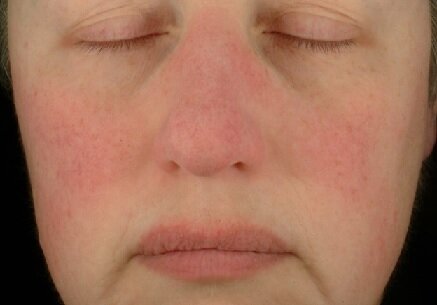
This particular type is commonly referred to as ETR and often results in flushing, redness of the face and visible blood vessels.
Papulopustular Rosacea

Also known as Acne Rosacea, it leads to pimple-like structures and normally affects middle-aged women.
Rhinophyma Rosacea
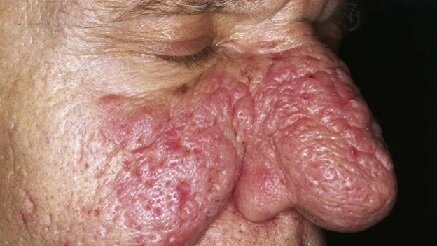
This subtype of Rosacea generally affects men and leads to the thickening of the nose skin. Quite often, this subtype is co-occurred by another subtype of Rosacea.
Ocular Rosacea
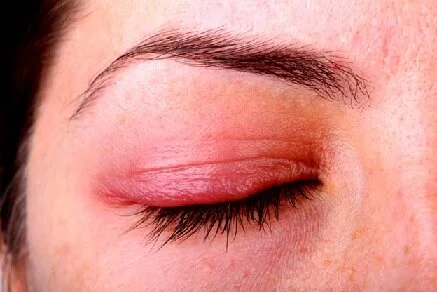
The symptoms of this subtype are generally focused on the eye and its nearby areas, and this is where Rosacea originated.
Causes of Rosacea
There is no proven cause of Rosacea yet, but it might be caused due to a blend of environmental and hereditary factors. At present, the health researchers believe that Rosacea generally affects those people who have a lower capability genetically to deal with facial inflammation.
Facial inflammation can be caused due to a number of environmental factors such as sunburn, flushing, and sometimes due to certain medications' side effects. But there are a number of things or factors which might worsen the symptoms of Rosacea.
Some of those are:
Drinking too much hot tea or coffee
Excessive alcohol consumption
Smoking habits
Exercise
Change in weather conditions
Emotional factors like stress, anxiety and fear
Eating spicy dishes
Consuming items that contain cinnamaldehyde in it such as chocolate, tomatoes, citrus and cinnamon
Having cathelicidin, a protein that is known for offering protection to the skin from infections.
Presence of intestinal bacteria Helicobacter pylori
Having the skin mite called Demodex
The major risk factors of Rosacea include
Fair skin
English, Irish, Scottish heredity
Having family members who suffer from Rosacea
Remedies for Rosacea
There is no proper cure for Rosacea yet. However, you can definitely consult with a dermatologist and work towards controlling the symptoms so that it does not become more severe. To control Rosacea, it is a must to take proper care of your skin. You need to keep the affected area clean by using soft and firm cleansers that are oil-free and water-based.
You need to be extra careful, irrespective of your skin-type while dealing with your face as it needs special care and attention. Make sure to choose the skin-care products wisely and avoid the ones which contain exfoliating agents, menthol, alcohol or witch hazel as it might irritate the skin.
Other than that, with the help of a medical expert, you can definitely manage to reduce your suffering. You will most probably be prescribed a range of oral antibiotics and antibiotic creams. Other treatment processes include laser treatment options for healing serious cases of Rosacea. You can also consume eye medicines and antibiotics for Ocular Rosacea and microdermabrasion treatments for lessening the thickened skin.
Here are some of the tips which you can follow to help with Rosacea:
Keep track of the foods which you are consuming as it will become easier for you to track the ones which are triggering the symptoms in you
Maintain a journal of all the skin-care products and cosmetics you are using to help you spot the one that suits you the most
Avoid smoking and alcohol consumption
Avoid having spicy foods and dishes
Cover the maximum portion of the affected areas while going outdoors and try not to expose it to direct sunlight
Make sure you apply sunscreen evenly on the affected area and other places before going out
Following the tips as mentioned earlier and precautions can help you prevent symptoms of Rosacea from deteriorating. Other than that, taking precautions and following your doctor's advice is the only way to stop Rosacea from deteriorating severely.

Pain in Arch of Foot: Causes, Stretches, Treatment
The arch of the foot refers to the area between the ball and the heel of the foot. People that have an active lifestyle that involves a lot of movements commonly suffer from pain in this region. This is the reason athletes suffer from pain in these regions very commonly. The arch in the foot is visible from the outside. It is made of three arches internally that are all separately built out of bones, tendons, and ligaments.
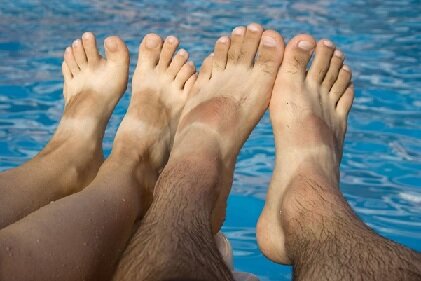
The arch of the foot refers to the area between the ball and the heel of the foot. People that have an active lifestyle that involves a lot of movements commonly suffer from pain in this region. This is the reason athletes suffer from pain in these regions very commonly. The arch in the foot is visible from the outside. It is made of three arches internally that are all separately built out of bones, tendons, and ligaments. These arches together form the shape of a triangle that helps create the arch visible from the outside.
Pain in that region of the foot can be caused mainly by two reasons.
Structural problems or internal abnormalities
External Injuries causing internal damage
These are the basic reasons why people might have pain in the arch of their feet. The pain can also come from other factors such as ageing, physical stress, weight gains, overuse, neurological conditions. All these factors lead to different types of injuries that have their own treatment process and preventive measures. Read along to learn about the different types of injuries the arch in your foot can be affected by and how you can treat and prevent them.
Different Types Of Causes For Pain In The Foot Arch
1. Overpronation

Description: Overpronation is a condition that affects people that walk a certain way. People who walk with the back of their heel touching the ground and rolling all the way for taking a step generally suffer from problems such as overpronation. This is caused due to the extra pressure that the arch of the foot faces causing it to become straighter.
Effects: This condition can cause problems such as hammertoe and calluses in the long term. It can also lead to problems such as pain and damage in ligaments, muscles, and tendons. It can also lead to pain in different parts of your body, such as hips, knees, and back.
Stretches: If you are suffering from overpronation, you can do some light stretching to help you with your condition. You need to stand with your legs apart, and while keeping your toes on the ground, you have to push your weight towards the outer parts of your feet, raising the arch of your feet. After holding yourself in that position for a few seconds, come down slowly, and you can repeat these exercises a few times.
Treatment: Overpronation is a problem that can lead to problems in the affected person’s ability to support themselves. This is why doctors often prescribe external walking support for the patient so they can get extra support while walking. They are also prescribed to use stability shoes to help them walk properly. Medically prescribed arch supports are also provided to help patients get the extra support they need for walking.
2. Cavus Foot

Description: Cavus foot is a condition that causes a structural abnormality in a person’s foot. This abnormality causes a high arch in the foot that can lead to pain in your foot while doing basic activities such as walking or standing. This condition is caused by various factors such as genetics, stroke, Charcot Marie tooth disease, and cerebral palsy.
Effects: Cavus foot causes pain in the foot of the patient from walking or standing. It also causes a loss of stability for the patient, which makes standing or walking very hard. The loss of stability also makes it very easy to hurt after parts of your leg while standing or walking, such as your ankles. Cavus foot can also lead to other issues such as claw toes.
Stretches: There are a number of stretches that you can do to help yourself if you are suffering from cavus foot. Stretches such as towel stretch and bent knee wall stretch can help you ease your condition. Towel stretches require you to put a towel around the ball of your feet; then, you have to flex your foot while gently tugging the towel and stretching your toes.
Treatment: Cavus foot is a condition that does not have any medicinal treatment process. Patients are required to get surgical treatment for their condition. The surgeries differ, however, based on the severity and the condition of the person. The types of surgeries include bone shifting, tendon transfer, and soft tissue release.
Having stiff pain in the arch of your foot is not a very common condition. This is why if you are regularly suffering from it, you should not take it lightly, and you must get medical help to check out what problems you are facing. There are many different conditions that can be the cause of your pain in the arch of your foot. Only with a proper medical diagnosis you can understand the cause of your pain and get the appropriate treatment necessary to help you heal from the problem.

How to Improve Eyesight: 10 Natural Ways to Get Better Vision
If you are reading this right now, you have to thank your eyes. Without proper eyesight, life as we know it goes through many struggles and causes a lot of problems. Eyesight deteriorates over time, and it is important to take certain steps to make sure that you can maintain healthy eyesight even as you age.
If you are reading this right now, you have to thank your eyes. Without proper eyesight, life as we know it goes through many struggles and causes a lot of problems. Eyesight deteriorates over time, and it is important to take certain steps to make sure that you can maintain healthy eyesight even as you age.
Getting proper eye checkups regularly as you age and following the doctor's orders are important ways to maintain eye health. You can also follow some of the pointers mentioned below to make sure you can follow the best practices to preserve and improve your eyesight naturally.
10 Natural Ways To Get Better Vision
1. Consume Good Nutrients & Vitamins

There are many different vitamins and nutrients that are essential for the maintenance of your eye health. Vitamins A, C, and E and zinc all contain essential antioxidants that help your body prevent macular disintegration. The macula is an internal part of the eye that maintains central vision. You can consume the right amounts of the vitamins mentioned above by changing your diet and adding green and colourful vegetables and fruits to your diet.
2. Maintaining Your Body Weight

Bodyweight is not directly linked to eye health, but it has been seen in studies that people that are overweight and obese are at a greater risk of Type-II diabetes. Diabetes and excessive body weight both have the same effect on the health of your eyes. It damages the blood vessels and the arteries inside your eyes, causing deterioration in vision. Maintaining the blood sugar level in your blood and your body weight can go a long way to make sure you have good eyesight for a long time.
3. Staying Fit Against Chronic Diseases

Chronic diseases such as sclerosis and high blood pressure can cause damage to your eyesight. This is because such conditions cause chronic inflammation in the internal parts of your body. This can cause loads of health problems in practically any and all parts of your body, including deteriorating eyesight. An active lifestyle with proper mental health support is necessary to protect yourself from such diseases.
4. Following The 20/20 Rule

The eyes are one of the most used organs of your body. This is the reason it gets strained after a while. Straining is especially common when working on electronic devices such as computers, mobile phones for long hours. The 20/20 rule dictates when you are working on computers for long hours, every 20 minutes, you should look at something other than the computer screen, which is approximately 20 feet away for 20 seconds. This helps your eyes to be relieved and helps protect your eyesight as you age.
5. Avoid Smoking

Smoking is unanimously a bad habit for your health. Smoking is harmful to your heart, lungs, teeth, skin, and practically every other body part as well. The effect of smoking on your eyes is that it causes accelerated deterioration of eyesight with age. It also creates a higher possibility of developing cataracts.
6. Protect Your Eyes From Infections
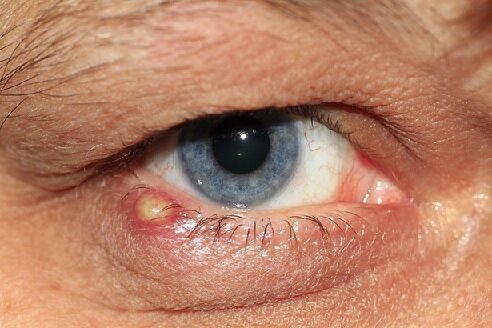
Eyes are susceptible to germs and bacterial infections. Something as simple as an irritation to your eyes can also cause harm to your eyesight over the years. This is why you must always maintain proper sanitisation and cleaning of your hands before touching your eyes. If you use contact lenses, you should regularly clean the lenses to protect your eyes from infections.
7. Being Aware Of Your Genetics

Genetics can also cause you to be genetically predisposed to certain conditions such as glaucoma and optic atrophy. It is important to know about your family's genetic history to make sure you are not genetically predisposed to such conditions.
8. Wear Sunglasses When Out In The Sun

Sunglasses are practical and provide many benefits to your eyes when you wear them out on a bright sunny day. A proper sunglasses that blocks 99-100% of UV-A and B radiation can help protect your eyes from the damage that would lead to deterioration of eyesight in time.
9. Protective Eyewear When Working

Eyes are sensitive organs, and any direct accident to your eyes can have catastrophic effects on your eyes; it can even cause complete loss of eyesight. This is the reason it is essential to wear protective eye gear when you are playing sports such as racquetball or working in a chemistry lab with dangerous chemicals. Proper eye safety can ensure you continue to have good eyesight even as you age.
10. Take Some Vitamin Supplements

Lutein and Zeaxanthin are nutrients that help you maintain the health of your eyes, especially as you age. These nutrients are found in green vegetables such as zucchini, broccoli, and eggs. These nutrients can also be taken in a supplement form that will help improve the ability of your eyes to absorb blue and ultraviolet light.

Gallstones: Symptoms, Causes, Risks, Treatment, Diet, & More
The gallbladder is an organ in our digestive system that is located under the liver. The gallbladder stores bile that is produced by the liver. It is a green-yellow fluid that is used for the digestion of food. The gallbladder can be affected by gallstones if the cholesterol level in your bile is at an excessive amount.
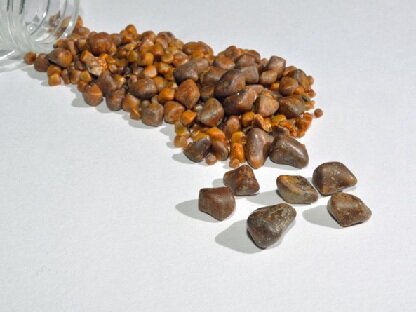
The gallbladder is an organ in our digestive system that is located under the liver. The gallbladder stores bile that is produced by the liver. It is a green-yellow fluid that is used for the digestion of food. The gallbladder can be affected by gallstones if the cholesterol level in your bile is at an excessive amount.
Gallbladder stones can be painful and, in severe cases, may even require surgical intervention to remove the stones from your body. Here is all the information regarding the symptoms, causes, risks, and treatment of gallstones that you need to know.
Symptoms

One of the first gallstones symptoms can be intense pain in the upper right part of your abdomen. It can be triggered by your dietary habits, especially if you have a lot of fried food with high-fat content. The pain from gallstones does not last for a very long time. On average, the pain lasts for a few hours each time. Apart from the pain, there are other symptoms for gallstones as well, this includes:
Vomiting
Nausea
Stomach Pain
Dark urine
Clay-coloured stool
Diarrhoea
Burping
Indigestion
Asymptomatic gallstones
Gallstones are not painful by nature; the pain is caused by the blockage of bile movement from the gallbladder caused by gallstones. Since gallstones are inherently painless, studies by the American College of Gastroenterology have shown that almost 80% of people suffer from silent gallstones. In such cases, the usual symptoms of gallstones are not experienced by the patient. They are only discovered by the doctors in abdominal X-rays or when performing abdominal surgery on the patient.
Causes
A medical study has shown 80% of gallstones are made out of cholesterol, the remaining 20% is made out of bilirubin and calcium salts. As the major part of gallstones is made out of cholesterol, people with high cholesterol levels in their blood are more susceptible to gallstones. Some of the other causes of gallstones include:
When your bile consists of plenty of Bilirubin
Bilirubin is a chemical fluid produced by the liver. Its purpose is to destroy old red blood cells from the body. Due to liver disorders and some other types of blood disorders, the liver produces excessive amounts of Bilirubin. This excessive secretion of Bilirubin causes the formation of dark brown or black gallstones that are pigmented. These gallstones are formed due to the gallbladder being unable to break down the excessive amounts of Bilirubin.
When your bile consists of excessive amounts of cholesterol
Cholesterol rich gallstones develop when the cholesterol level produced by your liver is more than what bile available in your body can dissolve. Cholesterol rich gallstones tend to be yellow in colour.
When the gallbladder is unable to empty itself leading to concentrated bile
The gallbladder is an organ that functions best when it can properly store and empty its bile contents without any hindrance. When the gallbladder cannot empty its contents of bile in an orderly fashion, it leads to the development of concentrated bile that eventually leads to the formation of gallstones.
Risks
Gallstones have many risk factors, some of which are controllable while others are uncontrollable. The controllable risk factors generally relate to a person’s diet. The uncontrollable factors delve into the person’s gender, sex, age, race, family history. These factors can’t be changed; Hence they are called the uncontrollable risk factors of gallstones.
Controllable risk factors
Having obesity or being overweight
Suffering from diabetes mellitus
Suffering from sudden weight loss in a very short period of time
Eating a high fibre diet that is fat and cholesterol heavy and also low in fibre.
Uncontrollable risk factors
Being Female
Belonging to the Native American race
Being over 40
Belonging to the Hispanic and Mexican ethnicity
Having liver disease
Gallstones can lead to different types of complications they are mentioned below:
Complications
Inflamed gallbladder: The inflammation of the gallbladder can be very painful and even cause fever. The inflammation is caused when a gallstone is created at the neck of the gallbladder. The gallstone stops the flow of bile out of your liver and causes the inflammation of the gallbladder.
Gallbladder cancer: Gallbladder cancer is a condition that affects people that have a history of gallstones. This type of cancer is highly rare, and even with a history of gallstones, the probability of being affected by gallbladder cancer remains considerably low.
Treatment

The treatment of gallstones is commonly done through surgery. However, it is possible that you might not need surgery. This is because, more often than not, gallstones do not show any symptoms or pain. People often pass their stones without feeling any pain. In case you are feeling pain from gallstones, doctors might recommend getting surgery. In rare cases, even medicinal treatment is used for curing gallstones.
Diet
For dietary practices maintaining a low fat and cholesterol diet is one of the key factors to protect yourself from the risk of gallstones. Gallstones often contain mostly cholesterol, so it is essential to maintain the cholesterol levels in your body. Avoiding food that can increase your cholesterol levels can help you keep your gallstone risk in check.

Foot Pain in Arches, Ball, Heel, Toe and Ankle Problems
Many people suffer from pain in their feet for various reasons. These reasons can be due to ageing or any underlying problem or condition that might require serious medical treatment. Nonetheless, pain in any
Many people suffer from pain in their feet for various reasons. These reasons can be due to ageing or any underlying problem or condition that might require serious medical treatment. Nonetheless, pain in any body part is something that you should monitor and get medical help for if the pain is persistent and increasing.
If you are suffering from persistent foot pain, it is important to localise the pain. When you know the location of the pain, it can help you track down the reason that might be causing the pain. Here are some of the common foot pains that people suffer from to help you identify your problem. The categorisation is done in regards to the area of the foot where the pain is located.
Foot Pain In Heels
Heel Spurs
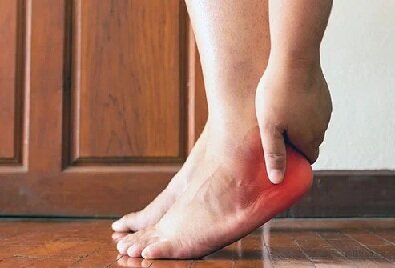
Description: Heel spurs are a type of foot pain caused by the unnatural growth of the heel bone of your feet. The abnormal growth can be caused by different reasons, such as having an abnormal/peculiar step or posture. It can also be caused by physical activities such as running. Even though this condition is common, most people do not feel pain due to their heel spurs. People that have high foot arches or flat feet are more susceptible to having painful heel spurs.
Treatment: Heel spurs can be treated by wearing medically prescribed heel pads and orthotics. If you are suffering from painful heel spurs, you will need to have pain medication and get medical help to understand the severity of your issue. The doctors can also suggest medical procedures that can help you permanently solve your problem.
Plantar Fasciitis
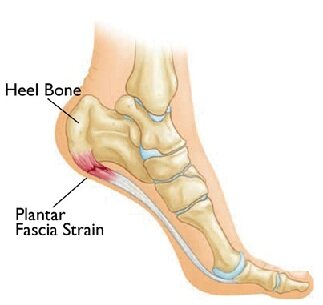
Description: Plantar Fasciitis refers to pain in the tough tissues of your heel that connect the heel bone of your foot to the toes. This pain can be felt in the arch and the heel of your foot, and it affects the most in the morning when a person is getting out of bed.
Treatment: Standard treatment for this problem includes wearing shoes that have well-cushioned soles and good arch supports. You also need to adequately rest your foot and exercise using heel, and arch muscle stretches.
Foot Pain In Arch Of Foot
Bunion

Description: A bunion is an abnormal projection in the bones near the edge of your foot; it is usually located near the base of the big toe of your foot. This is a very common condition that can affect anyone. It generally affects people more as they age. It is also found in people that wear non-fitted and uncomfortable shoes over a long period of time.
Treatment: One of the first and foremost treatments for bunions include wearing properly fitted and comfortable shoes. People are often prescribed to wear shoe inserts to help them with their condition. In case your pain persists and does not reduce over a long period of time, you need proper medical care, and doctors might even suggest surgical intervention.
Claw Toe

Description: A claw toe is a serious condition where your toes either point upwards or downwards naturally and cannot be straightened. This condition is caused by various reasons such as nerve damage, alcoholism, and diabetes.
Treatment: Treatment of claw toe requires surgical intervention; however, if you are not comfortable with the notion of surgery, you can try wearing shoe inserts, avoid wearing tight shoes and high heels. You can also do stretches and exercises for your toes and toe joints.
Foot Pain In Ball Of Foot
Sesamoiditis

Description: Sesamoiditis is a condition that usually affects runners and ballet dancers. It is a form of tendinitis that affects the tendons of your foot that solely connect to two bones at the base of your big toe. This condition is caused by the injury or the inflammation of these tendons, as these tendons are called sesamoids.
Treatment: Common treatment procedures for sesamoiditis include icing the area that hurts and also wearing comfortable foot pads and comfortable shoes to reduce the pain as much as possible. If the pain does not decrease, you should get medical help where the doctors might prescribe you steroid injections.
Morton’s Neuroma
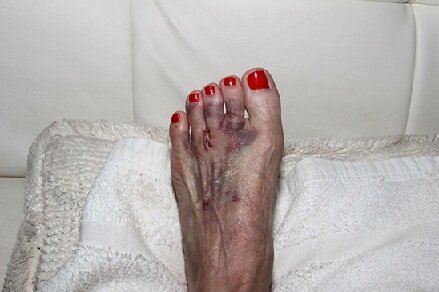
Description: Morton’s neuroma is a condition that mainly affects women who wear very high heels and tight shoes. This condition affects the tissues in between the third and fourth toes of your foot. The tissues around the nerves get thick and cause pain, numbness, or a general odd feeling in the ball of your foot.
Treatment: Common treatment procedures for Morton’s neuroma include taking pain relievers for reducing the pain in your foot. You can also use footpads inside your shoes to reduce the pressure on the nerves and reduce the pain. For treatment purposes, you should also reduce or stop wearing high heels or shoes with a very short toe compartment. If the pain does not subside over time, you need medical attention; the doctors can prescribe steroid injections and surgical procedures to treat the problem.
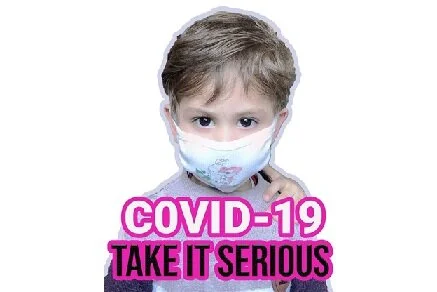
Early Symptoms Of COVID-19 In Children: What Parents Should Know
COVID-19 has caused the deaths of lakhs and the sufferance of even more people in India so far. The aggressive second wave of the COVID-19 virus had rattled the country to its core, with thousands of deaths every single day. The medical body of India announced the third wave of the COVID-19 virus as well.

COVID-19 has caused the deaths of lakhs and the sufferance of even more people in India so far. The aggressive second wave of the COVID-19 virus had rattled the country to its core, with thousands of deaths every single day. The medical body of India announced the third wave of the COVID-19 virus as well. It was informed that the third wave of the pandemic might largely affect children and infants. In a time like this, where the county has not yet recovered from the blow of the second wave of COVID-19, the possibility of infections among children is horrifying for parents around the country.
COVID-19 has developed more symptoms now than there were when it first appeared. These symptoms can be identified, and treatment can be ensured as soon as possible to ensure that the treatment is successful. So, here are some of the leading symptoms of COVID-19 in children that parents must know and look out for to avoid COVID-19 infection among children.
Primary Early Symptoms For COVID-19 Infection In Children

It is seriously concerning that the COVID-19 infection hides itself in children by not showing off too many symptoms on the surface. Most children affected by COVID-19 remain asymptomatic. This creates a considerable problem in identifying the infection and getting started on the treatment in the early stages. It has been noticed that in most cases, one of the parents was infected by the virus, while no symptoms of the infection were detected in the children. It was only after a test it was revealed that the children were also infected.
Here are some of the general symptoms that are common in children for the COVID-19 virus.
Cough
Fever
Breathlessness
Myalgia
Sore Throat
Diarrhea
Loss of Taste
Loss of Smell
Loose Motions
Vomiting
Nausea
Nasal Congestion
Dry Cough
Headache
Body Pain
Muscle Pain
These are some of the preliminary symptoms of COVID-19 if your child is showcasing multiple of these symptoms, especially fever with dry cough and breathlessness. The chances of COVID-19 infection are high in such cases. These are, however, not all the symptoms that you need to keep a lookout for; there are many other symptoms that, as parents, you need to look out for to maintain the safety of your children.
In some serious cases, children have been seen to suffer from ulcers in the oral cavity as a symptom of COVID infection. Even MIS, which stands for Multisystem Inflammatory Syndrome, has been noticed to be a symptom of COVID-19 infection both in children and adults. It is highly rare, but it is something that you should know.
MIS affects the patient’s kidneys, heart, lungs, brain, skin, and gastrointestinal tract. This health condition is serious, and it requires immediate medical support. You can identify MIS from these symptoms.
Diarrhea
Vomiting
Neck Pain
Fever
Low Blood Pressure
Rashes
Fatigue
Bluish Face
Breathing Problems
Abdominal Pain
Inability to walk
And Organ Inflammation
These are the symptoms that you need to keep in check to make sure your children are safe from COVID-19. The pandemic is still at large, and the future is bleak at best; in such times, it is needed to be aware of the danger at hand and the symptoms that are a part of it. For the people that are still healthy and well, it is possible to take preventive measures to save yourself, your family, and your children from the deadly virus. Here are some of the precautionary measures you can take to protect your children from COVID-19.
Preventive Measures Of COVID-19 For Children

The preventive measures of COVID are similar when it comes to children and adults. However, it is harder for children to understand the gravity of the situation and follow the protocols. But they should listen carefully to their parents, and parents especially should tactfully teach their children to wear a mask, sanitize regularly, and maintain social distance. These are the golden rules when it comes to preventive measures for COVID-19.
As vaccination is not available for children in India. It is important for the parents and every adult in the house to get vaccinated so as to protect the children from contracting the virus.
And last but not the least, it is extremely crucial to maintain cleanliness in the house with children. Cleaning the frequently touched surfaces of children is necessary also to protect them from the virus.
These are all the common symptoms and preventive measures that you need to be aware of to build a safe and hospitable environment for your children. In these challenging times, these are some of the ways that you can ensure the safety of your family and children.