

Which is the most common type of congenital heart defect in infants?
With the population and birth rate of India in mind, it might not be shocking to know that the incidence of congenital diseases, or heart problems that children are born with, is increasing at an alarming rate. What is even more alarming is the fact that there is little to no knowledge about these conditions in the populace, especially in urban India.
Pediatric Cardiology is a branch of medical science that deals with defects or diseases of the heart in children. With the population and birth rate of India in mind, it might not be shocking to know that the incidence of congenital diseases, or heart problems that children are born with, is increasing at an alarming rate.
What is even more alarming is the fact that there is little to no knowledge about these conditions in the populace, especially in urban India. The rural areas are still untouched by many miracles of modern science, which is why the mortality rate of children with congenital heart diseases makes complete sense. So what are these congenital heart diseases that are becoming the bane of young lives? Can they be treated after a timely diagnosis?
This blog discusses the most common congenital heart diseases and their treatment options in detail.
Common Congenital Heart Diseases with their Treatments
● Ventricular Septal Defect
The lower chamber of the heart is called the ventricle, which is then divided into 2 parts, the right and left ventricles, by a wall of cardiac muscles. A ventricular septal defect is a hole in the wall of the ventricle. Diagnosed by a murmuring sound in the heartbeats, VSDs often put the babies at risk of congestive heart failure.
Treatment: For larger holes, the doctors treat the baby to close the defect within four to six months of birth. The surgeons sew a patch over the hole from the right ventricle, which is then integrated into the muscles of the heart. This resolves the problem with no need for any further treatment.
● Atrial Septal Defect
The atrium is the upper chamber of the heart, divided into 2 parts, the right and left atriums. The Atrial Septal Defect (ASD) is an abnormal hole in the wall of the atrium in the heart and is often asymptomatic, which means that they occur without any symptoms.

Treatment: About 80% of the cases of ASD close on their own as the infant progresses into childhood. In the Secundum of ASD, the hole is closed through catheterization, where the child only has to stay in the hospital for a night. The other 3 types of ASD require a one-time surgery with no further intervention required.
● Tetralogy of Fallot (TOF)
A combination of 4 different heart conditions, Tetralogy of Fallot causes oxygen-poor blood to flow out of the heart and into the rest of the body. Diagnosed in the fetus, or immediately after birth, TOF is often accompanied by symptoms like bluish skin, rapid breathing, fainting, and a heart murmur.
Treatment: Surgery is important for children suffering from TOF, which is usually done at the age of 6 months. This involves placing a stent in the right ventricular outflow tract, alongside placing a tube between the aorta and the right pulmonary artery. Patients may need further surgeries as they age, which is mostly a pulmonary valve replacement.
● Single Ventricle Defects
An abnormality of the heart where instead of 2 there is only 1 ventricle in the heart. In infants, this condition is often coupled by lower oxygen levels and blue skin, also known as cyanosis.
Treatment: Because of a missing ventricle, children have to go through a number of surgeries to reroute the oxygen-poor blood to the lungs. Even with an 85% success rate, these children will require a mechanical implant in the heart muscle or a transplant later in life because of having a single ventricle.
Apart from these common conditions, there are several others like Pulmonary Valve Stenosis, Aortic Valve Stenosis, Patent ductus arteriosus, and Dextro-transposition of the great arteries. For more information, you can consult Dr Himanshu Tyagi, the leading pediatric cardiologist doctor in Jodhpur. He is a consultant at the Pediatric Cardiology Department of Medipulse Hospital and has performed more than 250 surgeries on children suffering from Congenital Heart Diseases. Book an appointment, now.

Here’s What the Experts Say about the Link between Thyroid and Cholesterol
For people who have been suffering problems like obesity, diabetes, hormonal fluctuations, etc., the terms "Thyroid" and "Cholesterol" may seem a little too familiar. Doctors often tell patients about the importance of keeping a check on both of these to stay healthy. Thyroid and cholesterol may be completely different from each other, but the deep connection between these 2 is often unexplored or underrated in its importance.
For people who have been suffering problems like obesity, diabetes, hormonal fluctuations, etc., the terms "Thyroid" and "Cholesterol" may seem a little too familiar. Doctors often tell patients about the importance of keeping a check on both of these to stay healthy. Thyroid and cholesterol may be completely different from each other, but the deep connection between these 2 is often unexplored or underrated in its importance.

Before exploring the connection, one must know the basics of what thyroid is and what is the role of cholesterol in a person’s body.
What is Cholesterol?
Cholesterol is the fuel that is present in every cell of the body, which is used to produce the various enzymes and hormones that are essential for the body’s functioning. In the bloodstream, cholesterol can be divided into 2 categories:
● HDL or High-Density Cholesterol is healthy for the heart as it helps in the removal of excess cholesterol.
● LDL or Low-Density Cholesterol is unhealthy for the heart as it can clog the arteries through accumulation. This results in blockages, heart attacks, and strokes.
What is Thyroid?
A butterfly-shaped gland in the neck, the thyroid produces hormones that are essential in regularising the metabolism. Basically, it helps in the conversion of food and oxygen into useful energy, which is crucial to the functioning of organs, including brain, heart, liver, and kidneys. The pituitary gland controls the thyroid, which directs the release of thyroid hormones on sensing low levels of the same in the body.
Conditions of the Thyroid
The thyroid can be too little or too many hormones in some cases, both of which are harmful conditions for the body.
● Hypothyroidism, an under active thyroid, or the condition of producing too little hormones makes a person feel sluggish, cold, tired, or in pain.
● Hyperthyroidism, overactive thyroid, or the condition of producing more hormones than needed gives the person an elevated heart rate. This is often what makes a person shaky and nervous.
Connection Between Thyroid and Cholesterol
Thyroid hormones are an important part of the mechanism that makes the good cholesterol and gets rid of the bad cholesterol that the body doesn’t need. The reaction that the body gives under different conditions of Thyroid is different.
● For hypothyroidism, the body becomes unable or incapable of removing the excess of LDL, which results in sudden weight gain and other problems related to obesity, including heart diseases, diabetes, and even cancer. It even results in a lowered heart rate and lethargy.
● With hyperthyroidism, the effects are exactly the opposite. When there is too much breakdown of cholesterol, the levels get abnormally low, causing sudden weight loss. This increases heartbeat, causing sensitivity to heat, nervousness, incessant shaking, and trouble in sleep. Hyperthyroidism also increases the frequency of bowel movements.

If you have any of the symptoms that relate to an issue of the Thyroid, the better advice will be to get the levels of the Thyroid hormones, and cholesterol checked out through a lipid profile. This will help you gauge the condition better. For a full body checkup in Jodhpur, consider the best hospital in town, Medipulse, where you can have state of the art facilities and great service, alongside attractive packages for you and your family.

Heart Diseases and Health in Women: What You Should Know About It
Heart disease is a broad term, very commonly interchangeably used for cardiovascular diseases. Heart or cardiovascular disease includes coronary heart diseases, high blood pressure, cardiac arrest, heart failure, arrhythmia, congenital heart diseases, peripheral artery diseases, and many other diseases.
Heart disease is a broad term, very commonly interchangeably used for cardiovascular diseases. Heart or cardiovascular disease includes coronary heart diseases, high blood pressure, cardiac arrest, heart failure, arrhythmia, congenital heart diseases, peripheral artery diseases, and many other diseases.
In India and around the globe, heart diseases are commonly believed to affect men more in comparison to women. However, it is a misconception that many types of research have proved wrong. In India, statistics suggest that the number of women dying from heart diseases has increased exponentially, in comparison to men.
In women, unlike men, heart disease does not show serious symptoms. However, fatigue, nausea, chest discomfort, and short breath are some common signs that women experiencing heart disease observe. Since these symptoms are common and are ignored in most cases.
So in this blog, we bring you a few key facts that are related to female health and heart diseases. Go through them and prevent yourself or your loved ones from life-threatening diseases at the right time.

Risks Factor Leading To Heart Diseases among Women:
Heart diseases are sometimes an outcome of many other medical conditions affecting the overall health of females. While specialists have observed that heart diseases are not commonly caused due to any one of the risks given below, it is observed that a combination of multiple conditions may lead to it. So, here is a list of medical conditions that can lead to heart diseases among females.
● Diabetes
● Smoking Habit
● Pregnancy Complications
● Depression
● Stress
● Menopause
● Inflammatory Diseases
● Sedentary Lifestyle
These medical conditions lead to hormonal imbalance in the body, exerting excessive pressure on the heart.
How To Reduce The Risk Of Heart Diseases In Women:
The risk of heart diseases mentioned above can be controlled by mitigating the risk factors given above. Some of the ways to delay or control heart diseases among females include:
● Keep A Check On Blood Pressure
● Keep Your Cholesterol Levels Under Control
● Maintain A Healthy Weight
● Limit Alcohol Consumption
● Restrict Smoking
● Manage Stress
● Keep Diabetes Under Control
● Sleep Well, Reduce Stress, Exercise Regularly
A healthy lifestyle is a solution to all medical conditions leading to major heart diseases. Eat healthily, exercise well and manage stress are among the top three solutions suggested by specialists to heart patients.
Just as it is commonly said for every medical problem, “Precaution is better than cure,” it is the case with heart diseases too. Early diagnosis of heart disease can prevent serious problems in the future.
A wise decision in such cases is to visit a cardiologist if one or a few symptoms of heart problems are visible. To provide the best consultation, the team of cardiologists in Jodhpur at Medipulse Hospital is available on appointment booking. The team of specialists at Medipulse Hospital includes experienced professionals like Dr Vineet Jain and Dr Bharat Rathi. Call today and book an appointment for a healthy heart for a lifetime!

How To Avoid Gastric Problems This Diwali?
Diwali is that season of festivities when the entire country is bathed in light, celebrating happiness means sharing delicious food with near and dear ones. However, a number of people consider it a free pass to binge on their favourite food, which, more often than they can imagine, lead to a series of health issues. While the festivities should not stop during the most awaited festival of the year, it can be turned into a responsible way of celebration with a few simple precautions.
Diwali is that season of festivities when the entire country is bathed in light, celebrating happiness means sharing delicious food with near and dear ones. However, a number of people consider it a free pass to binge on their favourite food, which, more often than they can imagine, lead to a series of health issues. While the festivities should not stop during the most awaited festival of the year, it can be turned into a responsible way of celebration with a few simple precautions.
Overeating causes a lot of serious problems in a person, ranging from the heart to the digestive system. However, the problem that can dampen the spirits of a person and everyone around are gastric issues. So, in order to save festivities from getting ruined, here is a shortlist of items to prevent gastric issues from coming in the way of Post Diwali happiness.
How to Prevent Gastric Problems During Diwali?
While the problems may start to show up after Diwali, the most obvious reason that they are happening in the first place is the person’s habit of binge eating during the festival. So to avoid Gastric problems, the best way is to prevent them from happening. Here is what you can do:
● Eat Correct: The worst enemy of a person’s health during Diwali is the wide abundance of salty, fried, and sweet food items. For the right balance of all nutrients, the first step is to eat fresh food and lay off the preservatives-rich food. Moreover, eating excessive salt causes water to be retained by the body, which, in turn, causes bloating. So, a person must avoid eating an excessive amount of salt.

● No Caffeine: Caffeine not only causes bloating in the body, but it also worsens the condition by increasing the rate of bloating in a person.
● Help The Digestive System: Even a little bit of extra food can cause the digestive system to work for longer. This is what causes issues like delayed sleep patterns and restlessness in people. Giving the digestive system a small push with the help of a few probiotics like yogurt, soup, and microalgae. These probiotics enhance the secretion of gut enzymes, which eventually help in effective digestion.
How to Get Rid of Gastric Problems?
Although prevention is better than cure, even after proper care and prevention, gastric problems appear due to one reason or others. There are a number of steps that can help the body cope up with all the harm that may have been done during the festival. Here are some of the best ways:
● Detoxify: Detoxification for a few days after Diwali can go a long way in stopping the progress of any disease that the body may have received. Remember that while detoxification does require a person to follow certain rules, it does not necessarily mean starving. The main idea is to let the body and systems rest. So, drink cold-pressed juices in a required amount throughout the day to detoxify.
● Sleep: Maintaining the Circadian clock of the body is as important as detoxifying. Hence, sleeping is another way that the body copes up with the events of the day as it rests and repairs itself. Take proper sleep so that the body heals itself and get rid of the gastric problems.
● Hydration: Drinking water throughout the day is the best way to get rid of all the toxins. Therefore, drink as much water as possible to stay healthy.

While Diwali is easily the most loved festival of the year in India, it should definitely not be treated as a reason to binge-eat without a check. However, if you are unable to cope up with the health issues even after following the above tips, leave your other health concerns in the reliable hands of the top private hospital in Jodhpur, Medipulse. Our experienced doctors can take care of your every health issue at the earliest. With that said, the team at Medipulse wishes you a Happy Diwali and reaffirms that you celebrate it safely, for the sake of you and your family’s health.

Tips For Asthma Care During Diwali
Diwali is known for the extravagance of almost everything while celebrating, be it the lights, the food, or the firecrackers. However, due to the blatant and rampant misuse of firecrackers, the festivities are ruined for a certain section of society like those who suffer from respiratory problems like Asthma. The smoke that appears as a result of all the explosions can quickly turn the joy into trouble and chaos for Asthmatic patients.
Diwali is known for the extravagance of almost everything while celebrating, be it the lights, the food, or the firecrackers. However, due to the blatant and rampant misuse of firecrackers, the festivities are ruined for a certain section of society like those who suffer from respiratory problems like Asthma. The smoke that appears as a result of all the explosions can quickly turn the joy into trouble and chaos for Asthmatic patients.

In order to avoid the worse, there are a few precautionary methods that can be adopted to take care of the people suffering from Asthma. And since the celebrations and preparations begin a few days before Diwali, all the precautions must also begin a few days prior, to ensure that no joy turns into trouble.
How Can Asthma Patients Stay Safe During Diwali?
● Staying Indoors: Firecrackers are made from a toxic mix of heavy elements like copper, cadmium, lead, manganese, zinc, sodium and potassium. Inhaling these chemicals in the form of smoke can prove to be really harmful and irritating to Asthma patients. The best strategy in such a case is to stay indoors. If stepping outdoors cannot be avoided, cover the mouth with a mask or handkerchief. Nevertheless, early morning and evening hours must be completely avoided as the smoke concentration is usually high during this time.
● Stay Away From Dust: Diwali is also often related to people cleaning their houses thoroughly. The dust that gets out of the house may contain a high concentration of dust mites, which can be extremely harmful to Asthma patients and cause attacks and wheezing. Therefore, it is advisable that the patients stay away from the dust and cover their mouth during cleaning.
● Go Easy On Food: Overeating is common during Diwali, which in itself is a harmful habit. However, binge eating can pose a greater threat to Asthma patients. Avoid overeating and include a balance of fruits and vegetables to reduce the possibility of a sudden Asthma attack.
● Say No To Alcohol: Alcohol is already a known irritant for Asthma patients. However, drinking alcohol during Diwali, when there are already enough irritants in the air, can be a potent mix, bringing the possibility of a sudden attack.
● Hydration: Drinking lukewarm water throughout the day can help in constant removal of toxins from the body, including a number of irritants.
● Keep The Inhaler Close: Apart from maintaining the regular dosage of Asthma medicines, keeping the controller inhaler close can be very useful in decreasing the chances of getting an Asthma attack.
While it is difficult to find solace during the time of Diwali, it is possible for Asthma patients to celebrate a peaceful Diwali. However, if there is any discomfort or uneasiness experienced during Diwali, you must definitely visit the best emergency hospital in Jodhpur , Medipulse.
Diwali is a celebration for everyone, and our team of doctors believes that no one should feel excluded from the festivities. Celebrate Diwali with full vigour and let Medipulse care for your health.
How Are Psoriasis and Psoriatic Arthritis Connected?
Often number of times it so happens that patients and their relatives tend to mix together the names of two diseases that may have a few similarities, but are rather different from each other in many ways. Such a common mistake is often made by people when they use the terms Psoriasis and Psoriatic arthritis in exchange of each other, where in reality they are two different conditions.
Often number of times it so happens that patients and their relatives tend to mix together the names of two diseases that may have a few similarities, but are rather different from each other in many ways. Such a common mistake is often made by people when they use the terms Psoriasis and Psoriatic arthritis in exchange of each other, where in reality they are two different conditions.
The connection between the diseases is that they are both Psoriatic diseases and are chronic in nature, meaning there are no ways that the symptoms related to them can be terminated entirely. But is that the only connection between the two conditions? Or is there more? Before delving into the connection between these conditions, let’s first take a look at what these conditions actually are.
What is Psoriasis?
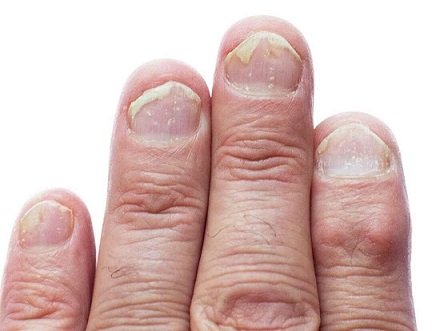
Psoriasis is a chronic autoimmune disease that results in a rapid building up of skin cells, that then develop into scaly patches on the skin. One thing to note about this is that Psoriasis is an autoimmune disease, where the immune system attacks the body itself. Thus, some really common symptoms of Psoriasis are inflammation and redness of the skin around the scales, which sometimes even causes the skin to crack and bleed.
What is Psoriatic Arthritis?
Psoriatic Arthritis is the condition of Arthritis combined with the skin inflammation autoimmune disorder of Psoriasis. In simpler words, in Psoriatic Arthritis, the patient suffers from swollen, sore, and painful joints, with a buildup of inflamed patches of scale on the skin.
What is Connection Between Psoriasis and Psoriatic Arthritis?
The inference that can be drawn from knowing both the diseases is that Psoriatic Arthritis never happens without the onset of Psoriasis. In about 30 to 33% of cases of patients suffering from Psoriasis, the condition eventually also develops into Psoriatic Arthritis. In other words, it can be said Psoriatic Arthritis is a condition that develops alongside Psoriasis.
As to why Psoriasis develops into Psoriatic Arthritis, it can be understood that both the conditions are caused due to underlying immune system problems. While the immune system overloads the body with rapid production of skin cell, the same problem can cause the inflammation of the joints, causing arthritis. However, since both the conditions have their own set of distinct symptoms, researchers have often called Psoriatic Arthritis a disease inside of a disease.

As mentioned above, because of their chronic nature, the symptoms related to both the diseases cannot be eliminated altogether. However, a certain set of lifestyle changes can go a long way in reducing the chances of the conditions flaring out of control and worsen with time, ensuring that the patient can live a happy and healthy lifestyle. For any help in the case of any of these diseases, Medipulse, the top private hospital in Jodhpur, is always at your service. Visit the experts on Arthritis and other autoimmune diseases at Medipulse, where you get world-class services and assured treatment of your conditions.


What Binge Eating Does To The Body And How Not To Overeat This Diwali
Festivals are a means for families and friends to come together and celebrate in unison. This festival of lights is celebrated with a lot of love and enthusiasm in different ways, involving a lot of food. Indian
Festivals are a means for families and friends to come together and celebrate in unison. This festival of lights is celebrated with a lot of love and enthusiasm in different ways, involving a lot of food. Indian festivals aren’t really complete without the involvement of at least a dozen varieties in food, with at least a dozen kinds of sweets for the festivities. And in these times, the tendency to overeat often takes over.
Winding up with a full belly with a little soreness is often the aftermath of overeating, and can be dealt with. However, binge eating as a habit can get seriously out of hands, resulting in health problems and conditions that stay with a person for the rest of his/her life. So what happens when a person overeats? And how harmful is that? Can it be avoided this Diwali? This article discusses it all.

What Overeating Does to the Body?
Overeating is a process that takes effect slowly and in parts. The ill-effects of overeating go far and beyond an excess of calories in the body and can be understood with these simple points.
● Overeating expands the stomach beyond its standard size, causing extra pressure on the surrounding organs. This pressure causes the feeling of discomfort in people, with the additional feeling of lethargy and drowsiness.
● Overeating also forces other organs to work harder, secreting extra hormones and enzymes.
● Overeating may result in stomach acid to back up and enter the esophagus, causing heartburn.
● It can also result in the formation of gas, causing high levels of discomfort.
● Overeating may also put the metabolism in hyperdrive to digest all the extra food, leaving the person feeling suddenly hot, sweaty, and even dizzy.
How Harmful is Overeating?
Aside from all the above temporary harmful effects, overeating has been known to cause more profound and graver health problems in people. A human body functions typically by using certain calories to perform a certain set of actions, and stores the excess in the form of fat.
An excess of this fat then begins to collect in several different places in the body, causing what is commonly known as obesity. Research and studies from all around the world have long stated that obesity is the most common risk factor for various chronic conditions like heart problems and cancer. The enzymes that break down food to provide energy to the body are available in limited amounts, which means that overeating also causes pressure on the glands of the body as they have to overwork to digest the extra food or store it up as fat.
Another harmful effect of overeating is that it impacts the circadian clock or the biological clock of the body, causing erratic rises and falls in the sleep and hunger levels throughout the day.
How to Avoid Overeating During Diwali?
Diwali is the most awaited festival in the country, but can easily become a drastic development instead of a pompous time, something that can take months, years, or even lifetime of corrective measures to undo, restrain, or regulate. A few simple steps can go a long way in avoiding overeating and must be included as an important part of life.
● Eat-in moderate amounts
● Avoid skipping any meal
● Choose healthy over unhealthy, like dry fruits instead of sweets
● Avoid sugar-rich drinks
● Choose fresh food over stored food or food which uses preservatives
● Eating slowly is a good habit
● Include a good amount of physical activity
While celebrations are a necessary part of everyone’s life, overeating should certainly not be. And to create a habit out of it is certainly not good for the body. Celebrating responsibly is the only way forward, be it fireworks, restricted use of water, or even eating.
To enjoy festivals worry-free and in full fervor, it is always advisable to get a full-body checkup from the best hospital in Jodhpur. Medipulse Hospital is offering many exclusive preventive health care packages at affordable costs. With an expert staff that provides world-class medical services, we urge you to take care of the celebrations while being responsible, while we will take care of your health.

How Effective Is Vegan Diet For Cancer Patients
Cancer is one of the major threats to human health in the current time. Characterized by the uncontrolled growth of abnormal cells in the human body, cancer creates tumour tissue that affects the growth of other healthy cells by hijacking their nutrition. Cancer cells can also travel to other parts of the body and create tumours, facilitating the overall growth of cancer in the body. One of the most concerning factors about cancer, however, is the increasing incidence rate of the diseases in the current world.
Cancer is one of the major threats to human health in the current time. Characterized by the uncontrolled growth of abnormal cells in the human body, cancer creates tumour tissue that affects the growth of other healthy cells by hijacking their nutrition. Cancer cells can also travel to other parts of the body and create tumours, facilitating the overall growth of cancer in the body. One of the most concerning factors about cancer, however, is the increasing incidence rate of the diseases in the current world.
A study showed a stark difference in the percentage of people at risk of cancer in between 2 generations. Between people born after 1930 and after 1960, the lifetime risk of developing cancer increased for men from 38.5 to 53.5 respectively, and for women, it went from 36.7 to 47.5, respectively. This means that half the people under the age of 65 right now are at a risk of developing cancer at least once in their life. Corroborating with this change is the fact that diet of people has changed drastically during this period. The patterns of eating have changed significantly among this population. So is there a direct correlation between cancer and diet & lifestyle?

Understanding Lifestyle and Cancer
The most common thing that is seen in patients is that a certain change in lifestyle takes place during and after treatment. There are a number of research projects taken up by some of the leading and renowned medical institutions around the world that underline a number of important findings towards cancer in the world. A few of them are the following:
● Animal product consumption has been a major reason for the increase of at least 12 types of cancer in the world. This is because over consumption of animal products like meat and dairy can cause an increase in production of insulin, insulin-like growth factor, and sex hormones, all of which are strongly linked with the risk of cancer.
● Cooking meat at high temperatures produces a variety of carcinogenic compounds that are then directly consumed by humans.
● Environmental pollutants, especially the ones that can cause cancer are abundantly present in animal products. The reason being, these pollutants accumulate on the tissues and then spread throughout the body, irrespective of the body belonging to a dairy animal or a human.
● Including fruits, vegetables, and legumes into the diet brings in more antioxidants and fibre, both of which are known to be essential in not only reducing the risk of incidence in high-risk cases but also help in fighting cancer itself.
While the world has traditionally been divided into 2 schools of thought (vegetarian and non-vegetarian), the idea of the 3rd way of living life came into existence; Veganism.
Is Vegan Diet Helpful in Cancer?
The main concept of a vegan diet is abstaining from the consumption of any animal products. Be it meat or dairy products, veganism is all about abstaining from both in order to be fully free of anything that comes from or is obtained from animals. In doing so, the food begins to be including more of “cancer-fighting” elements, like berries, greens, whole grains, nuts, and seeds.
To support the argument, a research conducted in the year 2014 concluded that out of the 60,000 people under observation, the 2,246 vegans had a 19% lower chances of cancer incidence, even when personal differences like age, gender, and body-mass index were taken into consideration. So in all manners of this argument, the final conclusion that has been drawn by a number of studies and personal experiences is that not only vegan diet can help in reducing the risk of cancer incidence, but also can go a long way in ensuring that a cancer patient can live happily after diagnosis and during treatment.
All this goes in hand with the common knowledge that the leading cause of cancer in this world, more than any other factor, is genetics. A healthy lifestyle and proper dietary habits can significantly reduce cancer incidence in people at high risk of cancer as per their genetics. For the best opinion on this, talk to the best cancer doctor in jodhpur , Dr Vinay Vyas at Medipulse Hospital. Dr Vinay is the Senior Consultant at the Department of Oncology at Medipulse Hosital Jodhpur. Schedule an appointment or visit for the best consultation on cancer.

7 Evidence-Based Ways To Prevent Cardiovascular Diseases
For years, medical researchers have been stating that heart and cardiovascular diseases are the leading cause of death in the world. Not only that; but heart diseases have also been the leading cause of disability and paralysis in the world. With an open war front against heart diseases, the world is slowly moving towards living a healthy lifestyle and ensuring that issues like these do not become the cause of a person’s happiness disappearing into medical bills.
For years, medical researchers have been stating that heart and cardiovascular diseases are the leading cause of death in the world. Not only that; but heart diseases have also been the leading cause of disability and paralysis in the world. With an open war front against heart diseases, the world is slowly moving towards living a healthy lifestyle and ensuring that issues like these do not become the cause of a person’s happiness disappearing into medical bills.
This is why one of the best ways to save someone’s life and save the money that goes into treatment costs and medicines is to prevent heart diseases from occurring in the first place. So here are 9 effective prevention and control factors for cardiovascular diseases that are based in research.

How to Prevent Cardiovascular Diseases Through Lifestyle Changes?
● Avoid Smoking and Tobacco: Smoking tobacco or using smokeless tobacco is the worst thing that a heart can be put through. Even for people who do not smoke, secondhand smoke can be a pain point. The chemicals in tobacco can be a serious risk factor towards the heart and the blood vessels.
● Activity: Regular physical activity on a daily basis can significantly reduce the risk of not only cardiovascular diseases but also a number of other conditions that may result from or may be the cause of heart diseases as well. Aiming for at least 30 to 60 minutes of physical activity can go a long way in maintaining the health of the heart.
● Eating Healthy: The body requires a certain amount of nutrients every day which are transported through the bloodstream to different parts of the body. While some foods like vegetables, fruits, beans, lean meats, fish, whole grain, and low-fat dairy and oils are proven to be great for the heart, an increased intake of salt, sugar, processed carbohydrates, alcohol, and saturated fat can deal huge damages to the heart and the body.
● Weight Management: Being overweight is the leading cause of heart diseases in the world. Obesity often comes with several other problems like high blood pressure, high cholesterol, and type 2 diabetes; these are often the biggest cause of cardiovascular diseases.
● Sleep Management: Sleeping less than required has bigger problems than just making a person yawn through-out the day. Lack of sleep can cause a number of issues, which also includes heart attacks. Adults need at least 7 hours of sleep every day to function properly. However, if a person who gets enough sleep and still feels tired through the day, he/she must immediately see a doctor for sleep apnea, which is also a cause of cardiovascular diseases, as it caused excessive pressure on the heart.
● Stress Management: Stress is when the body’s systems cannot cope up with the demands that are being put up against it, be it physical, mental, or emotional. And the easiest method people tend to cope up with stress is by developing harmful habits like overeating, drinking, or smoking, all of which are leading causes of heart diseases.
● Blood Pressure: Blood pressure is the amount of force that the blood exerts on the walls of the blood vessels in the body. A high blood pressure can put the person at a higher risk of cardiovascular diseases as the heart has to work extra to pump the blood through the body.
With heart diseases becoming more common by the day, especially inflicting young individuals in their prime, the need of the hour has shifted towards creating a better and healthier lifestyle. For maintaining your health as you go about your life, consult an expert cardiologist in Jodhpur at Medipulse Hospital. Live your life to the fullest without letting the risk of heart diseases anywhere near you, as you make the choice about how you want to live with Medipulse.

Hole In The Heart: Know The Diagnosis and Right Treatment
The heart is the powerhouse of the entire body, pumping blood into every cell of the body. Even the slightest problem in the heart can lead to significant repercussions resonating throughout the body.
The heart is the powerhouse of the entire body, pumping blood into every cell of the body. Even the slightest problem in the heart can lead to significant repercussions resonating throughout the body. But what if a person is born with a defect in their heart, like a hole in the heart?
A Septal defect is a congenital condition, present in the person at the time of his birth. A hole in the heart is known to impede the natural working of a human heart by altering the blood flow inside the heart. How does it function and what treatments are available for filling up the hole? Here is an article that addresses the congenital condition of septal defects or hole in the heart.

The Heart and The Hole
A human heart has two chambers where the right chamber receives oxygen-deficient blood, which is then transferred to the lungs. The lungs transport oxygen-rich to the left chamber, which then sends it out to the rest of the body. The wall that divides these two chambers is called the septum, which prevents the mixing of blood between the two sides of the heart.
The chambers are then further divided into two parts each, where the upper one is called the atrium, and the lower one is called ventricle. This information is essential to understand the complications a hole in the heart can create.
A small number of babies are born with a hole in the septum wall of their heart which allows the mixing of oxygen-poor and oxygen rich blood, sending oxygen-rich blood to the lungs, and oxygen-deficient blood to the body. As a result, children, and sometimes adults can develop dangerous conditions like shortness of breath, fatigue, swelling in legs, feet, and abdomen, skipped beats, and stroke.
When this hole happens in the upper septum wall, it is called an Atrial Septal Defect (ASD), while when the hole is present in the lower septum wall, it is called a Ventricular Septal Defect (VSD).
Symptoms of a Hole in the Heart
In several cases of an Atrial Septal Defect, the symptoms are either not very evident or are physically absent. However, when they do occur, a heart 'murmur' is the most common symptom. Other symptoms include:
● Fatigue
● Short Breath
● Swelling in the feet, ankles, legs, and abdomen
● A buildup of blood and fluid in the lungs, feet, ankles, and legs.
For Ventricular Septal Defect, a murmur is the only symptom of a hole in the heart.
Diagnosis of Septal Defect
Symptoms, as mentioned above, are definite signs that there is something wrong with a person's heart. In many cases of ASD, the symptoms do not show up until the age of 30 as well. This delays the diagnosis process in most cases. In cases of a VSD, the heartbeat has a distinct murmur that is heard through the stethoscope but does not happen until the baby turns at least 6 to 8 weeks old. Here is how doctors diagnose a hole in the heart.
● Echocardiography: A painless device that uses soundwaves to create an image of the heart.
● EKG: A device that records the heart’s electrical activity.
● Chest X-Ray: X-rays take pictures of the inside of a person’s body, revealing any kind of discrepancy.
● Pulse Oximetry: It is a device that calculates the amount of oxygen in the blood.
● Cardiac Catheterization: A small flexible tube is inserted into the veins through an arm, groin, or neck, and is then threaded to the heart. A dye is then added to the blood flow, which is monitored by the doctors for any abnormal flow.
Treating the Hole in The Heart
Most of the septal defects do not actually require treatment as they heal on their own in childhood or well into adulthood. However, medium-sized and large holes do require treatment as they can be the cause of heart failure and other cardiac conditions. There are two kinds of treatments available:
Open Heart Surgery: The cardiologist opens up the chest cavity and repairs the cavity with a special patch. The child is kept on a heart and lung bypass surgery during the operation to allow cutting into their heart. The patient is discharged 3 to 4 days after the surgery.
Catheter Procedure: A catheter is entered through a vein in the groin and threaded up to the heart. Inside the catheter is an umbrella-like device which is placed onto the hole to block it up. The tissues grow over the device within 6 months, with no need to remove it as the child grows.

These procedures have a high rate of success and ensure that a child goes on to live a happy, active, and comfortable life. As far as the cause is concerned, doctors are not really sure what causes congenital heart defects. However, if there is any question that you need, then visit the best Dr. Himanshu Tyagi overlooking the Department of Paediatric Cardiology at Medipulse Hospital, Jodhpur.
Tertiary Care: A Promise Of Life For Polytrauma Patients
Research studies have found that a majority of trauma deaths occur during the prehospital period due to insufficient care. It is, therefore, essential to assess the severity of the injury quickly and accurately.
Trauma is increasingly becoming a cause of morbidity and mortality in India. Incidents like road traffic accidents, fall from a height, occupational injuries, violence, and assaults lead to severest of trauma and polytrauma cases. Research studies have found that a majority of trauma deaths occur during the prehospital period due to insufficient care. It is, therefore, essential to assess the severity of the injury quickly and accurately.
Polytrauma and Associated Complications
Besides death, trauma, or polytrauma in patients is responsible for wide-ranging consequences that can affect an individual’s life considerably. For instance, severe injuries can result in significant financial losses, permanent deformities, and dysfunction, if prompt surgical intervention is not carried out. The role of advanced care is, therefore, of utmost importance in such cases.
Tertiary Care Units
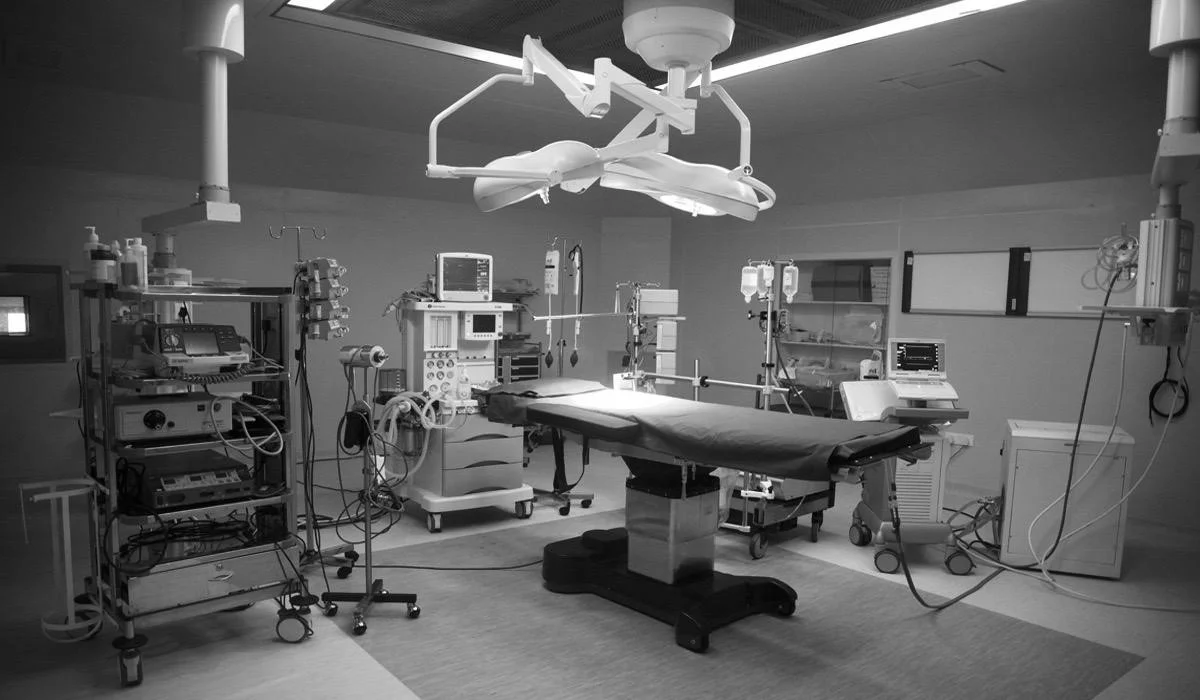
Tertiary care unit refers to the third level of health system wherein specialized healthcare is provided. Specialized intensive care units, specialized medical personnel, advanced diagnostic support services, etc., are the key features of tertiary health care.
The Role of Tertiary Care in Polytrauma Cases
According to a study, in northern India alone, tertiary care centers receive approximately 6-7 patients with polytrauma every day. Out of these, some come directly while many are referred by primary and secondary care units.
The reason for admitting polytrauma patients in tertiary care is that it provides high-quality treatment. Working on the principles of "Time is the essence,” these care units manage the trauma cases at the earliest. As soon as the patient enters the hospital, he is attended by a team of specialists.
The tertiary care units have an organized polytrauma team and well-defined standards of operating procedure, which eventually lead to high-class treatment and faster recovery of the patients.

In an advanced tertiary care centre like ours, the teams working in the emergency department are highly specialized. Medipulse, one of the top private hospitals in Jodhpur, understands that the needs of every polytrauma patient are different; hence, after initial resuscitation, trauma cases are managed by higher specialty departments such as cardiothoracic surgery, spine surgery, plastic surgery, etc.