
Trans-Radial and Trans-Femoral Approach for Angioplasty
Medicine and healthcare are the sectors that have largely benefitted with the advancement in technology. Technology has not only improved the quality of results in the field but has also accelerated the growth. There are millions of research and development programs undergoing to discover a breakthrough technology that would improve the quality of people’s life. One such discovery that has become a frontier in treatment is Angioplasty.
Medicine and healthcare are the sectors that have largely benefitted with the advancement in technology. Technology has not only improved the quality of results in the field but has also accelerated the growth. There are millions of research and development programs undergoing to discover a breakthrough technology that would improve the quality of people’s life. One such discovery that has become a frontier in treatment is Angioplasty.
In Angioplasty, a catheter is threaded through a blood vessel to the site of the blockage, which leaves the blood vessel open. The catheter has a balloon attached which expands once inside, pushing the material away. The balloon is then deflated, and the catheter is removed. This procedure requires small incision either in the groin or wrist, causing minimal invasion.
There are two approaches to perform Angioplasty: Radial Angioplasty and Femoral Angioplasty. Let's study them in detail:
Femoral Angioplasty
Traditionally, Angioplasty was performed by making a small incision in the groin area. The catheter is inserted in the femoral artery, i.e., the artery supplying the leg.
Radio Angioplasty
A recent development, wherein the incision is made in the wrist. The catheter is inserted in the artery supplying the hand. It has become one of the most frequently used routes.
Even though angiography is performed to determine the most suitable treatment option for the patient, Radial angioplasty is preferred widely as it has proved to be a safer and more convenient option in most cases.

Trans Radial Angioplasty over Trans Femoral Angioplasty?
Femoral Angioplasty has a long history of success, and as it is a traditional method of performing the surgery, more doctors are trained in this procedure. Moreover, this procedure is highly suggested to patients with extensive peripheral artery disease. However, the process entails the following:
The patient is required to stay flat for 4-6 hours.
There are high chances of bleeding and blood collection at the local site.
Chances of backache and difficulty in passing urine.
Advantages of Radial Angioplasty:
Less discomfort and reduced risk of bleeding.
The patient can move around as soon as the effect of anesthesia vanishes.
The patient is allowed to eat and drink after the procedure.
Reduced hospital stay.
With numerous benefits to offer, the trans-radial approach has become a first-choice approach for many doctors and patients alike.
With the advent of hardware and technology in the coming years, the medical industry is going to witness and welcome simpler and safer interventions. Incorporating the latest technology and medical equipment to provide quality treatment and care to the patients, Medipulse has been ranked as the top private hospital in Jodhpur. Headed by one of the best cardiologists in Jodhpur, Dr. Vineet Jain, the cardiology department ensures the best possible treatment of the patient.
Life Before And After Dialysis Begins
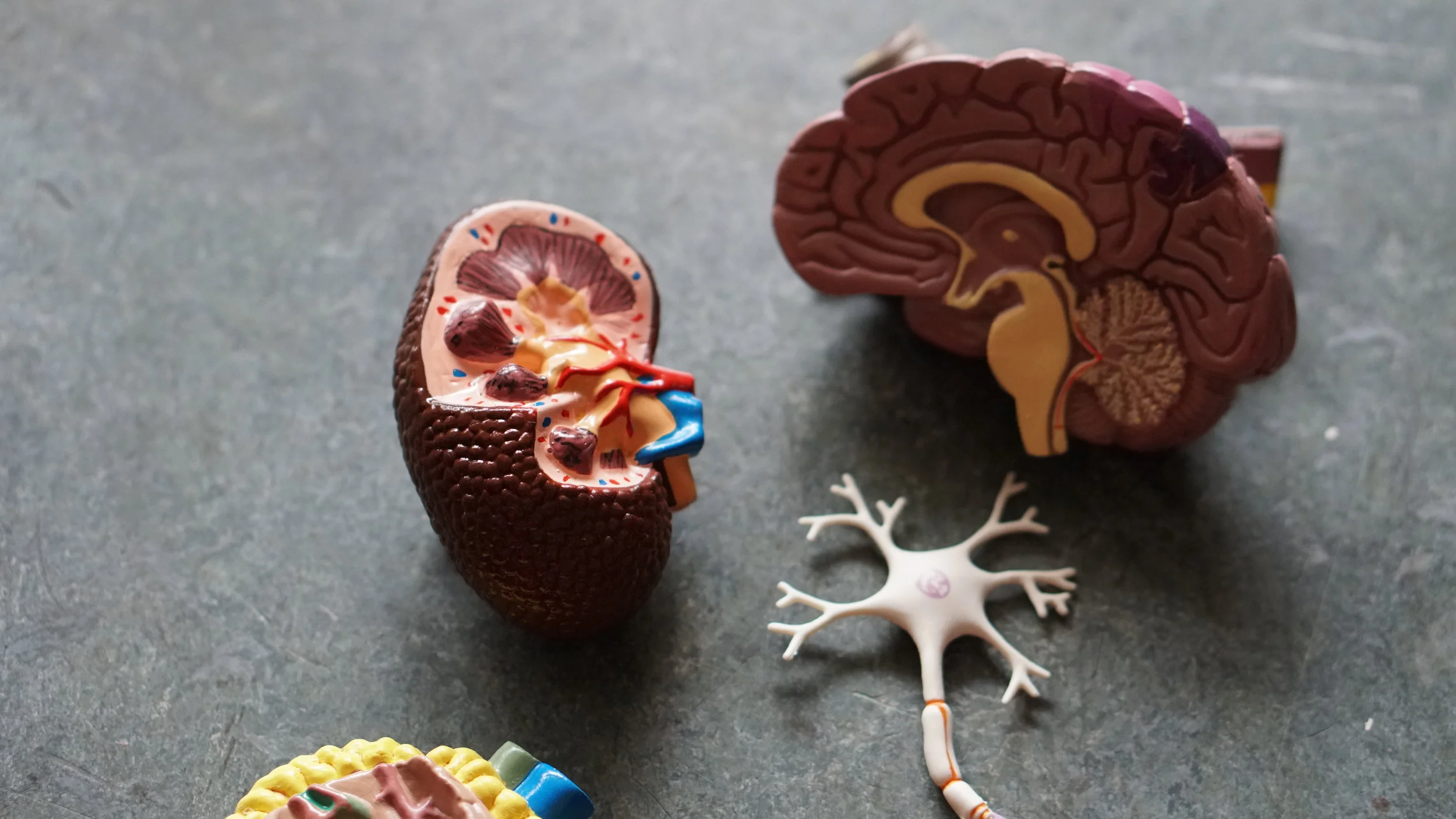
The human kidneys are two bean-shaped organs that are located in the belly region, right under the rib cage and diaphragm. Located one on each side of the spine, the kidneys' primary function is to remove the waste and extra fluid that the body accumulates during the day to day functioning. Apart from this, the kidneys also maintain healthy blood pressure, keep the bones strong, maintain proper mineral levels, and produce the hormone that promotes the formation of red blood cells. But what happens when the Kidney loses its ability to function due to an illness or injury?
The human kidneys are two bean-shaped organs that are located in the belly region, right under the rib cage and diaphragm. Located one on each side of the spine, the kidneys' primary function is to remove the waste and extra fluid that the body accumulates during the day to day functioning. Apart from this, the kidneys also maintain healthy blood pressure, keep the bones strong, maintain proper mineral levels, and produce the hormone that promotes the formation of red blood cells. But what happens when the Kidney loses its ability to function due to an illness or injury?
An extreme condition in this scenario is referred to as Kidney failure and is potentially dangerous for the body. Marked by symptoms like nausea, vomiting, swelling, or fatigue, acute kidney failure can hamper daily body functions. This is where Kidney dialysis comes into the picture, wherein it performs the functions that kidneys can no longer perform.

What is Dialysis?
Dialysis is a form of treatment that takes over the normal functioning of the Kidney when the organ ceases or depletes in its working. There are usually 2 ways that Dialysis can be performed.
● Hemodialysis: When the blood is filtered outside the body using a Dialysis Machine and is then returned to the body. The process can be done at a facility or at home.
● Peritoneal Dialysis: The blood is cleaned inside the body by introducing a special fluid in the abdominal cavity. After cleaning the blood, the fluid is drained out.
What Should a Patient Know Before Dialysis?
Dialysis is a life changer for patients as the frequency of cleaning the blood through hemodialysis is '5 to 7 times a week'. For better understanding, patients can realize that while an active kidney works the whole day, a dialysis machine cannot be connected to a person the entire while to purify. That is why such a frequency of dialysis is required to keep the body healthy and in working condition.
A patient can always make the decision of whether he/she wants to make visits to the center for dialysis or wants to get it done at home. Not only does it require dietary changes, but it also demands conscious changes in our day to day functioning. It is also advised to the patients to get medical insurance before the beginning of Dialysis and to remember to maintain a work-life afterward as it is important for recovery.
After Dialysis Begins
Dialysis, as a procedure, is not a one-time, one-off short treatment option for people suffering from Kidney Failure. In one sitting, dialysis can range from about a couple of hours (at home, daily) to about 5 hours (in clinics, 5 times a week).
Before the beginning of Dialysis, the doctors surgically implant a device to easily reach our bloodstream. This is either done by creating a fistula (Joint Artery and Vein in Arm), a graft (Joint artery and vein with a tube), or a catheter (a thin tube in the vein of the neck). For performing dialysis, these sites receive two tubes to allow the blood to pass through the dialysis machine and back into the body. The patient is asked to wear comfortable clothing and is advised to fast for a considerable amount of time before the treatment.

It is generally a painless procedure. However, patients are always advised to talk to a doctor immediately if there is any pain during the treatment. There will be side effects of the treatment like nausea, vomiting, dry or itchy skin, muscle cramps, and fatigue, but these can be kept in check by making small adjustments to diet and water intake for the patient, with proper emphasis on salt and protein. A piece of great advice to Dialysis patients is to stop the use of alcohol, smoking, and drugs that can harm their kidneys further. The patient is also advised to limit their intake of potassium, phosphorus, sodium, and any form of liquid.
Kidney Dialysis is not the end of life, in fact, it is the road towards a better life. Therefore, we must make sure we are taking care of ourselves in all aspects to maintain quality of life. Keeping the spirits high and indulging in work is the best way to ensure normalcy.
Understanding your medical needs, we, at Medipulse, are equipped to provide you quality treatment and care, keeping all your worries at bay. Ranked as the best private hospital in Jodhpur, our Nephrology department is housed with the latest technology and equipment to provide a range of treatments from Dialysis to Transplant, etc. Our Nephrology Department is led under the expert guidance of Dr. Mayank Jain. Visit the department for consultancy and other information.

Prevalence of Cardiovascular Disease in Diabetic Patients
Inside the human body, the various systems that keep a person alive are interdependent on each other to carry out their functions. But quite often, we witness situations that cause the failure or shortcoming of one of these organs, causing the other to fail as well. This concept sits at the very core of Diabetes, a condition in which the body’s ability to maintain glucose levels (or blood sugar levels) fails.
Inside the human body, the various systems that keep a person alive are interdependent on each other to carry out their functions. But quite often, we witness situations that cause the failure or shortcoming of one of these organs, causing the other to fail as well. This concept sits at the very core of Diabetes, a condition in which the body’s ability to maintain glucose levels (or blood sugar levels) fails.
Diabetes is caused when the body cannot make enough insulin or does not make optimal use of available insulin, a hormone that turns glucose into usable energy for the cells of the human body. As dangerous as diabetes may seem for the body, it opens the doors of a patient’s body to something much worse; cardiovascular diseases.

Are Diabetes and Cardiovascular Diseases Related?
Yes, Diabetes and Cardiovascular Diseases are related in more profound ways. Heart diseases are caused by narrowing or blockage of blood vessels in essential regions of the heart and chest cavity. If it gets delayed, it leads to heart attacks, chest pains, and strokes. With blood glucose levels rising due to diabetes, the damage to blood vessels and nerves goes into hyperdrive. The longer a person has had diabetes, the chances of developing cardiovascular diseases increase rapidly.
Consider these stats from around the world:
● 68% of diabetic patients above the age of 65 die because of some form of heart disease, out of which, about 16% die of stroke.
● Diabetic adults are 200% to 400% more likely to contract heart diseases than non-diabetic adults.
● A premier world organization for cardiac health considers diabetes as one of the top 7 causes or factors of Cardiovascular diseases.
Why People With Diabetes Have Higher Risk of Heart Diseases?
Diabetes is a condition that can significantly affect the overall health of a person's heart and circulatory system if it’s in full swing. Even though it can be controlled to the limit that it can become almost dormant, however, its very nature is quite dangerous for other vital organs of our body. Excessive blood sugar levels in type 2 diabetes accelerate the damage to the heart in the following way.
● High Blood Pressure: High blood pressure (hypertension) and diabetes, collaboratively, provide severe damage to the heart. This is simply because hypertension puts abnormally high pressure on the walls of the blood vessels, and diabetes works to damage the walls of the vessels.
● Bad Lipid Profile: Diabetes instantly causes the level of bad cholesterol (LDL), and triglycerides shoot up, while the good cholesterol (HDL) levels take a sudden dip. These conditions perfectly replicate the early symptoms of heart diseases.
● Obesity: Insulin resistance has a strong link to obesity in humans, which in turn also is one of the major contributing factors in the development of heart diseases.
● Sedentary Lifestyle: One of the major risk factors for both diabetes and cardiovascular diseases, is physical inactivity. With proper and timely exercising, a person can reduce the chances, delay, and even prevent conditions like diabetes, high blood pressure, and heart attacks.
● Abnormal (High) Blood Sugar Levels: Diabetes increases blood sugar level to dangerous levels, which in turn, harm the heart and kidneys to irreparable extents.
● Smoking: Smoking, in general, is a risk factor for the human body, especially to diabetic patients. It makes our body resistant to insulin, leading to higher blood sugar level. Such dangerous sugar level in our body warrants extreme problems for many organs, including the heart.
How to Stop Diabetes From Giving You a Heart Attack?

The simplest way is to manage the ABCSs in a person.
● A for A1C test: the A1C test shows the average blood sugar levels over the last 3 months, which is a different measure than the daily sugar level checks. The goal is to keep this level below 7 percent.
● B for Blood Pressure: A high blood pressure makes the person’s heart work harder to keep the blood pumping, which can harm a lot of other organs, alongside the blood vessels.
● C for Cholesterol: Reducing bad cholesterol levels and getting more good cholesterol in the system will keep the blood vessels healthy.
● S for Stress and Smoking: Smoking and Stress are the two biggest risk and contributing factors in taking a person’s diabetes to cardiovascular disease levels.
Diabetes is definitely a condition that can escalate even the simplest of problems to catastrophic levels. That is why, for even the simplest of symptoms, make sure that you take care of your cardiac health by visiting the best heart specialist hospital in Jodhpur, Medipulse. With the team of expert doctors always monitoring the situations, Medipulse is where you can get the best care for your heart. Visit now for a consultation and to secure your heart better.

Common Symptoms of Congenital Heart Disease
Congenital heart diseases can risk the physical and cognitive development of a child. Doctors believe CHD occurs during the early stages of pregnancy and its symptoms in infants are difficult to understand. Read this blog to know about some early symptoms and signs of birth-related heart diseases
Congenital Heart Defects (CHDs) is one of the most common birth anomalies in newborns. As per an estimate, every year, nearly 200,000 children are born with congenital heart disease in India. However, not all CHD are life-threatening, and with timely diagnosis and care, parents can ensure a healthy and normal life for their children.
Congenital heart diseases are primarily classified into two types i.e., Cyanotic and Acyanotic CHD. In Cyanotic CHD, the heart starts circulating oxygen-deficient blood to other parts of the body. Lower than normal oxygen levels in the blood turn the skin bluish or purplish. Contrary to this, Acyanotic CHD blocks blood flow from the left side to the right side of the heart. In the worst of cases, acyanotic CHD can damage atrial or ventricular walls, heart valves, or large blood vessels.
CHD symptoms may appear soon after birth or during the later stages of childhood. Though not all cases are life-threatening, CHD can lead to major complications in the heart walls, valves, and blood vessels during later stages of life. With timely diagnosis and effective lifestyle changes, children with CHD can easily lead a healthy normal life. Early diagnosis plays a crucial role in timely CHD treatment and care. In this blog, we share some common symptoms of congenital heart defects in infants, children, and adults.
Congenital Heart Disease Symptoms

They are no particular symptoms for heart-related problems from birth. In fact, at times, individuals find out about their heart-related anomalies much later during adulthood. Heart care specialists suggest that shortness of breath or fatigue during physical activity without any specific reason can be signs of congenital heart diseases. Usually, doctors suggest diagnosis like chest X-ray or ECG to confirm CHD. Other than sudden fatigue and breathlessness, few other symptoms can indicate heart anomalies in newborns and children. These include:
● Trouble in breathing.
● Loss of appetite or difficulty in feeding.
● The bluish or pale gray color of lips, skin, fingers, and toes.
● Lower than normal weight during birth or infancy.
● Complaints of chest pain.
● Slower or delayed growth.
In any of the above cases, parents must proactively consult a doctor as early diagnosis of CHD is essential for ensuring fewer complications in the long term. Further, for adults who are carrying congenital heart diseases, the following symptoms necessitate an immediate visit to the doctor.
● Sudden abnormal heartbeats coupled difficulty in breathing.
● Feeling dizzy or unsteady without any good reason.
● Swelling of body tissue or organs (edema).
A Few Words For Parents
It is normal to be disheartened to find out that your child has congenital heart disease, but as a parent, you should know that proper care and a healthy lifestyle can significantly reduce CHD related complications. In critical cases, surgery has proved effective in ensuring a healthy and normal heartbeat for children with CHD. Medipulse has conducted several pediatric cardiac surgeries and intervention procedures with near 100% success rate. The department is led by highly renowned and reputed pediatric cardiologist Dr. Himanshu, along with other team of experts. Together with their expertise, they have helped children and adults with CHD live a happy and healthy life.

Why should you opt for Off-pump bypass surgery?
Off-pump coronary surgery is gaining widespread acceptance and has entered in the mainstream clinical practices. The advantages of off-pump surgery have led to an increase in the proportion of surgeons accepting the method worldwide. Know what benefit it offers to patients and why they should opt for the surgery.
In the last couple of decades, Coronary-Artery Bypass Grafting (CABG) or bypass surgery was performed with cardiopulmonary bypass or “on-pump.” A desire to improve the outcomes of surgery led to technological advances. These technological advances have made surgery on a beating heart possible and techniques to perform CABG without cardiopulmonary bypass (off-pump), were developed. The surgical instruments used in these kinds of surgery limit the motion only to the areas where the heart is being operated.

According to a study, approximately every 10 minutes, someone is undergoing off-pass bypass surgery somewhere. In this process, the surgeon removes a section of healthy artery from the healthy area of the body. The removed section, called graft, is then attached to the area of the heart above and below the blockage, restoring the normal blood flow. But, why one should opt for off-pump bypass surgery over on-pump surgery?
Improved Outcomes
A research study proved that off-pump bypass surgery improves outcome in high-risk patients compared to on-pump coronary artery bypass. The surgery has been found associated with a reduction in the odds of cerebral stroke and other related issues.
Excellent for High-Risk Patients
In high-risk patients, off-pump surgery must be strongly considered. Research studies have proved that certain people, for instance, with advanced atherosclerosis of the aorta, chronic lung disease, or kidney problems, are likely to receive more benefits. The surgeons mostly prefer off-pump for reduced risks for infection and lesser postoperative inflammation.
Improved Quality of Life
The off-pump surgery improves the physical and mental health components notably. While the metabolic needs of various organs and muscle tissues are higher in on-pump than in off-pump. The depression and anxiety scores also decrease significantly in off-pump techniques.
Lower Complications
As the off-pump technique is comparatively new, the complications are quite less. The complications like accelerated fibrinolysis, renal impairment, coagulopathies associated with platelet dysfunction, etc., can be avoided or at least reduced largely. Besides, the surgery also has reduced morbidity or mortality rate.
Indeed, off-pump surgery is more beneficial than the conventional bypass surgery. However, an expert healthcare provider must be considered for undergoing such surgeries to avoid risks. Medipulse houses experienced doctors and have a world-class infrastructure for performing these surgeries. Dr. Rajeev Gehlot , the most renowned heart specialist in Jodhpur, heads the department of cardiothoracic and vascular surgery. His expertise and precision have made numerous heart surgeries successful in Rajasthan.

Painless Delivery Is Now A Possibility
With modern abilities of technology; delivery has become painless. As an expectant mother, you deserve to get the support that helps you approach with confidence!
The new mom-to-be certainly experiences a mixed feeling of both excitement and anxiety. The anxiety increases as one reaches closer and closer to the due date. On a severity scale of 1 to 10, most women usually feel the pain ranging from 8 to 10. The pain can become unbearable, especially for women going through their first pregnancy. Some women go for c-section just because of the fear of labour pain.
With the latest developments and recent interventions, gone are the days where women used to suffer from extreme discomfort and severe pain. Advancements in medical science have made painless delivery a reality now.
How Does It Work?
Painless delivery is just a normal vaginal delivery without pain. It is achieved through administrating anaesthesia called epidural.
Firstly, local anaesthesia is injected to numb the region. A thin catheter is then inserted via a needle into the epidural area to deliver epidural in that specific region. In general conditions, an epidural takes 10 minutes to get placed in the body and another additional 10-15 minutes to work.
Epidurals basically interfere with the hormones and inhibit beta-endorphin production, providing effective pain relief. The lower limbs and the pelvis receive a strong yet small enough anaesthesia to feel contractions and be aware of the birth.
Who can have an Epidural?
All pregnant women can undergo delivery using this method. In addition, it is especially recommended for those who are having:
● Complicated or prolonged labour
● Certain medical condition like hypertension
● Vaginal birth after caesarean section
However, women who are on blood-thinning drugs, have bleeding disorders, certain neurological disorders, or who have had lower back surgery must discuss the process with an obstetrician.
Benefits of Epidural
This method is beneficial when all other types of coping mechanism are no longer helpful in dealing with fatigue, irritability, and exhaustion. Besides, the benefits include:
● It provides relief to pregnant women and provides enough strength to move forward as an active mother in birthing.
● The method prevents damage of pelvic muscles that may be the case in a standard delivery.
● The duration of childbirth also reduces with this method.
● It becomes easier to perform c-section if needed in an emergency.
Temporary Side Effects/ Cons Associated With Epidural
● Epidurals may cause headaches, shivering, or dizziness
● Difficulty urinating
● Soreness in the region where the injection is given
However, these conditions fade away with time, and the surgery does not lead to any irreversible damage or side-effects. The method remains the most sought-after delivery method.
That being said, it is a method that guarantees comfortable labour. Additionally, being prepared about the whole procedure helps; therefore, you should seek the consultation of an expert. Medipulse, regarded as the best gynaecology hospital in Jodhpur, is widely-known for adopting advanced procedures in surgeries. If you or any of your relative wants a normal painless and stress-free delivery, then you can visit us. Our department of gynecology and obstetrics houses renowned and experienced gynecologists like Dr. Jai Shree Sharma, Dr. Pushpa Mathuria, and Dr. Mili Inania. Our painless procedures have brought joy to many mothers.

Timely Vs. Delayed Laparoscopic Cholecystectomy: Know The Benefits
Laparoscopic Cholecystectomy offers a welcoming relief from sudden and unbearable gallstone attacks. Also known as keyhole surgery, timely laparoscopic surgeries reduce the risks of gallstone complications significantly. Read this blog to know more.
Gallstones are solid particles that are formed in the gallbladder due to overproduction of cholesterol and bilirubin in the liver. In the past, gallstones were treated using open surgical procedures, which meant more extended hospitalization and recovery time for the patients. However, laparoscopic Cholecystectomy is a minimally invasive alternative for the treatment of Gallstones. With only a few minor incisions; single or multiple gallstones can now be removed within a few hours.
Gallstones Symptoms
Gallstones do not have any active symptoms, and initially, an individual may feel little or no discomfort. But if left untreated for long, gallstones can cause multiple complications including cholecystitis (gallbladder inflammation), jaundice, intense periodic pain in the abdomen, etc. Acute abdominal pain, high fever, yellowing of the skin, and eyes are seen as early signs of gallstones and must not be ignored.
Timely Vs. Delayed Laparoscopic Cholecystectomy
Laparoscopic Cholecystectomy has become the most preferred treatment for symptomatic gallstones. It is cost-effective, safe, and promises a better life for patients post-treatment. A surgeon will suggest ELC (early laparoscopic cholecystectomy) only upon confirmation that the inflammation does not obscure optimal view during surgery.
The first few days after gallstone diagnosis are usually considered as the best time for laparoscopic cholecystectomy. However, the time points for treating acute cholecystitis vary with inflammation. Even upon diagnosis, the treatment may be delayed to allow the inflammation or cholecystitis to subside. But this delay can cause a series of complications related to the liver and gallbladder. Let’s look at some of the key advantages that early LC offers over delayed LC.
1. Minimum Complications:
Early LC ensures that gallstones do not cause other major complications in the liver. In the worst of cases, gallstones become the reason for cancer of the gallbladder in patients. Early LC has helped significantly bring down mortality rates from acute cholecystitis or acute pancreatitis.
2. No GallBladder Attack:
With early LC, patients no longer need to suffer from prolonged excruciating abdominal pain. If LC is delayed, patients will have to bear with periodic intense pain, eventually leading to fever. A gallbladder attack can last for a few hours and can come anytime, anywhere.
3. Cost-Effective:
Early LC is cost-effective too. Gallstones can be removed within a few hours, and the patients can leave the hospital on the same day. In comparison to this, a delayed LC involves considerable visits, routine diagnosis, more extended hospitalization, and recovery time. In sharp contrast, early LC is not at all time consuming and extremely cost-effective.
When To See A Doctor?
Gallstone attack can last up to a few hours, and one must see a doctor at the first occurrence of uninvited and intense stomach/abdominal pain. Any pain in the right shoulder, upper, and central abdomen must not be ignored considering the multiple health issues associated with gallstones. The doctor will perform some routine diagnosis, including CT scan and blood tests to confirm gallstones.
Moreover, pregnant women, people suffering from obesity, people on cholesterol-lowering medications, and people over 60 years of age are at higher risk of gallstones. These individuals must be wary of symptoms like sudden fever, increased heart rate, nausea, fatigue, or confusion, and must visit the doctor for gallstone diagnosis.
The abdominal is one of the most critical regions in our body. It houses some of the most important organs that determine the overall well-being of our body. At Medipulse, we offer the most advanced Laparoscopic surgery for Gallbladders, appendices, and colons. Dr. Vivek Agarwal is the best Laparoscopic surgeon in Jodhpur. His expertise has helped hundreds of people in town.

Role of Physiotherapy in Knee Arthroscopy
The knee joint is one of the strongest joints in the human body. As our whole body weight is dependent on them, it is one of the most stressed joints. No wonder knee pain and other knee related conditions are a common problem, regardless of the age. When your doctor suggests you professional physiotherapy after your knee surgery/operation/arthroscopy, 'don't brush off his advice. Physiotherapy aids the rehabilitation process from knee arthroscopy. It contributes to improving our knee's range of motion, its strength, and overall function.

The knee joint is one of the strongest joints in the human body. As our whole body weight is dependent on them, it is one of the most stressed joints. No wonder knee pain and other knee related conditions are a common problem, regardless of the age. When your doctor suggests you professional physiotherapy after your knee surgery/operation/arthroscopy, 'don't brush off his advice. Physiotherapy aids the rehabilitation process from knee arthroscopy. It contributes to improving our knee's range of motion, its strength, and overall function.
'Let's understand what knee arthroscopy is and what role physiotherapy plays after arthroscopy:
What is Knee Arthroscopy?
Knee Arthroscopy is a surgical procedure used to treat problems in the knee joint. In this procedure, a small incision is made near the knee, through which an arthroscope is inserted inside. The camera fitted at one of the ends of arthroscope helps to diagnose the problem. Several conditions like a torn meniscus, misaligned patella, etc. can be treated through arthroscopy.

What is the Recovery after Knee Arthroscopy?
Though the surgery 'isn't very complicated, the invasive nature of the surgery warrants dedicated physical rehabilitation.
Besides the ice pack and dressing, physiotherapy is advised to help your knee recover. Physiotherapy from a professional physiotherapist is extremely important to restore the knee to its functionality.
Let's understand the role of physiotherapy and physiotherapist:
1. A physiotherapist brings with himself crutches wherein the patient is taught how to walk safely with them. This is done to avoid excess pressure and weight on the operated leg. Excess pressure may increase the pain and lead to swelling.
2. After the surgery, the knee may appear weaker; therefore, the exercise programme is curated to strengthen the muscles around the knee. It is advisable to indulge in exercise as soon as possible to avoid further complications.
3. Full range flexing exercises are suggested to improve the range of motion of the knee.
4. After two or three weeks, the exercise regime is changed into calf stretch, hamstring curls, lunges, steps, etc. to further strengthen muscles and restore functionality.
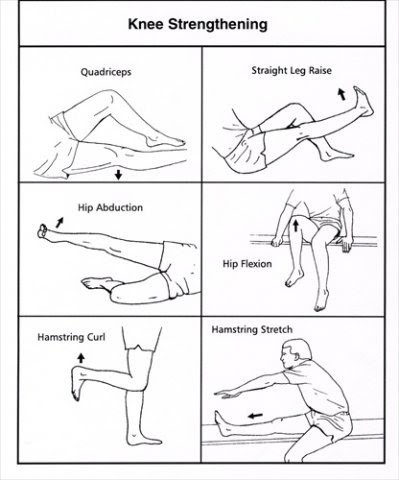
These strengthening exercises are aimed at building up your endurance. However, the training must be under the consultation of the doctor and physiotherapist. Not only does the physiotherapist assists on the exercise, but they also analyse the progress to introduce changes in the regime accordingly. They play the role of a personal trainer, counselor, etc. in this recovery process.

If you are suffering from any knee ailment or sports injury, then you must head to our Department of Arthroscopy and Department of Orthopedics. Led by the best orthopedic surgeon, Dr. Rahul Garg our department is well equipped to diagnose and treat complex knee joint related issues with ease. Head to Medipulse now and let us take care of all your worries!

Common Migraine Triggers and Ways to Deal with Them
Commonly occurring in every 1 out of 7 people around the world, migraine is categorized as a chronic disease. The sudden onset of a migraine can be a state of everlasting pounding headaches, confined rooms, cold towels, and restlessness. With triggers varying widely from patient to patient, migraine can be a confusing state. While the arrival of migraine seems sudden and unexpected, however the attack warrants many signs that we must acknowledge.

Commonly occurring in every 1 out of 7 people around the world, migraine is categorized as a chronic disease. The sudden onset of a migraine can be a state of everlasting pounding headaches, confined rooms, cold towels, and restlessness. With triggers varying widely from patient to patient, migraine can be a confusing state. While the arrival of migraine seems sudden and unexpected, however the attack warrants many signs that we must acknowledge.
To bring the pain down, one of the best things to do is to learn your personal triggers. Self-awareness and detailed knowledge can lead to proper management and preventive tools to reduce the effects of a migraine.
To effectively avoid future attacks, let’s take a step closer in managing this health issue; let’s understand a few common triggers and ways to deal with them:
1. STRESS
Migraine and Stress are directly proportional to each other. Any kind of Stress, whether anxiety, tension, etc. can vehemently welcome a migraine attack. It is believed that Stress is the trigger for almost 70% migraine attacks.
It is also associated with the fact that our constant worry of the future attack ultimately leads to Stress. This becomes a never-ending and exhaustive cycle.
How to Cope Up: As they say, ‘we should take charge of our health’; therefore, we must invest our time in practices that reduce our worry and stress. We must indulge in relaxation therapy, yoga, meditation, etc. to calm our body, nerves, and mind. We must also maintain our sleep cycle. Regular practice of these things shapes our body in a way that our reaction to stress reduces.
Did you know? According to a survey, at least 49% of adults in America were suffering some sort of significant stress last year.
2. CAFFEINE
There are varying reviews regarding caffeine, while some suggest that excess caffeine consumption leverages their migraine attack others believe that a cup of coffee helps in managing such attacks. Commonly, excessive use can lead to the onset of a migraine attack.
How to Cope Up: Patients with severe migraine attacks must lower down their caffeine consumption. Patients must note that coffee is not the only source of caffeine; in fact, the percentage is also present in chocolates, tea, etc.
3. COMPUTER SCREEN
In this tech-driven world, our jobs necessitate the use of computers. Spending long hours on computers can trigger migraine symptoms, especially in migraine patients. It becomes all the more harmful if we use a low-resolution monitor as they strain our eyes more.
How to Cope Up: Although we can’t change our jobs easily however we can take precautions in our own little ways. We must take regular breaks and put a glare screen on our monitor. We must also maintain the right posture while sitting and indulge in regular neck and back exercises to avoid muscle tension build-up in the neck and shoulders, etc.
4. Hormones
It is interesting to note that women account for three fourth of the total migraine patients, and this has to do with the changing nature of female hormones. In fact, in women, migraine can start as quickly as puberty and is closely linked to the menstrual cycle. Menstrual migraine occurs during the period time due to changes in the hormonal level.
How to Cope Up: One must consult a endocrinologist, for proper medication to stabilize hormonal related. Besides these changes in lifestyle and diet also contribute to preventing future migraine attacks.
5. Irregular Sleep Schedule
A good night’s sleep is essential for health. With time, as sleep quality has decreased, it has invited a lot of problems related to body, mind, skin, etc. Irregular sleeping patterns or sleep deficiency heighten migraine symptoms. When our sleep pattern changes or becomes uneven, we are more prone to migraine attacks. In such cases, it is advisable to visit the best Pulmonologist in town, Dr Sumita Agarwal.
How to Cope Up: To save yourself from severe headaches, it is best to consult the best neurologist in Jodhpur Dr. Pratap Sanchetee and Dr. Kirti Sachdev for a proper solution to this condition. Severe migraine can lead to numbness, confusion, vertigo, and other neurological symptoms. During such conditions, one must head to the best neurology hospital in Jodhpur Medipulse Hospital for accurate diagnosis and specialized treatment.
A severe headache can also be a sign of brain abnormalities; therefore, our Radiology department is fully equipped to carry out MR Imaging of the Brain in migraine patients, under the expert guidance of Dr Sanjay Nathani. Book your appointment with us now. Don’t delay!
Role of Laparoscopy in Chronic Abdominal Conditions
There have been times where you must have felt sudden and acute pain in your lower left abdomen. A vigorous activity or a heavy meal might have caused pain in the upper abdomen. What is the cause of this sudden pain? How did this pain develop? How to treat this medical condition? Let’s find out:

There have been times where you must have felt sudden and acute pain in your lower left abdomen. A vigorous activity or a heavy meal might have caused pain in the upper abdomen. What is the cause of this sudden pain? How did this pain develop? How to treat this medical condition? Let’s find out:
What is Abdominal Pain/Condition?
Abdominal pain can range from minimal to chronic, and from sudden to longstanding, as a result of inflammation or disease in the organs surrounding abdomen. These organs include the stomach, small intestine, liver, gallbladder, pancreas, etc.
Chronic abdomen pain are often recurrent and persistent, posing unique challenges for patients. Various causes of abdominal pain are;
1. Indigestion
2. Gallbladder Inflammation
3. Inflammatory Bowel Disease
4. Appendicitis
5. Ulcer
6. Pancreatitis
7. Abdominal Hernia
8. Gastroenteritis, etc.
However, the pain is not restricted to just these conditions; the causes can be far and many. As the nature and characteristics of pain is dependent on a number of factors, the medical diagnosis of the cause is quite tricky and challenging.
In case of minimal pain, the treatment entails medication and dietary changes however persistent and severe medical conditions call for a surgery for complete diagnosis.
Treatment: Diagnostic Laparoscopy
Since the day of inception, medical science is constantly striving to achieve innovation, simplification and effectiveness in its procedures. As a result, various advancements have been made in the management of chronic abdominal disorders. Although techniques like ultrasound, computed tomography scan help is clinical examination of abdominal disorders yet the diagnosis of chronic abdominal disorder remains uncertain in most cases. In such a scenario, Laparoscopy has proved to be an effective treatment for patients with chronic abdominal disorders. Over the last two decades, laparoscopy has successfully offered simple, rapid and safe diagnosis of abdominal disorders. In fact it has been 100% accurate in diagnosing intra-abdominal malignancy as well.
Diagnostic laparoscopy provides the advantage of tissue diagnosis in less operative time and without significant complications.
Visualization of abdominal cavity through laparoscopy helps to conduct precise targeted biopsy, fluid analysis, etc.
One of the distinct advantages is that it is capable of detecting lesions of size less than 5 mm. Techniques like ultrasound and CT scan fail to scan small lesions.
Laparoscopy-guided biopsy offers more accurate diagnosis than radiological guided biopsy.
Laparoscopy has undoubtedly proved to be a fantastic diagnostic modality with less inherent risks, minimal invasion and fast recovery time. Rapid advancements in the field have made this procedure highly successful in diagnosis of abdominal disorders. Ranked as the best laparoscopic surgeon in Jodhpur, Dr. Vivek Agarwal and Dr. Kamal Kant head the General and Laparoscopic Surgery Department at the Medipulse Hospital, Jodhpur. Our department is equipped with world class facilities to ensure high standards of diagnosis, treatment and research in laparoscopic surgery. Book your appointment now!
Aneurysm or Hemorrhage: What is The Difference?
The human brain is one of the most complex existing structure in the world, wired in a manner that is still being researched. It is a known fact that the brain produces enough electricity to light up a small bulb, with impulses running inside at a speed of more than 150 miles per hour. However, such complexity has given birth to many self-created complications. As the brain is the powerhouse of the body, a problem occurred there, adversely affects the functioning of the whole body.

The human brain is one of the most complex existing structure in the world, wired in a manner that is still being researched. It is a known fact that the brain produces enough electricity to light up a small bulb, with impulses running inside at a speed of more than 150 miles per hour. However, such complexity has given birth to many self-created complications. As the brain is the powerhouse of the body, a problem occurred there, adversely affects the functioning of the whole body.
Like every other healthy organ, even the brain feeds on the oxygen and nutrition that is supplied through the blood vessels. When this flow of blood to any certain part of the brain is disrupted, the condition that ensues is called a stroke. In the case when the blood is interrupted due to a burst vessel or blood leak in the brain, it is called a hemorrhagic stroke. One of the major causes of this leak or bursting is small ballooned pockets of blood vessels called Aneurysms.
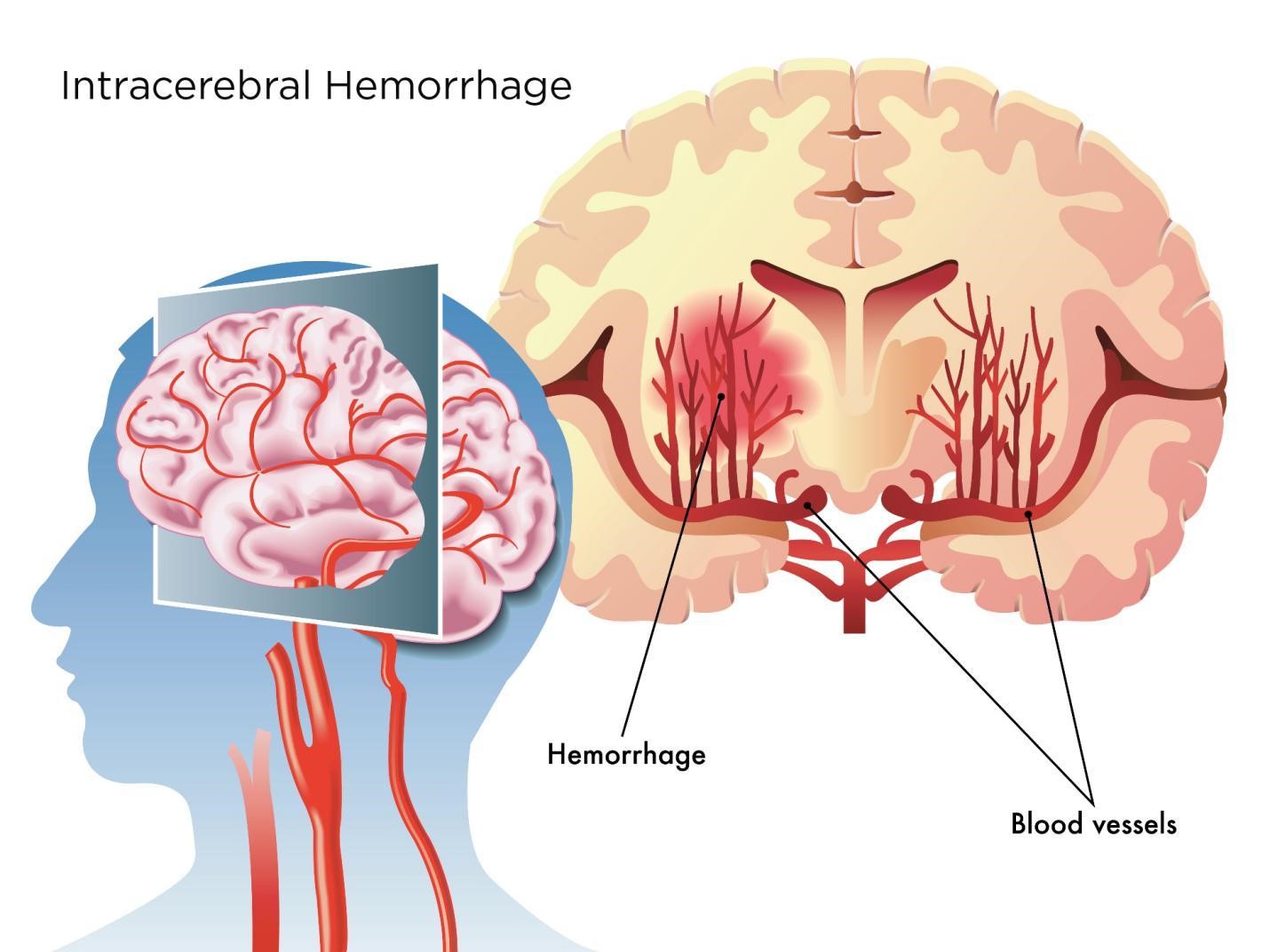
This information may seem like Hemorrhages and Aneurysms are pretty much synonymous with each other, while the truth is somewhat different. Here is what both the conditions mean and how are they different from each other.
What Is A Hemorrhagic Stroke?
Originating from the Greek word, Hemo, which means blood, a hemorrhage is basically ‘blood bursting forth.’ In the case of a hemorrhagic stroke in the brain, the blood vessel bursts or starts to leak onto surrounding areas, bleeding into the regions of the brain where it should not. As per researches, about 13% of all brain strokes are Hemorrhagic.
A hemorrhagic stroke is caused by several factors, most common of which are:
● Head Trauma or injury
● Heightened Blood Pressure
● Abnormalities in the Blood Vessels like Weakness, Small, unnoticed bleedings.
● Anemia
● Hemophilia
● Liver Disease
● Tumors
● Aneurysm
What Is Aneurysm?
An Aneurysm is, simply, a bulged artery. When a part of the artery wall becomes weak, the pressure causes it to bulge in the area. This event makes it more prone to bursting and bleeding. As is evident by the statement, when an Aneurysm bursts inside the brain, the situation quickly escalates to a Hemorrhagic stroke. Not only that, a person with an aneurysm has a higher chance

In the case of a burst, the person will need immediate attention. A delay or negligence in such a situation can cost the person his life.
How are Hemorrhage and Aneurysm Different?
On a fundamental level, an aneurysm is a bulge in the arteries caused by the weakness of the vessel’s wall, whereas a Hemorrhage is a kind of bleeding or leakage that occurs in the blood vessels of the brain, sending the blood in places where it should not be. An aneurysm is the onset of hemorrhage and will result in the latter if left untreated for a long time. On the other hand, not every hemorrhage is caused by an Aneurysm.

The conditions of the brain have always been a serious matter because of its importance in keeping our body running. Cases like Aneurysms and Hemorrhages are practically some of the worst ones as they are a fight against time. To get a consultation for Aneurysms cases, head to the best neurosurgeons in Jodhpur, Dr. S.N. Mathuriya. For enquiries related to Hemorrhage and other related issues, our expert Neurologist - Dr Kirti Sachdev is there to guide you. Consult now!
Epilepsy Treatment: New Advancements & Therapies Available
Neurological conditions, or illnesses caused in the brain and the spinal cord have always been one of the most complicated issues in the medical field. As per a research, almost about a 7th of the world’s population face one or other neurological problem at least once in their lifetime. That makes almost a billion people in the world.

Neurological conditions, or illnesses caused in the brain and the spinal cord have always been one of the most complicated issues in the medical field. As per a research, almost about a 7th of the world’s population face one or other neurological problem at least once in their lifetime. That makes almost a billion people in the world.
Amongst several kinds of neurological conditions, Epilepsy happens to be that kind of disorder requiring utmost care and consideration. The characteristic behavioral traits of this disorder are abnormal brain activity. This ‘out-of-the-blue’ spikes in brain activity results in unusual behavior and sensations, sudden mood swings, loss of awareness, and the worst, seizures. There is no certainty that a person belonging to a certain gender, race, or age will only develop epilepsy. That is the reason why about 65 million people in the world are suffering from epilepsy of varying degrees.
So far, the treatment for Epilepsy was focused on the reduction of seizures to enable living with the condition. However, in the last decade, things have started to change for Epileptic patients because of the introduction of newer drugs and treatment options available in the field. Here is a look at what the new advancements in epilepsy treatment look like:
● New Drugs: The last 10 years have seen the development of a number of new medicines, many of which have now become the norm of the field. The best part about them is the lesser side-effects and better map-ability of the condition. Recently, a new drug Epidiolex was found effective against severe seizures.
● Vagus Nerve Stimulation (VNS): The vagus nerve runs to the brain through our neck. Research conducted in recent times have shown that stimulation can help blocking the impulses that begin a seizure. VNS has shown the capability to make a person seizure free.
● Epileptic Surgery: Surgeries are not the last resort anymore. In cases of epilepsy, when the medications and therapies don’t work, surgeries have proved to do wonders for the patients. About 60% of the patients showed complete release from seizures when operated for temporal lobectomy.
● Implants: In some cases where the medicines have ceased to show effects and surgery is not an option, there are a number of implants that help in the stimulation of the factors that control the seizures. Apart from VNS, there is a new implant called the NeuorPace, which is placed at the place where the seizures are suspected to arrise.
● Ketogenic Diet or Keto Diet: An effective method for children with severe cases of epilepsy, the keto diet is becoming more and more famous. Keto works to starve our body of glucose, directing the brain to burn ketones to power itself. This, in turn, brings the seizures in control and makes children almost scot-free of seizures as they grow up.
Epilepsy is the 4th most common neurological disorder in the world after migraines, strokes, and Alzheimer’s. Taking a grasp on the ability of a patient’s brain to work, epilepsy has now begun to shrink in size because of the modern developments in the treatment options available. Leading the scene in the city are the best neurology and neurosurgery doctors in Jodhpur, - Dr. Kirti, Dr. SN Mathuriya, Dr. Pankaj Gupta and Dr. Rahul Ved at the department of neuroscience in Medipulse. These departments look after a number of neurological conditions, book your appointment now!