

Ear infections – Causes, symptoms, and diagnosis
The phenomenon of ear infection might not be painful or fatal as other infections caused to other body parts. However, if not diagnosed at the right time, the ear infection can increase and spread to other parts of the body, leading to more complications.
The phenomenon of ear infection might not be painful or fatal as other infections caused to other body parts. However, if not diagnosed at the right time, the ear infection can increase and spread to other parts of the body, leading to more complications.
Usually more common in children than adults, an ear infection is basically comprised of two types. The infection which is caused behind the eardrum within the main hearing system is called middle ear infection. On the other hand, the infection caused outside the eardrum in the canal which is exposed to outer air is called outer air infection.

Following is a detailed description of the causes behind both the types of ear infection, their symptoms and the basic diagnosis carried out for the same:-
Causes:-
1. Middle Ear infection:-
For the area behind the eardrum, infections are basically caused due to the penetration of bacteria from points that are open to air, such as eyes, mouth, and nostrils. The bacteria entered into the human body through these points get accumulated behind the eardrums, which can lead to the formation of pus just behind the eardrum. This eventually leads to a reduction in the hearing ability of the ears.
In severe conditions, the eardrum of the affected ear can break down due to the breakdown of pus, which happens as a result of excess pressure built up, as a result of which it flows out from the ear.
2. Outer ear infection:-
This kind of infection basically occurs in the narrow passage out of the eardrum, in which germs from the outer air can enter and easily spread. The accumulation of dirt and germs can lead to irritation in the ear, which eventually leads to rashes or swelling. While this is not as occasionally harmful or serious as the middle ear infection, if not taken care of properly, it can also lead to harmful side effects.

Symptoms:-
There are a number of symptoms through which one can identify whether he/she is suffering from the middle ear or outer infection. They are as follows:-
Lack in hearing ability – This is one of the most common symptoms of ear infection. As per it, the hearing ability of one of your ears will reduce as compared to the other one. In some cases, the hearing ability of both ears can deteriorate as well.
Swelling and pain – If there is a swelling in the outer ear, it is one of the clear symptoms of outer ear infection. However, if you feel a constant pain from your ear and you are unable to touch the point from where the pain actually is coming from, then it is a symptom of inner ear infection.
Nausea – Nausea can happen due to a number of reasons, and the ear infection is one of the rare ones. If you are feeling pain from the ear and sickness from within simultaneously, it is a clear indication of ear infection.
Dizziness – Dizziness is a not so common symptom of ear infection and occurs mainly due to other reasons like a mild breakdown of the nervous system or casual fever. However, if you are consistently feeling dizziness, and that too from near one of your ears, chances are that you might be suffering from an ear infection.
Fever – While mild fever is not a clear sign of ear infection, but if you are suffering from severe fever, it usually happens due to multiple reasons, with that of ear infection being one of the mild ones too.
Headache – Like fever, headache too happens due to a range of varied reasons, with the ear infection being one of them. If you are suffering from headache from the corners of your head, there are mild chances that an ear infection might be the major cause behind that.
Diagnosis:-
Before beginning the diagnosis of the ear infection, the concerned doctor will take a look at the medical history for briefing. In this, the affected person has to tell him/her about the symptoms which he/she is facing. Post that, the doctor uses an otoscope to push some amount of pressurized air into the affected ear to check the magnitude of the infection. Based on the reaction of the eardrum by the puffed air against it, further checkup and medication are prescribed by the doctor.

Do’s and don’ts to follow during the pregnancy period
The duration of pregnancy is one of the most important periods in the life of a woman. The birth of a healthy child wholly becomes a big responsibility of a mother, so it is very important for her to create a good and healthy living environment in order to give birth to a child without any complications.
The duration of pregnancy is one of the most important periods in the life of a woman. The birth of a healthy child wholly becomes a big responsibility of a mother, so it is very important for her to create a good and healthy living environment in order to give birth to a child without any complications.
Following are all the do’s and don’ts for all the soon-to-be mothers, which they should follow for maintaining the health of both, herself as well as the baby she is carrying in her:-
Do’s:-
Have a balanced diet – Proper amount of nutrition is equally important for the optimum health of both mother as well as child. Have a balanced diet 3-4 times a day, with food items that are rich in folic acid, iron, vitamins, and omega-3 acids. Though, don’t eat in heavy quantities.
Travel safely – Apart from the later stages of pregnancy, when you should completely avoid traveling, you can travel in the early months (up to 28-30 weeks). If you are traveling by air, prefer the aisle seat for optimum movement, and if you are traveling by road, ensure to wear seat belts properly.
Do light exercise – There are some light exercises like yoga or walking, which will surely help you in keeping you active. This is a necessary practice that should be carried out in order to maintain the optimum flow of nutrients through blood.
Get enough sleep – While it is important to stay active during pregnancy, proper amount of rest and sleep is required. You should aim for sleep hours extending from seven to nine hours at least, in order to keep brain cells active and not under stress.
Have multivitamins – While having a balanced diet during pregnancy is a must-to-do thing, it alone might not prove sufficient for your vitamin intake. Overconsumption of a balanced diet can lead to obesity and improper weight of the fetus. Post consultation with your doctor, do take multivitamin pills that are rich in folic acid, calcium, and iron.
Monitor your calorie intake – This is why having a balanced diet is very essential. Eating less than required might lead to malnutrition while eating more than required can lead to obesity. Thus, maintaining a perfect balance of calorie intake is very important for giving birth to a healthy child without compromising your personal health.

Don’ts:-
Avoid toxic items – Things like smoking and consumption of alcohol and tobacco are not only harmful for mother, but eventually for the child inside her. This might lead to birth problems for the child.
Avoid exposure to items with strong odor and after-effects – Things like pesticides, solvents, and nail paint removers, which usually have a high content of lead and mercury are quite harmful. Breathing in the smell of such items can lead to improper growth of nervous system of the baby.
Avoid taking medicines without a prescription – All the medicines or supplements which you might have been taking in your regular cycle now need to be taken with proper consultation from a doctor. Some of the medicines which you are taking might have adverse after-effects on the baby, and that is why proper prescription and guidance are needed in that direction.
Avoid doing home chores that require heavy physical work – Chores like climbing ladders, bending down for mopping or cleaning, lifting heavy weights can lead to internal injuries which will eventually lead to complications for the baby as well. Avoid doing such kinds of heavy physical works.
Avoid eating raw and unprocessed food – Consumption of food items like fish high in mercury, uncooked meat, soft cheese, and unpasteurized milk need to be avoided during pregnancy.
Avoid taking bath with hot water – During pregnancy, it is advisable to bath with cold or too lukewarm water, and no hot water. Bathing with hot water or taking steam or sauna bath can causes irregular temperature variations, thus harming the fetus from within.
Avoid taking X-Rays – Taking X-Rays to diagnose something improper in a particular organ of your body is a good idea, but not during pregnancy. The harmful radiations caused by X-Rays can deform the fetus inside your womb, leading to birth complications.


Tips for women to ensure a healthy pregnancy
The whole duration of nine months of pregnancy is very important as there are two lives at stake – one of the mother and the other of the child. Given how many complexities and carefulness the duration of pregnancy involves, it is required to take a lot of care and precautions in this period.
The whole duration of nine months of pregnancy is very important as there are two lives at stake – one of the mother and the other of the child. Given how many complexities and carefulness the duration of pregnancy involves, it is required to take a lot of care and precautions in this period.
Following are some of the key steps which a soon-to-be mother should follow to ensure her proper health as well as better growth of the child inside her:-
1. Proper diet intake – In the duration of pregnancy, you are eating for two – one for yourself and one for the child within you. So, it is advisable to eat proper and healthy during this duration. Having foods rich in omega-3 fatty acids, like fish, and folate-rich items like cereals, lentils, fruits juices, and other fruits will enhance the development of the brain and blood cells in the baby.

2. Have plenty of water – To ensure an optimum supply of oxygen and the flow of nutrients through blood, it is advisable to increase the intake of water during pregnancy. Drinking 8-10 glasses of water in this duration not only avoids the possibilities of dehydration, but also other adversities like constipation, headaches, fatigue, and hemorrhoids.
3. Avoid consumption of toxic items – In addition, to maintain a careful intake of diet, it is also important to keep a note of what all things you need to avoid during pregnancy. The consumption of toxic items like alcohol and illicit drugs as well as smoking cigarettes, and the strong smell of items like caffeine, paint thinners, and nail polish removers decreases the flow of oxygen to the baby, thus leading to possible birth defects.
4. Practice mild exercises – In order to control stress, body weight, blood circulation, and sleep cycles, the activeness of your body is required in a controlled amount during pregnancy. Doing mild exercises like yoga and walking for 15-20 minutes a day without overdoing them will boost your mood and keep you active and alert all the times.

5. Avoid heavy chores – Some of your daily chores like lifting heavy weights, standing for long durations of time, and climbing on ladders can have adverse effects on the baby due to additional pressure required to do these tasks. Do the mild household chores which do not require heavy physical work or force, and that also only when needed too much.
6. Track your medicines and vitamins – All kinds of medicines do have one or more side effects, which can turn fatal or negative when it comes to pregnancy. Whatever medicines and supplements you do take in your regular daily cycle should be now taken only after proper consultation with your doctor. Also, the intake of prenatal vitamins can be taken in the required amount, as they help in the development of the brain and spinal cord of your baby at a suitable pace.
7. Monitor your weight gain – Gaining weight during pregnancy is a natural phenomenon that cannot be avoided, as you have to eat for yourself as well as the child growing inside you. So, it is very much required to keep track of your weight gain, which should neither fall under the category of underweight nor cross the borderline of obesity. Having a weight gain of 11.5-13.5 kg is recommended as the normal weight gain during pregnancy, depending on the body mass index range.
8. Stay clean and practice good hygiene – Given the current times of COVID-19, the human baby is susceptible to diseases and infections even more than ever before. In order to avoid adverse situations for your baby, it is advisable to practice social distancing and keep yourself clean all the time. Wash and sanitize your hands regularly, which will not only prevent you from COVID-19 infections but also birth-related diseases like chickenpox and Group B streptococcus.
9. Travel carefully – The early stages of pregnancy (till 28 weeks) is the preferred duration of traveling from one place to another, post to that will require utmost care and can lead to possibilities of miscarriage if not done carefully. Before traveling, consult with your doctor and take all the necessary precautions for the same. Prefer traveling by air, and during a flight, drink plenty of water to avoid dehydration and dizziness and prefer to be seated on the aisle seat for maximum possible movement.
10. Don’t avoid cravings every time – If you are craving for something to eat, make sure to have that, but in a limited quantity. However, make sure what you are eating isn’t unhealthy – in this duration, it is advisable to stay away from raw and uncooked food items (barring fruits).

Common tips to improve eyesight
The stress and strain of the modern hectic lifestyle are taking a toll on the health of people, and if not taken proper care of, various body parts are affected by this, and that also includes your eyes.
The stress and strain of the modern hectic lifestyle are taking a toll on the health of people, and if not taken proper care of, various body parts are affected by this, and that also includes your eyes.
Following are some steps and precautions which one should take, in order to keep his eyesight and vision of his/her eyes in the healthiest condition possible:-
1. Control your screen time – The major culprit of the weakness of eyes among the new generation of people is the amount of time they spend in front of screens, like mobile phones, laptops, computers, and televisions. While it has become an indispensable part of a majority of people, it surely has its own set of adverse effects, like headaches, eyestrain, blurry vision, and trouble in focusing on something. There are many steps by which one can control his screen time, such as keeping your eyes at a level with the top of the screen, wearing good quality spectacles that regulate the harmful blue light from screens, and rest your eyes in a break of every 20-30 minutes.

2. Wear sunglasses in bright sunlight – When you are out in the afternoon for a prolonged time, the radiations from the sun above are not only harmful to your skin, but the penetration of these rays in your eyes can lead to the weakening of them. It is recommended to wear good quality sunglasses while you are out in sunlight, whether you are sitting or standing, or even driving or riding. These sunglasses should have polarized lenses, which will only curb the penetration of UV rays in your eyes.
3. Eating healthy – There is a set of food items, the consumption of which is actually good for having good eyesight and health of your eyes with respect to the passing of age. The nutrients which are considered to be beneficial for human eyes are Vitamin A, C, and E, zinc, lutein, zeaxanthin, and omega-3 fatty acids. The food items generally rich in these nutrients are fish, eggs, dairy products, nuts, leafy green vegetables, carrot, sweet potato, edible seeds, and citrus fruits.
4. Avoid smoking and consumption of alcohol – The perpetual habit of smoking cigarettes has always been considered to be harmful to the health of your lungs. But little do people know that it has adverse effects on eyesight as well. The practice of smoking can cause damages to optic nerves as well as macular degeneration, which can lead to the possibility of cataract at earlier phases of life. In the same way, regular consumption of alcohol too leads to dizziness or drowsiness, which can lead to tiring up of eyelids most of the time, which again is not a suitable condition to have for the proper functioning of your eyes.
5. Use safety wear as and when required – There are a number of common human activities like sports and welding, in which if proper precautions are not carried out, can lead to permanent damage to your eyes. The harmful gases or fumes which are emitted during the process of welding can lead to irritation and internal deterioration of your eyes, so it is always recommended to wear a protective shield in front of your eyes while welding. Likewise, while playing sports like hockey and cricket, wearing suitable protection in the form of helmets can avoid severe damages to your eyes.

6. Have a regular routine checkup of your eyes – Like your visit to dentists, a periodic visit to ophthalmologists (eye doctors) is also recommended at least once a year, as a part of your routine checkup. This regular eye examination will let you know about the health of your eyes and the detection of any possible deterioration of the health or power of your eyes. Regular vision tests should be conducted as a part of these examinations, which can lead to knowing any possibilities of near-sightedness, far-sightedness, or presbyopia (vision problems related to age).
7. Keep wearing spectacles, if you have – For people suffering from near-sightedness, far-sightedness, or presbyopia, it is recommended to wear their suitable powered spectacles, which will avoid the possibility of reduction of power at later stages. The spectacles should be on most of the time, especially during the works which require concentration like driving, reading, or typing.

Food items to increase eyesight naturally
Like other body parts of a human, even eyes do require proper consumption of healthy food in order to maintain their vision and health even with the passing of age. There are a number of adverse conditions related to eyes, such as cataract, glaucoma, dryness, and poor vision, the possibilities of which are low when one eats foods rich in bits like Vitamin A, B, and E, zinc, omega-3 fatty acids, lutein and zeaxanthin.
Like other body parts of a human, even eyes do require proper consumption of healthy food in order to maintain their vision and health even with the passing of age. There are a number of adverse conditions related to eyes, such as cataract, glaucoma, dryness, and poor vision, the possibilities of which are low when one eats foods rich in bits like Vitamin A, B, and E, zinc, omega-3 fatty acids, lutein and zeaxanthin.
Scientifically, an average human being requires 500mg of Vitamin C, 400 units of Vitamin E, 80mg of zinc, 10mg of lutein, and 2mg of zeaxanthin on a daily basis for the proper functioning of eyes and maintaining their health in a long run.
Following are some of the common food items which are rich in the aforementioned sources which are beneficial for increasing eyesight and maintaining it in a healthier manner even with the passing of age:-
1. Citrus fruits – Having fruits that are rich in Vitamin C, like oranges, lemons and grapefruits are good for having good eyesight. These fruits are rich in antioxidants which help in reducing eye damages and weaknesses which occur naturally with age. One can consume these fruits either directly or in a fruit salad with other fruits as well.
2. Fish – A very rich source of protein, fish is actually good for having healthy eyesight as well. The different kinds of fish, such as tuna, sardines, salmon, mackerel, trout, and anchovies are basically rich in omega-3 fatty acids, as they have good oil in their gut and body tissue. This oil has the ability to reverse dryness in eyes.
3. Leafy green vegetables – The consumption of leafy green vegetables like spinach, collards, and cabbage is not only regarded for their good mineral content but also have good benefits when it comes to eyesight. Apart from having a fine amount of Vitamin C, these veggies have lutein and zeaxanthin, which are considered good for your eyes.
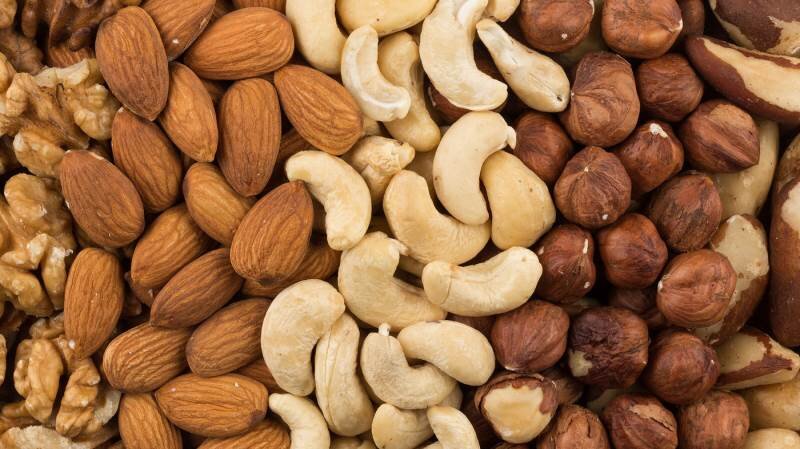
4. Nuts – Apart from fish, another food source that is rich in omega-3 fatty acids is nuts, including cashews, almonds, walnuts, and peanuts. These nuts are also good in Vitamin E content, which is considered to reduce the adverse effects of aging on your eyes.
5. Eggs – One of the healthiest food items for mankind, eggs are not only a great source of proteins and carbohydrates but also contains benefits in the form of Vitamin A, lutein, zinc, and zeaxanthin in their yolk. While Vitamin A helps in protecting your cornea, zinc enhances eyesight at night. For this, the best way of consumption of eggs is to have them in the boiled form.
6. Seeds – Another substitute of nuts which is considered to be a good source of omega-3 fatty acids and Vitamin E are seeds. The consumption of edible seeds like chia seeds, flax seeds, hemp seeds, and sunflower seeds in their raw form is also good for eyesight.
7. Carrots – Many might have heard from their elders that eating carrots is good for enhancing the power of your eyes. And they are actually right, for the carrots are a good source of Vitamin A and beta carotene, the former of which is good for a healthy cornea.

8. Sweet Potato – Like carrots, even sweet potatoes are good sources of beta carotene, and along with it, they are also rich in Vitamin E. It is suggested to eat sweet potatoes either in boiled or roasted form.
9. Water – One of the most essential requirements for survival of life, water has a number of benefits, and having good eyesight is one of them. Proper and enough consumption of water in your whole day will prevent you from dehydration, which helps in reducing the possibility of dryness of eyes. It is recommended that an average human being should drink at least 2-3 liters of water on a daily basis.
10. Dairy products – Dairy products like milk and yogurt are usually considered to be very good sources of proteins and carbohydrates. However, there is an additional benefit of them in the form of having good content of Vitamin A and zinc, which like eggs, result in providing multiple benefits for a healthy cornea, retina, and better eye-sight at night. While milk can be consumed directly, yogurt can be had along with your breakfast.

Top self-care tips for kids in their growing stages
Given how stressful and busier modern households have become in the recent times, parenting a child has become a more difficult task as compared to that in past years. The lack of support and care and
Given how stressful and busier modern households have become in the recent times, parenting a child has become a more difficult task as compared to that in past years. The lack of support and care and diversion of mind from more important activities and bonds have increased the chances of irregular mental health among the children of the current era.
So, in order to maintain a healthy balance, it is important to nurture the children with all the best possible amount of care and practices. Following are some important self-care tips, which will only help your children to grow healthy and follow a positive approach to life:-
1. Maintain a regular sleeping schedule – For maintaining the mental health of younger kids, proper amount of rest is of utmost importance. The sleeping schedule of kids should be longer as compared to the people who are in their adolescence. The practice of ‘early-to-bed-and-early-to-rise’ should be followed for the kids from their younger days itself, which will help in building up consistency in the longer run. For kids, it is suggested to have a sleeping duration of 8-9 hours, which will keep them away from sleep deprivation. Following this will reduce mood swings and enhance the activeness of the brain for the years to come.
2. Follow a proper daily routine – It is very important that your child gets ample amount of attention and routine from all of its elders at home. For this, maintain a proper daily routine for all the activities – sleeping hours, study time, play time and other recreational activities. This will ensure in development of proper time management for various activities and chores at a very young age – a trait which will be beneficial in a longer run when it comes to professional commitments too.
3. Engage in creative activities – The modern day children are more into gadgetries and electronic games, which to some extent is both good and bad. While it sharpens the brain responses and reflexes, it definitely is not a healthier practice to follow, which can lead to dizziness, irritation and eye related weaknesses. Encourage them to engage in more creative hobbies like music, art, and dance, which have both the benefits of physical health as well as stronger mental health.

4. Eat healthy – The consumption of junk food or outdoor food with low nutrient levels among children too has become a very common thing. If done in excess, it will only lead to obesity and their hatred towards foods rich in nutrients, which will invite more health related issues at later stages of their adolescence. So, it is recommended to give them foods rich in nutrients, like fruits, whole grains, green vegetables and pulses. You can also play along with creative recipes with these food items, which will have interesting taste levels without compromise on the required nutrient levels in them.
5. Replacing outdoor sports with electronic games – Again, in addition to the creative hobbies, children should be encouraged to play more outdoor games as compared to the games which they play on electronic gadgets like mobile phones, tablets or computers. Studies in the past have already shown that the children who play outdoor games are healthier, fitter and more active than the ones who do not. Playing outdoor sports which require consistent physical activity like football, badminton, cricket, athletics or tennis will not only keep the children physically active, but also mentally alert and happy.
6. Encourage them to socialize more – It is not only the people in their youth or adolescence, but also younger kids who do need to socialize more when it comes to their mental and emotional growth. Given the times of isolation and social distancing in the COVID era, this practice is a bit difficult, but not impossible. The kids should be encouraged to make new friends while playing, in school or various social gatherings, which will only enhance their ability to speak more, build up self-esteem and connect better with people. This will only help them in building connections in later stages of graduation and professional life.

7. Limit screen time – While other recreational activities are more important for physical and mental health as a whole, to keep your children stay updated to the latest information and mental activity, their adaptability to gadgets should not be discarded at once. The only need is to limit the usage of gadgets to a lesser duration of time, and in the process, they should use the electronics like phones, televisions and computers for playing games, gather the latest information and enhance their studying methods. Monitor what your child is seeing on the internet, which is a difficult process, but can be done with better understanding and communication.
While all these steps need mutual attention from parents as well, one can always reach a proper trained professional or pediatrician for better results and scope of enhancements.

10 common symptoms of a neurological disorder
While most of the parts in a human body show signs of their improper functioning quite clearly in case of a serious ailment, it is not so evident when it comes to the nervous system of the body. The signs of a neurological disorder are as common as that of a simple fever or a minute ailment – the only differentiator is that they are not as momentary or less pain-causing as that in the former.
While most of the parts in a human body show signs of their improper functioning quite clearly in case of a serious ailment, it is not so evident when it comes to the nervous system of the body. The signs of a neurological disorder are as common as that of a simple fever or a minute ailment – the only differentiator is that they are not as momentary or less pain-causing as that in the former.
Following are some clear signs which do indicate of a major or minor neurological disorder in a human body:-
1. Abnormal dizziness – The phenomenon of dizziness might be common if one is undergoing heavy physical or mental work, the tiredness of which can lead to exhaustion. However, when dizziness appears out of the blues at a particular point of time in a day, it can be a side effect of another ailment which one might be suffering from.
2. Regular headaches – Headaches are one of the most common micro ailments which usually disappear in a few hours if you take proper care and medication for the same. However, repetitive headaches are something which should not be taken for granted. And if the amount of pain is unbearable, the consequences might be alarming.

3. Weakness of other moving body parts – The body parts which usually move the most in a human body, including arms and legs, can make you feel exhaustive if you have undergone some heavy physical activity, like a morning workout, cycling, etc. However, if there is a bigger concern involved, your arms and legs might feel numb for a greater duration of time.
4. Irregularity in vision – With the passage of time, it is quite common that a human eye might show signs of blurredness or reduction in its vision. This usually occurs due to prolonged exposure to bright light (especially in front of screens of phones and laptops) or any surface or internal injury to the eye. However, in some cases, if the root causes are the ones mentioned, one should consult with the doctor regarding this.
5. Inconsistency in sleeping schedules – Occasional restlessness is something which is not so rare. However, what can be a serious sign is regularity in insomnia and fatigue during sleeping hours. This usually happens when one takes much amount of unnecessary stress which hampers the functioning and resting ability of your brain, resulting in unwarranted anxiety.
6. Loss in memory – When the ability of the brain to function at its fullest begins to decrease in terms of memory loss, even in the practices related to the daily routine, it is a clear sign of decline in the health of the brain.
7. Slurred speech – When one is suffering from a neurological speech, he/she will show clear signs in the form of slurred speech. In such a condition, he/she might speak faster than normal and his/her words while speaking might not be clearer than how they should be. This might happen usually either under the influence of alcohol or due to extreme fatigue. But if there is any other reason apart from these two, proper medication is required.
8. Shaking of body parts – Tremors as they usually are called, this phenomenon can occur in normal circumstances like during workout after lifting weights or during intense situations like watching or playing sports. While tremors in these situations remain for a short period of time, if it occurs for a prolonged period, it can be a result of neurological disorder.

9. Nausea – When one feels the tendency to vomit repeatedly under extreme sickness or fatigue, such a condition is called nausea. This can happen when one is suffering from fever or has travel sickness. However, when such a condition emerges out of the blues or as an aftereffect of migraine or headache and exists for a longer period of time, it should be consulted with the doctor immediately.
10. Extreme fluctuation in weight – Weight loss or weight gain is a gradual and systematic process which should be done by following the right diet and workout plans. However, if either of the two happens drastically or keeps on fluctuating in an irregular manner, this might be a result of hormonal issues due to a particular neurological condition.
While all these symptoms might seem so common and one might feel that the remedy of these is in his/her hands, it is always advisable to consult a neurologist or trained medical personnel for proper medications and sooner eradication of the ailment in a bigger picture.

Impact of age on human brain – factors which get adversely affected with passage of time
Time and tide wait for none, and with the consistency in passing of time, the ability of all the parts of a human body, unfortunately, tends to decline. One such crucial part of the human body is the brain – the core of the entire nervous system.
Time and tide wait for none, and with the consistency in passing of time, the ability of all the parts of a human body, unfortunately, tends to decline. One such crucial part of the human body is the brain – the core of the entire nervous system.
The ability of the human brain to manage and recollect things naturally reduces with the passage of time, and once someone enters the old-age, especially after the age of 60-70, this loss in efficiency of the human brain becomes more evident.
Following are the different aspects of a human brain which tends to reduce the thinking ability of it.
1. Memory – We all know that memory is nothing but the ability of a human brain to recollect the information and things from the past. With age, the ability of the brain to hold information and calculate things on its basis, remember events from the past and keep hold of things and processes to do in future begins to decline. At the same time, however, the ability of the brain to remember more prominent facts and knowledge points as well as the working process of a particular activity has little effect of age.
2. Processing speed – This is one aspect which determines how fast the human brain can process particular information and then revert back with a suitable response. With age, the processing speed of the human brain declines as compared to that of a human in his twenties and thirties. The processes which might require multiple things to keep notice of might get affected with age, like driving, which requires a lot of attention on the road regarding by-passers, trespassers on the road, traffic signal lights, speed limit, right gear to drive in, etc. An aged mind might not process all these processes at once with spontaneity like one would have done in its early days.
3. Language skills – The human mind is able to learn, understand and write different languages much faster and clearer in its early stages, than how it can do when it gets aged. The aspects of language skills which have little effect of age on them are vocabulary and comprehension of written language. However, there are certain aspects of language skills which get affected with age are speech comprehension and language production. Due to gradual hearing deficiency and decrease in processing speed of the human brain, the speech comprehension and language production respectively do decline.

4. Attention – The human brain requires a particular thing to focus on and reverts back with a suitable response based on the correct amount of focus it has put on that thing. The magnitude and efficiency of attention on something determines the efficiency of the results. With age, this very efficiency of the human brain to put attention on one particular thing declines gradually. In the later stages of age, while the human brain might be able to concentrate on something for a period of time, it surely loses out on the ability of multi-tasking and focusing on something despite distractions around it.
5. Executive functioning – At a younger age, the human brain is able to carry a lot of tasks such as planning, calculating, organizing and abstract thinking, all at once or subsequently, much faster and with more precision as what it can do on a later stage. With age, the ability of the human brain to adapt to new surroundings and practices as well as make complex decisions reduces, which does reduce its social exposure as well.
6. Emotional processing – It is not the mathematical calculations and multi-tasking which requires the processing of varying data which gets affected with age. Even the ability of a human brain to process and conclude things based on emotions which affect too. It might be strange, but the fact is that the human brain is able to process positive emotions more rapidly than the negative ones. Under varying circumstances, the human brain is able to concentrate, remember and reactive to positive feelings and outcomes more than the negative things. Normally, when human ages, the ability to recover from negative circumstances in a happier way is easier, as he/she tends to avoid negative issues more prominently.

The decline in the efficiency of working of a human brain is a common and natural phenomenon, which happens gradually with age. However, if one starts experiencing at a point of age much sooner than recommended or normal, he/she should consult with a trained medical professional or psychiatrist and follow his/her suggestions to sharpen the skills of your brain.

Top recommended ways to enhance mental health
Given how stressful the current times have become due to the after-effects of pandemic and adverse effects of improper work-life balance, the issue of mental health has become very much common among all social circles.
Given how stressful the current times have become due to the after-effects of pandemic and adverse effects of improper work-life balance, the issue of mental health has become very much common among all social circles.

The aspect of mental health is as important as that of physical health, and so, to maintain the well-being of your mind, following are some ideas which can help you out if you are suffering from mental health issues:-
Don’t hesitate in asking for help – Despite the changing times, many people who suffer from mental illness hesitate in discussing their share of problems. Discussing what all is going in your mind with either someone close to you in your family or with a close friend or a psychiatrist helps in bringing much relief. This will not only loosen up the burden in your mind but also will bring in some fair share of valuable advice from them to help you out.
Do exercise for at least half an hour – Doing exercises or hitting the gym not only enhances your physical health but also plays a major role in keeping your mental health well in control. Exercising does increases your pulse rate and decreases the possibilities of stress, owing to the focus and determination you put in one particular thing.
Intake of healthy food – Again, like exercise, a proper diet too is essential to keep your mind happy, apart from keeping your body clean and fit in terms of physical appeal in and out. Having sugary and oily foods should be avoided in this duration, as it only increases the sugar and fat level in your body, thus resulting in additional stress. Consult a trained dietician and follow his/her instructions regarding this.
Practice yoga and meditation – It is said that one should spend at least 10-15 minutes with oneself to make sure he/she is at complete peace and doesn’t get subjected to anxiety. To help things here, practising yoga and meditation or listening to calm and soothing music really can help you out, for it helps in keeping the mind in a soothing condition.
Have ample sleep – To keep your body calm, ensure proper regulation of blood flow and reduce stress, ample amount of rest too is required to make sure your mind is at peace. The recommended sleeping duration for an adult is anywhere between six to eight hours, which should be followed irrespective of what physical and mental labor you are doing in a whole day.
Staying connected with people around you – Meeting the existing set of friends as well as family members and even making new friends and building up connections and relations does help in diverting your attention from those problems which actually really don’t matter to you in a bigger picture. Discussing new ideas, theories, facts and beliefs with your existing circle as well as new people will open up your mind to new information, thus strengthening your mind.
Cut off from social media temporarily – For some people, the usage of social media in excess can be toxic, for the unrealistic expectations which it brings along with it in case of them. To keep this in check, it is recommended to log off from the world of social media for a while and explore new things and hobbies to make sure your mind is engaged in one activity or the other.
Go outside – In these tough times of COVID-19, getting out frequently might not be a must-to-do thing. However, with ample follow-up of social distancing and practicing hygiene, you can go out and dwell with the beauty of nature and things you actually love the most, like sipping a hot coffee, taking a stroll at your favorite park/lakeside, go on a long drive/ride, jogging, etc.
Avoid consumption of alcohol – While many do believe that consumption of alcohol brings in temporary relief to forget the mental pain they are suffering from, it is actually a very bad idea in the long run. Consumption of alcohol can become frequent when you are suffering from mental illness, which will eventually damage your body by welcoming cardiovascular and liver diseases.

Apart from gathering new information by meeting people and following all the aforementioned steps, you should also be aware of the best mental practices. This can be done by consulting with a trained medical or mental health professional or psychiatrist.

Steps to take care of while carrying out a full body checkup
A full body checkup is done by most of the people only at the time of any minor or major medical emergency. However, a periodic full body checkup should be done at least once in 6-12 months, so as to ensure that you are keeping yourself immune to and avoid any forthcoming medical issues.
A full body checkup is done by most of the people only at the time of any minor or major medical emergency. However, a periodic full body checkup should be done at least once in 6-12 months, so as to ensure that you are keeping yourself immune to and avoid any forthcoming medical issues.
However, there are some pre-requisites which need to be followed before and after a thorough body checkup, failing which will surely create adversities in the results of the same. Following are the steps and practices need to be followed for a full body checkup:-
Have proper sleep prior to checkup – Ample amount of rest is as equally important as having adequate diet and physical work, in order to keep the blood flow and proper contraction of all the muscles of your body. It is recommended to have a proper sleep of at least 6 hours prior to the health checkup, failing of which can result in the irregularity of heartbeat, body temperature and blood pressure while conduction of various tests.
Monitoring of food intake – It is advisable not to eat or drink any kind of food in the duration of six to eight hours before the tests are conducted, as the intake of food can create irregularities in the data retrieved for blood sugar and cholesterol tests. However, consumption of water should be done in order to avoid the possibility of dehydration.
Avoid consumption of alcohol – While consumption of alcohol in itself is not good for health in a longer run, but if you really do consume alcohol, it is recommended to avoid it in the duration of 24 hours before the tests are to be conducted for a health checkup. Consumption of alcohol might hamper the results of the tests, especially the data of liver, kidney and blood tests.
Avoid salty and fatty foods before tests – The consumption of salty and fat-rich foods can hamper the blood sugar level irregularly, which can lead to possible hampering of the results of the tests. So, it is always advisable to avoid such kind of foods before the conduction of tests. However, post the tests, you can consume these foods in a regulated manner.
Avoid heavy exercise – Both weightlifting, as well as cardio exercises, increase the blood flow, heartbeat rate and pulse rate of a human body. If you are going for a full body checkup on a particular day, it is recommended to not practice any kind of exercise on that very day. Doing so will keep the blood flow and heartbeat rate at optimum levels.
Carry reports of existing chronic diseases, if any – If you are suffering from any existing chronic disease like high blood pressure or ailment, it is advisable to carry the latest reports of that particular disease while carrying out a full body checkup. Doing this will help the doctors to have a better idea for complete diagnosis.
Consult with a doctor for the consumption of hypertension medicines – Consumption of hypertension medicines, if any, can cause side effects which might alter the results of the health checkup. In such circumstances, it is recommended to take such medicines after proper consultation with a doctor, following his prescription.
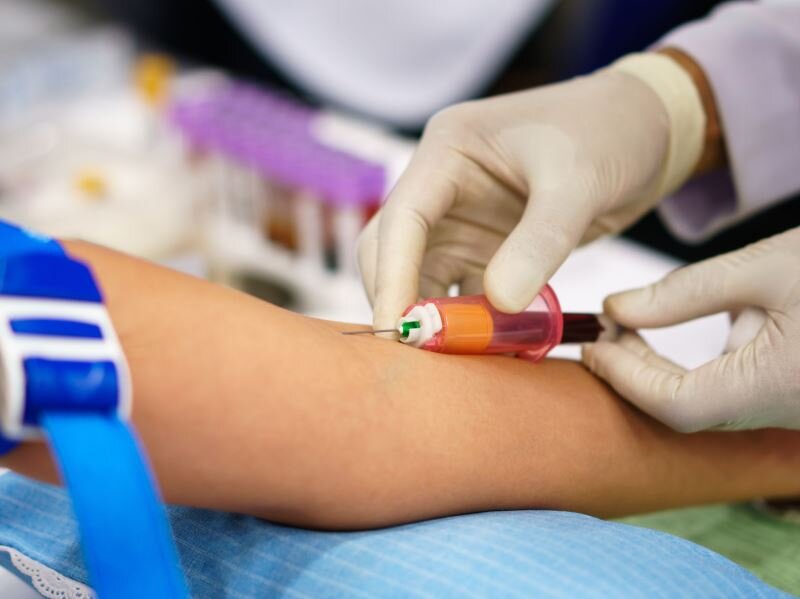
Wear loose and comfortable clothing – The medical personnel will require blood or urine samples for conduction of tests related to full body checkup. For giving these samples, it is advisable to wear loose clothing, which is comfortable enough and allow access to your upper arms, usually from where the blood sample is taken.
Avoid conduction of tests in a menstrual period – For females, if they are undergoing there periodic menstrual cycle, it is advisable to skip the conduction of tests during that period as well as four days before and after the aforementioned duration. During the period of the menstrual cycle, the urine analysis cannot be done properly due to blood contamination, which will hamper the result of the tests.
Avoid X-Rays during pregnancy – During pregnancy, in order to ensure the well-being of the child in the womb of females, it is advisable to avoid X-ray tests. The X-Rays are very powerful and can hamper the activities as well as the formation of the embryo in the womb.

You must be ensured of the fact that all the medical tests coming under full body checkup should be carried under strict supervision and advice of trained medical professionals or doctors. For conducting a full-body checkup, kindly contact the nearest hospital or a renowned testing center.

Tests carried out in a full-body check-up
For the proper functioning of a human body, the very popular theory of ‘prevention is better than cure’ is one statement to rely on. The possibility and risk of the disease don’t give prior notification of its arrival and post the diagnosis of a disease, the expenses for rectification and care do increase significantly.
For the proper functioning of a human body, the very popular theory of ‘prevention is better than cure’ is one statement to rely on. The possibility and risk of the disease don’t give prior notification of its arrival and post the diagnosis of a disease, the expenses for rectification and care do increase significantly.
To get a preliminary idea of what all is going in your body, thankfully there are a number of tests which do give a significant amount of information related to all the functioning parts of various systems of the body. These tests also come handy after the diagnosis of a disease, which in turn become a must-to-do thing.
Following are some very common tests which do constitute of a full-body check-up:-
Preliminary physical examination – This one is taken just to know the basic data related to your body, mostly related to the ones which are clearly known to you and others. This basic data in question includes knowing your body weight, height, blood pressure, pulse rate and oxygen level in your body. This one basically forms the foundation of all the tests to be conducted for later stages.
2. Blood tests – These tests are conducted in order to know whether the flow of blood in your entire body through veins is proper or not. The tests coming under this aspect usually clears out the information relates to the count of red blood cells and white blood cells as well as haemoglobin level in a whole. This helps in diagnosing whether there is a chance of blood-related deficiency issues like anaemia.
3. Liver tests – The liver tests help the doctor to know about the proper functioning of the digestive system of your body. The digestive system of a human has liver as the most important component, and all the tests are being conducted with it being the core of them. Various tests are done under this to know whether there is a possibility of liver-related disease like jaundice.
4. Sugar tests – The disease of diabetes is gradually becoming a too common one, given the adverse lifestyle in the modern world. To know the exact level of sugar in your blood, these tests are conducted. Under these, the glucose levels in your body are checked and matched with the recommended levels, in order to know about the possibility of diabetes.

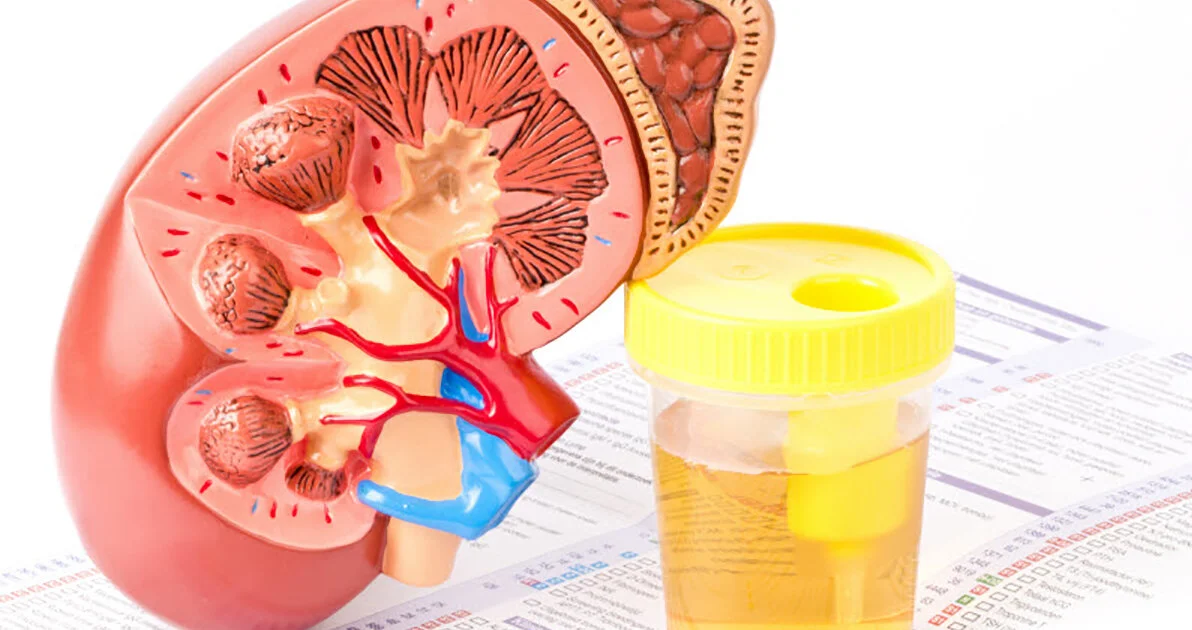
5. Kidney tests – For proper functioning of the urinary system and getting a hint of the possibility of kidney-related diseases like the formation of stones in the kidney and urinary tract infections, the kidney tests are conducted. A human body consists of two kidneys, and the tests are being conducted keeping both of them in mind and matching the data of them as a whole.
6. X-Ray test of chest area – The X-Ray test is usually conducted in an emergency, for example, in case of knowing about a possible bone damage post an accident. However, a thorough X-Ray test of the chest area gives a rough idea about the functioning of human organs beneath the chest, like lungs and heart.
7. ECG tests – The electrocardiography tests, as the name suggests, are carried out to known about the proper functioning of components related to the cardiovascular system, i.e., related to the heart. These tests determine whether the heart rate as well as uniformity of heartbeats is proper or not.
8. Lipid profile tests – These tests, like the electrocardiography tests, are related to heart as well. However, they do give slightly more detailed information of whether your heart is at serious risk or not, and based on this assessment, it is determined whether a major heart surgery needs to be carried out or not.
9. Ultrasonography – To know a complete detailed description of information of what all is going on in all of the components of the digestive and urinary system, including spleen, liver, gall bladder and kidneys, ultrasonography is carried out. Given that most of the components of the digestive and urinary system are related to each other for functioning, this is one super-test for all.
10. Urine tests – Specifically carried out to determine the well-functioning of the urinary system, the urine test is carried out. These tests do give a general assessment of the functioning of the digestive and urinary system and are a separate thing from ultrasonography as well as liver and kidney tests.
All these tests should be carried out with the help of proper guidance, under the supervision of a renowned and certified laboratory, with proper guidance from professional medical personnel or doctors. For your full body check-up, you can contact your nearest hospital or testing centre.

Symptoms of COVID-19 : All minor and major ones covered
Given the severity of the effects of coronavirus, one should be aware of the perfect timing as and when he/she is exposed to the deadly virus. To get a nerve of this, the after-effects of exposure to coronavirus is quite a versatile one, which directly or indirectly affects almost the whole body of a person.
Given the severity of the effects of coronavirus, one should be aware of the perfect timing as and when he/she is exposed to the deadly virus. To get a nerve of this, the after-effects of exposure to coronavirus is quite a versatile one, which directly or indirectly affects almost the whole body of a person.
Following are both the minor as well as major symptoms of COVID-19 which any person can suffer from:-
Minor symptoms:-
Fever – One of the most common symptoms of COVID-19, the affected person might be subjected to sudden high fever or frequent chills, which can be mistaken with common flu as well.
Dry cough – While cough with mucus is a common symptom of flu, if one is suffering from frequent dry cough, it is a symptom of COVID-19.
Tiredness or dizziness – In this symptom, the affected person might feel tired most of the times, without doing much of the physical work. It can also be sensed with slight reddishness or dizziness in his/her eyes.
Headache – This is one of the side symptoms of fever, but if the headache remains for a longer time than usual, it can be a symptom of COVID-19.
Pain in body parts – Apart from tiredness, if a person is suffering pain in the body parts which are regular in motion, like hands, arms or legs, without undergoing heavy physical work, there is a slight chance of COVID-19 in this case.
Diarrhoea – This is one of the rare symptoms of COVID-19, but if it happens repeatedly without any chances of food poisoning, it can lead to the chances of COVID-19.
Sore throat – This can be mistaken by common flu too, however, if the concerned person’s throat remains sore for a longer time and has difficulty in swallowing food at a later stage, this can emerge out as a possibility of COVID-19.
Runny nose – The phenomenon of the runny nose usually disappears in a day if there is a possibility of common flu. However, in the case of COVID-19, this condition might persist for a longer time.

Major symptoms:-
Loss of sense of smell and taste – If a person is unable to catch the actual smell of an object or air, or is unable to get the actual taste of the food he/she is eating, this can lead to COVID-19.
Difficulty in breathing – The lungs are the main body parts which suffer from COVID-19 the most, and in such a case, it can lead to a situation when the affected person can face breathing problems due to inefficiency of lungs.
Chest pain – The passage of the respiratory system of a human body does flow through the chest, and if there is abnormal pain in the chest, it can be a result of swelling in lungs due to COVID-19.
Loss of speech – Though this one is a rare phenomenon, if this happens, it is a strong possibility of the severity of COVID-19 in the affected person, as the passage of air through the mouth is also affected.

Important points to take care of after knowing about the symptoms:-
As soon as a person knows about any of these symptoms aforementioned above, he/she is requested to get his/her COVID-19 test done on an immediate basis. The results of the COVID-19 test will take at least one day to come out, and in this duration, the concerned person is supposed to follow complete isolation at his/her residence and not meet anyone.
The symptoms of COVID-19 can emerge in between 5-14 days after the affected person is exposed to the virus. And it is not a fixed phenomenon in all the humans – a person with better immunity levels might show symptoms later than the one with lower immunity.
In case of minor symptoms which are not too severe, the affected person is suggested to stay in complete isolation at his/her home itself. In this case, the person should not be in physical contact with other people, and follow all the suggestions and practices following proper consultation with a doctor or medical personnel.
In the case of major symptoms, the person affected with COVID-19 is suggested to admit himself/herself in a hospital. The people who are aged or have underlying medical conditions like diabetes, high blood pressure are also requested to take extra care in such a condition and get admitted in the hospital even in case of mild symptoms, if possible.
In any kind of symptom, whether minor or major, it is always suggested that the person follow proper medication and suggestion from professional medical personnel or concerned doctor.
In case of any emergency, kindly contact the pulmonary department of the nearest hospital.
Trauma is an experience of the human brain in reaction to conditions of stress that overpower our capacity to cope. It primarily results from events like violence, neglect, accidents, emergencies, war, etc., that threaten the life or integrity of the individual facing them.