

Why Should Smoking Be Abolished From Your Life: Cancer Spotlight
According to a survey by WHO, approximately 120 million Indians are smokers, which makes up about 12% of the world’s total population of smokers. Not only is that an alarming state, but it is also a significant concern for the overall health of the nation. There is no doubt smoking poses a threat to the one smoking. But, it is also a substantial threat to the people exposed to the smoke.
According to a survey by WHO, approximately 120 million Indians are smokers, which makes up about 12% of the world’s total population of smokers. Not only is that an alarming state, but it is also a significant concern for the overall health of the nation. There is no doubt smoking poses a threat to the one smoking. But, it is also a substantial threat to the people exposed to the smoke.
Despite these facts and the proper distribution of knowledge about the risks of smoking through government channels, many habitual smokers still light one up now and then.
Before their lives go up in smoke because of their habit, this blog is here to talk about why quitting smoking is a meaningful lifestyle change in the fight against cancer.
Smoking Causes and Aggravates Cancer Smoking is a risk factor for cancer as well as one of the primary causes of cancer. It is a leading reason behind various types of cancer, including lung cancer, breast cancer, and liver cancer. Even colon cancer has a deep-set link to the habit of smoking. But how?
Cigarettes are made with a combination of chemicals that, when burnt together, create in cancer-causing elements, also known as carcinogens in the body. These carcinogens destroy the inner lining of the lungs and spread in the body through the bloodstream.

Smoking Effects on the Female Body
A research conducted in the previous decade revealed to the field of medicine that smoking actively increased the incidence of breast cancer in women by about 30% in comparison to women who do not smoke. Amongst this demographic, the women that were the most at risk were these:
● Women who began smoking before the age of 20
● Women who began smoking at least 5 years before their first pregnancy
● Women who have smoked for a period time
● Women who smoke more than cigarettes in a day
The Benefits of Quitting Smoking
There are numerous benefits of quitting smoking that can be broken down in time intervals that a person has gone without smoking.
● 20 Minutes: Heart rate and blood pressure go down.
● 12 Hours: Carbon Monoxide levels in the blood returns to normal.
● 2 Weeks to 3 Months: Blood circulation and lung function return to normal. The risk of heart attack is also reduced.
● 1 to 9 Months: Coughing problems are gone, and breathing becomes easier.
● 1 Year: Risk of coronary heart diseases is reduced by at least 50%.
● 2 to 5 Years: Cancer risk for mouth, throat, oesophagus, and bladder reduced by 50%, while the risk of stroke becomes similar to that of a non-smoker.
● 10 Years: Lung cancer risk reduced by 50%, while the kidney and pancreatic cancer risk also goes down significantly.
● 15 Years: The risk of coronary heart diseases is reduced to the level of a non-smoker.
How to Quit?
That is one of the most important questions that smokers ask every time they have the will to quit. The first thing that needs to be done is to get a plan in place. Then, as per this plan, the person can either quit on their own or get help from one of our renowned cancer doctors, like Dr Vinay Vyas at Medipulse Hospital, the leading institute for cancer treatment in Jodhpur. Smoking is a curse for the life of people who actually want to live but are carelessly smoking their life away. If you are a smoker or know someone who smokes, make sure to share this blog with them to enlighten them.

It’s Time for a Fact-Check about COVID-19
While being quarantined, most of the people are hooked to social media. While such platforms are providing individuals sitting at home 24 x7 with a way to spend their time, it is also one of the media of spreading myths about the coronavirus pandemic.
The entire world is striving to fight the common enemy that hit us all in the form of a virus, named COVID-19 by WHO. Millions of people are quarantined in India and around the globe too for preventing transmission from one to another.
While being quarantined, most of the people are hooked to social media. While such platforms are providing individuals sitting at home 24 x7 with a way to spend their time, it is also one of the media of spreading myths about the coronavirus pandemic. Yes, we are sure you must have also received many such posts which you later realized were fake. So, in this blog, we bring you some of the myths spreading majorly on social media. Share this forward and make your loved ones more aware.
MYTH 1: Coronavirus cannot be transmitted in Hot & Humid climate
This is a completely false assumption as many countries with very hot temperatures are also facing attack from this virus. It is scientifically proven that COVID-19 can get transmitted to people living in a hot climate too.
MYTH 2: Cold weather & snow can kill the coronavirus
No scientific research has proven that the coronavirus can be killed in the cold weather.

MYTH 3: Vitamin C supplements can prevent the virus from affecting you
The virus has found no cure till date. There is no medical research that shows taking Vitamin C supplements can render the immune system protected from the virus.
MYTH 4: Coronavirus can be spread through mosquito bites
Well, there is no medical evidence that suggests the virus can be transmitted by mosquitoes. The virus spreads from one infected person to another through droplets of saliva or discharge from the nose.
MYTH 5: Taking a hot water bath prevents the virus to infect one person
The body temperature remains 36.5°C to 37°C, regardless of the temperature of your bath or shower. Taking a hot water bath does not change body temperature & does not give the body any additional immunity to fight the virus.
MYTH 6: Ultraviolet disinfectant lamp & hand dryers can kill the bacteria
No, a virus that does not have any medical treatment cannot be killed by an ultraviolet disinfectant lamp or hand dryer. The only precaution an individual can take is to regularly wash hands and avoid touching face with dirty hands.
MYTH 7: Coronavirus affects only older generations
While the ratio of old generation getting affected with the virus is high around the globe, it does not mean young people are not affected. The coronavirus can affect anyone, irrespective of age.
MYTH 8: Specific treatment to kill the coronavirus exist
There is no specific treatment available to cure an individual affected by the coronavirus. Around the globe, doctors are using different approaches to handle cases affected by the virus.
MYTH 9: Holding breath for 10 seconds means one does not have the virus
It is a widely circulated message on social media that suggests that if anyone can hold their breath for 10 seconds or more, he or she is healthy. Well, this is not the case. Medical science does not approve of this test to check for the existence of the virus in the body.
Coronavirus has infected lakhs of people around the globe and took thousands of lives. In India, the government is making endless efforts to protect Indians from getting infected from this virus, avoiding death in many cases. Renowned among the top private hospitals in Jodhpur , our team of specialists urges every citizen of the country to abide by the government guidance and practice social distancing. We also urge citizens to not follow myths regarding coronavirus & educate others about these myths commonly assumed to be true by Indians. Stay healthy, stay safe!

Coronavirus Pandemic: Here is What You Need to Know
Coronavirus disease 2019 (COVID-19) is a disease spread by a virus that initially affects the human respiratory system. The disease was first identified in the year 2019 in Wuhan, China. Since then, the virus has spread globally, affecting lakhs of individuals. Due to its high incidence & high transmission rate, the WHO declared this disease as a pandemic.
Coronavirus disease 2019 (COVID-19) is a disease spread by a virus that initially affects the human respiratory system. The disease was first identified in the year 2019 in Wuhan, China. Since then, the virus has spread globally, affecting lakhs of individuals. Due to its high incidence & high transmission rate, the WHO declared this disease as a pandemic.
At this point, many individuals have multiple questions about this disease. So, in this blog, we consulted our expert pulmonologist and chest doctor, Ms Sumita Agarwal and brought you answers to all the questions you might be looking out for.
What Is A Pandemic?
On 12th March 2020, the WHO declared COVID-19 as a pandemic due to its massive outbreak globally. A pandemic is classified by a virus that spreads globally, affecting millions of people. Pandemics are usually classified as epidemics first, which is a rapid spread of a disease in a particular region or area. A pandemic is likely to occur because most people do not have the immunity to fight the new virus.

Who are At Risk From Coronavirus Disease?
COVID 19 affects the elderly, infants, & individuals with pre-existing diseases the most. The virus can be easily transmitted to individuals with low immunity through an infected person.
What Are The Symptoms Of Coronavirus Disease?
Common symptoms of Coronavirus include:
1- Fever
2- Fatigue
3- Dry Cough
4- Shortness Of Breath
Uncommon symptoms of Coronavirus include:
1- Sore throat
2- Runny nose
3- Sneezing
4- Decreased kidney function
5- Diarrhoea
6- Decreased white blood cells
What Are The Precautions To Prevent Transmission Of Coronavirus Disease?
1- Follow and support all the local safety measures issued by the authorities
2- Maintain basic hygiene, wash hands with soap and water or use sanitizer
3- Cover your mouth with your elbows while coughing or sneezing
4- Avoid touching your face, eyes, and mouth with unwashed hands
5- Maintain a distance of about a meter from people who are sneezing or coughing, or have respiratory issues
6- Ensure that meat is thoroughly cooked before consuming it
How Can The Disease Be Diagnosed?
There were no antibody tests or point-of-care tests for diagnosing the presence of virus inside the human body. The standard method adopted around the globe is a real-time reverse transcription-polymerase chain reaction (rRT-PCR).
The test is performed by the use of respiratory samples obtained from an individual. An individual identified with the above-given symptoms must visit a diagnosis lab designated by the government for COVID 19 testing.

How Many People Are Infected From Coronavirus As Of Now?
As of 18th March 2020, 1,98,730 cases of Coronavirus have been diagnosed worldwide; among these, 7,989 deaths have been recorded. The disease has affected 167 countries & territories. In India, the current statistics show a total of 148 cases & 3 deaths due to the disease.
The disease can be easily transmitted from an infected person to a healthy person with low immunity. Preventive measures suggested by the medical department & government must be taken to ensure lesser transmission. The team of specialists, including Dr. Sumita Agarwal at a top private hospital in Jodhpur, Medipulse Hospital, recommends all Indian citizens to maintain an impeccable level of hygiene and follow government advisory very strictly. Stay healthy & don’t panic.

Acute Liver Failure: Know What Experts Say
Experiencing an acute liver failure can be a real nightmare. There is only a small time-window, and the absence of urgent medical care can accelerate a patient's condition to a life-threatening stage.
Experiencing an acute liver failure can be a real nightmare. There is only a small time-window, and the absence of urgent medical care can accelerate a patient's condition to a life-threatening stage.
Considering the risks associated with acute liver failure, it is surprising that most people, especially those with an ailing liver, are still unaware of the many complications a sick Liver can trigger without any prior notice. We thought it is time that we use our platform to educate people about this life-threatening condition.
We sat down with Dr. Gaurav Gandhi, who is a Consultant- Dept. of Gastroenterology at Medipulse. Dr. Gaurav Gandhi gives us detailed information about acute liver failure, its cause symptoms, and treatment. We hope this information would help create awareness about the disease.

1. Who is a candidate for Acute Liver Failure?
The liver is a large organ with a size similar to that of a football. Hence, there would be signs of any inconsistencies in liver health. The primary ones include yellowish discoloration of the skin and eyes, swelling and pain around the abdominal region, chronic fatigue, nausea and vomiting, and itchy skin. In any of these cases, the best thing is to visit a doctor and get your liver checked immediately.
Normally, the first stage of Liver failure has no obvious pain. But jaundice, swelling, fatigue, and other signs must not be taken lightly. Once the liver has been severely damaged, severe complications start appearing fast and rapid.
2. What exactly is Acute Liver Failure?
Acute liver failure is the rapid deterioration of liver function. Within just a few weeks from the first signs of liver disease, 80–90% of liver cells are damaged, and the failure may occur within a matter of days.
3. What are its primary causes and related complications?
Viral infections (hepatitis A, B, and E) are the predominant causes of acute liver failure. Further drug-induced liver damage is another primary cause of acute liver failure. It accounts for nearly 50% of the global acute liver failure cases.
Acute liver failure, more often than not, causes severe complications, including:
Excessive pressure in the brain (leading to Coma)
Bleeding
Renal failure
4. When Must One Press The Panic Button?
As early as possible!
Hyper-acute liver failure occurs within a week, sub-acute within 4–12 weeks and acute within 8–28 days. If untreated, the acute liver may lead to a complete shutdown of the liver functions.
Initial Signs:
Fatigue
Nausea
Nausea
Appetite Loss
Signs of Progressive Liver Failure
Swollen abdomen
Jaundice
Bleeding
Mental disorientation or confusion
In any of the cases, it is a must that the patients get medical care at the earliest.
5. How is Acute Liver Failure Treated?
Treatment primarily depends on whether the failure was detected on time or not. In case, it is detected early enough; the doctor can sometimes stop the damage from progressing beyond repairs and prevent complete organ failure.
Initially, the goal is to achieve metabolic and hemodynamic stability for preventing the risk of complications. However, the rate of survival is less without a transplant. For patients who can’t survive with medical support only, a liver transplant is a potential treatment option.
Going through an acute liver failure is a painfully fearsome experience. However, timely liver care can help potential patients avoid this life-threatening condition. At Medipulse Hospital, we have the medical infrastructure and the expertise to offer your liver the care it deserves. In Dr. Gaurav Gandhi, we have an expert who has years of experience in diagnosing and treating an ailing liver. Get your Liver checked and treated at Medipulse, the top private hospital in Jodhpur. Don’t let an ailing liver stop you from living a happy and healthy life.

What Causes Endometriosis In Women and How Can It Be Treated?
Female vaginal health affects not only sex life and fertility but also the overall quality of life. On-going vaginal health conditions like a yeast infection, bacterial vaginosis, or endometriosis affect the level of self-confidence of an individual too. Among these disorders, Endometriosis has affected the lives of many females around the globe due to severe pain and irritation it causes.
Female vaginal health affects not only sex life and fertility but also the overall quality of life. On-going vaginal health conditions like a yeast infection, bacterial vaginosis, or endometriosis affect the level of self-confidence of an individual too. Among these disorders, Endometriosis has affected the lives of many females around the globe due to severe pain and irritation it causes.
Endometriosis is a disorder in which the tissue similar to the tissue that forms the lining of your uterus grows outside the uterine cavity.
A female diagnosed with endometriosis experience heavy bleeding during the menstrual cycle, severe pain, difficulty in conceiving, and irritation. While the symptoms are easily identifiable, and diagnosis is possible, the exact cause of this disorder is uncertain. However, the possible explanation of the cause of Endometriosis includes:
1- Genetically Transfer: Females with a close relative diagnosed with the same condition are up to 7-10 times more likely to get endometriosis. Regular visits to a gynecologist can help early diagnosis and treatment.
2- Retrograde Menstruation: In this condition, the menstrual blood containing endometrial cells flows back through the Fallopian tubes and into the pelvic cavity instead of flowing out of the body. This forms a tissue that leads to additional bleeding over the course of the menstrual cycle of females.
3- Metaplasia: In this condition, the normal pelvic tissue converts into endometriosis.
4- Surgical Scar: Endometrial cells can develop during a surgical procedure such as hysterectomy or c-section.
5- Immune System Disorder: Problems with the immune system can prevent the destruction of extra-uterine endometrial tissue.
6- Fetal Development: According to research, endometriosis can be present in the developing fetus, but pubertal estrogen levels are tough to trigger the symptoms.
7- Hormones: As per data, endometriosis is also triggered by the hormone estrogen.

The treatment for Endometriosis offered by gynaecologists includes:
1- Medication For Pain Relief: Females diagnosed with endometriosis experience excessive pain during the menstrual cycle. To regulate the pain and cramps, gynaecologists prescribe medications.
2- Hormone Therapy: Endometriosis tissue growth occurs due to excessive monthly hormone changes. One treatment for controlling endometriosis includes hormone therapy that relieves pain and stops the progression of endometriosis.
3- Conservative Surgery: When hormonal treatment fails, women experiencing severe pain and infertility can undergo conservative surgery. This surgery aims at destroying the endometrial growth without damaging the reproductive organs. This surgery is commonly known as Laparoscopy, which is nowadays commonly performed through the use of laser technology.
4- Hysterectomy: As a last resort, a gynaecologist may suggest female suffering from chronic endometriosis to undergo a hysterectomy. Under this surgery, the surgeon removes the uterus and cervix, and in some cases the ovaries too. A female will become unable to get pregnant after this surgery; thus, a decision must be made keeping in mind the family planning goals.
With the increasing number of females diagnosed with endometriosis, medical science is carrying out research to find new and less complicated treatments. At Medipulse Hospital in Jodhpur, our team of best gynecologists is experienced to handle complex cases related to female reproductive health. Consult our team today if you face any symptoms of endometriosis or any other disorder.

Which is the most common type of congenital heart defect in infants?
With the population and birth rate of India in mind, it might not be shocking to know that the incidence of congenital diseases, or heart problems that children are born with, is increasing at an alarming rate. What is even more alarming is the fact that there is little to no knowledge about these conditions in the populace, especially in urban India.
Pediatric Cardiology is a branch of medical science that deals with defects or diseases of the heart in children. With the population and birth rate of India in mind, it might not be shocking to know that the incidence of congenital diseases, or heart problems that children are born with, is increasing at an alarming rate.
What is even more alarming is the fact that there is little to no knowledge about these conditions in the populace, especially in urban India. The rural areas are still untouched by many miracles of modern science, which is why the mortality rate of children with congenital heart diseases makes complete sense. So what are these congenital heart diseases that are becoming the bane of young lives? Can they be treated after a timely diagnosis?
This blog discusses the most common congenital heart diseases and their treatment options in detail.
Common Congenital Heart Diseases with their Treatments
● Ventricular Septal Defect
The lower chamber of the heart is called the ventricle, which is then divided into 2 parts, the right and left ventricles, by a wall of cardiac muscles. A ventricular septal defect is a hole in the wall of the ventricle. Diagnosed by a murmuring sound in the heartbeats, VSDs often put the babies at risk of congestive heart failure.
Treatment: For larger holes, the doctors treat the baby to close the defect within four to six months of birth. The surgeons sew a patch over the hole from the right ventricle, which is then integrated into the muscles of the heart. This resolves the problem with no need for any further treatment.
● Atrial Septal Defect
The atrium is the upper chamber of the heart, divided into 2 parts, the right and left atriums. The Atrial Septal Defect (ASD) is an abnormal hole in the wall of the atrium in the heart and is often asymptomatic, which means that they occur without any symptoms.

Treatment: About 80% of the cases of ASD close on their own as the infant progresses into childhood. In the Secundum of ASD, the hole is closed through catheterization, where the child only has to stay in the hospital for a night. The other 3 types of ASD require a one-time surgery with no further intervention required.
● Tetralogy of Fallot (TOF)
A combination of 4 different heart conditions, Tetralogy of Fallot causes oxygen-poor blood to flow out of the heart and into the rest of the body. Diagnosed in the fetus, or immediately after birth, TOF is often accompanied by symptoms like bluish skin, rapid breathing, fainting, and a heart murmur.
Treatment: Surgery is important for children suffering from TOF, which is usually done at the age of 6 months. This involves placing a stent in the right ventricular outflow tract, alongside placing a tube between the aorta and the right pulmonary artery. Patients may need further surgeries as they age, which is mostly a pulmonary valve replacement.
● Single Ventricle Defects
An abnormality of the heart where instead of 2 there is only 1 ventricle in the heart. In infants, this condition is often coupled by lower oxygen levels and blue skin, also known as cyanosis.
Treatment: Because of a missing ventricle, children have to go through a number of surgeries to reroute the oxygen-poor blood to the lungs. Even with an 85% success rate, these children will require a mechanical implant in the heart muscle or a transplant later in life because of having a single ventricle.
Apart from these common conditions, there are several others like Pulmonary Valve Stenosis, Aortic Valve Stenosis, Patent ductus arteriosus, and Dextro-transposition of the great arteries. For more information, you can consult Dr Himanshu Tyagi, the leading pediatric cardiologist doctor in Jodhpur. He is a consultant at the Pediatric Cardiology Department of Medipulse Hospital and has performed more than 250 surgeries on children suffering from Congenital Heart Diseases. Book an appointment, now.

Here’s What the Experts Say about the Link between Thyroid and Cholesterol
For people who have been suffering problems like obesity, diabetes, hormonal fluctuations, etc., the terms "Thyroid" and "Cholesterol" may seem a little too familiar. Doctors often tell patients about the importance of keeping a check on both of these to stay healthy. Thyroid and cholesterol may be completely different from each other, but the deep connection between these 2 is often unexplored or underrated in its importance.
For people who have been suffering problems like obesity, diabetes, hormonal fluctuations, etc., the terms "Thyroid" and "Cholesterol" may seem a little too familiar. Doctors often tell patients about the importance of keeping a check on both of these to stay healthy. Thyroid and cholesterol may be completely different from each other, but the deep connection between these 2 is often unexplored or underrated in its importance.

Before exploring the connection, one must know the basics of what thyroid is and what is the role of cholesterol in a person’s body.
What is Cholesterol?
Cholesterol is the fuel that is present in every cell of the body, which is used to produce the various enzymes and hormones that are essential for the body’s functioning. In the bloodstream, cholesterol can be divided into 2 categories:
● HDL or High-Density Cholesterol is healthy for the heart as it helps in the removal of excess cholesterol.
● LDL or Low-Density Cholesterol is unhealthy for the heart as it can clog the arteries through accumulation. This results in blockages, heart attacks, and strokes.
What is Thyroid?
A butterfly-shaped gland in the neck, the thyroid produces hormones that are essential in regularising the metabolism. Basically, it helps in the conversion of food and oxygen into useful energy, which is crucial to the functioning of organs, including brain, heart, liver, and kidneys. The pituitary gland controls the thyroid, which directs the release of thyroid hormones on sensing low levels of the same in the body.
Conditions of the Thyroid
The thyroid can be too little or too many hormones in some cases, both of which are harmful conditions for the body.
● Hypothyroidism, an under active thyroid, or the condition of producing too little hormones makes a person feel sluggish, cold, tired, or in pain.
● Hyperthyroidism, overactive thyroid, or the condition of producing more hormones than needed gives the person an elevated heart rate. This is often what makes a person shaky and nervous.
Connection Between Thyroid and Cholesterol
Thyroid hormones are an important part of the mechanism that makes the good cholesterol and gets rid of the bad cholesterol that the body doesn’t need. The reaction that the body gives under different conditions of Thyroid is different.
● For hypothyroidism, the body becomes unable or incapable of removing the excess of LDL, which results in sudden weight gain and other problems related to obesity, including heart diseases, diabetes, and even cancer. It even results in a lowered heart rate and lethargy.
● With hyperthyroidism, the effects are exactly the opposite. When there is too much breakdown of cholesterol, the levels get abnormally low, causing sudden weight loss. This increases heartbeat, causing sensitivity to heat, nervousness, incessant shaking, and trouble in sleep. Hyperthyroidism also increases the frequency of bowel movements.

If you have any of the symptoms that relate to an issue of the Thyroid, the better advice will be to get the levels of the Thyroid hormones, and cholesterol checked out through a lipid profile. This will help you gauge the condition better. For a full body checkup in Jodhpur, consider the best hospital in town, Medipulse, where you can have state of the art facilities and great service, alongside attractive packages for you and your family.

Heart Diseases and Health in Women: What You Should Know About It
Heart disease is a broad term, very commonly interchangeably used for cardiovascular diseases. Heart or cardiovascular disease includes coronary heart diseases, high blood pressure, cardiac arrest, heart failure, arrhythmia, congenital heart diseases, peripheral artery diseases, and many other diseases.
Heart disease is a broad term, very commonly interchangeably used for cardiovascular diseases. Heart or cardiovascular disease includes coronary heart diseases, high blood pressure, cardiac arrest, heart failure, arrhythmia, congenital heart diseases, peripheral artery diseases, and many other diseases.
In India and around the globe, heart diseases are commonly believed to affect men more in comparison to women. However, it is a misconception that many types of research have proved wrong. In India, statistics suggest that the number of women dying from heart diseases has increased exponentially, in comparison to men.
In women, unlike men, heart disease does not show serious symptoms. However, fatigue, nausea, chest discomfort, and short breath are some common signs that women experiencing heart disease observe. Since these symptoms are common and are ignored in most cases.
So in this blog, we bring you a few key facts that are related to female health and heart diseases. Go through them and prevent yourself or your loved ones from life-threatening diseases at the right time.

Risks Factor Leading To Heart Diseases among Women:
Heart diseases are sometimes an outcome of many other medical conditions affecting the overall health of females. While specialists have observed that heart diseases are not commonly caused due to any one of the risks given below, it is observed that a combination of multiple conditions may lead to it. So, here is a list of medical conditions that can lead to heart diseases among females.
● Diabetes
● Smoking Habit
● Pregnancy Complications
● Depression
● Stress
● Menopause
● Inflammatory Diseases
● Sedentary Lifestyle
These medical conditions lead to hormonal imbalance in the body, exerting excessive pressure on the heart.
How To Reduce The Risk Of Heart Diseases In Women:
The risk of heart diseases mentioned above can be controlled by mitigating the risk factors given above. Some of the ways to delay or control heart diseases among females include:
● Keep A Check On Blood Pressure
● Keep Your Cholesterol Levels Under Control
● Maintain A Healthy Weight
● Limit Alcohol Consumption
● Restrict Smoking
● Manage Stress
● Keep Diabetes Under Control
● Sleep Well, Reduce Stress, Exercise Regularly
A healthy lifestyle is a solution to all medical conditions leading to major heart diseases. Eat healthily, exercise well and manage stress are among the top three solutions suggested by specialists to heart patients.
Just as it is commonly said for every medical problem, “Precaution is better than cure,” it is the case with heart diseases too. Early diagnosis of heart disease can prevent serious problems in the future.
A wise decision in such cases is to visit a cardiologist if one or a few symptoms of heart problems are visible. To provide the best consultation, the team of cardiologists in Jodhpur at Medipulse Hospital is available on appointment booking. The team of specialists at Medipulse Hospital includes experienced professionals like Dr Vineet Jain and Dr Bharat Rathi. Call today and book an appointment for a healthy heart for a lifetime!

How To Avoid Gastric Problems This Diwali?
Diwali is that season of festivities when the entire country is bathed in light, celebrating happiness means sharing delicious food with near and dear ones. However, a number of people consider it a free pass to binge on their favourite food, which, more often than they can imagine, lead to a series of health issues. While the festivities should not stop during the most awaited festival of the year, it can be turned into a responsible way of celebration with a few simple precautions.
Diwali is that season of festivities when the entire country is bathed in light, celebrating happiness means sharing delicious food with near and dear ones. However, a number of people consider it a free pass to binge on their favourite food, which, more often than they can imagine, lead to a series of health issues. While the festivities should not stop during the most awaited festival of the year, it can be turned into a responsible way of celebration with a few simple precautions.
Overeating causes a lot of serious problems in a person, ranging from the heart to the digestive system. However, the problem that can dampen the spirits of a person and everyone around are gastric issues. So, in order to save festivities from getting ruined, here is a shortlist of items to prevent gastric issues from coming in the way of Post Diwali happiness.
How to Prevent Gastric Problems During Diwali?
While the problems may start to show up after Diwali, the most obvious reason that they are happening in the first place is the person’s habit of binge eating during the festival. So to avoid Gastric problems, the best way is to prevent them from happening. Here is what you can do:
● Eat Correct: The worst enemy of a person’s health during Diwali is the wide abundance of salty, fried, and sweet food items. For the right balance of all nutrients, the first step is to eat fresh food and lay off the preservatives-rich food. Moreover, eating excessive salt causes water to be retained by the body, which, in turn, causes bloating. So, a person must avoid eating an excessive amount of salt.

● No Caffeine: Caffeine not only causes bloating in the body, but it also worsens the condition by increasing the rate of bloating in a person.
● Help The Digestive System: Even a little bit of extra food can cause the digestive system to work for longer. This is what causes issues like delayed sleep patterns and restlessness in people. Giving the digestive system a small push with the help of a few probiotics like yogurt, soup, and microalgae. These probiotics enhance the secretion of gut enzymes, which eventually help in effective digestion.
How to Get Rid of Gastric Problems?
Although prevention is better than cure, even after proper care and prevention, gastric problems appear due to one reason or others. There are a number of steps that can help the body cope up with all the harm that may have been done during the festival. Here are some of the best ways:
● Detoxify: Detoxification for a few days after Diwali can go a long way in stopping the progress of any disease that the body may have received. Remember that while detoxification does require a person to follow certain rules, it does not necessarily mean starving. The main idea is to let the body and systems rest. So, drink cold-pressed juices in a required amount throughout the day to detoxify.
● Sleep: Maintaining the Circadian clock of the body is as important as detoxifying. Hence, sleeping is another way that the body copes up with the events of the day as it rests and repairs itself. Take proper sleep so that the body heals itself and get rid of the gastric problems.
● Hydration: Drinking water throughout the day is the best way to get rid of all the toxins. Therefore, drink as much water as possible to stay healthy.

While Diwali is easily the most loved festival of the year in India, it should definitely not be treated as a reason to binge-eat without a check. However, if you are unable to cope up with the health issues even after following the above tips, leave your other health concerns in the reliable hands of the top private hospital in Jodhpur, Medipulse. Our experienced doctors can take care of your every health issue at the earliest. With that said, the team at Medipulse wishes you a Happy Diwali and reaffirms that you celebrate it safely, for the sake of you and your family’s health.

Tips For Asthma Care During Diwali
Diwali is known for the extravagance of almost everything while celebrating, be it the lights, the food, or the firecrackers. However, due to the blatant and rampant misuse of firecrackers, the festivities are ruined for a certain section of society like those who suffer from respiratory problems like Asthma. The smoke that appears as a result of all the explosions can quickly turn the joy into trouble and chaos for Asthmatic patients.
Diwali is known for the extravagance of almost everything while celebrating, be it the lights, the food, or the firecrackers. However, due to the blatant and rampant misuse of firecrackers, the festivities are ruined for a certain section of society like those who suffer from respiratory problems like Asthma. The smoke that appears as a result of all the explosions can quickly turn the joy into trouble and chaos for Asthmatic patients.

In order to avoid the worse, there are a few precautionary methods that can be adopted to take care of the people suffering from Asthma. And since the celebrations and preparations begin a few days before Diwali, all the precautions must also begin a few days prior, to ensure that no joy turns into trouble.
How Can Asthma Patients Stay Safe During Diwali?
● Staying Indoors: Firecrackers are made from a toxic mix of heavy elements like copper, cadmium, lead, manganese, zinc, sodium and potassium. Inhaling these chemicals in the form of smoke can prove to be really harmful and irritating to Asthma patients. The best strategy in such a case is to stay indoors. If stepping outdoors cannot be avoided, cover the mouth with a mask or handkerchief. Nevertheless, early morning and evening hours must be completely avoided as the smoke concentration is usually high during this time.
● Stay Away From Dust: Diwali is also often related to people cleaning their houses thoroughly. The dust that gets out of the house may contain a high concentration of dust mites, which can be extremely harmful to Asthma patients and cause attacks and wheezing. Therefore, it is advisable that the patients stay away from the dust and cover their mouth during cleaning.
● Go Easy On Food: Overeating is common during Diwali, which in itself is a harmful habit. However, binge eating can pose a greater threat to Asthma patients. Avoid overeating and include a balance of fruits and vegetables to reduce the possibility of a sudden Asthma attack.
● Say No To Alcohol: Alcohol is already a known irritant for Asthma patients. However, drinking alcohol during Diwali, when there are already enough irritants in the air, can be a potent mix, bringing the possibility of a sudden attack.
● Hydration: Drinking lukewarm water throughout the day can help in constant removal of toxins from the body, including a number of irritants.
● Keep The Inhaler Close: Apart from maintaining the regular dosage of Asthma medicines, keeping the controller inhaler close can be very useful in decreasing the chances of getting an Asthma attack.
While it is difficult to find solace during the time of Diwali, it is possible for Asthma patients to celebrate a peaceful Diwali. However, if there is any discomfort or uneasiness experienced during Diwali, you must definitely visit the best emergency hospital in Jodhpur , Medipulse.
Diwali is a celebration for everyone, and our team of doctors believes that no one should feel excluded from the festivities. Celebrate Diwali with full vigour and let Medipulse care for your health.
How Are Psoriasis and Psoriatic Arthritis Connected?
Often number of times it so happens that patients and their relatives tend to mix together the names of two diseases that may have a few similarities, but are rather different from each other in many ways. Such a common mistake is often made by people when they use the terms Psoriasis and Psoriatic arthritis in exchange of each other, where in reality they are two different conditions.
Often number of times it so happens that patients and their relatives tend to mix together the names of two diseases that may have a few similarities, but are rather different from each other in many ways. Such a common mistake is often made by people when they use the terms Psoriasis and Psoriatic arthritis in exchange of each other, where in reality they are two different conditions.
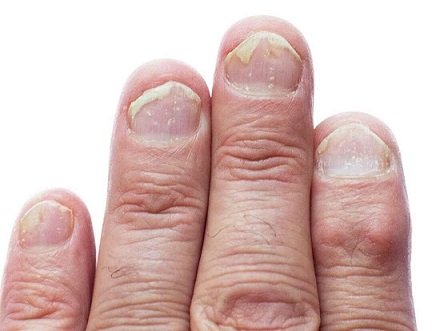
The connection between the diseases is that they are both Psoriatic diseases and are chronic in nature, meaning there are no ways that the symptoms related to them can be terminated entirely. But is that the only connection between the two conditions? Or is there more? Before delving into the connection between these conditions, let’s first take a look at what these conditions actually are.
What is Psoriasis?
Psoriasis is a chronic autoimmune disease that results in a rapid building up of skin cells, that then develop into scaly patches on the skin. One thing to note about this is that Psoriasis is an autoimmune disease, where the immune system attacks the body itself. Thus, some really common symptoms of Psoriasis are inflammation and redness of the skin around the scales, which sometimes even causes the skin to crack and bleed.
What is Psoriatic Arthritis?
Psoriatic Arthritis is the condition of Arthritis combined with the skin inflammation autoimmune disorder of Psoriasis. In simpler words, in Psoriatic Arthritis, the patient suffers from swollen, sore, and painful joints, with a buildup of inflamed patches of scale on the skin.
What is Connection Between Psoriasis and Psoriatic Arthritis?
The inference that can be drawn from knowing both the diseases is that Psoriatic Arthritis never happens without the onset of Psoriasis. In about 30 to 33% of cases of patients suffering from Psoriasis, the condition eventually also develops into Psoriatic Arthritis. In other words, it can be said Psoriatic Arthritis is a condition that develops alongside Psoriasis.
As to why Psoriasis develops into Psoriatic Arthritis, it can be understood that both the conditions are caused due to underlying immune system problems. While the immune system overloads the body with rapid production of skin cell, the same problem can cause the inflammation of the joints, causing arthritis. However, since both the conditions have their own set of distinct symptoms, researchers have often called Psoriatic Arthritis a disease inside of a disease.

As mentioned above, because of their chronic nature, the symptoms related to both the diseases cannot be eliminated altogether. However, a certain set of lifestyle changes can go a long way in reducing the chances of the conditions flaring out of control and worsen with time, ensuring that the patient can live a happy and healthy lifestyle. For any help in the case of any of these diseases, Medipulse, the top private hospital in Jodhpur, is always at your service. Visit the experts on Arthritis and other autoimmune diseases at Medipulse, where you get world-class services and assured treatment of your conditions.