


What To Eat During Pregnancy?
Pregnancy is perhaps the most miraculous thing because a woman is producing a human being inside her womb. It is extremely important to keep a check on what you are eating during your pregnancy, so that your body gets all the requisite nutrients for the baby to develop and grow healthy.
Pregnancy is perhaps the most miraculous thing because a woman is producing a human being inside her womb. It is extremely important to keep a check on what you are eating during your pregnancy, so that your body gets all the requisite nutrients for the baby to develop and grow healthy. Making the right choices in eating is important to help your body deal with the major changes that are happening.
Ideally, an expectant mother’s diet should have a balanced mix of proteins, carbohydrates and fats. Each nutrient has its own importance and contribution in helping build your baby.
1. Calcium: It is extremely helpful in building strong teeth, bones, muscles and nerves of your baby. Gynaecologists usually prescribe calcium supplements to the expectant mother right from the second trimester because that is when your baby’s bones and muscles start to develop.
2. Folic acid: It is another essential nutrient that saves the baby from any kind of neural tube defects. Doctors say that at least 600 micrograms of folic acid are essential for the expectant mother.
3. Vitamin D: It helps to strengthen the immune system of the expectant mother.
4. Iron: An expectant mother needs twice as much iron as the body normally does without pregnancy. This mineral helps in maintaining the haemoglobin levels in the body.
5. DHA: It is an omega-3 fatty acid and plays a vital role in baby’s brain and eye development. Expectant mothers need at least 200 to 300 milligrams of DHA per day.

Now that you understand which mineral and nutrient does what, it is important to have a balanced diet so that your intake is an ideal proportion of all the nutrients.
Let us list down some super-nutritious foods for you to accommodate in your meals, during pregnancy.
1. Dairy Products: During pregnancy, your body demands some extra grams of protein and calcium, for your baby’s growing bones and even to keep your body muscles strong. Dairy products include milk, yoghurt, cheese and ghee and they should compulsorily be a part of your daily diet regime. Certain varieties of yoghurt also contain probiotic bacteria that help in digestion.
2. Legumes: Legumes are the most protein-rich source of food and includes peas, beans, chickpeas, soyabeans and lentils. They are also rich in folate, iron and fiber which are very essential for your body during pregnancy. Women often complain of constipation during pregnancy as legumes help to ease out that problem.
3. Eggs: Eggs are a rich source of protein, fats and vitamins. They also have choline which is a form of vitamin B that the liver makes. It is extremely essential during pregnancy for your baby’s brain development and prevents abnormalities of the brain and spine.
4. Leafy green vegetables: Leafy green vegetables are a rich source of almost all the nutrients that your body would need. They are loaded with iron, potassium, vitamins and calcium. They relieve constipation and are also associated with a low risk of underweight babies.
5. Whole grains: They are a rich source of fibres and vitamins. Some whole grains like barley and wheat are also loaded with magnesium and vitamin B. You should make it a choice to include oats, quinoa, and brown rice in your daily meals.
6. Dry fruits: Dry fruits are rich in calories, fiber, and various vitamins and minerals. Just one serving of dry fruits can suffice for the daily prescribed requirements of vitamins, minerals, iron and potassium. Expectant mothers should add a small portion of mixed nuts in their daily diet regime.
7. Bananas: They are a rich source of potassium which helps in maintaining good levels of blood pressure. Plus, they provide immediate energy whenever you feel a strong urge to eat something.
8. Sweet potato: They're loaded with vitamin A and can serve for more than 4 times of your daily requirement. Vitamin A is essential during the first trimester when your baby starts to develop different organs and body parts.
9. Salmon: Salmon is rich in essential omega-3 fatty acids that are very essential for baby’s growth. If you are fond of non-vegetarian food, you should make salmon a part of your diet as they aid in the development of baby’s brain and eyes. However, be cautious as fish also contains mercury and other contaminants, so avoid too much of its intake.
10. Water: Expectant mothers should stay hydrated because your body needs more water as the blood volume increases. The foetus also floats in water inside the womb hence, hydration gets passed onto your baby so you should strictly watch your water intake. Increased water intake also reduces the chances of urinary tract infections which are very common during pregnancy.

If you do not like a certain food item, try giving it a twist and you can have a whole lot of delicious items to even the most non-delicious things. Remember, your growing baby will take down everything you give to it so stay cautious about your eating choices.

Can Cataract Be Cured?
Cataract is one of the most common problems that affects your vision, during the later stage of life. It is a clouding that develops on the lens that lies behind the iris and pupil. The clouding begins to develop on the lens when proteins in the eye form a lump, thereby blocking the images that form on the retina.
Cataract is one of the most common problems that affects your vision, during the later stage of life. It is a clouding that develops on the lens that lies behind the iris and pupil. The clouding begins to develop on the lens when proteins in the eye form a lump, thereby blocking the images that form on the retina. Retina sends the signals to the optic nerve and thereafter to the brain, as a result we see the clear image of everything. Cataracts generally do not block your vision initially, but slowly start to blur your vision. There comes a point when cataracts start to worsen and even hamper your daily activities. It affects both the eyes but not at the same time.

Some medical studies have identified the factors that are related to cataract during later stages of life. Some of factors include:
Ultraviolet rays
Hypertension
Diabetes
Smoking
Excessive use of corticosteroid medications
Hormone replacement therapy
Excessive alcohol consumption
Myopia
Family history
Prominent signs and symptoms of Cataract
Early diagnosis of cataract can save you from an impaired vision, thus it is important to understand the most notable signs that are caused due to cataract. The prominent symptoms of cataract are:
Clouded and blurred vision
Difficulty in seeing at night
Sensitivity in eyes due to sharp lights
Difficulty in reading in dim lights
Observing faded and yellowness in colours
Double vision in a single eye
Cure of Cataract
During the early stages of cataract, glasses with numbers can come to your rescue. But as the cataract starts to grow severe, surgery is the only cure. Cataract surgeries are by far the most safe and effective procedure, and can bring back your vision. Presently, there is no non-surgical procedure for curing cataracts. Certain studies claimed that some eye drops can slow down the progression of cataracts. It has been found that eyedrops can improve the lens transparency but no such trials have proved to completely cure cataract.

Cataract surgery is not a very long procedure and the healing process is also faster. However, since it is a surgical procedure, the risk of side-effects is always there. But there are no adverse effects and chances of chronic damage to your eyes is very low. Cataract surgery also has types depending upon the procedure your surgeon follows. Primarily, cataract surgery is done by making a small incision in cornea followed by another small incision in the capsule containing the lens. The lens is then broken using lasers or sound waves. The broken pieces are removed and a new lens is placed which is made up of silicone or plastic. The biological lens gets permanently removed and takes the place of your biological lens.
The whole surgical procedure may sound scary, but eye surgery has become a very common procedure these days. The surgery does not take much long and the whole process gets completed within 20 minutes after numbing your eye with anaesthesia. There are high chances of getting cataracts in both the eyes, and in cases where you need surgery in both the eyes, they are performed with one eye at a time.
Cataract surgery is of the following types:
Small-incision surgery: Medically, this is also known as phacoemulsification. In this procedure, a small cut is made in the cornea and the ultrasound waves are used to break down the cloudy lens and replaced with an artificial one.
Large-incision surgery: This procedure is performed only in special cases where the cataracts are huge in size and the patient is suffering from a huge vision problem. Medically, this is also known as extracapsular cataract extraction. In this procedure, the lens is not broken down but rather taken out in a single piece and replaced with an artificial one. This surgery requires a little more time to heal.
Femtosecond laser surgery: In this procedure, a laser is used to break up the lens. This kind of procedure is performed on patients suffering from astigmatism, where a curve of the cornea makes your vision blurry.
Cataract surgery has a high success rate and studies have claimed that patients are able to see with a better vision, post- surgery. The recovery process is mostly smooth and within a few weeks, the patient can continue to do his routine activities. Surgeries involve risk, and some cases have been known to cause bleeding or infection in patients, but it is a rare sight.

Covishield vs Covaxin vs Sputnik vs Pfizer
Amidst the havoc that ongoing coronavirus pandemic has created, scientists around the world have brought a ray of hope in the form of vaccines, which is by far the only way to guard oneself, against the deadly disease. Vaccines train your immune system to recognize and attack the virus, because it is a form of infection that is injected into your body to strengthen your immunity.
Amidst the havoc that ongoing coronavirus pandemic has created, scientists around the world have brought a ray of hope in the form of vaccines, which is by far the only way to guard oneself, against the deadly disease. Vaccines train your immune system to recognize and attack the virus, because it is a form of infection that is injected into your body to strengthen your immunity.

Following are some of the most notable benefits of COVID-19 vaccine:
The vaccine may not completely prevent you from catching the disease, but can save you from getting severely ill and reduce any further health complications.
Since you are safeguarded from catching the virus, you do not act as a carrier, thus breaking the chain which slows down the spread of the virus.
The virus does not replicate itself as much faster, thereby curbing the formation of any new mutations which are resistant to vaccines.

After several stages of clinical trials, FDA (Food and Drug Administration) and DGCI (Drug Controller General of India) have permitted the use of the vaccine for mass usage. The Indian government aims to vaccinate around 250 million people across the nation and the following vaccines have been permitted to be used for mass vaccination:
1. Covaxin produced by Bharat Biotech
2. Covishield produced Serum Institute of India
3. Sputnik V produced by Gamaleya Institute, Moscow
4. Pfizer-Biontech
Covishield
The vaccine has been produced by Serum Institute of India (SII). With more than 100 million doses already in the market, Covishield is provided to the government at Rs 200 per dose. Covishield vaccine course is given in two doses of 0.5ml each within a time span of 12 weeks. It can be used in emergency situations for individuals who are 18 years and above. For those who suffer from any kind of allergic reaction after taking the first dose of Covishield, should not be administered with the second dose.
Covishield is primarily the Indian version of the Oxford-AstraZeneca vaccine and is made from the weakened version of adenovirus. The virus is originally taken from Chimpanzees and further modified to replicate coronavirus. When the vaccine is injected into the person, it starts making antibodies and prepares the immune system to attack any kind of coronavirus.
Covaxin
It is claimed to be India’s first indigenous vaccine, developed by Bharat Biotech, in close collaboration and guidance with ICMR (Indian Council of Medical Research). Covaxin is developed using the inactivated vero cell derived technology. It consists of the dead virus which are unable to replicate aur mutate further, but are effective enough to make the immune system prepare for any attacks against the infection. The vaccine consists of a combination of immune-potentiators which are clinically proven to develop immunogenicity.
It is also a two-dose vaccine, to be given within a time span of 28 days. During clinical studies, Covaxin has demonstrated efficacy and effectiveness against the deadly virus.
Sputnik V
Sputnik V is produced by Moscow based Gamaleya Institute. The vaccine is developed using a cold virus as a carrier and a small fragment of coronavirus is injected into the body. It is a safe way of exposing the body to a genetically modified strain of coronavirus, so that the body prepares itself to fight against the deadly infection when contracted. Once the vaccine is injected into the body, the immune system starts making antibodies which are engineered to fight against coronavirus. Given the tropical climate and high temperatures in India, it wouldn’t be a challenge to transport and store Sputnik V as it requires around 2-8 degrees for storage.
Unlike the other two vaccines, Covishield and Covaxin, Sputnik V is given in two doses, but both are different jabs. Both the doses are developed with different vectors, to target distinctive spikes of the virus. This makes Sputnik V highly effective in fighting different mutants of the virus and provide much greater protection.
Pfizer-Biontech
The Pfizer-BioNTech COVID-19 vaccine has been authorized for emergency use by FDA under an Emergency Use Authorization to prevent the spread of COVID-19. It can be used in individuals aged 12 years or above. The formula of this vaccine includes introduction of lipid nanoparticles to the body that instructs the immune system to generate the spike protein that is found in coronavirus. The process triggers a response and anti-bodies are formed.

Side effects of COVID-19 vaccines
Following side effects can be observed in people who have been vaccinated with any of the above stated vaccines:
Fatigue
Nausea and vomiting
Fever
Headache
Joint pain or body ache
Lump or swelling at the injection site
Most side effects do not last for more than four days and it is very common to have observed one or more such side effects. They are generally the result of your immune system working harder to make anti-bodies. You should however consult your doctor if any of the side effects bother you or do not go away for a prolonged period.

Kidney Failure And Need Of Dialysis
The filters of our body, as we know them, are two bean-shaped organs and their primary function is to remove waste and fluid from our body. They also help in maintaining the blood pressure levels of the body and keep the body functions running.
The filters of our body, as we know them, are two bean-shaped organs and their primary function is to remove waste and fluid from our body. They also help in maintaining the blood pressure levels of the body and keep the body functions running. Also, kidneys produce hormones that aid further in the production of red blood cells.
Healthy functioning of kidneys is absolutely necessary to keep the blood clean from toxic wastes. It is important to understand that kidney diseases or kidney failure can prove to be fatal. Kidney failure usually leads to the following ailments in the body:
● Insufficient or disrupted blood supply to the kidneys
● Reactions to toxic substances or any kind of auto-immune attack on the kidneys
● Obstruction during urine flow.
Some prominent symptoms of kidney failure include prolonged nausea, fatigue, tiredness and swelling on parts of the body.
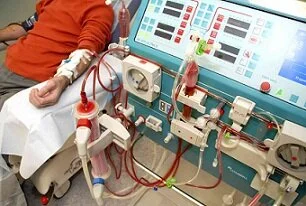
When do you need dialysis?
Kidney failure is an alarming stage where only two procedures can cure the ailment: kidney transplantation or dialysis. As and when there are signs and symptoms of kidney failure, one should immediately start with dialysis. In many cases, kidney failure does not show any evident signs and symptoms but your lab results and GFR report show poor kidney function. In such cases, the doctor may start your dialysis to reduce the complications and chances of complete kidney failure.
How does dialysis help?
The procedure of dialysis is required when more than 90 percent of the kidney cannot function properly. The need for dialysis is also measured by the GFR (Glomerular Filtration Rate), which measures the stage of kidney disease and how soon the dialysis needs to start. GFR tells your doctor about the current situation of your kidney functions and will accordingly plan your dialysis schedule.
Dialysis is a procedural way of filtering and purifying the blood and removing toxic waste from the body, using a machine. Basically, the dialysis machine replicates the function of kidneys to keep the body functions running. Dialysis removes extra salt and other toxic wastes from the body thereby preventing its accumulation. It also helps in maintaining a certain level of important chemicals in the body such as potassium, sodium and bicarbonates.
Dialysis is of following two types and your doctor shall decide which one shall suit your body. This majorly depends upon the age and other comorbidities that you are suffering from.
1. Hemodialysis: In this procedure, the blood of your body is filtered outside the body and then again put back in the body. In order to conduct this procedure, a minor surgery is done on your leg or arm, to make an entrance to the blood vessels. The blood is then passed through a hemodialyzer to remove the toxic waste.
2. Peritoneal dialysis: In this procedure, the blood is cleaned and filtered inside the body with the help of a fluid that is injected into the body. The fluid is injected into the abdomen and it absorbs all the waste from the blood that passes through the abdominal cavity.
Can kidney failure be permanently cured?
Kidney failure is a kind of severe damage to your organs and may require prolonged treatment and dialysis, for the kidneys to function better. If the kidney failure is acute, the kidneys can get better after treatment or after certain sessions of dialysis. In cases of chronic kidney failure, the patient may have to depend on dialysis for the rest of their lives, since the kidneys are permanently disabled to function properly. In such cases, the only cure is kidney transplant.
Usually after starting dialysis, it may become a permanent part of your life. But you should always take care of your body with proper nutrition and a healthy diet to benefit from dialysis and to maintain healthy functioning of kidneys.

When And Why Do You Need Insulin?
Insulin is an essential hormone that is produced by the pancreas. Insulin helps to break down the food into glucose which is then used as a source of energy by the body. The glucose enters each and every cell of the body to provide energy and keep the body functions running.
Insulin is an essential hormone that is produced by the pancreas. Insulin helps to break down the food into glucose which is then used as a source of energy by the body. The glucose enters each and every cell of the body to provide energy and keep the body functions running. The major role of insulin is to maintain glucose levels in the body. When glucose levels increase in the body, insulin hormone signals the body to store the excess in the liver, which is used intermittently when glucose levels decrease. Now that we understand the importance of insulin for our body, it is inevitable that its deficiency in the body can lead to serious health issues.

Diabetes is a medical condition where the body produces very little insulin or does not produce insulin at all. Diabetes is categorised as Type 1 and Type 2, depending upon the change in function of pancreas.
Type 1 diabetes is a condition that can develop even in adulthood. This is an auto-immune disease where the body does not produce insulin at all or produces very little insulin which is highly insufficient to conduct the function it requires to do. Someone who has type 1 diabetes, has a very weak immune system, causing destruction of insulin producing cells in the pancreas and hence, they have to rely on insulin intake to maintain the glucose levels.
Type 2 diabetes is usually contracted later in life and under this medical condition the body is unable to make efficient use of the insulin produced. This is also referred to as insulin resistance. The long-term effect of type 2 diabetes is that the body over produces insulin to keep the glucose levels normal and perform the same function as normal insulin production does. Over a period of time the insulin producing cells exhaust and patients have to depend on insulin intake to keep the body functions running.
Use of Insulin in Diabetes
The major role of insulin is to make the body act like the pancreas is working normally and allow the body to function as a healthy one. Insulin injections are needed to cure both types of diabetes. For patients with type 1 diabetes, insulin intake acts as a supplement, since their pancreas does not produce insulin. For patients with type 2 diabetes, insulin injections are needed to control the glucose levels in the body.
If your blood glucose level is excessively high while you are suffering from type 2 diabetes, the doctor may prescribe you insulin because that immediately brings down the blood sugar levels. The cells of your body that have been constantly working overtime to bring down your blood sugar levels, are saved from draining off. Insulin is not known to cause any adverse side effects because it is just an artificial version of the hormone that the pancreas produces. Also, insulin works much faster than usual medications, and patients who suffer from type 2 diabetes for a longer period of time, become resistant to diabetic medications.

Insulin therapies are prescribed depending on the bodily conditions such as type of diabetes, glucose levels, lifestyle and fluctuations in blood sugar levels. If someone is practicing intermittent fasting, the liver releases the stored glucose. In such cases intermediate-acting insulin is prescribed which enables the body to use the released glucose and prevents sudden spike in the glucose levels. Rapid or short-acting insulin are usually taken immediately after the main meals of the day. They act fast and break down the food into glucose, but work only for about four hours.
Diabetes is a disease that can only be prevented by maintaining a healthy lifestyle that includes physical exercises and a balanced diet. Also, one should avoid consuming excess sugar because this can create an adverse impact on the normal body functions.

When Do You Need A Root Canal?
Root canal is a dental procedure which is used to give a new life to your decaying tooth. When a tooth is infected and the decay gets into the soft core or pulp of the teeth, it becomes inflamed. The situation can become gruesome and can completely damage your teeth and it even becomes necrotic.
Root canal is a dental procedure which is used to give a new life to your decaying tooth. When a tooth is infected and the decay gets into the soft core or pulp of the teeth, it becomes inflamed. The situation can become gruesome and can completely damage your teeth and it even becomes necrotic.
When the soft core or pulp is damaged, it starts decaying and the bacteria begin to multiply ten-folds. The bacteria can cause severe infection or abscessed tooth. An abscess is a pus-filled pocket that can begin to form on the root of the tooth. It may also cause swelling on other parts of the face which can come down to the neck. If not timely treated, the infection can also cause bone loss around the tip of the root.
During root canal procedure, the pulp that is highly infected or decayed is completely removed and the inside portion is cleaned and sealed. Root canal can be performed by a dentist or in certain cases, you need a root canal specialist, known as endodontist.

Generally, a dentist does the following four things, to give your teeth a new life:
● Remove the pulp that is infected with bacteria.
● Remove the root or nerve if the infection is severe
● Clean the area with antibiotics
● The empty roots are filled up using foreign subjects.
● The hollow area is sealed to prevent any further decay
Root canal procedure saves your tooth from decaying further, but at the same time makes it fragile and weak. Before this procedure, the patient is given anaesthesia to numb the infected area, because it is painful to get a root canal done and it may even cause slight discomfort for a few days.
How to know if you need a root canal?
When the infection begins to develop, it gives several signs and symptoms to watch out for. Any delay in getting the root canal procedure done can have serious repercussions. If you experience any one of the following symptoms, you should visit your dentist, because the sooner your tooth will be treated, the better it is.
1. Severe and persistent pain: If you are experiencing constant pain while chewing or biting and the pain is persistent and does not really go away with any sort of numbing medicines or painkillers, it can be an indication that your tooth is decaying and you immediately need to treat this with a root canal procedure.
2. Sensitivity to hot or cold food items: Sensitivity should not be mixed with the problem of tooth decay, but it could still be one of the reasons, citing that your tooth is infected. The pain can be usually felt as a sharp pain and can persist for a long period of time. If the pain continues even when you are not eating anything too hot or too cold, then perhaps it is time for you to get a root canal done.
3. Swelling in the gums: If you have developed swelling over the gums, this indicates that your tooth below the gums is infected and you may need a root canal. The swelling generally does not go away and it hurts when you touch the swollen area. Swelling is generally caused due to acid released by the dead pulp tissue.
4. Discoloration of tooth: When a tooth is infected it causes the breakdown of internal tissue which also causes severe damage to the roots. This causes the tooth to become greyish-black in colour which is also known as discoloration of the tooth. If you are experiencing a change in colour of your tooth, it is a sign that you need to immediately see a dentist.
5. Loosening of tooth: When a tooth is severely infected, the nerve gets severely damaged and it is a serious issue which is also termed as pulpal necrosis. This causes the tooth to become loose. The infection results in acidic waste which softens the root of the tooth, causing it to lose its mobility. It is an indication that you immediately need to get the root canal procedure done.

If you observe any of the above stated signs and symptoms, do not ignore and consult your dentist for appropriate treatment.

Understanding The Difference Between A Fertility Specialist And OB/Gyn
Motherhood is perhaps the most beautiful feeling that a woman can experience. When you are genuinely trying to have a baby but face fertility issues, it might lead to an emotional roller-coaster. The frustration keeps building, the sooner you see a fertility specialist, the better it is.
Motherhood is perhaps the most beautiful feeling that a woman can experience. When you are genuinely trying to have a baby but face fertility issues, it might lead to an emotional roller-coaster. The frustration keeps building, the sooner you see a fertility specialist, the better it is. Some medical help to tackle your fertility issues can give you a ray of hope and assist you while you try to add a new tiny one to your family.
An obstetrician or gynaecologist is generally your first go-to-place for any female reproductive health issues. However, when you are specifically seeking some medical aid to get pregnant, an obstetrician or gynaecologist may not come to your rescue. They need to have some specialised qualification to help patients with fertility issues. It is important to understand the distinction between a fertility specialist and Obstetrician/Gynaecologist, so that you consult the right medical expert for your fertility issues. Fertility specialists are obstetrician or gynaecologists who have undergone specialised training for reproductive endocrinology. They undergo extra training to assist patients who are struggling with fertility issues.

When to see a fertility specialist?
While you have been trying to conceive a baby, but your efforts are unsuccessful, you can reach out to your obstetrician or gynaecologist. They suggested ways to improve your chances of conception, and perform some necessary check-ups to identify where the problem lies. They may also suggest you to keep a check on your ovulation cycle so that you try conception at the right time. But if you experience any of the following issues, you should consult a fertility specialist, because there is a limitation to what an obstetrician or gynaecologist can do.
1. If you have been trying to have a baby for over a year, but the conception did not happen, a fertility specialist will run a series of tests on you to identify the problem and may put you on certain medications.
2. If you have a history of miscarriages, there is a greater possibility that you have a reproductive issue if you have had repeated miscarriages, three or more, consecutively.
3. If you have been diagnosed with fertility issues or inappropriate uterus environment
4. If you are more than 35 years and you wish to conceive a baby. It is important to understand the possible health issues at an age when the natural biological clock starts to slow down.
5. If you or your spouse have conditions which do not favour conception like PCOS, endometriosis, pelvic inflammatory disease, undescended testicles, low sperm count or any other medical condition causing infertility.
How can a fertility specialist help?
When natural conception is taking longer, your fertility specialist will also tell you ways about artificial conception like IVF (in-vitro fertilization). For this, they may have to dig a little deeper by running some tests. When the actual problem is diagnosed, the fertility specialist will guide you towards assisted reproduction. Physical examinations such as clinical breast exams or pap smear are conducted on women. Ultrasound and other diagnostic tests are also conducted to get to the accurate results.
When you approach a fertility specialist, the first thing your specialist does is to conduct a natural diagnosis of your problem. Once your fertility issue is identified, your specialist may suggest medications or procedures that may aid in conception of a child. They help you and your partner understand the possible course of treatment. They are your guiding experts who assist you throughout the procedure and are available to clear out any doubts that may arise. They persistently monitor your health if you have undergone any assisted reproduction procedure.

Depending upon how far you can go to have a baby, you must immediately reach out to a fertility specialist. There is so much that they can do, to help you get your little bundle of joy.

Mucormycosis Or Black Fungus Infection- Causes and Symptoms
Mucormycosis or black fungus is a rare fungal infection caused by a group of molds called mucormycetes. Mucormycetes are present in the environment and they enter the human body either through artificial oxygen support that is given to severe COVID-19 patients or in some cases other environmental factors like use of contaminated water to produce medical oxygen.
Mucormycosis or black fungus is a rare fungal infection caused by a group of molds called mucormycetes. Mucormycetes are present in the environment and they enter the human body either through artificial oxygen support that is given to severe COVID-19 patients or in some cases other environmental factors like use of contaminated water to produce medical oxygen. Use of certain combinations of steroids for treating COVID patients has also emerged to be one prominent reason as to why COVID survivors are complaining of black fungus. Patients with a low-immunity level or have compromising health conditions like diabetes, cancer or HIV, are more prone to the risk of getting caught with this infection.
Currently, this fungal infection has created much havoc nationwide, until much recently this was considered to be rare, but is now showing devastating effects.
Where Does Black Fungus Attack?
Mucormycetes enter the body through nose, mouth or eyes and directly attack the sinus cavities, chest cavities and lungs. If not treated in time, the infection can prove lethal and cause brain damage, ultimately causing demise of the infected. Unhygienic way of delivering oxygen to the patients, provides an entry point to the molds to enter the body. The infection is not contagious and does not spread from one person to another, unlike coronavirus.

Symptoms of Mucormycosis or Black Fungus
Black fungus, until recently, was a rare fungal infection, with only a few cases reported across the globe. But it has now emerged as a new catastrophe, which needs immediate treatment. Black fungus has a very high mortality rate hence, it is important to be cautious and look out for the symptoms, well on time. The infection majorly attacks parts of your face and can cause severe facial deformities. Medically, this is also referred to as “rhino-orbital-cerebral-mucormycosis”. The infection causes acute swelling and inflammation across the sinus passage. Other symptoms one should look out for are:
Formation of black crust around the nose: One most prominent symptom of black fungus is swelling and black crust formation around the nasal passage. If left untreated, the infection grows to take a more severe form, causing mutilation of a person’s nose and may even require surgery to fix the jaw bone or any other facial structure.
Swelling and Inflammation on cheeks and eyes: We might sometimes ignore any chronic swelling or inflammation around the eyes or cheeks, but in the current scenario, these could be symptoms of black fungus. Any sort of numbness, or inflammation on one side of the face should be immediately attended to. Patients these days are also complaining of necrosis-like symptoms, which could possibly be due to black fungal infection.
Chest pain or pulmonary infections: The infection causing molds enter through nasal passage or inhalation and can directly attack the respiratory passage and lungs. The noticeable symptoms would be nosebleeds, nasal blockage, numbness or loss of sensation across parts of the face. This is also referred to as pulmonary mucormycosis.
Acute headache: When the black fungus travels to the brain, it causes acute headaches, inflammation around the forehead and redness. This is the most severe stage where any ignorance or lack of treatment could lead to loss of memory, loss of cognitive functions or brain damage.
Partial/Complete loss of Vision: Black fungus can also partially or completely damage the vision, if it attacks the retinal nerves. If you experience any sort of redness, irritation or pain in the eye, immediately consult the doctor.

Prevention of Black Fungus
Since the primary cause noted for black fungal infection is unhygienic health conditions, it is important to maintain a strict level of cleanliness, especially if you are a person suffering from health comorbidities. Nasal care and good hygiene are the only ways by which you can keep the infection at bay. India witnesses a large population of diabetic patients, and studies claim that black fungal infection can severely and promptly attack those who have high sugar levels. Thus, it is advised to maintain your sugar levels and be aware of the symptoms, in order to start immediate treatment in case of infection.

Pelvic Pain
Pelvic pain affects the lowest part of the abdomen, mostly between the belly and the groin. The pain is usually felt as throbbing, burning or heaviness in the lower abdomen. Pelvic pain can occur both in men and women, and the possible onset for pelvic pain can be certain types of infections, abnormal functioning of some non-reproductive internal organs or pain that is generated from the pelvic bones.
Pelvic pain affects the lowest part of the abdomen, mostly between the belly and the groin. The pain is usually felt as throbbing, burning or heaviness in the lower abdomen. Pelvic pain can occur both in men and women, and the possible onset for pelvic pain can be certain types of infections, abnormal functioning of some non-reproductive internal organs or pain that is generated from the pelvic bones. In women, pelvic pain can be a symptom of any abnormalities in any one of the women’s reproductive organs, like the uterus, ovaries, fallopian tubes, vagina or cervix.
Women who suffer from pelvic pain describe the intensity of the pain which ranges from being mild to very intense. Pelvic pain that is caused due to any sort of infections may develop slowly over a period of time and get worse as they persist. In women, pelvic pain also occurs as cramping during menstruation. If the pain is generated due to any abnormalities in the reproductive, digestive or urinary system, the pain is felt during sexual intercourse, urination or regular bowel movements. In some severe cases, pelvic pain is also caused due to presence of cancerous tumours in the bladder or colon.
It is very important to understand the severity of pelvic pain because if the pain persists, the underlying cause can prove to be life-threatening. Thus, if you experience mild or severe pelvic pain which is persistent over a period of time, you should immediately seek medical care.

Causes of Pelvic Pain
Pelvic pain can occur due to various reasons, hence, it is important to understand the underlying cause of your pelvic pain so that the right and effective treatment can be started.
1. Menstrual Cramps
One of the most common causes of pelvic pain in women are menstrual cramps. In most women, pelvic pain and menstrual cramps start a day or two before the start of menstrual cycle while in some cases, the pain continues for 1-2 days after the beginning of menstrual cycle. Menstrual cramps are usually throbbing in intensity and women might feel muscular contractions, because the uterus sheds its lining during the menstrual cycle. In cases of severe pain, use of warm heating pads and pain relievers can come to the rescue.
2. Ovulation
Some women experience painful ovulation. Ovulation is a process in which the ovaries release eggs and some fluid which travel down to the uterus. The released fluid can sometimes cause irritation and pain in the pelvic region.
3. Cystitis or Urinary Tract Infection
Cystitis is a medical condition which causes inflammation in the bladder and is mainly caused when vaginal or rectal bacteria enter the bladder. On the other hand, urinary tract infection is caused anywhere in kidneys, urethra, bladder or ureters. One major symptom of both these infections is severe pelvic pain apart from painful urination, bleeding between menstrual cycles and vaginal discharge.
4. Pelvic Inflammatory Disease (PID)
Pelvic inflammatory disease (PID) is an infection that occurs in the female reproductive organs. The major cause of PID is found to be an untreated sexually transmitted disease, such as chlamydia or gonorrhea. If the PID bacteria enters the womb, it can permanently damage the surrounding tissues. Pelvic pain is one of the prominent symptoms of PID along with fever, painful urination or painful intercourse.
5. Endometriosis
Endometriosis is a medical condition in which the tissue that lines on the inside of the uterus begins to grow on the outside. It may cause mild to severe pelvic pain, in women. When the menstrual cycle is about to begin, the tissue that has developed on the outside causes bleeding, pains and inflammation in the pelvic region.
6. Bowel Syndrome
Bowel syndrome is an abnormality causing constipation, diarrhoea and bloating. If the problem persists for a longer time, it causes severe pelvic pain. There is no specific treatment for a bowel syndrome but it can be cured through changes in diet and medications.
7. Appendicitis:
Appendix is the smallest organ of the body which is located in the lower-right abdomen. Appendicitis is a medical condition which causes inflammation or enlargement of the appendix. This problem is known to cause severe pain in the pelvic region.

8. Urinary stones
Stones are usually found in bladder or kidneys and are mainly made up of salts, minerals and calcium. When they develop large in size, they cause the urine to change colour, painful urination and blood in the urine. Stones in the gall bladder and kidneys and known to cause severe pelvic pain and pain in the lower back.
9. Ectopic pregnancy
An ectopic pregnancy is one of the most life-threatening conditions that occurs to the body of a woman. It occurs when the embryo starts to grow on the outside of the uterus. This kind of pregnancy is known to cause severe pains, cramping in the pelvic region and vaginal bleeding.
10. Ovarian cysts
The major role of the ovaries is to release eggs for reproduction. When ovaries become clogged, they fail to release the egg and an unwanted cyst begins to grow in the area. These ovarian cysts are known to cause severe pelvic pain and require immediate medical assistance.
11. Uterine Myomas
Myomas or fibroids are lumps of muscle and tissues that begin to grow within the uterus. While most of the fibroids are non-cancerous in nature, they cause severe pain in the pelvis and lower back. When fibroids begin to outgrow the blood supply, they can cause chronic pelvic pain that requires immediate medical assistance.
12. Tumour:
In some cases, a benign cancerous growth is found in the reproductive organs or gastrointestinal organs, which causes pain in the pelvic region. This can happen with both men and women, and requires medical assistance for its diagnosis and treatment.
If you begin to observe sudden pains or any sharp burning sensation in the abdominal area, you should immediately seek medical attention, because ignoring any sort of pelvic pain will only prove to degrade your health condition.

Protecting Yourself Against HPV
Human papillomavirus (HPV) is by far, one of the most common and contagious sexually transmitted diseases (STD). HPV infection is caused due to a virus, which is said to have more than 100 types of strains. A few of the HPV infections cause mucous membrane growth on the skin which are also known as warts.
Human papillomavirus (HPV) is by far, one of the most common and contagious sexually transmitted diseases (STD). HPV infection is caused due to a virus, which is said to have more than 100 types of strains. A few of the HPV infections cause mucous membrane growth on the skin which are also known as warts. The other types of virus strains cause different types of cancers around the genitals, anus, vagina, penis and vulva. The infection is highly contagious and the infected person may or may not develop any symptoms, but can still be a carrier and infect the others through sexual or intimate skin contact.
HPV can prove to be deadly when the infected person starts to develop cancer of the genitals and cervical cancer. Hence, it is highly important to protect yourself against HPV, either through vaccination or taking precautions while being sexually active. Preventing yourself from the HPV virus should be your first defence measure.
How to protect yourself from HPV virus
One should understand the severity of HPV and follow the below mentioned strategies to protect themselves from contacting the deadly virus.
1. HPV vaccination to avoid HPV cancers and skin warts: The HPV vaccine is effective enough to protect against the HPV infections that cause most cervical cancers and cancer of the genitals including anal, vaginal, vulvar, penile, and oropharyngeal cancers. Since most HPV infections spread through sexual contact, the HPV vaccination proves to be highly effective when given before the person becomes sexually active. If you are aged between 15-45 years, the vaccine is given is 3 separate shots in a duration of about six months.

2. Limit the number of sex partners: Another effective way to prevent yourself against the HPV virus is limiting the number of sexual partners. Higher the number of active sexual partners, the higher is the chance for you to get infected with HPV. Being in a mutually monogamous relationship will also help, as this will ensure that your partner is sexually active with none other than you.
3. Use of condoms: If you have an active sexual life, it is highly important for you to use condoms while you are involved in any kind of sexual activity, be it oral, anal or vaginal sex. This will considerably bring down the chances for you to contact the HPV infection. Use of latex condoms is considered to be highly effective. However, HPV can also attack those areas of your skin which are not covered by condoms, but it still offers a greater probability of safeguarding yourself from the infection.
4. Timely screening for women to catch precancers: In some women, HPV infection begins to change the cells of the cervix which later on develop into cervical cancer. It is very important to conduct timely screening so that early detection and treatment can prevent the infection from becoming cancerous. There are mainly two types of tests that are used for the screening of HPV infection to check for cervical cancers. One of the tests is a Pap Test which is done by collecting cells from the cervix and checking for any abnormal cell growth. The other type of test checks for the presence of any virus rather than abnormalities.

Presently, there are no specific medical tests to find out about the HPV infection in a person. However, tests may be conducted to investigate cervical cancer or precancerous. These tests are also conducted only in women who are more than 30 years of age. There are also no specific signs and symptoms to know whether a person has HPV infection or not, which is why most people never know that they are infected and unknowingly become carriers of this infection. Even if the person is infected, it may take a few months for them to develop symptoms like warts on the skin and other health problems. It is suggested that women above 30 years of age should regular see their gynecologists for Pap tests, to diagnose any precancers or cervical cancer.
Treatment for health problems caused by HPV
There is no specific treatment for the HPV virus, however, medical experts have laid down certain treatments to bring down the effect of health problems caused due to the HPV virus.
1. Genital warts: Warts can start to develop in any part of the genitals and if left untreated they keep growing in size and number. Warts can be treated with proper medication, so it is important to consult a healthcare provider as and when you notice such developments around your genitals.
2. Cervical precancer: Prevention is the first tool of defence and women who undergo regular Pap tests are able to diagnose and significant chances of precancers. If pre cancers are treated well on time, the chances of developing cancer reduces significantly.

Returning To Work After Maternity: Tips, Tricks To Keep Organized And Decrease Anxiety
The beginning of maternity leave serves great pleasure as you feel you have ample amount of time with your little one. But soon after a few weeks, the greater transition comes when you have to return to your workplace, that too leaving behind your little child.
The beginning of maternity leave serves great pleasure as you feel you have ample amount of time with your little one. But soon after a few weeks, the greater transition comes when you have to return to your workplace, that too leaving behind your little child. Returning from maternity leave is perhaps the most difficult emotional roller coaster that a new mom gets through. It triggers different feelings where you would want to be with your child and on the other hand, you would also want to keep a balance with your career and job. Even the thought of returning back to work after maternity leave is very stressful, leave aside when the day of returning actually arrives. Being away from your baby and adjusting to the whole new challenge of getting back to the workplace, can be physically and mentally exhausting.

It is very important to create a balance between your motherhood and professional life, but that should not come at the cost of making you feel guilty. Never feel that if you are returning to work, it would make you less good of a mother. Rather, you are setting an example for your little one that being a mother offers you with great superpowers to balance both home and professional life.
Tips to Ticks to Keep Yourself Organized and Decrease the Anxiety
Never feel guilty: Guilt is an emotion that triggers inside us while doing something wrong. But, if you are a new mother, it is important for you to understand that while you decide to return to work to support your family or balance your career, you choose to do nothing wrong. You may feel a little anxiety about leaving your child, but let go of the guilt, to remain stress-free.
Get in touch with your employer: A little anxiety before returning to work is inevitable, so talking to your employer in advance might bring down the stress level. Having a casual conversation with your employer will give you insights on new projects that are currently going on, any other technical changes that you need to have hands on, and this will help to get comfortable at the workplace. You can also place requests with your employer, if you want flexible working hours or flexibility in meeting deadlines with projects. Also, speak to your employer about your responsibilities and workload during normal days, so that you can adjust your breastfeeding time, day-care management and new work schedule. When you are at your workplace, try speaking to some new mothers to know how they manage work after maternity leave.
Practice Dry run: A dry run is a kind of practice day that you should follow a day or two before the actual day of returning to office. This will give you insights about how much time you need to breastfeed your baby, how many hours will it take to reach the office and day-care and other small kinks. Spend a day with the child-care provider to know about your child’s needs and what it takes to make him feel comfortable with the new environment.
Get organised a night before the actual day of return: Organising all the stuff and getting prepared for the next day, makes the morning easier and hassle-free. Decide on your clothes, change your handbag, put all the important stuff, prepare the baby's bag with diapers, wipes, nappies, clothes and toys, a night before. After a tiring day you might not feel the need to keep things organised, but it is surely an effective way to save plenty of your time and keep you stress free.
Find the right amount of work: While you were away on your maternity leave, the workplace must have gone through various changes and you might feel outcast or sidelined. Just make sure to fulfil all your work commitments that you are expected to do as a professional. If you are not given any challenging assignments, due to the fact that you just had a baby, go ahead and ask for it, if you think you are prepared. It will always be challenging to manage a child and your workplace responsibilities, but with the right balance, the whole schedule can be less chaotic.
Try and Cope up with stress and tiredness: Try and carve out special time to bond with your little one so that he or she does not feel that there is any sort of growing distance between you two. You would also have to learn to balance the most difficult part of the day, which is when you return from office and your child also returns from day-care. Both you and your child would be very much tired during that time of the day, but you need to have patience. Slowly and gradually, your baby will also be aware of your routine and he might know what to expect next.

At times, you might sit down and re-consider the idea of returning back to work. Many new mothers start to feel that returning to the workplace was a bad idea. All new mothers have to struggle in the initial days so that there is no lag with their careers. Initially, it may be very psychologically and physically challenging, but once your routine is sorted, everything will fall into place. During this time, do not forget to take good care of yourself, and remember nobody gets to perfection immediately.

Diagnosis And Management Of Anaemia Before Gynecologic Surgery
Anaemia is a medical condition in which the red blood cells become inefficient and are unable to carry oxygen to the tissues and organs of the body. It is important to understand the severity of anaemia and start your treatment accordingly.
Anaemia is a medical condition in which the red blood cells become inefficient and are unable to carry oxygen to the tissues and organs of the body. It is important to understand the severity of anaemia and start your treatment accordingly. If you are anaemic, you are likely to feel fatigue and tiredness all throughout, even when you are not much involved in physical labour.
Symptoms of Anaemia
The following are some of the common and established symptoms of anaemia:
Fatigue
Weakness
Pale or yellow skin
Irregularity in heart rate
Shortness of breath
Dizziness
Chest pain or congestion
Cold hands and feet
Headaches

Diagnosis of Anaemia
It is important to look out for signs and symptoms, to check whether your body is anaemic. Signs and symptoms of anaemia can vary depending upon the cause of anaemia. It is important to understand the underlying cause of anaemia, only then your doctor can start your treatment. This is because treatment for one type of anaemia can prove to be dangerous and ineffective in curing the other type of anaemia. The following are some of the established causes of anaemia:
Anaemia caused due to iron deficiency:
This is the most common type of anaemia and is caused when the body is unable to produce red blood cells, due to deficiency of iron. Our bone marrow produces haemoglobin for the red blood cells and when iron deficiency attacks the body, the red blood cells fall short of haemoglobin, causing tiredness and fatigue. In young women, iron deficiency generally occurs due to heavy menstrual bleeding. Other causes of this type of anaemia are use of pain relievers, history of ulcers or cancer.
2. Anaemia caused due to Vitamin deficiency:
Our body needs vitamin B-12 to produce healthy red blood cells that can carry oxygen and haemoglobin throughout the body.
3. Anaemia of inflammation:
Chronic diseases like cancer, HIV, AIDS, kidney diseases, colon diseases and other inflammatory diseases can obstruct the production of healthy red blood cells in the body.
4. Aplastic anaemia:
This is a rare condition of the body which occurs due to use of certain inflammatory medicines, infections or any autoimmune diseases. If your body is under the attack of aplastic anaemia, it will not be able to produce enough of healthy red blood cells.
5. Anaemia associated with a bone marrow disease:
Certain diseases like leukemia and myelofibrosis, can cause anaemia as they hamper production of haemoglobin by affecting the bone marrow.
6. Sickle cell anaemia:
This type of anaemia is generally a genetic disease. Under this condition, the haemoglobin of the body is defective and causes the red blood cells to form a crescent shape. These oddly shaped red blood cells die prematurely, causing a shortage of healthy red blood cells in the body.
Managing and Treating Anaemia- The Right Way
It is important for your doctor to identify the root cause of your anaemia and start treating it the right way.
If anaemia is caused due to blood loss, the patient is treated with fluids, blood transfusion, oxygen and iron. This will help the body in building new red blood cells.
If anaemia is caused due to iron deficiency, iron supplements that contain ferrous form of iron will help the body cope with iron deficiency. During the treatment, it is important to monitor red blood cell counts, haemoglobin and ferritin levels.
Anaemia caused due to Vitamin B12 deficiency is treated with Vitamin B12 pills and injections. If the patient has folate deficiency, it is treated by folic acid supplements.
If the anaemia is caused due to any chronic ailment like a kidney disease, it is treated with recombinant human erythropoietin, which stimulates the production of red blood cells in the body.
If anaemia is caused due to red blood cells destruction, intravenous fluids and pain medication are given. A blood transfusion is also done in cases where medication does not come to the rescue.
If anaemia is caused due to production of sickle red blood cells, in most cases, will require a bone marrow transplant.
Managing Anaemia before Gynecologic Surgery
Managing anaemia before a patient is subjected to Gynecologic surgery forms an important part of Patient Blood Management and is often termed as checking the preoperative anaemia.
Even if the patient is suffering from a mild preoperative anaemia, it can increase the chances of mortality, when the patient is subjected to any kind of gynecologic surgery. It might also pose serious risks in blood transfusion and the chances of further blood loss increase ten-folds in such cases. It is thus, highly crucial to subject the patient to preoperative anaemia screening. This will allow time to conduct further workup and treatment and raise the haemoglobin levels.
If the patient is at multiple preoperative risks, a gynecologic surgery will further put the patient’s life at risk, for any transfusion, intraoperative organ or a difficult postoperative period. While we talk about managing anaemia before any major gynecologic surgery, a thorough risk assessment and patient blood management (PBM) should be conducted with specific procedures laid down for improving the haemoglobin levels.
In major gynecologic surgeries, a preoperative Hb <13 g/dL should be considered suboptimal women, and if the level is below the range then procedures will be started to improve the levels. If the patient needs to be put to immediate surgery, oral iron or intravenous iron formulations should be infused.