
Honey Mathur Honey Mathur

How safe is it for you to get the Covishield vaccine? Does it protect you against all variants of COVID-19?

Covishield is a COVID-19 vaccine developed by Oxford University & AstraZeneca, which is a British-Swedish company. In India, the vaccine was developed by the Serum Institute India in partnership with the

Call now for appointment
Covishield vaccine

Covishield is a COVID-19 vaccine developed by Oxford University & AstraZeneca, which is a British-Swedish company. In India, the vaccine was developed by the Serum Institute India in partnership with the previously mentioned companies. In January 2021, when the COVID vaccination drive started in India, only two vaccines were initially approved by India’s drug regulators, Covishield and Covaxin.

To stand behind their product, the CEO of the Serum Institute India Mr. Adar Poonawala, took the first dose of the Covishield vaccine on the first day of India’s COVID-19 vaccination drive. Since then, Covishield has become popular among the masses, with people waiting for Covishield to be restocked at vaccination centres instead of getting vaccinated with the other available vaccines, potentially risking their well-being in order to choose Covishield over other vaccines.

However, there are some issues with Covishield, with reports of people losing their lives over the side effects of the vaccine in various parts of the world. As experts are suggesting that vaccines might become less effective given the new mutations/variants of COVID that are presenting themselves regularly, how safe are you from COVID-19 after being fully vaccinated using Covishield? Let’s learn more about the efficacy of Covishield against the various variants of COVID-19.

How Effective Is Covishield Against The Various Variants Of COVID-19?

Even though vaccines are used to make people immune to any disease, the COVID-19 vaccines, none of them are currently able to provide 100% immunity against the virus. One of the main reasons for that is the virus is ever-evolving, and because of that, the vaccine’s efficacy drops when the virus mutates and becomes more resilient and transmissible.

One of the best parts about Covishield is that the efficacy of this vaccine does not vary in terms of its effectiveness against the different variants of COVID-19. As of now, the reported data suggests that Covishield is 63% effective against COVID-19 for the SARS CoV 2 and delta variant of the virus. The efficacy data against the Omicron variant of the virus have not been released yet because it is quite new as of yet, and trials and test results have not been released yet.

According to the WHO, any COVID vaccine with an efficacy rate above 50% can be used to control and limit the spread of the pandemic and eventually end the pandemic overall. The efficacy rate mentioned above for Covishield is only for its ability to make the masses immune to the virus. This means that after getting fully vaccinated with Covishield, you become 63% immune to COVID-19. However, as COVID vaccines are not currently able to provide 100% immunity against the virus, it works by improving your body’s ability to cope with COVID infections and reducing the possibility of you developing advanced COVID infections.

Covishield has an efficacy rate of 85% in reducing the possibility of you developing severe or advanced cases of COVID-19. Currently, the goal of vaccination is to improve the mortality rate of COVID-19 and Covishield works great mainly because the protection of Covishield does not vary according to the different variants of COVID, as per current reports in 2022.

Final Thoughts

According to reports, 88% of all COVID vaccines administered in India have been Covishield. The outpouring of support for this vaccine shows how much it has been able to make the masses feel safer about vaccination. Regardless of its side effects, Covishield remains the most popular COVID vaccine in India. With the booster dose announced in January 2022, there is no surprise that this vaccine will continue to be popular among Indians.

If you are looking for the best COVID vaccination service in Jodhpur Rajasthan, please be sure to visit Medipulse hospital. For more information about their vaccination program, visit the hospital website.

Call now for appointment
Read More
Honey Mathur Honey Mathur

What you need to know about Corbevax the new patent free COVID vaccine

Corbevax was developed by the Texas Children’s Hospital’s Centre for vaccination research and Baylor College of Medicine in Houston, Texas, of USA. In India, this vaccine has been licensed to Biological E
Call now for appointment
Corbevax

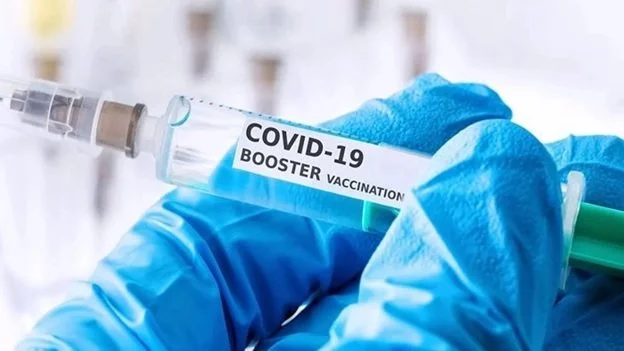
Corbevax was developed by the Texas Children’s Hospital’s Centre for vaccination research and Baylor College of Medicine in Houston, Texas, of USA. In India, this vaccine has been licensed to Biological E Limited for development and production. But what is a patent-free vaccine?

A patent-free vaccine means that the production and development of this vaccine does not require manufacturers to pay a hefty patent fee to the original developers, which in turn keeps the cost of the vaccine down, making it more affordable for people in all sections of society.

On average, currently, two doses of Corbevax can cost around $5, which translates to around 400 Rupees. If you were to buy and get any other vaccine available in India, it would cost you over Rs 1,000 even for a single dose in some cases. So, the low manufacturing and selling cost of Corbevax can be helpful in reducing the vaccination availability gap between the rich and poor sections of society.

Corbevax has many more great features and benefits that makes it a great vaccine in the world’s fight against COVID-19, so let’s take a detailed look at Corbevax and why it might be the key to ending the pandemic in the future.

How Does The Corbevax Vaccine Work?

The Corbevax vaccine is a protein subunit vaccine that uses a spike protein from the SARS CoV 2 virus, which can not harm you in any way. It is used to trigger an immune response in your body that will help you protect yourself against the virus. Corbevax is very safe, and like other vaccines, it also requires two doses to complete the vaccination process.

Why Is Corbevax Important?

Corbevax was developed by scientists that had previously created a vaccine for the SARS virus. When the COVID-19 pandemic struck with the SARS CoV 2 virus, these scientists were able to easily alter their vaccine to make it into a COVID-19 vaccine without much funding. They intentionally chose to use the protein subunit method to create the vaccine because it is easy to manufacture this vaccine, and it is easy to scale up the production of this vaccine as well at a low cost.

This is why Corbevax is important. It uses technology that supports easy scaling up to make sure that the vaccine can be produced easily and in large numbers to meet the needs of the huge population around the world. The patent-free vaccine also makes the cost of production and selling this vaccine quite low in comparison to other vaccines available in the market.

Did you know that the overall cost of production or the budget for the production of the major vaccines available in the market today, such as Covishield, crossed billions of dollars of development that were offered by governments and huge private companies around the world. Corbevax was developed on a budget of 7 million dollars, most of which came from private benefactors, the largest being a 1 million dollar donation grant from Tito’s Vodka. To make a fully functioning vaccine that has an efficacy rate of over 90% in protection against COVID-19, it sure is a gamechanger in the world of COVID-19 vaccines and in our fight against COVID.

Final Thoughts

Currently, Corbevax has been cleared for emergency use in India by the DGCI. It is also cleared for emergency use by the WHO. Vaccines such as Corbevax, when cleared for public vaccination in India, can be a real gamechanger in providing quality vaccination at very affordable prices to a major section of society. So, if you want to learn more about Corbevax its current status of approval from the government, be sure to visit, Medipulse hospital or go to their official website for more information on their COVID vaccination program.

Call now for appointment
Read More
Honey Mathur Honey Mathur

How can 60+ year population in India register for the COVID booster dose vaccine?

The COVID Booster Dose was announced on December 27, 2021. With the rising number of COVID cases and the fear of the impending third wave of COVID, the government announced the start of booster dose
Call now for appointment
COVID booster dose vaccine

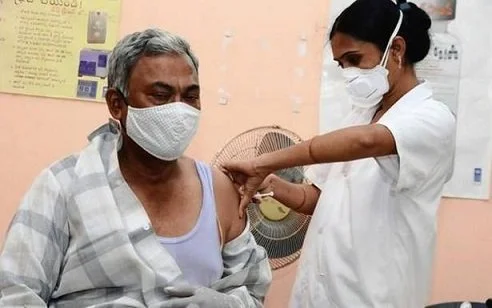
The COVID Booster Dose was announced on December 27, 2021. With the rising number of COVID cases and the fear of the impending third wave of COVID, the government announced the start of booster dose vaccination in India. The booster dose of the COVID vaccine has already been introduced in many foreign countries where mostly anyone above the age of 15-16 is eligible for the booster dose vaccine.

Given the threat of the Omicron variant of the COVID-19 virus, and the rising cases of COVID in India, the government has started the COVID booster dose vaccinations in India. The booster dose is a precautionary dose of the vaccine that helps you improve your body’s ability to fight the virus. The booster dose is expected to reduce the possibility of patients developing a serious/advanced COVID infection that could be fatal.

Currently, in India, any person above the age of 60 is eligible for getting the COVID booster dose. Healthcare and frontline workers are also eligible for getting the booster vaccine. But, how do you register to get the jab? Here’s all that you need to know regarding the registration process for getting the COVID booster dose.

What Are The Eligibility Requirements For Getting The COVID Booster Dose Vaccine?

Before you can register for the COVID booster dose, the government has some eligibility criteria in place that you need to fulfil. Here is a full list of the eligibility requirements you need to clear before registering for the COVID booster dose.

  • The individual must be registered healthcare, social, or frontline worker. OR

  • The individual must be a citizen of India over the age of 60. Preference is given to people over the age of 60 who suffer from any comorbidity.

  • The individual must be fully vaccinated before registering for the booster dose.

  • The individual must have completed their full vaccination at least 9 months before the date of COVID booster dose vaccination.

  • The individual must sign up and get the same vaccine for the booster dose that they got for their first two vaccine doses.

How To Register/Sign Up For The COVID Booster Dose Vaccine?

There are two ways you can go for the COVID booster dose vaccine once you are eligible. The first way is to register on the CoWin platform to get your booster dose vaccine on a scheduled date and time. The platform will assign the closest vaccination centre to your location where you can get the vaccine and skip the queue and crowd that is generally present at vaccination centres. You will only need to carry your mobile phone with your Aadhar registered mobile number on it, and a government ID proof to get your COVID booster dose vaccination.

The second method for you would be to visit the nearest vaccination centres and go for a walk-in vaccination. All vaccination centres do not accept walk-in applicants, so you must learn beforehand if your home centre allows walk-in vaccination or not. In case you go for a walk-in vaccination program, you will need to carry your previous vaccination slip along with a government ID proof, and your Aadhar linked mobile number inserted in your mobile phone.

These are two available options currently for registering to get the COVID booster dose vaccine.

Conclusion

The COVID booster dose is crucial for you to keep you safe from the virus. With new variants of COVID coming to view regularly, it is essential for you to keep updating your immune system against the ever-changing threat to keep yourself and the people around you safe. The COVID booster dose will soon be available for the other age groups as well, so if you are located in Jodhpur, Rajasthan, you can visit MediPulse hospital to get your COVID booster dose vaccination. For more information about the immunisation program, visit the hospital website.

Call now for appointment
Read More
Honey Mathur Honey Mathur

What is the COVID booster dose vaccine & who is eligible for the booster dose?

The COVID-19 vaccines have effectively reduced the severity of the infection in patients suffering from COVID-19. However, the vaccines have not made the masses immune to the disease. The booster dose of
Call now for appointment
COVID booster dose

The COVID-19 vaccines have effectively reduced the severity of the infection in patients suffering from COVID-19. However, the vaccines have not made the masses immune to the disease. The booster dose of the vaccine is currently being introduced to improve the human body’s protection against the disease. Instead of calling it a booster dose, you can call it a third dose of the COVID vaccine. The booster dose does not make you immune to COVID; it reduces the possibility of you developing a severe/advanced case of COVID-19 that could prove to be fatal.

With the number of new COVID cases per day rising again, it is safe to say that the third wave of COVID is unofficially here, led by the Omicron variant of COVID-19. It is expected that this variant will be more transmissible than the previous variants and pose an even greater risk towards children than other variants. So far, the symptoms of the Omicron variant of COVID have remained very hard to detect because they closely resemble the common cold symptoms.

Given that COVID is still a major health issue and the lakhs of fresh COVID cases that are being reported all around the country every day, it is crucial for you to be updated about vaccination as it is currently the only way for you to prevent and protect yourself from the disease. Here is what’s presently known about the COVID booster dose and the part of the population that is eligible for it.

What Is The COVID Booster Dose Vaccine?

The COVID Booster Dose vaccine can be called the third dose of the COVID vaccine. It does the same job of reducing the possibility of developing a severe COVID infection. In India, it is being called a preventive dose of the vaccine. According to the government updates, the booster dose is currently only available for healthcare and frontline workers and populations above the age of 60. However, preference is given to the part above the age of 60 and suffers from some form of comorbidity.

Who Is Eligible For The Booster Dose?

The conditions laid out by the government for eligibility of the booster dose of vaccines as of January 2022 is that:

  • The individual must be a registered healthcare or frontline worker or a citizen of India above 60.

  • The individual must be fully vaccinated for being eligible for the booster dose.

  • The individual must have completed their full vaccination at least nine months before the date of booster dose administration.

  • The individual must get the same vaccine they got for their previous vaccinations on their booster dose. People vaccinated with Covishield must get the booster dose of Covishield, and those vaccinated with Covaxin must get the booster dose of Covaxin.

These are the current guidelines on COVID booster dose vaccination as informed by the government. Every eligible citizen must act promptly and register on the CoWin platform for getting their booster dose vaccination. Registering on the CoWin platform can help you cut the cue and avoid the crowd at a vaccination center.

Final Thoughts

The COVID booster dose has seen positive effects in various countries, improving people’s immunity to the virus. However, it would help if you remembered that the booster dose of the COVID vaccine is in no way going to guarantee that you will not be or never be infected from COVID-19. Even after getting the booster dose, it is crucial that people maintain COVID-appropriate behavior, wear a mask whenever outside, and maintain excellent levels of personal hygiene. 

In Jodhpur, Rajasthan, you can visit Medipulse hospital for the best COVID booster dose vaccination services. For more information about the vaccination program at the hospital, please feel free to visit the official hospital website.

Call now for appointment
Read More
Honey Mathur Honey Mathur

What are the Tell-Tale symptoms of the omicron variant of COVID-19?

The Omicron variant of COVID-19 was first detected in South Africa in late November 2021. Since then, it has spread to many parts of the world, and it is currently the leading cause for the third wave of COVID-19

Call now for appointment
Tell-Tale symptoms of the omicron variant

The Omicron variant of COVID-19 was first detected in South Africa in late November 2021. Since then, it has spread to many parts of the world, and it is currently the leading cause for the third wave of COVID-19 in many countries, especially India. With the COVID cases rising well over the one lakh per day range, it is safe to say that, even though over 64% of the eligible population of India is fully vaccinated against COVID, Omicron and COVID, in general, are still major health concerns for a few reasons.

The Omicron variant, as reported by WHO, has gone through many mutations, some of which are concerning. It currently has a very high reinfection rate, and it is reported to be more infectious and has more harmful effects on kids. The increased transmissibility of this variant does not mean it can bypass the effects of the vaccine, so it is a must for you to get vaccinated to keep yourself and your family safe from COVID. But, how can you identify/recognize if you are infected by the Omicron variant? What are the tell-tale symptoms of the Omicron variant? Let’s answer that question in this article.

What Are The Symptoms Of The Omicron Variant Of COVID-19?

Since its inception in 2019, the symptoms of COVID have changed, and the list has grown longer with the introduction of new variants. It is the same for the Omicron variant as well. Let’s take a look at some of the main symptoms of this COVID variant and some of the serious symptoms that require immediate medical assistance.

  • Common Symptoms

The common symptoms of the Omicron variant of COVID-19 are:

  • Persistent Headache

  • Sore Throat

  • Cough

  • Runny Nose

It is reported by experts that a mild case of the Omicron variant of COVID-19 can and will feel like a case of the common cold. However, if you keep showing these symptoms for a few days straight, or if you develop other symptoms on top of the ones mentioned above, you should get a COVID-19 test.

It should be noted that the common symptoms of the Omicron variant do not immediately mean you are suffering from COVID. It is only when the symptoms persist for more than three days with no signs of improvement, you should get tested. Let’s look at some of the secondary and serious symptoms of this COVID variant.

  • Secondary Symptoms

The secondary symptoms of the Omicron variant of COVID-19 are:

  • Fever

  • Fatigue/Weakness

  • Muscle Aches

  • Itchy Throat

  • Loss of taste and or smell

These symptoms, if developed by themselves, need to be monitored for a few days to ensure that the symptoms are improving and not deteriorating. If the symptoms do improve within 3-4 days, there is no need to worry. If these symptoms do not improve within 3-4 days, you need to get a COVID test.

If these symptoms after you start showing the common symptoms, then you should go for a COVID test, given both of these symptoms simultaneously are persistent and not improving over the course of a few days. These secondary symptoms should be taken seriously, and the health of the patient should be closely monitored to ensure a quick recovery.

  • Serious Symptoms

The serious symptoms of the Omicron variant of COVID-19 are:

  • Chest pain

  • Shortness of breath

  • Difficulty breathing

  • Loss of speech or mobility

If they persist for more than a day, these symptoms should be taken seriously, and the patient should be taken for immediate medical assistance. It should be noted that these COVID symptoms can be serious and have fatal consequences if not taken seriously. Even if the patient is not suffering from COVID, these symptoms should not be ignored, and proper medical care should be taken.

Conclusion

The Omicron variant of COVID-19 is affecting lakhs of people in India every day because its symptoms are harder to detect. The common symptoms and infection of the Omicron variant feels like catching a cold which is why people are ignoring the symptoms and spreading the virus even more. Please educate yourself on the symptoms of the Omicron variant. If you or your loved ones are suffering from or are concerned about any of the symptoms of the virus, please feel free to contact Medipulse hospital for the best COVID-19 medical care in Jodhpur Rajasthan.

Call now for appointment
Read More
Cardiology, Cardiac Surgery Honey Mathur Cardiology, Cardiac Surgery Honey Mathur

Common types, risks, & recovery of heart surgery

Heart surgery, otherwise called cardiac surgery, alludes to any surgery performed on the heart or veins that move your blood to and from the heart. Heart surgery is performed under various conditions,

Call now for appointment
heart surgery

Heart surgery, otherwise called cardiac surgery, alludes to any surgery performed on the heart or veins that move your blood to and from the heart. Heart surgery is performed under various conditions, all of which can be life-threatening, including strokes, heart attacks, and blood clots. Heart surgery is also proposed for people at high risk for heart diseases. 

Heart surgery is often needed to address plaque buildup in the heart valves, which can cause faulty, totally, or partially blocked blood flow in the coronary artery. Heart surgery can be performed traditionally and with modern-day minimal intrusive strategies where robots are utilized to perform the surgery. Let's look at the different types of Heart surgeries commonly performed, their risks, and recovery factors.

Commonly Performed Heart Surgeries

  • Bypass Surgery

Coronary Artery Bypass Grafting (CABG), also known as bypass surgery, is a major lifesaving surgical procedure performed on a patient's heart. The surgery is needed when the blood supply to the heart is cut off, and the coronary artery is further blocked. In this surgery, a healthy artery from another part of the body is extracted, and it is used for the blood flow in a new route to the heart by bypassing the section that is blocked in the artery of the heart. Sometimes, during a CABG, multiple blockages may be needed to be rerouted in one single surgery.

  • Implantation of Pacemaker

The pacemaker is an electronic medical device installed inside the body under your abdomen or below the skin of your chest. The wires of the pacemaker are attached to the heart, which helps the heart to maintain a steady rhythm. Implantation of a pacemaker is required on patients who suffer from serious cases of arrhythmia. Since it can not be treated with medicine, a medical device needs to be planted in the patient's body to keep their heart functioning normally. The pacemaker uses electric signals, which helps the heartbeat at an equal pace and protects the patient from strokes or heart attacks.

The Risk of Heart Surgery

Some major risks you might face if you're opting a heart surgery are as follows:

  • Reactions to anesthesia

  • Bleeding

  • Damage to tissues of the heart, liver, kidneys, and lungs

  • Infection

  • Stroke

  • Even sometimes Death, for someone who is very sick before and while performing the surgery

For some people who have conditions like diabetes, peripheral artery disease, or kidney or lung disease, the risks of heart surgery become higher. To alleviate these risks, doctors prescribe lifestyle changes and dietary changes to patients when the surgery is to be done non-emergency. For emergency surgeries, patients with the conditions mentioned above are at a higher risk of surgery failure.

Recovery from a Heart Surgery

Recovery time relies upon the sort of medical procedure you go through; however, for most kinds of heart surgery, you will probably go through a day or more in the hospital's intensive care unit. After that, you will be moved to normal care of the hospital for several days until you are dispersed for home. For major procedures such as bypass surgery, the recovery timeline can stretch up to 12 weeks. You can expect a shorter recovery timeline of around 3-4 weeks for minimally invasive procedures.

Conclusion

You must take care of your heart and maintain its health for long and healthy life. With the increasing prevalence of heart diseases in India, the number of people suffering from these problems is increasing every day. If you or your family members and loved ones are suffering from heart problems, visit Medipulse hospital for the best treatment course for all types of heart problems. As the best private hospital in Jodhpur, they are well-equipped with all the personnel and technological aids to help you get an easy heart surgery with a quick recovery time. For more information, visit the hospital website.

Call now for appointment
Read More
Pediatrics, Paediatric Cardiology Honey Mathur Pediatrics, Paediatric Cardiology Honey Mathur

Things you need to know about Children's Vaccination in India

Since its invention in 1798, vaccines have saved humanity from extinction by protecting the masses from serious diseases that were rampant in earlier times. Since 1798, vaccines have come a long way, and today many diseases
Call now for appointment

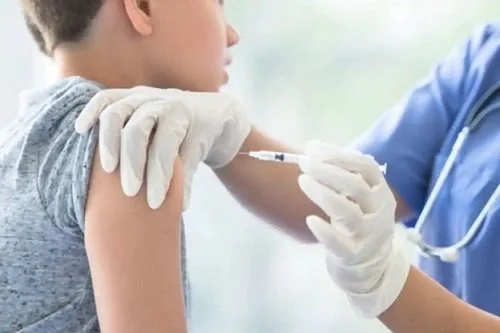
Since its invention in 1798, vaccines have saved humanity from extinction by protecting the masses from serious diseases that were rampant in earlier times. Since 1798, vaccines have come a long way, and today many diseases that were previously known as endemics and epidemics are known as preventable diseases thanks to vaccines.

Vaccines are especially required for pregnant women, babies, and infants; these people remain at a higher risk of diseases/illnesses that can be prevented by taking vaccines. Today, the government, health advisory board of India, and UNICEF all recommend a specific vaccination schedule for children that begin at birth and continue till the child is almost 15 years of age. This vaccination schedule is good for protecting your child against various serious diseases that, in the worst case, can be fatal or cause physical disabilities.

So now that you understand the need for vaccinating your child, let's take a look at the vaccination schedule that you should follow for your child to keep them safe from various diseases.

Vaccination Schedule For Children By Age

  • At Birth

Vaccines administered at the birth of the child correspond to vaccines that are given as soon as possible, which is within the first 24 hours of the child's birth. Let's look at what these vaccines are and the diseases they help prevent.

BCG Vaccine

BCG Vaccines help protect children against tuberculosis. A dosage of 0.1ml is administered intra-dermally into the upper left arm of the child within the first 24 hours of the child's birth. This is the first dose or dose 1 of the BCG vaccine.

Hep B Vaccine

The Hep B Vaccine protects children against Hepatitis B. A 0.5ml dose of this vaccine is administered inside the anterolateral side of the left mid-thigh of the child. This vaccine is called the birth dose, and it needs to be administered within the first 24 hours of the child's birth.

OP Vaccine

The Oral Polio Vaccine protects the child against Polio. The dose 0 is administered orally to the child within the first 24 hours of their birth or at least within the first 15 days of the child's life. As the vaccine is administered orally, two drops of the vaccine are orally administered.

  • 6-8 Weeks After Birth

Rota Virus Vaccine

The RVV protects you against the Rota Virus disease with an oral vaccine that is delivered in three doses at different times. The first dose of 5 drops needs to be delivered within the first 6-8 weeks of the child's birth.

OP Vaccine

The first dose of the Oral Polio (OP) vaccine is given to children between the age of 6-8 weeks. The dosage for the second dose is five drops, and it is given orally, as the name suggests.

Pentavalent Vaccine

The Pentavalent vaccine protects children from five diseases because this vaccine is a combination of five individual vaccines. It protects the child against Diptheria, Pertussis, Hepatitis B, Hib, and tetanus. This vaccine is administered as an intramuscular vaccine on the anterolateral side of the left mid-thigh of the child with a dosage of 0.5 ml. The first done needs to be delivered between the first 6-8 weeks of the child's birth.

  • 8-14 Weeks After Birth

OP Vaccine

The second and third doses of the Oral Polio vaccine are given to the child within the first 8-14 weeks of their birth with a dosage of 5 drops per dose.

Pentavalent Vaccine

The second and third doses of the pentavalent vaccine need to be given to the child during this time period as well at 10 weeks and 14 weeks, respectively. The dosage remains the same at 0.5 ml per dose.

Rota Virus Vaccine

The second and third dose of the RVV needs to be orally given to the child in this time range as well, with a dosage of 5 drops per dose.

IP Vaccine

The Inactivated Polio Vaccine is another form of polio vaccine that needs to be administered to the child at the age of 14 weeks. This vaccine needs to be administered intramuscularly on the anterolateral side of the right mid-thigh of the child.

  • Above The Age Of 14 Weeks Till 1 Year

Measles Vaccine

The measles vaccine protects the child against measles. It needs to be delivered to the child after they have completed 9 months of age and between 12 months of age. In case, the child misses it, they can get this vaccine till 5 years of age as well. This is a subcutaneous vaccine with a dosage of 0.5 ml that needs to be administered in the right upper arm of the child.

Vitamin A Vaccine

The first dose of the vitamin A vaccine is given orally along with the measles vaccine with a dosage of 1ml.

Conclusion

Vaccinating your child/children is one of the most important things that you have to do as a parent to guarantee them a healthy and safe life growing up. If you are interested in learning, you can find more information about the immunisation schedule followed in India from this link here. If you are a new parent in Jodhpur, and you want to get guidance and help on vaccinating your child, be sure to visit Medipulse hospital for the best care and affordable vaccination services in accordance with the government schedule.

Call now for appointment
Read More
Honey Mathur Honey Mathur

All the things you should know about the COVID vaccination program for 15 to 18 years age group

On 16 January 2021, India launched the world’s largest vaccination drive against COVID-19 to initially vaccinate more than 300 million frontline and medical workers. The drive was then extended to cover every Indian citizen above the 45 year age group.
Call now for appointment
COVID vaccination program

On 16 January 2021, India launched the world’s largest vaccination drive against COVID-19 to initially vaccinate more than 300 million frontline and medical workers. The drive was then extended to cover every Indian citizen above the 45 year age group. However, the vaccination was completed solely based on vaccine availability which did cause some disruptions given the huge population of India.

As India announced a nationwide lockdown from March 2020, the educational facilities of more than 320 million students in India were adversely affected. Due to the COVID-19 pandemic, 286 million children in India lost the opportunity of continuing their education. Children in India are currently facing a learning crisis, and as schools are reopening after almost two years, the need for vaccinating children is the highest right now.

On 25 December 2021, the government announced the first leg of children’s vaccination, starting with the vaccination of 15-18-year-old children all over the country. Let’s learn more about the vaccination program of 15-18 years old children in India.

Procedure for COVID vaccine for 15-18 years age group in India

Initially, children born before 2007 are eligible for COVID vaccinations. The registration process remains similar for children as for adults; they are required to register using the Cowin platform. People in this specified age group can register using their Aadhar card or using their student ID cards. The vaccination drive announced on 25 December 2021 was inaugurated on 3 January 2022, and so far, reports have confirmed that more than two crore children in the specified age group have been vaccinated against the disease.

What are the Vaccines available in India for vaccination of 15 to 18 years old?

  • COVAXIN

Covaxin, India’s first indigenous COVID vaccine, is developed and manufactured by Bharat Biotech at their BSL-3 high containment facility. Covaxin includes immune-potentiators, also known as vaccine adjuvants, added to the vaccine to increase and boost its immunogenicity. It is a 2-dose vaccine given 28 days apart. Covaxin demonstrated 77.8% vaccine efficacy against symptomatic COVID-19 disease. The efficacy data indicates 63.6% protection against asymptomatic COVID-19. This ‘made in India’ vaccine has been approved by WHO and recommended for emergency use.

Based on the announcement Covaxin is the only vaccine used to vaccinate the 15-18 years age group. Other vaccines are on trial and are not currently being used to vaccinate children. Some of the vaccines that are undergoing trials are COVISHIELD and Sputnik V.

  • COVISHIELD

Serum Institute of India has manufactured Covishield; this is a two-dose vaccine of 0.5ml per dose. The current government regulations the current interval between two doses of this vaccine is between 12-16 weeks after the first dose.

Based on the vaccine efficiency data provided by the manufacturer, Covishield has shown 70-90% effectiveness against the disease. Covershield is free from public facilities and is the cheapest vaccine available from a private organization. But this vaccine is currently not recommended for vaccinating those who are younger than 18 years of age.

  • SPUTNIK V

The Russian COVID-19 vaccine Sputnik V is a two-dose vaccine for COVID-19. Sputnik V is one of three COVID-19 vaccines globally that have an efficiency of over 90% against the virus and became the world’s first registered vaccine against COVID-19. 40% of the global population, or 300 crore people, have access to this vaccine. However, this vaccine is not available in every center, so you need to check the availability at your local vaccination centers.

This vaccine is currently only recommended for 18-60-year-olds. Children are not recommended to get this vaccine as it is being clinically tested in Russia for using this vaccine to vaccinate children.

Why should children between the ages of 15-18 years get vaccinated?

For children aged between 15 to 18 years, it is necessary to get vaccinated to avoid getting seriously infected by the COVID-19 virus. It is important to note that COVID vaccines do not make you 100% immune to the disease, but it greatly reduces the effect of the infection on your body if and when you get infected.

Where can you get the COVID-19 vaccine for 15 to 18-year-olds?

If you are in Jodhpur (Rajasthan), you can visit the Medipulse Hospital for a safe and quick vaccination for any Indian citizen above the age of 15. The experienced doctors and medical staff of Medipulse hospital are highly experienced in providing quick and safe covid vaccination to everyone. For more information about COVID vaccination at Medipulse hospital, visit the official website of the hospital.

Call now for appointment
Read More
Honey Mathur Honey Mathur

How can the omicron variant of covid-19 affect your child? Here’s what you need to know

With the start of 2022, the world is struggling with the Omicron variant of the COVID-19 virus. All across the world, governments are trying to vaccinate the masses to protect them against COVID.
Call now for appointment
Omicron variant of covid-19

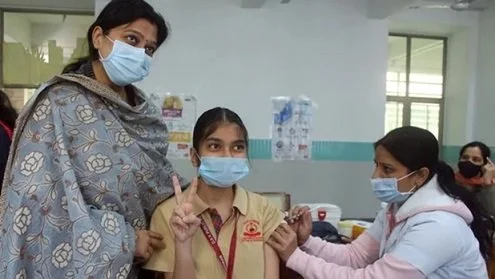
With the start of 2022, the world is struggling with the Omicron variant of the COVID-19 virus. All across the world, governments are trying to vaccinate the masses to protect them against COVID. However, the number of cases has started to rise sharply, and the impending third wave of COVID-19 is here. Based on the research evidence, experts are now suggesting that this variant of the virus is more transmissible and possesses a greater risk for children, who are still now unvaccinated in most countries around the world.

Research is still undergoing into Omicron’s transmissibility, severity, and reinfection risk. Given the greater risk of children, now is a crucial time when parents need to know about the symptoms of the omicron variant, the preventive methods they can use, and the ways in which you can treat your child in the unfortunate instance of them being infected or showing symptoms.

What Are The Common Symptoms Vs What Are The Symptoms You Should Be Worried About?

Common Symptoms

Headaches, mild fatigue, and coughs are the most common symptoms of the Omicron variant of COVID-19. Congestion along with a runny nose are also common symptoms nowadays, with a loss of appetite. Apart from the ones mentioned, brain fog is also a common symptom. It refers to a feeling of being mentally slow, fuzzy, or spaced out. Even though fever, dizziness, losing taste and smell are common symptoms, you should take them seriously if these symptoms persist.

Even mild symptoms that appear for over 5-6 days would require you to take a COVID test. These common symptoms do not require immediate medical assistance and can be treated with the parent’s care at home. There are, however, some symptoms that require serious medical assistance and COVID testing they are mentioned below.

Symptoms You Should Be Worried About

  • Trouble breathing

  • Constant pain or pressure on your chest

  • Bluish lips or face

  • Pneumonia

If your child/children are having any of these symptoms for more than 2-3 days, you need to go for a COVID-19 test and also need immediate medical care. Remember that it is also possible to have COVID-19 with minimal or even no symptoms at all, so prevention methods need to be followed at all times to keep your child safe from the Omicron variant of the COVID-19 virus.

How Can You Protect Children Against The Omicron Variant Of COVID?

To reduce the possibility of your children getting affected by the Omicron variant of COVID-19, you as a parent should follow these most needed steps:

  • Make sure all the adult family members are fully vaccinated.

  • Wear a mask that covers your nose and mouth whenever you go out of your house.

  • Wash hands regularly.

  • Maintain high levels of personal hygiene.

  • Avoid crowded places.

  • Talk about the importance of wearing a mask and washing hands regularly with your child. It should be explained to them in an age-appropriate way.

  • Get your child vaccinated whenever it is available.

What You Should Do If Your Children Show Symptoms Of COVID Or Are COVID Positive?

If your child is showing any symptoms of COVID, it is necessary to treat your child as per the symptoms they are showing. If the symptoms do not reduce/go away after a few days, you need to consider getting a COVID test for your child. In the unfortunate event of the test returning positive, you have to monitor the health of your child closely and take them to a hospital only if they suffer from a very high fever that is not reducing or from breathing problems and high chest pain. It is important to know that treating children at home can help them recover faster from COVID.

Where Can You Get The Best COVID-19 Treatment?

If you are worried about the health of your child or want to get them the best medical care in case they are ever infected by COVID, you can surely visit Medipulse hospital, the best tertiary care hospital in Jodhpur. You can get the best medical care at Medipulse thanks to the experienced and dedicated doctors and medical staff that work tirelessly to keep you and your loved ones safe from COVID-19. For more information about COVID treatment at MediPulse, please visit the hospital website.

Call now for appointment
Read More
Honey Mathur Honey Mathur

What do we currently know about children’s vaccination in Rajasthan, India?

With the start of 2022, COVID-19 has re-established itself as a significant threat again for the third year in a row. Governmental lockdowns are imminent as the number of cases starts crossing the lakh per day mark.

Call now for appointment
children’s vaccination

With the start of 2022, COVID-19 has re-established itself as a significant threat again for the third year in a row. Governmental lockdowns are imminent as the number of cases starts crossing the lakh per day mark. The Omicron variant of COVID-19 has been in headlines, as experts have reported and warned against this variant which is expected to be even more dangerous and infectious, especially for children.

When the vaccination drive started in India, it focused mainly on senior citizens and frontline workers; later, the drive was extended to all above 18. With the threat of new variants becoming more dangerous and infectious to children, the government announced the COVID-19 vaccination for 15-18-year-olds in India on 25th December 2021. Let’s learn more about children’s COVID vaccinations, the government updates regarding the issue, and the current status of children’s COVID vaccination in India.

What We Currently Know About Children’s COVID Vaccination in India

  • Vaccination of 15-18-Year-Olds

The vaccination of children, namely 15-18-year-olds, was announced on 25th December 2021 by the Prime Minister of India; the vaccination drive began on 3rd January 2022. The eligible beneficiaries must be born before 2007 to be eligible for vaccination under this drive. 

What Vaccines Are Administered?

The options for vaccination are limited when it comes to the vaccination of this age group as only India’s indigenously developed vaccine, Covaxin developed by Bharat Biotech, has been approved for vaccinating this particular age group. The central government has informed states and union territories that additional dosages of Covaxin will be delivered to the states that are planning to vaccinate this age group.

What is the process for registration?

The process for registration for vaccination is the same for this age group as for others; beneficiaries/children in this age group are required to register themselves on the Cowin platform to be eligible for vaccination. You can also go for walk-in registration, although walk-in registration is relatively limited and not available at all vaccination centres in the country.

Are there any side effects of the vaccine for this age group?

Covaxin had shown minimal side effects on adults; however, for children in the 15-18 year age group, it is expected the expected side effects can be:

  • Pain at the site of vaccination

  • Mild fever

  • Swelling & Body ache

So far, no complications have been reported all across India for vaccination of children in this age group, and as the number of vaccinated children in this age group crosses the mark of 2 crores, it is safe to say that the possibility of severe side effects can be safely put to rest.

  • COVID Vaccination of Children Below The Age of 15 Year

The Indian government has yet to announce any plans for the vaccination drive of children below the age of 15. However, the health ministry has approved the use of Covaxin for emergency cases of COVID-19 for children over the age of 2 and below 18. Any plans for a proper vaccination drive for children below 15 are yet to be announced by the government.

Many countries worldwide have started vaccinating children to reduce the efficacy of the virus and to improve the overall immunity of the population against the COVID-19 virus. With the resounding success and public reaction to the 15-18-year-old vaccination drive, it is expected that the government will soon announce a dedicated vaccination drive for children below the age of 15.

Conclusion

With variants such as Omicron and Delta of the COVID-19 virus, it is not long before this virus takes a deadly turn and becomes lethal to children as well. To protect children from this evil, it is necessary for parents and family members to first get the vaccine and then for parents to keep track and get their children vaccinated as soon as the drive begins. 

Vaccinating against this disease is one of the only ways to protect yourself against this disease. If you are looking for/seeking a safe and trustable vaccination center in Jodhpur, Rajasthan, be sure to visit Medipulse hospital for a safe and quick vaccination process available for all citizens above the age of 15. For more information about COVID vaccination at Medipulse hospital, be sure to check out the hospital website.

Call now for appointment
Read More
Cardiac Surgery, Cardiology Honey Mathur Cardiac Surgery, Cardiology Honey Mathur

What is a heart stent & why would you need it?

A heart stent is a medical device that is often placed in the coronary artery of the heart to keep it open and support the blood flow throughout your body. The coronary artery sometimes narrows down, which reduces the amount of blood that flows through the artery.
Call now for appointment
heart stent

A heart stent is a medical device that is often placed in the coronary artery of the heart to keep it open and support the blood flow throughout your body. The coronary artery sometimes narrows down, which reduces the amount of blood that flows through the artery. The stunted flow of blood can cause serious and severe consequences and even death if not acted upon quickly. The narrowing of the artery is caused due to cardiovascular diseases such as coronary heart disease.

So, if you are suffering from cardiovascular diseases that cause your major arteries to narrow down and eventually shut off altogether, you need heart stent surgery. But, what is a heart stent? It is a medical device that is basically like a tube that is placed in your artery that prevents the artery from closing down. Think of it like this; you are placing a stick in your mouth, so your mouth can’t close anymore. This is a gross oversimplification, but in practice, this is what it is.

Why Would You Need A Heart Stent?

There are many reasons why you need a heart stent. You can have plaque buildup in the major arteries that supply blood to and from your heart. You can also have any disease that causes your arteries to narrow down by themselves. Both of these situations require the placement of a heart stent inside the clogged/blocked arteries to effectively save your life from a stroke or a heart attack.

The heart stent prevents your arteries from narrowing down again for a considerable period of time, and this brings upon the next part, what materials are used for making heart stents? And how safe is it for your body?

What Materials Are Used For Creating Heart Stents?

Heart stents are made from a variety of materials, from metal wire gauzes to silicone or plastic. The material used in manufacturing depends a lot on the requirement you have. Doctors decide upon what stent is best for you based on your medical history, your pre-existing conditions, and your overall health risks. Overall, you can still expect that a stent is a permanent solution for your problem. However, there are temporary stents as well.

These temporary stents are made from materials that are absorbed by your body. Usually, these stents are coated with medicine that prevents your artery from narrowing down again in the future. Temporary stents are becoming more and more popular today as they are safer. As they dissolve in your body, they can not cause any further complications due to their placement.

What Are The Risks Of A Heart Stent?

A heart stent is a very safe medical device, and its implantation is also a very safe procedure. However, every surgical procedure comes with a certain amount of risks, and here are the risks of a heart stent.

  • Bleeding from the site of the tube insertion

  • Infection

  • Damage to the blood vessel from the tube

  • Irregular heartbeat/arrhythmia

These risks are incredibly rare, and at most, there is a 1-2% chance that you will be suffering from these side effects. To keep yourself even safer, be very clear and open to your doctor about your medical history. This will help you reduce the risk percentages even more.

What Happens After A Heart Stent Surgery?

A heart stent surgery requires very little recovery time. That experience can be even better if you are going through the surgery from a big hospital that is well-equipped in terms of doctors, personnel, and infrastructure. It can help reduce the recovery time and drastically improve surgery success rates. So, you must choose the best hospital for getting a heart stent surgery, such as the Medipulse hospital in Jodhpur, rated the best private and tertiary care hospital in Jodhpur.

Call now for appointment
Read More
Honey Mathur Honey Mathur

Knee replacement surgery: what you need to know

With the prevalence of arthritis in India, knee replacement surgeries have become very popular among people that suffer from serious cases of osteoarthritis. Every year more than 170-180 million people suffer from arthritis in India.

Call now for appointment
Knee replacement surgery

With the prevalence of arthritis in India, knee replacement surgeries have become very popular among people that suffer from serious cases of osteoarthritis. Every year more than 170-180 million people suffer from arthritis in India. Joint replacement procedures such as knee replacement surgery have only become popular in the last few years with the developments in the fields of medical science. Today over 2 lakh knee replacement surgeries are performed in India every year.

For patients suffering from advanced arthritis where other treatment options such as medication and physical therapy are no longer able to help you alleviate the pain and offer mobility, you should consider going for knee replacement surgery. Knee replacement surgeries have become very safe today. You can get the surgery as a minimally invasive procedure, making it a very safe procedure with a fast recovery time. Let's look at the recovery time, risks involved, and the exercises patients need to perform post a knee replacement surgery.

Recovery Time

A knee replacement surgery can be performed as minimally invasive surgery, as mentioned above. The recovery time for your surgery depends on the type of procedure you went through. On average, you can expect the recovery time post-surgery to range between 6 weeks to 18 weeks, depending on the type of knee replacement surgery you go through.

The recovery process of a knee replacement surgery has some crucial key moments that a patient needs to go through to facilitate a faster recovery time from the surgery. From the first day after the surgery, the patient is encouraged to start the movement with help from a physical therapist provided by the hospital. Initially, doctors will provide walking aids such as a walker, cane, or crutches to help patients get back to their feet.

After a few weeks of walking practice with walking aids and physical therapy, patients will feel the pain of arthritis go away, and they will slowly be able to get back their mobility and ability to move freely. Patients can expect swelling around their knee for quite a long period of time, as much as a year, because of the surgery, but the swelling will not affect your mobility or cause any more pain than your arthritis. It takes time for the tissues and muscles to heal after the surgery around your new knee, which causes the swelling.

Exercises

Physical exercise and therapy are key to fast recovery after knee replacement surgery. Physical therapists will guide patients with various movement exercises to help them reduce pain and swelling. Doctors always suggest that patients get fit before the surgery, so there are sets of exercises that you need to regularly perform before and after the surgery, respectively.

Some of the exercises that patients have to do before the surgery are

  • Clamshells

  • Chair pushups

  • Lying kicks

  • Thigh squeezes

  • Knee bending 

Some of the exercises patients have to do after the surgery are:

  • Ankle pumps

  • Straight leg raises

  • Sitting supported knee bends

  • Quadriceps sets

Risks

Knee replacement is a serious surgery that does come with certain risks. With advancements in medical science today, the risks have been minimized greatly, but some risks are still involved with knee replacement surgery procedures. Let's look at some of the risks involved.

  • Infection

Infection is one of the biggest risks when it comes to knee replacement surgery. Infection is a serious side effect of the surgery and requires immediate medical assistance. Statistically, it has been seen that within the first 90 days following the surgery, the risk of infection remains the highest. To stay safe, patients need to diligently follow doctor's orders, keep the wound clean, and consume the antibiotics as and when prescribed by the doctor.

  • Blood Clots

Blood clots are a common risk for any surgical procedure. However, the risk for blood clots increases when you go for orthopedic surgery. Blood clots can appear anytime during the surgery to up to two weeks after the surgery. Blood clots need to be checked out by doctors as they can pose a threat to the patient's life.

Conclusion

Knee replacement surgery has provided thousands of people suffering from arthritis a shot at relief from the excruciating pain and loss of mobility around the country. As a serious surgical procedure with some risks involved, you need to go for the best medical care to ensure your safety and fast recovery after the knee replacement surgery. You must visit Medipulse Hospital in Jodhpur for the best knee replacement surgery. As the best private and tertiary care hospital in Jodhpur, Medipulse hospital offers the best quality care led by experienced doctors and medical staff that are experienced in helping patients go through knee replacement surgeries comfortably and ensure their fast recovery.

Call now for appointment
Read More