
Cardiac Surgery, Cardiology Honey Mathur Cardiac Surgery, Cardiology Honey Mathur

All you need to know about bypass surgeries

Cardiac diseases are one of the most common health problems faced by Indians today. When you have plaque buildup in the arteries of your heart due to various reasons, you have to get a surgical intervention to help you eliminate the possibility of a stroke or a heart attack.

Cardiac diseases are one of the most common health problems faced by Indians today. When you have plaque buildup in the arteries of your heart due to various reasons, you have to get a surgical intervention to help you eliminate the possibility of a stroke or a heart attack.

A stroke or a heart attack can be caused by the disruption or inadequate blood flow from the arteries connected to the heart. A stroke or a heart attack is dangerous and can very easily cause the patient's death. So, you must learn about the treatment procedures you have on hand if you are at risk or suffer from heart disease.

What Is The Purpose Of A Bypass Surgery?

Bypass surgery is one of the most common forms of treatment for heart diseases where there is a blockage in the arteries that prevent or completely stops the blood flow in your heart. The bypass surgery aims to remove the blood clots and obstructions by rerouting the blood flow in your heart. Removing the clot from your heart is crucial for your survival as that clot can cause deadly consequences if not dealt with in due time.

The surgery removes a healthy artery from your chest or from your legs and then uses it to reroute the blood flow in your heart, completely bypassing the blocked artery. This is done to save the patient's life essentially.

Bypass surgery can be done as a minimally invasive surgery where multiple-inch length cuts are made on your chest to get to the heart. A single surgery can bypass multiple blocked arteries in your heart. Bypass surgery is one of the best treatment options for people suffering from cardiovascular diseases.

How Is The Bypass Surgery Performed?

Bypass surgery is a major medical/surgical procedure that is performed under general anaesthesia. The patient is kept under general anaesthesia to make the surgery pain-free for the patient. On average, bypass surgery can be between 3-6 hours long and requires expert surgeons to very carefully do the rerouting of blood flow by cutting and attaching arteries in the heart. 

After the surgery is complete, patients require intensive medical care for a few days before they can be discharged from the hospital. Bypass surgery is a serious surgical medical procedure that can go wrong and cause the death of the patient. With the advancements in medical science, it has now become very safe to go through these surgeries, but like any surgical procedure, there are various risks a patient has to go through when you are going for bypass surgery.

What Are The Risks Of Bypass Surgery?

Every surgical procedure comes with risks, but when it comes to bypass surgery, a major surgical procedure performed on your heart, the risks can mean life and death. Here are the major risks that are usually involved with bypass surgery.

  • Bleeding

  • Infection

  • Blood clots leading to stroke or heart attack

  • Arrhythmia

  • Kidney problems

Among the risks involved, infection and blood clots are the most serious as they could lead to a whole array of health problems that could essentially kill you. It is crucial for patients to be very open with the doctors about their pre-existing conditions and medical history before undergoing a major surgical procedure such as bypass surgery. The transparency will ultimately save the patient as with proper information; doctors can decide how to tackle their problems and if surgery is safe for the patient or not.

Recovery

The recovery process for bypass surgery can go as long as a few months to get back to your normal lifestyle. After the surgery, you would need a day or two in the ICU to be out of the effects of the surgery and overcome the effects of anesthesia.

With a serious medical procedure such as bypass surgery, you really need the best medical care to recover fast; Medipulse hospital in Jodhpur helps you get the fastest recovery from bypass surgery with experienced doctors and medical staff providing you with the best medical care.

Read More
Cardiac Surgery, Cardiology Honey Mathur Cardiac Surgery, Cardiology Honey Mathur

All you need to know about angioplasty & bypass surgery

Angioplasty and Bypass Surgery are both medical/surgical treatment options for removing blockage from the arteries that deliver oxygenated blood throughout your body. Blockage in the arteries can lead to a stroke or a heart attack.

Angioplasty and Bypass Surgery are both medical/surgical treatment options for removing blockage from the arteries that deliver oxygenated blood throughout your body. Blockage in the arteries can lead to a stroke or a heart attack. This is because when an artery is clogged from a buildup of plaque, it reduces the blood flow to the other parts of your body, which can then lead to cardiac arrest.

As medical procedures though an angioplasty and bypass surgery have a similar use, they are different procedures that are suggested to patients according to their requirements. Let’s take a look at the differences between these two procedures and their functions.

What Is A Bypass Surgery?

When a person has a blocked artery in their heart, doctors take a healthy artery from the patient’s chest cavity or from their leg and reroute the blood flow away from the blocked artery. The process of bypassing the blocked artery by creating a new lane for the blood flow is what gives this surgical procedure its name bypass surgery. Bypass surgery is performed not only on one artery in a single surgery; multiple arteries can and are generally rerouted to save the patient’s life and restore normal blood flow back in the heart.

What is An Angioplasty?

Angioplasty is a surgical procedure that relies heavily on technological tools. A balloon-shaped catheter is inserted in your body from either your groin or arm, and through the major arteries, it travels to the point of blockage. At the point of blockage, the catheter swells up and widens the narrowed arteries creating space for normal blood flow. Doctors often place a small plastic or metal tube in the arteries called stents to prevent the artery from narrowing or getting blocked again in the future. 

Angioplasty is also a very commonly performed heart surgery, but there are differences between angioplasty and bypass surgery. Let’s look at the difference between these procedures.

Difference Between An Angioplasty & A Bypass Surgery

  • Severity Of The Procedure

When it comes to the severity, bypass surgery is a major and serious surgical procedure, whereas angioplasty is a minimally invasive procedure with a very fast recovery time. A bypass surgery requires patients to go through general anesthesia, and the recovery period can go as long as 12 weeks with a short stay in the ICU. When it comes to angioplasty, this is not the case. Angioplasty requires you to just go through local anesthesia, and the entire surgical process takes 30 minutes to an hour max, and you can recover within a week or two and go back to your normal lifestyle again.

  • Longevity Of Treatment

Both of these surgical procedures are performed on the heart, but as treatment options, their effect does not last forever. When it comes to the durability and longevity of the results, bypass surgery is better than angioplasty. This is mainly because a bypass surgery at least tries to fix the problem of blockage by rerouting the blood flow to a different path that is not blocked. An angioplasty just widens a narrowed artery and does not fix the underlying problem, which means the artery can narrow again even if a stent is placed.

Post bypass surgery, if the patient follows doctor’s orders, makes lifestyle changes, and starts exercising, they can see a drastic improvement in their health and possibly would not have to fear about going through the process again. The same goes for a person going through angioplasty but still, given that the problem still exists in your arteries, angioplasty is not in your best interest for the long run.

Conclusion

A heart surgery is not a wish list; patients do not generally get to choose which surgery they prefer, especially when it comes to life-saving procedures such as an angioplasty or a bypass surgery. The only thing you can ask for in these situations is to get the best medical care possible and to get a minimally invasive successful surgery that lets you recover quickly. For all the qualities mentioned above, visit Medipulse hospital, the best private and tertiary care hospital in Jodhpur.

Read More
Cardiac Surgery, Cardiology Honey Mathur Cardiac Surgery, Cardiology Honey Mathur

All the risks, types, & recovery information you need to know about the angioplasty procedure

Angioplasty is a type of medical/surgical procedure that is performed on your heart. Currently, it is one of the easiest and safest heart surgery you can go through as it is a minimally invasive surgical procedure with a very fast recovery time.

Angioplasty is a type of medical/surgical procedure that is performed on your heart. Currently, it is one of the easiest and safest heart surgery you can go through as it is a minimally invasive surgical procedure with a very fast recovery time. Angioplasty is also a short surgery that takes only about an hour to perform, and the patient can be discharged within a day with no requirement for ICU stays. However, there are risks and shortcomings to the procedure as well. So, let’s take a detailed look at angioplasty, its risks, types, and recovery.

Types Of Angioplasty

  • Balloon Angioplasty

Balloon angioplasty is a procedure where a balloon-shaped catheter is inserted into your body through one of your major arteries in the arms or legs. That catheter is then pushed all the way to the heart and to the point where the blockage exists. During this procedure, the catheter expands the artery that has become narrowed due to plaque buildup. The balloon is blown to expand the artery and clear the blockage. It is a quick, easy, safe, and minimally invasive surgical procedure.

  • Stent Implant

There are times when doctors understand that a regular angioplasty will not solve the problem of the patient. They fear that the blockage or narrowing of the artery may return, and to combat that; a medical device called a stent is placed in the artery to prevent it from narrowing down again. The stent can be made of different materials such as metal or plastic. With advancements in medical technology, metal or wire, stents are not used anymore as much as possible. Today, stents are coated with special medicines that prevent the artery from narrowing again when the stent is placed. This improves the overall longevity of the angioplasty surgery.

Risks Involved In An Angioplasty Surgery

Angioplasty is a very safe procedure in general; you can say it is perhaps the safest cardiac surgery you can go through, but it has its own set of risks. Statistics are in your favour as the odds of you getting these complications coming true are very low. So, just for your information, here are the risks involved in angioplasty surgery.

  • Arrhythmia

  • Chest pain

  • Blood clot or arterial blockage that requires immediate surgical intervention

  • Tear or damage to a major artery or blood vessel

  • Stroke

  • Heart attack

It is much better to be informed about the risks of any procedure before you go through it for the purpose of your own safety. Please speak to your doctor about your preexisting conditions and medical information to ensure you are not at risk of the conditions mentioned above.

Recovery Process From An Angioplasty Surgery

As a minimally invasive surgery, the recovery process is very quick, with only a couple of days required for you to get back home and slowly get back to your normal lifestyle. After the surgery, the catheter and the bandages are removed after a few hours. You can expect some bleeding from the area where the catheter went into your body. Otherwise, it is a safe procedure with not many side effects that you might face afterward. Doctors advise patients to not drive and lift weights for a few days, and after that, they can completely get back to their normal lifestyle again.

Conclusion

An angioplasty surgery is an amazing treatment opportunity for patients that suffer from cardiovascular problems. The risk factors mentioned in the article are not very serious, but it has a lot to do with your medical care provider. If you are going for a safe and renowned hospital such as Medipulse hospital in Jodhpur, you can expect lower risk probabilities than other hospitals that are not as well-equipped and staffed to handle angioplasty surgeries. So, for the sake of your safety, choose a good medical care partner such as Medipulse hospital for your angioplasty surgery.

Read More
Honey Mathur Honey Mathur

What We Know About The Symptoms, Severity, & Transmissibility Of The Omicron Variant Of COVID-19

Some cases of a new variant of SARS-CoV-2 have been detected by scientists, which is the same virus that causes COVID-19, in various other countries.
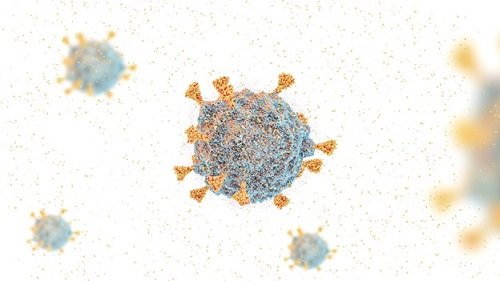
Symptoms, Severity, & Transmissibility Of The Omicron Variant

Some cases of a new variant of SARS-CoV-2 have been detected by scientists, which is the same virus that causes COVID-19, in various other countries. Omicron (B.1.1.529) has an exceptionally huge number of mutations in the piece of its genome that encodes a critical segment of its spike protein, which the virus uses to taint the cells of the host.

This proposes that Omicron might have the option to avoid a portion of the insusceptible immune protection given by vaccines, a large number of which depend on the first spike protein and previous infections. Omicron has a few mutations that might affect how it acts, such as how effectively it spreads or the seriousness of the disease it causes.

Symptoms of Omicron Variant

The WHO scientists have recognized the new Covid variant, Omicron, as a variant of concern. This new variant has a lot of symptoms depending on the severity and the immunity of the person it infects.

Common Symptoms of the Omicron Variant Are

  • Weakness

  • Tiredness

  • Loss of smell or taste

  • Headache

  • Low-grade fever

These symptoms can point to many different health problems and do not immediately mean you are affected by COVID. Monitor your health if you continue to show these symptoms and additional symptoms, get immediate medical help and a COVID test.

The Less Common Symptoms Of Omicron Variant Of COVID-19 Are

  • Throat pain

  • Body pain

  • Skin Rashes

  • Diarrhoea

If you start showing these symptoms in addition to the primary symptoms, your possibility of being affected by COVID-19 increases many folds. Immediately go for a COVID test and self-isolate.

Serious Symptoms Of The Omicron Variant Of COVID-19 Are

  • Experiencing shortness of breath

  • Difficulty in breathing

  • Confusion or brain fog

  • Loss of mobility or speech

  • Chest pain

These symptoms can mean danger to your life. You should go for emergency medical help if you are experiencing these symptoms along with the other symptoms mentioned above; you are most likely suffering from COVID, and you need immediate emergency medical help to avoid any danger to your life.

The Severity of Omicron Variant

It isn't yet clear if contamination with Omicron causes more serious illness than diseases with different variants, including Delta. Recent news recommends that there are increasing cases of hospitalization in South Africa. However, this might be because of the increment in the number of individuals becoming affected by this virus, rather than a specific consequence of being affected with severe infections by Omicron.

There is presently no data to support that symptoms related to Omicron are not quite the same as those from different variants. Recently it was seen that contaminations were among college students, more youthful people who will quite often have a more mild illness, yet understanding the degree of seriousness of the Omicron variant will take a few more weeks.

The Transmissibility of Omicron Variant

It isn't yet proven whether Omicron is more contagious, for example, whether it is all the more effectively transferred from one individual to another contrasted with different variants, including Delta. The number of individuals testing positive has ascended in some places of South Africa which are impacted by this variant. Yet, epidemiologic examinations are in progress to better understand whether it is a result of Omicron or some other factors.

Ending Note

The Omicron variant of COVID-19 comes with the possibility of a third wave of COVID-19 in India. Getting proper medical help is of the utmost importance if and when in the extremely disappointing possibility of you getting infected by COVID-19. For those moments of emergency, you can count on Medipulse hospital. As the best private and tertiary care hospital in the state, you can count on the best emergency medical care with the top experienced doctors and medical staff.

Read More
Honey Mathur Honey Mathur

Omicron Variant: Key points to know

On 24th November 2021, the WHO announced a new variant of the COVID-19 virus known as the Omicron variant. This variant was first observed in South Africa from a test sample that was collected on 14th November 2021.

Omicron Variant

On 24th November 2021, the WHO announced a new variant of the COVID-19 virus known as the Omicron variant. This variant was first observed in South Africa from a test sample that was collected on 14th November 2021. The Omicron variant has been deemed and classified as a variant of concern by the WHO. The Omicron variant has raised the alert levels for COVID-19 back to severe again, with overwhelming concerns over the future of the new variant.

Shortly after the WHO declared the Omicron variant, the first case of this new strain was found in India in a person traveling back from South Africa. Since then, many states have reported the spread of the omicron variant so far. With the new year fast approaching, experts are suspecting a considerable surge in the omicron cases in 2022. If you are worried about the new variant, here is what you need to know about the omicron variant of the COVID-19 virus.

Why Is Omicron A Variant Of Concern?

The Omicron variant of COVID-19 is a mutation of the SARS-CoV-2 virus, which causes COVID-19. The mutation makes this variant more adaptable and resilient, making it easier to spread and infect people compared to the original COVID-19 virus. Data on the spread of the omicron variant compared to the delta variant is still being studied. The higher spread factor makes this strain a variant of concern. It has been noticed and predicted by experts that the omicron variant may be able to spread to people that are vaccinated as well.

Severity Of The Omicron Variant?

So far, the mortality rate of the omicron variant is relatively low, with few isolated cases of death due to the omicron variant around the world. As a mutated variant of COVID-19, the severity of the infection of the omicron variant may vary from person to person. As this strain is still quite new, there is not much data available on the detailed specifics about the severity of the variant and the overall threat it possesses to people. The WHO and other health bodies are currently conducting research to find more data on the omicron variant.

Symptoms Of The Omicron Variant?

The Omicron variant is different from the previous COVID-19 variants as it has been seen that fever is not one of the common primary symptoms of the omicron variant. The common and primary symptoms of the omicron variant are:

  • Tiredness

  • Throat pain

  • Weakness

  • Headache

These symptoms do not immediately mean you are suffering from COVID; please monitor your health, and if these symptoms persist for an extended time, immediately get medical help as well as a COVID-19 test.

Is The Omicron Variant Of Concern For Fully Vaccinated People?

Yes, even if you are fully vaccinated for COVID-19, you can still contract COVID-19. Vaccines protect you from developing severe infections from COVID that can possibly reduce your possibility of death from COVID-19, but the vaccines are not 100% effective. So, yes, the omicron variant is of concern for both vaccinated and non-vaccinated people. The rate of infection and transmissibility of the virus can increase through vaccinated people who will get mild infections. Unvaccinated people will be at an even higher risk of serious infection and even fatality.

Conclusion

The fact that the omicron variant exists proves that the COVID-19 pandemic is not nearly over. The best way to combat and keep yourself safe against the Omicron variant and COVID-19 altogether is to get vaccinated for COVID as soon as possible. For vaccinated people, it is crucial for you to maintain COVID-appropriate behavior while wearing masks in public places and maintaining a high standard of personal hygiene. If you are suffering from COVID and want to get the best treatment possible, visit Medipulse hospital in Jodhpur, Rajasthan, for the best quality medical care from experienced doctors and medical staff.

Read More
Cardiac Surgery, Cardiology Honey Mathur Cardiac Surgery, Cardiology Honey Mathur

4 tips to keep your heart healthy

The heart may want what it wants, but it is not always in your best interest to follow your heart. Today keeping your heart healthy is a real struggle for people that live a fast life.

heart healthy

The heart may want what it wants, but it is not always in your best interest to follow your heart. Today keeping your heart healthy is a real struggle for people that live a fast life. The condition of heart health in India is bad to the extent that over 50 million people suffer from cardiovascular diseases in India every year. One out of four people of those 50 million end up losing their lives due to a cardiac arrest or stroke.

Heart health is no joke; you have to care for your heart as you age. Many factors/issues need to be taken into account when it comes to maintaining your cardiac health. Some people are genetically predisposed to cardiac diseases even when they maintain optimum lifestyle practices. With so many variables at play, how can people definitively maintain their cardiac health? Here are some cardiac health tips to help you maintain your heart health regardless of your genetic structure.

Four Health Tips For Keeping Your Heart Healthy

  • Maintain Good Oral Hygiene

It may seem unrelated, but your oral health is a good indicator of your overall health. If you suffer from gum diseases or have poor dental health, you are actually more at risk for cardiac diseases than people with good dental health. You have to maintain your dental health to keep yourself safe.  

To put it simply, the same bacteria that cause gum diseases can cause your blood vessels to swell up, causing a risk for stroke and heart attacks. Maintaining your oral hygiene starts with daily brushing and flossing. You should also visit and consult the dentist for checkups regularly as you start to age.

  • Keep Away From Sedentary Lifestyle

Scientists and health professionals have called sitting the new smoking because of the many health risks that come with a sedentary lifestyle. Sitting for an extended period in one place can have many health risks. Medical studies have shown that people that sit in one place for long hours have 147% more risk of cardiovascular diseases.

The easy answer to the problem mentioned above is walking and exercising when you get the chance, but no! That is not a solution. You have to depart from that way of life altogether. The health risks you accumulate when you regularly sit for long hours can not be erased no matter how much exercise and work out you do.

  • Get A Goodnight’s Sleep

Sleeping well is also inherently related to your cardiac health. It has been noticed that adults who do not sleep over six hours per night have twice the risk of stroke and heart attacks than people who sleep six hours minimum. The increased risk is present due to the underlying health problems that are caused due to lack of sleep, including biological functions such as inflammation and abnormal blood pressure. Getting at least 7-8 hours of sleep must be your priority to maintain your health, especially as you age.

  • Control & Preferably Abstain From Smoking and Drinking

The most obvious and well-known advice for the last. No matter how cliche it might sound, this is probably one of the most important pieces of advice that you can follow when it comes to your cardiac health. Smoking and drinking have adverse effects on various parts of your body, including your heart. They increase your risk for cardiovascular diseases the most.

Abstaining from smoking and drinking can help you avoid an untimely death from a stroke or heart attack. The first step to quitting smoking and alcohol is understanding the necessity to quit and discussing the probable treatment options with your doctor.

Conclusion

Listen to your heart when you can and make the necessary changes to maintain your cardiac health. Cardiovascular diseases have a high mortality rate, and today more and more people of every age group are suffering from these diseases and losing their lives to them.

If you or your loved ones suffer from cardiovascular diseases, you can still help them with proper medical care. For the best medical care, you should visit Medipulse Hospital, the best private hospital in Jodhpur. You will get the best treatment courses led by experienced doctors for cardiac diseases at Medipulse Hospital.

Read More
oncosurgery Honey Mathur oncosurgery Honey Mathur

Is Oncosurgery covered under the RGHS scheme?

The Rajasthan Government Health Scheme (RGHS) was rebranded after the launch of the Chiranjeevi scheme. The RGHS scheme, which previously was the health scheme of the state government of Rajasthan,

RGHS

The Rajasthan Government Health Scheme (RGHS) was rebranded after the launch of the Chiranjeevi scheme. The RGHS scheme, which previously was the health scheme of the state government of Rajasthan, is specifically for people that are government job holders, pensioners both state and central, ministers, members of parliament, and members of the legislative assembly, and judges. The RGHS policy covers the individuals and their dependents for a total coverage of ten lakh rupees per family per year.

Diseases such as COVID, cancer, and many other serious illnesses are covered under the RGHS scheme. As one of the main treatment options, cancer surgery in RGHS scheme is also included. However, there are different types of cancer surgeries, all of which may or may not be included in the scheme coverage. Let’s look at the different types of cancer surgeries and if they are included or not covered under the RGHS scheme.

Different Surgeries Used In Cancer Treatment

  • Biopsy

A biopsy is a type of medical test that is used to diagnose cancer. In this procedure, doctors surgically remove tissues or a part of the tumor to test for cancer. In certain cases, doctors also remove the entire tumor if it is small enough to be screened for cancer. This medical test is crucial for confirming cancer.

Different types of biopsies are covered under the RGHS scheme. If you have cancer or if your doctor suspects cancer in their diagnosis, there is a good chance the procedure will be covered under the RGHS scheme.

  • Excision

Excision is a type of cancer surgery where the cancerous tumor is removed from the body through surgery. Some tissues surrounding the tumor are also removed to make sure the patient is cured of cancer. It is a commonly used cancer treatment, and most forms of excisions are covered under the RGHS scheme as it is an important treatment procedure for patients who have cancer.

  • Radiation Therapy

Radiation therapy is often used alongside excision, or it is used independently when the cancer is screened at an early stage or if the tumor is relatively small. Radiation therapy has become more prevalent today due to advances in medical science. Radiation therapy uses nuclear radiation to kill the cancer cells and reduce the size of the tumor present. This is also an important treatment course for cancer, and it is widely used in patients that do not have advanced cancer diagnoses.

Different forms of radiation therapy and chemotherapy are covered under the RGHS scheme as it is an important treatment course for cancer patients.

Conclusion

The RGHS scheme covers most forms of commonly used cancer treatments. You can find more information about the coverage details of the RGHS scheme here. With serious illnesses such as cancer, you must choose only the medical care possible to ensure you or your loved ones can beat the disease quickly. Medipulse Hospital is the best private hospital in Jodhpur, and the best quality medical care for cancer treatment in Rajasthan. Medipulse hospital is one of the empaneled hospitals under the RGHS scheme where you can get cashless medical facilities up to ten lakh rupees per year. For more information, please visit the Medipulse Hospital website here.

Read More
Joint Replacement & Spine, Orthopaedics Honey Mathur Joint Replacement & Spine, Orthopaedics Honey Mathur

What kind of Spine Injuries require surgery?

The spinal cord is a vital part of your body. It provides your body with stability and strength when you move around. Any problems with your spinal cord can have dire consequences for your overall health.

Spine Injuries

The spinal cord is a vital part of your body. It provides your body with stability and strength when you move around. Any problems with your spinal cord can have dire consequences for your overall health. A Spinal Cord Injury or SCI can leave you paralyzed or even cause death very quickly. So, any problems related to your spine need to be handled efficiently, effectively, and quickly by experienced orthopedic surgeons.

The problems of your spinal cord can not be treated from the outside solely on the basis of oral and topical medication. The severity of the problem is important to be noted, but in most cases, any problem to the spinal cord requires spine surgery. There are different types of spinal surgeries that are performed for different purposes. Let’s take a look at some of the common spinal surgeries and why they are done.

Common Spinal Surgeries & Why They Are Done

  • Lumbar Laminectomy

Lumbar laminectomy is a surgical procedure used to treat the narrowing of the spine, which leads to excruciating pain. A lumbar laminectomy aims to remove the lamina part, pressing up against the spine and causing the pain. The goal of lumbar laminectomy is to remove the pressure that is being put on the spinal cord. Sometimes, the spinal canal is also widened in the course of the surgery. This problem is often found in the elderly because of age-related problems, and this surgery is used to permanently treat this problem.

  • Herniated Disc Surgery

A herniated disc refers to a problem in the discs between your vertebrae. Depending on the damage to the disc, it is either fully taken out of your body or part of the disc is taken out. If the entire disc is taken out, it can have certain problems as you will most probably not be able to move that part of your back again as two vertebrae will fuse together. So, given the seriousness of the consequences, it is crucial for you to discuss the risks and probabilities with your doctor before your surgery.

  • Spinal Fusion Surgery

Sometimes, due to the damage to the disc between the two spinal bones, they have to be fused through screws and rods. This is done to avoid the pain caused due to the movement of the two vertebrae against each other. A spinal fusion surgery effectively fuses the two vertebrae curing the pain but also taking away your ability to make any movement in that part of your back again.

Conclusion

Any problems to your spine can lead to severe consequences if not addressed with proper medical care. A botched spinal surgery can cause permanent paralysis or even death. This is why you need the best medical care to successfully treat any of your spinal problems. Medipulse hospital in Jodhpur is one of the best hospitals in India for you to get the best medical care for any spine problems. If you need spinal surgery, Medipulse hospital is equipped with world-class facilities and experienced doctors that can help you go through the surgical process easily. You can go through a minimally invasive surgery at Medipulse hospital that allows fast recovery at Medipulse hospital. For more information about spine surgery, be sure to check out the hospital website here.

Read More
Joint Replacement & Spine, Orthopaedics Honey Mathur Joint Replacement & Spine, Orthopaedics Honey Mathur

All you need to know about Joint replacement in Jodhpur

Joint replacement is a surgical procedure where a damaged joint is surgically removed and replaced with artificial implants. A joint replacement procedure is most commonly performed in cases of advanced arthritis or due to severe accidental damage to the joints.

Joint replacement

Joint replacement is a surgical procedure where a damaged joint is surgically removed and replaced with artificial implants. A joint replacement procedure is most commonly performed in cases of advanced arthritis or due to severe accidental damage to the joints. Today, with the new advances in medical technology, joint replacement surgeries can now be performed as minimally invasive surgeries that considerably cut down the recovery time and hospitalization time of the patient. There are mainly two types of joint replacement surgeries that are performed in different parts of your body.

Types Of Joint Replacement Surgeries

  • Total Joint Replacement Surgery

Total joint replacement surgery is one where the entire joint is damaged and needs to be removed surgically. These surgeries take out the damaged joint, and it is replaced by artificially manufactured prosthetic implants. Doctors only suggest total joint replacement surgery in serious cases of joint damage from advanced arthritis or damage caused by accidents.

  • Partial Joint Replacement Surgery

Partial joint replacement surgery is a more complicated procedure than total joint replacement. As with partial joint replacement, only the damaged cartilages of the joint are removed and replaced with prosthetic implants. These implants need to be installed skillfully to ensure the improvement in the mobility of the patient. Doctors suggest this procedure in cases of serious arthritis as well as accidental joint damages.

Common Joint Replacement Surgeries

  • Knee Replacement Surgery

The knee has three compartments. Knee replacement surgery aims to remove any of three or all of the three compartments of the knee based on the damage occurred to the patient. If the patient has damaged only one or two knee compartments, they are suggested to go through a partial knee replacement surgery where the damaged parts are removed from the body and implants are inserted to improve mobility and relieve the pain of the patients. If the patient has damaged all three of their knee compartments, doctors suggest a total knee replacement surgery that involves taking out the damaged knee and replacing it with prosthetic implants.

  • Hip Replacement Surgery

Hip replacement surgery aims can be performed as both total and partial joint replacements. This procedure aims to remove the damaged part of the hip, be it partial or complete and replace it with implants. Today, with the advances in medical technology, patients can opt for anterior hip replacement surgery, a minimally invasive surgery requiring a small incision to be made in the body. It expedites the recovery time of the patient. Traditional and anterior hip replacement procedures are both serious procedures that are suggested only in cases where the damage to the joint is very severe.

Conclusion

Joint replacement in Jodhpur  has become more accessible to patients today, thanks to medical insurance. People with severe arthritis can now greatly relieve their pain and improve their mobility thanks to this procedure. If you are looking for a joint replacement procedure, Medipulse Hospital is one of the best hospitals in India; you can opt for a successful and hassle-free joint replacement surgery. As the best private hospital in Jodhpur, headed by experienced doctors and medical staff, Medipulse hospital has all the necessary experience to help you reduce your symptoms of advanced and severe arthritis with pre joint replacement and post joint replacement therapy to help you recover as quickly as possible. Medipulse hospital also accepts medical insurance for orthopedic procedures such as joint replacement surgery.

Read More
oncosurgery, Oncology Honey Mathur oncosurgery, Oncology Honey Mathur

Oncology & Oncosurgery: All you need to know

Cancer has been a serious disease that has affected millions of people in India every year for a few decades now. Almost no city is untouched with this havoc and demand for Cancer surgery in Jodhpur is also witnessing a rise in demand.

Cancer has been a serious disease that has affected millions of people in India every year for a few decades now. Almost no city is untouched with this havoc and demand for Cancer surgery in Jodhpur is also witnessing a rise in demand.   This disease has a high mortality rate, and it causes the death of thousands of people across the country every year. When a patient has cancer, one of the best or only treatment options in certain cases is to go for surgery.

Cancer usually develops in human beings in the form of tumors. Cancer surgery is aimed at taking these tumors out of your body to help you recover from cancer. As there are very few chances of curing cancer, surgery is one of the best treatment processes for cancer. Surgery for cancer is an old form of treatment, but it is still widely used. Today, surgery is used together with new medical treatment technologies like radiation therapy, chemotherapy, hormonal therapy to ensure the surgery can be performed easily with minimal invasion. There are different types of cancer surgeries. Let's learn in detail about some of the most common types of cancer surgeries.

Types of Cancer Surgeries

Cancer requires surgical procedures at different stages of treatment; these surgeries are all performed for different purposes. Here are some of the different surgeries used in cancer treatment, from diagnosis to restoration.

  • Biopsy

A biopsy is a medical test that is used to diagnose cancer. It is a surgical procedure where doctors collect some tissues or samples from the tumor. Sometimes, entire tumors are removed and tested if they are small enough for cancer screening. The biopsy results can confirm or deny the presence of cancer in the patient's body from the collected samples.

  • Lymphadenectomy

Lymphadenectomy is a surgical procedure that involves removing the lymph nodes in your body close to the cancer-affected area surgically. This is done because lymph nodes are usually one of the first places where cancer spreads. Removing them can help remove the spread of cancer and help doctors localize the cancer cells.

  • Excision

Excision is the most common form of cancer treatment surgery. The cancerous tumor is removed from the body in this surgery along with some healthy tissues as well. The extra tissue removal is done as a safety measure to ensure your body is truly free from cancer and its effects. Excision is sometimes the only mode of treatment required for cancer. However, with cases of advanced cancer, doctors go for excision followed by chemo and radiation therapy.

Reconstructive Surgery

Reconstructive surgery is required for patients whose physical appearance and body functionalities are changed due to the surgical removal of cancer. Reconstructive surgery can be done simultaneously as tumor removal, or it may be dated after the patient's initial recovery from cancer.

Conclusion

Cancer is one of the most dangerous and deadly diseases that affect human beings today. If you or your loved ones have cancer, make sure that you opt for the best medical care possible. Medipulse Hospital in Jodhpur is one of the best places for Cancer surgery in Jodhpur where you can get world-class cancer treatment facilities. With skilled doctors and medical staff that have years of experience in handling cancer patients from all around the country, you can count on the medical services of the best private hospital in Jodhpur.

Read More
Cardiology, Cardiac Surgery Honey Mathur Cardiology, Cardiac Surgery Honey Mathur

Types of cardiac surgeries

Cardiac surgery, also known as heart surgery, refers to any surgical procedure performed on the heart or blood vessels that transfer blood to and from the heart. Cardiac surgery is performed under different circumstances; some common circumstances include heart attacks, strokes, and blood clots.

cardiac

Cardiac surgery, also known as heart surgery, refers to any surgical procedure performed on the heart or blood vessels that transfer blood to and from the heart. Cardiac surgery is performed under different circumstances; some common circumstances include heart attacks, strokes, and blood clots. Heart surgery is also suggested to individuals that are at a high risk of cardiovascular diseases. Cardiac surgery is not the only treatment for cardiovascular diseases, but it is suggested when patients are at a high risk to remove the possibility of heart attacks and strokes, which could be fatal. Cardiac surgery can be performed both traditionally and with modern minimally invasive techniques where robots are used to perform surgery.

Types of Cardiac Surgery

  • Bypass Surgery

Coronary Artery Bypass Grafting (CABG), commonly known as bypass surgery, is one of the most commonly performed heart surgeries. The surgery is done when the coronary artery is blocked, and the blood supply to the heart is cut off. A healthy artery is extracted from another part of the body. The extracted artery is then used to create a new route of blood flow to the heart by bypassing the blocked section of the coronary artery. Sometimes, during CABG, multiple blockages need to be re-routed in a single surgery.

  • Heart Valve Repair/Replacement Surgery

The human heart has four valves that control the backflow of blood. These valves are often damaged due to cardiovascular diseases. To treat such problems, heart valve repair/replacement surgery is performed. In the case of heart valve replacement, an artificial valve is installed, or sometimes biological valves made from cow, pig, or human heart tissues are also used. In case the valve needs repairing, doctors insert a catheter through a large blood vessel and guide it to your heart, then a small balloon-like tip at the end of the catheter is inflated or deflated to narrow or widen the valve as necessary.

  • Implantation of Pacemaker

The pacemaker is an electronic medical device that has to be installed inside the body under the skin of your chest or in your abdomen. It has wires that are attached to your heart that help your heart maintain a steady rhythm. Pacemaker surgery is usually done on patients suffering from serious cases of arrhythmia, which can not be treated with medicine. Arrhythmia is a cardiac condition where the heart either beats too fast, too slow or at an uneven pace. The pacemaker uses electrical signals to maintain the pace of the heart and save patients from heart attacks or strokes.

  • Heart Transplant

This is the most serious form of cardiac surgery where the patient's heart is so damaged that there is no other option than transplanting the heart. Heart transplants are done using donated hearts from deceased human beings.

Conclusion

The heart is one of the most important organs in your body. The health of your heart correlates to your physical health. An unhealthy heart can lead to fatal problems such as a heart attack or stroke. If you are suffering from cardiovascular diseases and need cardiac surgery, please visit Medipulse hospital. The team offers the best medical care to ensure you can recover from cardiac surgery as early as possible. Headed by experienced doctors and medical staff, Medipulse hospital is one of the best hospitals in India for you to get affordable and safe cardiothoracic and vascular surgery.

Read More
Neurology, Neurosurgery Honey Mathur Neurology, Neurosurgery Honey Mathur

Neurological Disorders & their treatment

Neurology treatment deals with the problems related to your nervous system. A neurologist treats all issues related to the nervous system. Neurology treatment primarily deals with the treatment of the problems relating to your brain and spinal cord.

Neurology treatment deals with the problems related to your nervous system. A neurologist treats all issues related to the nervous system. Neurology treatment primarily deals with the treatment of the problems relating to your brain and spinal cord. When you have any problem related to your nervous system, brain, or spinal cord, the specialty of a neurologist is required for your treatment. Let’s take a look at some of the common neurological disorders and how neurologists treat them.

Common Neurological Disorders & Their Treatment

  • Acute Spinal Cord Injury

Spinal Cord Injury (SCI) can be caused due to various reasons such as motor vehicle accidents, falling, or sports. An SCI is a severe injury that can cause permanent disability or death in children and adults. An SCI can be on different parts of your spine, and depending on where you are injured, it can have other consequences for your health.

Damage to the upper part of your spinal cord up to C5 can lead to paralysis and failure of the respiratory muscles, restricting your ability to breathe, leading to death very easily. Any damage to the lower section of your spinal cord can lead to paralysis in your legs, loss of control over bowel movements, bladder, and sexual function.

There are no ways to reverse the damage caused by SCIs; as mentioned earlier, SCIs are very serious injuries that can lead to death. Treatments for SCIs include surgery to reset the spine if any of the vertebrates are dislocated. Medicines such as corticosteroids are used to reduce the swelling of the spinal cord, and the patient is kept under observation and placed in the ICU.

  • Alzheimer’s Disease

Alzheimer’s is a disease that affects your brain. This disease commonly affects the elderly. It causes nerve damage in the brain as the nerves in your brain die. A common symptom of Alzheimer’s is memory loss. People that suffer from Alzheimer’s have an altered mental state that leads to similar effects such as dementia.

As a disease that is hard to detect but is quite common in the elderly in India, here are some of the early signs of Alzheimer’s.

  • Problems with language

  • Difficulty performing regular tasks

  • Disorientation regarding time and date

  • Changes in mood and behavior

  • Loss of memory especially remembering people

Alzheimer’s is a disease that can not be treated. It is managed using medication, physical exercise, and socialization. Alzheimer’s does not directly cause death, but the altered mental state causes people suffering to commit suicide in many cases. If you or your loved ones have more than one of the symptoms mentioned above for a long time, you need to get proper neurological help.

Conclusion

Neurological problems are one of the most serious physical problems because neurological issues can end up in serious consequences such as permanent deformity, loss of memory, or in worst cases, death. If you or your loved ones are suffering from neurological problems, you need effective medical care. Medipulse hospital is one of the best hospitals in India where you can get the best neurological care. The neurological department of Medipulse is headed by experienced doctors and medical staff that are well experienced in handling all types of neurological problems. For more information, check out their website here.

Read More