

Post-COVID impact on heart
Some of the most commonly diagnosed post-COVID symptoms are shortness of breath, fatigue, weakness, and chest pain. These symptoms can be caused due to suffering from a deadly illness such as COVID-19, or it could be related to your cardiac system as an after-effect of your initial COVID infection.

Some of the most commonly diagnosed post-COVID symptoms are shortness of breath, fatigue, weakness, and chest pain. These symptoms can be caused due to suffering from a deadly illness such as COVID-19, or it could be related to your cardiac system as an after-effect of your initial COVID infection. You must differentiate between the two symptoms and call for required medical assistance if these problems are related to your heart. Let's learn more about the impact of post-COVID recovery on your heart.
Impact of post-COVID recovery on your heart
It is important to understand that the COVID-19 illness can cause serious and, in some cases, permanent damage to the muscles of your heart. This damage to the muscles of your heart can lead to serious health issues in the future, as damage to the heart leads to problems in the normal functioning of the heart. The damage to your heart can be caused due to the inflammatory actions taken by your body's immune system to protect itself from the COVID-19 virus. The inflammation affects healthy tissues and muscles in every part of your body, which also includes the tissues and muscles of your heart.
The common symptoms of post-COVID recovery such as lightheadedness, fatigue, shortness of breath, and chest pain can be caused due to heart damage caused due to the COVID-19 infection or due to the effect of being very sick for a prolonged period. It is not possible to determine just by the symptoms what are causing them. Proper medical diagnosis and medical testing are required to determine the cause of these symptoms and decide the line of treatment required to cure these symptoms.
As COVID-19 drastically reduces the blood oxygen levels in the body, this can create another problem for patients as they become at high risk for type 2 heart attacks which can be induced by the low blood oxygen levels caused due to COVID-19. People suffering from cardiac diseases or patients at high risk for cardiac diseases are most at risk for type 2 heart attacks during and after a COVID-19 infection. This condition is mostly found in patients suffering from active COVID-19 infection and less in patients that are currently recovering from COVID-19. However, the risk factors and the severity of this risk are high enough to regularly be on a doctor's watch.
Here is a list of symptoms and how you should react to them when you are recovering from COVID-19.
| Symptoms | When to call for emergency help | When to call for medical help |
|---|---|---|
| Shortness of Breath | ● Blood oxygen levels go down to less than 92% ● Shortness of breath starts suddenly without any particular cause or trigger ● Your face or lips start turning pale and bluish |
● When your shortness of breath worsens while lying down. ● Shortness of breath leads to you having to exert pressure for breathing normally ● You feel exhausted and fatigued and your ankles start swelling. |
| Chest Pain | ● When the chest pain becomes unbearable ● When the chest pain is accompanied by shortness of breath and lasts more than five minutes ● When chest pain also causes nausea, lightheadedness, and sweating. |
● When the chest pain remains persistent but is not very high ● When the chest pain is increasing gradually while being persistent ● Sudden chest pain that comes and goes within 15 mins |
Conclusion
Your heart is one of the important organs in your body. Any risk to your heart can be fatal and should be taken seriously. COVID is a dangerous disease that has a high risk for cardiac health. You should be under sound and intensive medical care if you are suffering from any of the symptoms as mentioned above. If you or your loved ones are suffering from COVID please be sure to visit Medipulse hospital for the best COVID care with expert doctors that can help you recover and eliminate any risk to your heart during and post-COVID infection. You can trust the quality of care provided at Medipulse hospital as it is the best private hospital in Jodhpur and one of the best private hospitals in the country.

Post-COVID impact on eyes
COVID-19 has been in the news for the better part of the last two years. With a deadly virus that has stopped the normal lifestyle of the world for almost two years, this virus is no less scary today than it was when it first arrived in 2019.

COVID-19 has been in the news for the better part of the last two years. With a deadly virus that has stopped the normal lifestyle of the world for almost two years, this virus is no less scary today than it was when it first arrived in 2019. The complete picture of the risk and the repercussions of the virus are still not fully understood even after all this time.
Even today, tens and thousands of people in India are testing positive for COVID on a daily basis. As bad as the situation is for people that are testing positive for COVID-19, it is equally bad for people that are recovering from COVID-19. However, the latter is not reported enough, and many people do not know about the post-COVID risks that exist.
Starting from hair fall to skin diseases and the physical weakness caused by the lapse of the immune system. COVID-19 has complicated after-effects that take as long as nine months to recover fully. One of such less reported and lesser-known after-effects of post-COVID recovery is its impact on the eyes. Let’s take a look into what impacts your eyes might face post-COVID and what might be causing the impact.
Impact of post-COVID recovery on your eyes
It has been observed in many patients that COVID-19 has caused the deterioration of eyesight from minimal deterioration to eyesight to complete blindness. The post-COVID recovery impact on the eyes has had serious effects on the vision of the patients. It has been mainly noticed that people with more serious COVID infections have suffered the worst forms of damage to their eyes.
Certain patients have faced problems such as light sensitivity, pain in the eyes, poor sense of depth and perception, and complete loss of eyesight. These symptoms are not only hard to recover from; it has been seen that patients have taken more than a year to recover from these symptoms and fully recover from the problems that they have faced with their eyes.
If you are recovering from COVID, it must be in your recovery plan to visit an ophthalmologist to ensure that you are not facing these issues, and if you are, you can create a treatment plan for your vision problems as soon as possible.
What causes these post-COVID vision problems?
The full reason as to what particularly causes these problems has not been found yet, but doctors and medical practitioners have reported that due to the nature of COVID-19 where it deprives the body of oxygen by dropping your blood oxygen levels to dangerously low levels. Your brain, in turn, receives less oxygen for an extended period of time. This can and, according to experts, probably does cause the vision problems that people go through during post-COVID recovery.
Conclusion
COVID-19 is a very dangerous illness that is still not fully understood. If you are suffering from COVID, you must get proper medical care both during and after your initial COVID infection. As the best private hospital in Jodhpur, you must come to Medipulse hospital for the best quality care for COVID recovery. The experienced staff and doctors of the hospital are well-versed in planning and creating a proper recovery regime for you to recover from COVID and all its after-effects as soon as possible.

Post-COVID impact on hair
Most commonly, you will hear about the symptoms of patients that are suffering from COVID-19. The symptoms that patients go through after or during their recovery from this disease are not discussed as much.

Most commonly, you will hear about the symptoms of patients that are suffering from COVID-19. The symptoms that patients go through after or during their recovery from this disease are not discussed as much. Excessive hair fall is one of the symptoms that people recovering from COVID-19 face. Let’s take a look into the cause of this hair fall and how long it takes for your body to recover from these COVID recovery symptoms.
Hair Fall Post-COVID
COVID-19 is a very dangerous disease for your body. Your heart, brain, and almost all the other systems and organs in your body go through a really strenuous and painful recovery that takes a very long time. Hair fall is something that you might be already facing in your everyday life, but post-COVID hair fall is different. Here are some of the reasons COVID recovery hair fall differs from regular day-to-day hair fall caused by lifestyle, environmental, and dietary problems.
Causes of Post-COVID Hair fall
The sheer magnitude of people that have reported post-COVID hair fall has led to clinical studies worldwide. Doctors around the world have reported that loss of hair post-viral illnesses such as COVID-19 is not uncommon. The trauma and stress that is faced by the body and patient in case of viral illnesses can contribute to an abnormal rate of hair fall.
The SARS-COV-2 virus, which causes COVID-19, actually affects most of the vital organs in your body. This causes high levels of inflammation inside your body which leads to infections inside the body. These infections, in turn, cause harm to your hair follicles and stop the growth of new hair. It also sends the existing hair to the dead phase, which the body then sheds in the form of hair fall. These are the reasons why you face a serious amount of hair fall post-COVID.
How long does it take for the hair fall to stop post-COVID
Even when you test negative from COVID-19, your body still takes months to recover fully from this disease. This is only for the immediate symptoms that are at risk to the normal functioning of your body. When it comes to hair fall, experts and doctors have announced that it takes at least 6-9 months for patients to recover fully from post-COVID hair fall problems. However, faster results can be seen in patients depending on the severity of the infection that they have faced. Taking good care of your health and especially your hair health is the only thing you can do to expedite your recovery from post-COVID hair fall.
Conclusion
Hair fall and other post-COVID symptoms are less discussed, but they are also serious, and treating them is necessary to help you recover from COVID. Getting proper medical care in your recovery phase for COVID is crucial to ensure that you can recover faster and better. Medipulse hospital can help you best recover from COVID-19 with guided treatment plans based on your infection rate and risk factors to help you best recover from the disease. As the best private hospital in Jodhpur, Medipulse hospital is well-equipped to help you recover from COVID as soon as possible and ensure that you are not reinfected by the disease again with COVID vaccinations when the time is right.
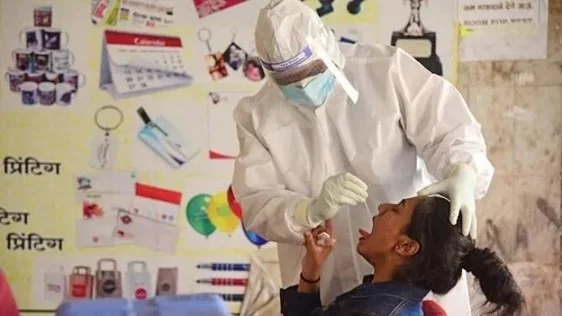
COVID-19 RT-PCR test @ Medipulse
COVID-19 is still at large even though the number of active cases has been reducing over the last few months. COVID vaccinations are also being completed all over the country, but this pandemic is far from over still.
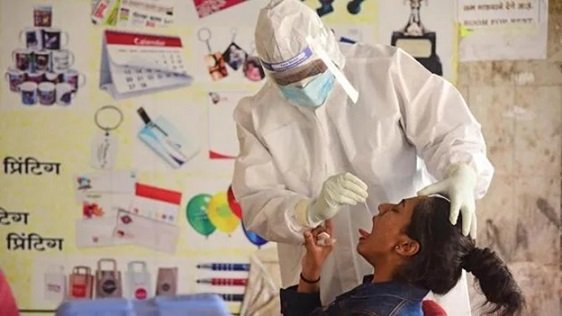
COVID-19 is still at large even though the number of active cases has been reducing over the last few months. COVID vaccinations are also being completed all over the country, but this pandemic is far from over still. Precautionary measures such as social distancing and wearing a mask are still required to ensure that COVID-19 can be overcome in the coming days.
Even when the world is slowly returning to normalcy and governmental lockdowns and restrictions are being eased upon, people are still suffering from the disease. On any given day, you would still find tens and thousands of people being affected by COVID regularly. Some of these people are being affected by the disease for a second time or even a third time after beating it. This is the reason that RT-PCR testing should most definitely still be practiced at the earliest after noticing the telltale symptoms of COVID-19. Let’s take a refresher on the most common and important symptoms of COVID-19 and then take a look at RT-PCR tests and why they are the best at detecting COVID-19 in your body.
Telltale symptoms of COVID-19
Fever
Dry cough
Tiredness
Sore throat
Loss of taste and smell
These symptoms are some of the most common symptoms of COVID-19, and if you are suffering from these symptoms for an extended period of time, you must get an RT-PCR test to check yourself for COVID-19. Now that you have a refresher on the most common symptoms of COVID, here are some of the reasons you must go for RT-PCR tests over any other type of COVID test.
Why should you take RT-PCR tests for checking COVID-19?
The RT-PCR tests are currently the most accurate tests for detecting the COVID-19 virus in patients that are available in the market. Other types of over the counter self-testing kits have been released, but their accuracy can not be matched with RT-PCR tests. The possibility of a false negative is greater when it comes to self-testing kits in comparison to laboratory test results. It is crucial for you to know that testing only when you show symptoms is not a healthy way to deal with COVID-19. You can contract the disease from other patients and remain asymptomatic. This is why you should take the RT-PCR test even when anyone who you came in contact with tests positive for COVID-19.
RT-PCR Testing at Medipulse Hospital
Medipulse hospital is the best private hospital in Jodhpur. They are a tertiary care hospital that has been at the forefront of fighting COVID since its inception in Rajasthan. Medipulse hospital is your best option for RT-PCR testing as the hospital is experienced, quick and accurate in providing test results. They also offer hospital admissions for COVID-19 patients as well as COVID vaccinations to protect people from the disease.
MediPulse hospital also offers very cost-effective RT-PCR testing facilities with fast and accurate results. You can contact the hospital for more information regarding the test pricing and timing. You can find more information on the hospital’s website here.

Chemotherapy in Rajasthan
Cancer is one of the most serious diseases that affect people in the world right now. Statistically, it has been seen that 1 in every 9 people in India lives with cancer risk and the probability of being affected by cancer at some point during their life.

Cancer is one of the most serious diseases that affect people in the world right now. Statistically, it has been seen that 1 in every 9 people in India lives with cancer risk and the probability of being affected by cancer at some point during their life. On average, around 4,40,000 people die from cancer in India every year. This number is projected to grow exponentially over the coming years.
Chemotherapy is one of the treatment options for cancer, and it is highly effective as well. Chemotherapy is one of the direct treatment plans for cancer. Chemotherapy is used to kill the cancer cells in your body, especially when the cancer is inside your body. Chemotherapy is one of the primary treatment options in certain cases of cancer. Let's take a closer look into what chemotherapy is and what its utility in treating cancer in today's world of medical science.
What is Chemotherapy?
Chemotherapy is a medicinal treatment for cancer. Chemotherapy is administered with the intent to kill the cancer cells inside the body in the earlier stages of cancer. In later stages, chemotherapy is used to reduce the symptoms faced by the patient and to extend the lifespan of the patient. Chemotherapy is an extensive treatment plan that involves multiple chemotherapy sessions for an extended period of time to either completely kill and remove the cancer cells or to at least prolong the lifespan of the patient suffering by reducing the symptoms. Chemotherapy has its own side effects such as hair loss, sickness, tiredness, infections. Some of these symptoms, such as infections, are rare, but hair loss is one of the most common side effects of chemotherapy.
How is Chemotherapy Performed?
As chemotherapy is a medication treatment, it can be performed in a number of ways. The effectiveness does not vary in the way the medication is administered. One of the most common ways to administer chemotherapy is by putting in a needle through the patient's vein and injecting the medicine directly into their bloodstream. Other than that, chemotherapy is also done through pills and other types of oral medications such as liquids. It can also be done by applying it directly on your skin as a cream.
Is Chemotherapy Painful?
This is one of the most common questions that patients ask when talking about chemotherapy. No, chemotherapy is not painful. If you are experiencing any pain, you should talk to the nurse and inform them about the area and severity of your pain immediately. In certain cases, when the chemo leaks or seeps into adjoining tissues, it can cause pain, but this is a rare occurrence.
Conclusion
Chemotherapy is one of the beaming hopes against cancer. Thousands of people in India survive cancer each year solely based on chemotherapy. If you or your loved ones are suffering from cancer, do not delay the treatment. For the most affordable and best quality chemotherapy treatment, be sure to contact MediPulse hospital in Jodhpur. MediPulse hospital is the best private hospital in Jodhpur, where you can find the best medical care and affordable treatment plans for cancer.

Chemotherapy For Breast Cancer
Breast Cancer is one of the most common forms of cancer that affects thousands of women in India every year. Breast cancer is now the leading cancer that causes the most amount of cancer deaths in India.
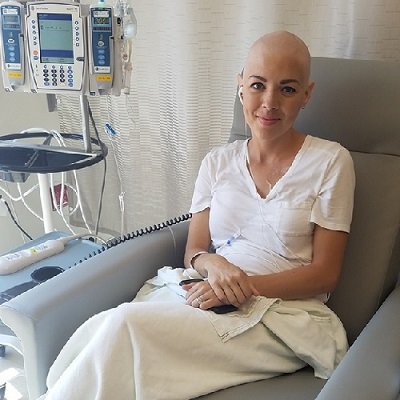
Breast Cancer is one of the most common forms of cancer that affects thousands of women in India every year. Breast cancer is now the leading cancer that causes the most amount of cancer deaths in India. With a mortality rate going as high as 25.8 per 100,000 women in India, breast cancer still continues to have a low survival rate. In 2018, more than 162,000 people were affected by breast cancer, representing 27.7% of all female patients suffering from cancer in India.
Chemotherapy is one of the leading treatment options for breast cancer. Chemotherapy is administered to kill the cancer cells that are in your body. Chemotherapy is administered intravenously or through oral medications. Several chemo sessions are required before the cancer cells are completely removed from the body. Chemotherapy treatment has its own side effects as it causes a lot of hair loss. Now that you know about what chemotherapy is and how it is relevant to the treatment of breast cancer. Let’s take a closer look at when during the treatment of breast cancer, is chemotherapy used?
When is chemotherapy used in the treatment of breast cancer?
Chemotherapy is one of the treatment options for breast cancer and not the only treatment option. The use of chemotherapy is subjective depending on the condition of the patient and the case that they present. Here are some of the common conditions where chemotherapy is used in the treatment of breast cancer.
After Surgery
In most cases, breast cancer requires surgery where the cancerous cells are surgically removed from the body to stop the further spread of cancer to other parts of your body. Surgery often can not remove the entirety of all the cancer cells in the breast. Chemotherapy is then used after the surgery to kill the remaining cancer cells in your body. Oftentimes even after surgery, some parts of the cancer cells remain inside the body undetectable in imaging tests in different parts of the body. To be certain that the patient is completely free from cancer, chemotherapy is suggested sometimes after the surgery.
Before Surgery
Chemotherapy is not generally used before the surgery, but in cases where the tumor is too big to be operated on, chemotherapy is used to reduce the size of the tumor so that it can be removed with less invasive surgery. Chemotherapy also gives doctors an idea of how the tumor reacts to the drug and helps them make changes in the treatment plan accordingly. One of the best parts about chemotherapy is that it does not only affect any specific part of the body. Chemotherapy kills any cancer cell that is present inside the body that may or may not be traceable in imaging tests.
Conclusion
Chemotherapy is one of the best and most important lines of treatment when it comes to cancer. Even though surgery is quite inevitable in cases of breast cancer, chemotherapy is still an important treatment option for breast cancer. A huge part of the treatment for breast cancer comes down to the experience and expertise of the doctor and hospital staff that are treating you. So, for the best chemotherapy treatment for patients suffering from breast cancer, be sure to visit MediPulse hospital, which is the best private hospital in Jodhpur. With years of experience treating cancer patients from all around the country, MediPulse is the perfect choice for breast cancer treatment in India.

Blood Types Explained - A, B, AB, and O
Blood is the most important fluid present inside your body. It is mainly created from red blood cells, white blood cells, platelets, and plasma. The small differences in the blood of each person by the absence or presence of certain antigens in the composition of blood leads to the blood types.
Blood is the most important fluid present inside your body. It is mainly created from red blood cells, white blood cells, platelets, and plasma. The small differences in the blood of each person by the absence or presence of certain antigens in the composition of blood leads to the blood types. Let’s look at what the different blood types are and how they are different from each other.
What is the significance of different blood types?
Different blood types have different antigens, either present or absent in them. In cases of blood transfusion, if the new blood that is introduced to the body is not compatible with the type of blood the patient has, it will cause a reaction in the immune system of your body and cause the immune system to attack the transfused blood and treat it as a foreign object.
What Are The Different Blood Types?
A Type
Description: A type or group of blood has A antigen in the red blood cells and B antibodies in the plasma.
Blood Transfusion: A person with A-type blood can only receive blood from the O group, which is known as the Universal donor group of blood, and other A-type blood group individuals.
Blood Donation: In terms of donating blood, A type of blood group can donate blood to a person with the same A type of blood group or to individuals that have the AB type of blood group, which is known as the Universal recipient.
B Type
Description: B-type blood has B antigen in the red blood cells and A antibodies in the plasma of the blood.
Blood Transfusion: A patient with B type of blood can receive blood from other individuals with B type of blood or from individuals with O type of blood as the O type of blood is known as the Universal Donor type of blood.
Blood Donation: A person with B type of blood can donate blood to patients with B type of blood or to patients with AB type of blood. AB-type of blood is known as the Universal Recipient blood group.
AB Type
Description: AB-type blood has both the A and B antigens in the red blood cells, but this blood group does not have any antibodies in its plasma.
Blood Transfusion: A patient with the AB type of blood can receive blood from people of all blood groups. The AB type of blood is known as the Universal Recipient, which means they can receive blood from any other blood group without any complications.
Blood Donations: In terms of blood donations, individuals that have AB type of blood cannot donate blood to other groups. They can only donate blood for other AB-type patients.
O Type
Description: O type of blood does not have any antigens in the red blood cells. However, the O group of blood has both the A and B antibodies in the plasma of the blood.
Blood Transfusion: A patient that has O type of blood can only receive blood from other individuals that have O type of blood. This makes O type of blood quite rare in cases of blood transfusions.
Blood Donations: A patient with O type of blood can donate blood of patients of every blood group. This is because the O blood group is known as the Universal Donor group, meaning that their blood can be transfused to a person with any blood group, and it would not lead to any medical problems.
Conclusion
It is important for you to know your blood group as it can save your life in case of any medical emergency or accident. You can easily get diagnostic tests that will help you learn about your blood group.

What’s Covered Under Chiranjeevi Health Insurance
In the budget session of 2021-22, the Chief Minister of Rajasthan, Mr Ashok Gehlot, announced the state’s health insurance scheme that aims to provide universal health insurance to all citizens of Rajasthan up to 5 lakh rupees.

In the budget session of 2021-22, the Chief Minister of Rajasthan, Mr Ashok Gehlot, announced the state’s health insurance scheme that aims to provide universal health insurance to all citizens of Rajasthan up to 5 lakh rupees. The Chiranjeevi health insurance scheme is the first universal health scheme provided by any state government in India. This scheme aims to provide cashless medical insurance facilities to all citizens of the state up to 5 lakh rupees. Now that you are clear on the Chiranjeevi health insurance and its features let’s take a closer look into what illnesses and medical problems are covered under the Chiranjeevi health insurance.
Coverage Details For Chiranjeevi Health Insurance
The Chiranjeevi health scheme of Rajasthan is a one of a kind scheme that will undoubtedly help the 82.4 million population of Rajasthan. This scheme covers many illnesses and diagnostic tests. A total of 1576 medical tests are covered under the scheme. Diseases such as black fungus and COVID-19 are also brought under the scheme.
Any person enlisted for the scheme can avail care for various chronic and non-chronic diseases coverage up to 5 lakh rupees at the registered hospitals under the scheme at Rajasthan. The hospitals can not charge any money from the patient if they are enrolled on the Chiranjeevi scheme. For people under the poverty line in Rajasthan, the Chiranjeevi scheme offers them hemodialysis services under the scheme as well.
The Chiranjeevi scheme also covers any medical cost, including the cost for medical tests up to 15 days after the patient is discharged from the hospital under its cashless facilities. This means that a patient does not have to pay for the post-discharge medical tests and other patient care services up to 2 weeks after their discharge as well. However, it is important to note that the scheme only offers cashless facilities for the 1576 medical tests that are officially enlisted under the Chiranjeevi scheme.
If the patient is diagnosed with any health problem or disease not covered under the scheme, they will be adequately informed that their diagnosis and further treatment will not be covered under the scheme, and they have to pay for the treatment themselves. This is the same if the patient is ordered any medical test that is not officially listed under the scheme guidelines. The patient will be required to pay for the test themselves. For detailed information regarding which diseases are covered under the scheme and which medical tests are covered under the scheme, you can visit this link. Or you can call the toll free helpline number, 18001806127.
Conclusion
The Chiranjeevi health scheme of Rajasthan has a huge potential for helping the underprivileged parts of the population of Rajasthan in availing best in class healthcare services. This is sure to reduce the rate of mortality in different parts of the population as well. If you are a permanent citizen of Rajasthan, you can visit this link to start your registration process for enrolling on the Chiranjeevi scheme. The scheme has been put into effect since May of 2021.

How To Register For Chiranjeevi Health Insurance?
Before we find out how to register for the Chiranjeevi Health Insurance, let us take a brief look at what Chiranjeevi Health Insurance is. The Mukhyamantri Chiranjeevi Yojana 2021 is a health insurance scheme that was announced by the present chief minister of Rajasthan, Mr Ashok Gehlot, on 24 February in 2021’s Budget Speech.
What is Chiranjeevi Health Insurance?
Before we find out how to register for the Chiranjeevi Health Insurance, let us take a brief look at what Chiranjeevi Health Insurance is. The Mukhyamantri Chiranjeevi Yojana 2021 is a health insurance scheme that was announced by the present chief minister of Rajasthan, Mr Ashok Gehlot, on 24 February in 2021’s Budget Speech. The key benefit of this scheme is to improve the healthcare services in Rajasthan by providing cashless health aid to the citizens. The beneficiaries of this scheme can procure up to ₹5 lakhs of Health Insurance.
All the citizens of Rajasthan can apply for this scheme, although it was announced for those people who were unable to get the benefits of the Socio Economic Caste Census and National Food Security Act. The budget of this health insurance scheme is around ₹3,500 crores. The budget was set by Mr Gehlot so that the health insurance scheme could be successfully implemented efficiently during a crisis period like the COVID-19 Pandemic. The Chiranjeevi scheme can turn out to be extremely helpful to the people who belong to the BPL category and do not have the means to carry out heavy medical treatment expenses.
The registration process for the Chiranjeevi scheme
You need to make sure of certain prerequisites before starting your registration process for the Chiranjeevi scheme. One of the most important prerequisites for registering for the Chiranjeevi scheme is to have your Janaadhar card. You must also not be a government employee or an elected representative of the government to avail the Chiranjeevi scheme. Based on your income status, the features available to you under the Chiranjeevi scheme might be different, so it is important to keep your income certificate with you, especially if you fall under the poverty line.
For starting your registration process for the scheme, you have to visit www.sso.rajasthan.gov.in/register. You can then follow the steps as directed and complete your registration process for the Chiranjeevi scheme. As a beneficiary, you will be entitled to medical coverage not only for yourself but also for your dependents. During the registration process for the Chiranjeevi scheme, you will be required to provide pictures and Janaadhar numbers of your dependents to enrol them under your medical coverage. Each beneficiary gets coverage up to 5 lakhs, including their dependents. Each dependent individually does not get coverage of up to 5 lakhs.
Conclusion
The registrations for the Chiranjeevi scheme are currently open. This scheme has been put into action since May of 2021. You might have to pay a premium of around 850 rupees per year to avail of the Chiranjeevi scheme. The Chiranjeevi scheme is a great opportunity for the citizens of Rajasthan to get quality healthcare services. It will inevitably reduce the mortality rate in the state and help people live healthier lives. Rajasthan is the first state in India to introduce universal insurance coverage for all citizens. The success of the Chiranjeevi scheme can encourage other state governments to also implement such coverage plans for their state populations.

RGHS vs Chiranjeevi Health Insurance
The Rajasthan government headed by the chief minister Mr Ashok Gehlot introduced two health schemes for the citizens of Rajasthan in 2021. These schemes have great potential and offer unprecedented opportunities for healthcare to the citizens of the state.
The Rajasthan government headed by the chief minister Mr Ashok Gehlot introduced two health schemes for the citizens of Rajasthan in 2021. These schemes have great potential and offer unprecedented opportunities for healthcare to the citizens of the state. Both of these schemes have similarities and differences. So, let’s take a closer look into the similarities and differences between these two schemes and how you can benefit from each.
Similarities between Chiranjeevi and RGHS scheme
Both of these schemes are offered to and only the citizens of Rajasthan. The Chiranjeevi scheme can be availed by temporary residents of Rajasthan as well under certain provisions. Temporary residents can not avail themselves of the RGHS scheme of Rajasthan.
Both these schemes offer cashless medical health facilities at any of the registered hospitals under the scheme up to 5 lakh rupees. Both these schemes offer cashless medical facilities to beneficiaries at almost all the government and private hospitals in the state.
The registration process for both of these schemes is performed online.
These are some of the similarities between the two schemes. Now, let’s take a look at the different benefits and differences between each of these schemes.
Chiranjeevi Health Scheme

The Chiranjeevi health scheme introduced by the state government of Rajasthan is a health scheme for all the citizens of the state. Regardless of their financial standing, each citizen of the state is entitled to cashless healthcare facilities up to 5 lakh rupees for various illnesses and health problems. The coverage includes and is not limited to the care and treatment of patients suffering from COVID-19 and black fungus. Other than that, this scheme also beneficiaries below the poverty line to avail hemodialysis services under medical treatment. Diagnostic tests, as well as patient care up to 15 days after their discharge from the hospital, are also covered under the Chiranjeevi health scheme. This scheme can be availed as many times as a beneficiary needs in a year with no limitations except for the coverage limit of 5 lakh rupees.
Rajasthan Government Health Scheme (RGHS)
The RGHS was introduced alongside the Chiranjeevi scheme, but the RGHS scheme is reserved only for people that are excluded from availing the Chiranjeevi scheme. Government employees, Members of the Legislative Assembly, judges can avail themselves of the RGHS instead of the Chiranjeevi scheme. In terms of benefits, Chiranjeevi and RGHS are similar. However, the beneficiary does not need to pay any premium for availing RGHS. The list of diseases and medical tests covered under RGHS are also similar to that of the Chiranjeevi scheme, and beneficiaries can avail themselves cashless medical facilities at any government and private hospital in Rajasthan up to 5 lakh rupees under RGHS as well. Diseases like COVID-19 and black fungus are also covered under RGHS.
Conclusion
The Chiranjeevi scheme and RGHS are both exceptionally great medical facilities that are sure to help a great majority of the population of Rajasthan. With universal healthcare facilities being available to the mass population, this is sure to reduce the mortality rate in certain parts of the population and provide quality healthcare facilities to them.

What Are the Types of Leukemia?
Leukemia is a type of cancer that affects the blood-forming cells of the bone marrow and increases the growth of the white and red blood cells at an abnormal rate. The Leukemia cells multiply rapidly and crowd out the other cells present in the bone marrow.
Leukemia is a type of cancer that affects the blood-forming cells of the bone marrow and increases the growth of the white and red blood cells at an abnormal rate. The Leukemia cells multiply rapidly and crowd out the other cells present in the bone marrow. After a while, the Leukemia cells flood out of the bone marrow and spread into the bloodstream, which increases the number of WBC in the bloodstream abnormally.
As soon as it ends up in the bloodstream, it can quickly spread among the other organs of the body and hinder their normal functioning capability. Leukemia can be differentiated into several different types, and knowing the type from which the patient is suffering, helps the doctor frame the treatment planning accordingly. Read ahead to learn more about the types of Leukemia, their symptoms, causes, and possible treatment options.
Types Of Leukemia That Commonly Affect People

Acute Lymphocytic Leukemia
Description: Acute Lymphocytic Leukemia (ALL) often occurs in children under 15 or in adults above 45. It is one of the most common forms of Leukemia that occurs in kids, especially between the ages of 2-4.
Symptom: The symptoms of ALL are often similar to flu, and it usually includes weakness, fatigue, fever, and body aches. Some of the other probable symptoms are easy bleeding of gums and nosebleeds.
Cause: Acute lymphocytic Leukemia happens when a mutation occurs in the genetic material or DNA of the bone marrow. But it is still uncertain what pushes the DNA to mutate and further leads to abnormal changes.
Treatment: The treatment schedule of a patient suffering from ALL often includes chemotherapy, radiation therapy, chemotherapy with stem cell transplant, or immunotherapy. Considering the stage of cancer and several other factors such as age and medical history, the doctor will follow the treatment method that suits your condition the most.
Acute Myeloid Leukemia
Description: Also known as Acute Myelogenous Leukemia, this Leukemia type affects a specific type of white blood cells referred to as the myeloid cells. It develops rapidly and often attacks the red blood cells or platelets too. The number of Leukemia cells often outnumbers the healthy blood cells and renders its normal functioning ability. As it affects the blood, this form of cancer has the ability to spread to other organs and parts of the body as well.
Symptom: Some of the major symptoms of AML are fever, frequent infections, and anaemia.
Cause: Like all other Leukemia types, acute myelogenous Leukemia develops when a mutation occurs in the DNA/genetic material of the bone marrow. But the reasons behind these changes are still not found yet.
Treatment: The major treatment procedures for acute myelogenous Leukemia are remission induction therapy and consolidation therapy. From the disease's subtypes, the patient's age and several other factors are considered before framing a treatment plan for a person suffering from this particular type of Leukemia.
Chronic lymphocytic Leukemia
Description: This is a slow-growing Leukemia type that develops in the lymphocytes of the bone marrow and slowly spreads into the blood and further into the different organs of your body.
Symptom: The probable symptoms include enlargement of the lymph nodes of the neck, underarm, abdomen, or groin, fatigue, and weakness. There are several other symptoms like night sweats and fever, but it varies highly from person to person.
Cause: Same as other types of cancer, even this type of Leukemia is caused by mutations in the cells' DNA/genetic materials present in the bone marrow. However, why the mutations are caused is yet unknown.
Treatment: There is a varied range of treatment options such as targeted drug therapy, bone marrow transplant, and chemotherapy, and the doctors choose the most suitable one according to the patient's condition.
Chronic myeloid Leukemia
Description: This type of Leukemia is quite different from the ones discussed so far as it is an abnormal chromosome; the Philadelphia chromosome has shown an association with CML.
Symptom: The primary symptoms of CML include easy bleeding, fever, loss of appetite, and night sweat.
Cause: Chronic myeloid Leukemia occurs when specific changes occur in the genes present in the bone marrow cells. The reason behind these changes is still uncertain as it is based on many unknown factors.
Treatment: The treatment procedures of cancer are often similar ones, and the most suitable one according to the patient's condition is recommended by the doctor.
Conclusion

There is no way that anyone can prevent cancer from developing in their bodies. Nor can we manage to take precautions as the causes are still not found by scientists and experts. The only available option is to consult with a doctor (Oncology) as soon as you detect certain unusual changes or issues in your body before it gets out of our hands. When it comes to cancer such as Leukemia the early detection is the difference between life and death.

Skin Cancer: Causes, Stage, Diagnosis & Treatment
There are various types of skin cancer that have become quite prevalent these days. While some may develop in areas exposed to the sun, others might affect the most unexpected places. Skin cancer or the abnormal development of skin cells can be of different types, and each of them shows a varied range of symptoms.
There are various types of skin cancer that have become quite prevalent these days. While some may develop in areas exposed to the sun, others might affect the most unexpected places. Skin cancer or the abnormal development of skin cells can be of different types, and each of them shows a varied range of symptoms. You can reduce the risk of skin cancer by avoiding direct exposure to UV radiation. Read ahead to learn more about skin cancer as we are going to discuss here the probable causes, stages of skin cancer, the diagnosis areas, and the treatment methods.

Causes
Mutation in the DNA of skin cells is the primary cause of skin cancer as the cells grow uncontrollably and form lumps of cancer cells. The outermost skin layer is called the epidermis, which is the main area that initially gets affected by cancer.
The role of this epidermis layer is to offer a protective shield to the skin cells of the body, and skin cancer often hinders the functional capability of the epidermis. Most of the DNA damage in the skin cells occurs due to the harmful radiation of the sunlight.
Certain areas are not exposed to the sunrays in any way but still do get affected with skin cancer. That signifies that there are several other factors except for UV radiation which leads to skin cancer but is yet to be detected by the experts.
Stages

Cancer often attacks a small portion of the body but keeps reproducing rapidly, which further lets it spread in other areas of the body if it is not detected early. There are several benefits of staging cancer; doctors use it to understand the cancer type vividly with the help of these stages.
Even though the effect of cancer varies from person to person, the treatment planning often ends up being identical in the case of the same-stage cancer diagnosis. A TNM classification system is a tool that doctors use to stage different varieties of cancer.
It involves mainly three points: tumor size and its depth into the skin, the lymph node involvement, and whether cancer has spread to any other portions of the body. Usually, the cancers are staged from 0 to 4, where the lower number denotes the least affect/spread of cancer and stage 4 refers to be the most advanced state where cancer has spread into several organs of the body.
The further detailing of the stages differs based on the skin type where cancer has been affected.
Diagnosis
The first steps which are followed for determining whether you are affected with cancer are:
Examination of the skin: A doctor might examine the outer layer of the skin to spot any signs, which might give an idea if further testing is required or not.
Removal or collection of a sample of suspicious skin for biopsy: An expert will collect a part of suspicious skin for testing in a process called a biopsy. It is the most beneficial method to find out whether you have skin cancer and if yes, it will further determine the type and several other factors about it.
Determining the stage: If you have cancer, the doctor will conduct several other tests such as imaging tests to detect the type and the places where it has spread. The cancer staging will further allow doctors to chalk out the suitable treatment methods that will be most fruitful in removing cancer from your body.
Treatment
Small skin cancers quite often do not demand further tests more than a biopsy, after which the complete growth is removed from the skin. However, if a person needs other treatment options, the following methods are incorporated within the treatment procedure.
Freezing: The early skin cancer types are frozen with the usage of liquid nitrogen, and the dead tissues shed off once it thaws.
Excisional surgery: This method is helpful for almost all types of cancer where an extra layer of healthy skin is also removed along with the affected area.
Mohs Surgery: This procedure is applied to those areas which are difficult to treat or are affected on a large area.
Curettage and electrodesiccation or cryotherapy: In this method, after successfully removing a significant portion of cancer growth, the left out portion is scraped out using a sharp object.
Radiation therapy: It uses high-energy radiation for killing cancer cells. This method is used in those cases where surgery could not eliminate cancer from the body completely.
Photodynamic therapy: A combination of drugs and laser light is used to make the cancer cells sensitive to light, and it is further destroyed with the help of the light rays.
Biological therapy: It uses the immune system of the body for killing cancer cells.
Ending Note
Early detection helps to start treating cancer at an early stage which increases the chances of recovery. Therefore, it is the best choice to consult a doctor (Oncology) as soon as you notice specific unusual changes in your skin.