

Things you need to know about Children's Vaccination in India
Since its invention in 1798, vaccines have saved humanity from extinction by protecting the masses from serious diseases that were rampant in earlier times. Since 1798, vaccines have come a long way, and today many diseases

Since its invention in 1798, vaccines have saved humanity from extinction by protecting the masses from serious diseases that were rampant in earlier times. Since 1798, vaccines have come a long way, and today many diseases that were previously known as endemics and epidemics are known as preventable diseases thanks to vaccines.
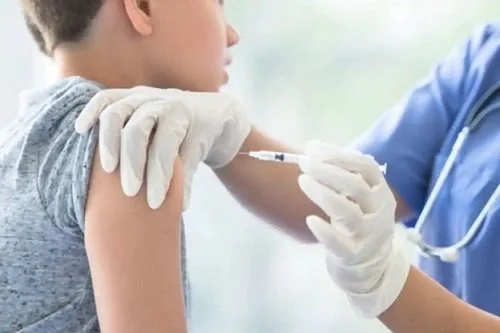
Vaccines are especially required for pregnant women, babies, and infants; these people remain at a higher risk of diseases/illnesses that can be prevented by taking vaccines. Today, the government, health advisory board of India, and UNICEF all recommend a specific vaccination schedule for children that begin at birth and continue till the child is almost 15 years of age. This vaccination schedule is good for protecting your child against various serious diseases that, in the worst case, can be fatal or cause physical disabilities.
So now that you understand the need for vaccinating your child, let's take a look at the vaccination schedule that you should follow for your child to keep them safe from various diseases.
Vaccination Schedule For Children By Age
At Birth
Vaccines administered at the birth of the child correspond to vaccines that are given as soon as possible, which is within the first 24 hours of the child's birth. Let's look at what these vaccines are and the diseases they help prevent.
BCG Vaccine
BCG Vaccines help protect children against tuberculosis. A dosage of 0.1ml is administered intra-dermally into the upper left arm of the child within the first 24 hours of the child's birth. This is the first dose or dose 1 of the BCG vaccine.
Hep B Vaccine
The Hep B Vaccine protects children against Hepatitis B. A 0.5ml dose of this vaccine is administered inside the anterolateral side of the left mid-thigh of the child. This vaccine is called the birth dose, and it needs to be administered within the first 24 hours of the child's birth.
OP Vaccine
The Oral Polio Vaccine protects the child against Polio. The dose 0 is administered orally to the child within the first 24 hours of their birth or at least within the first 15 days of the child's life. As the vaccine is administered orally, two drops of the vaccine are orally administered.
6-8 Weeks After Birth
Rota Virus Vaccine
The RVV protects you against the Rota Virus disease with an oral vaccine that is delivered in three doses at different times. The first dose of 5 drops needs to be delivered within the first 6-8 weeks of the child's birth.
OP Vaccine
The first dose of the Oral Polio (OP) vaccine is given to children between the age of 6-8 weeks. The dosage for the second dose is five drops, and it is given orally, as the name suggests.
Pentavalent Vaccine
The Pentavalent vaccine protects children from five diseases because this vaccine is a combination of five individual vaccines. It protects the child against Diptheria, Pertussis, Hepatitis B, Hib, and tetanus. This vaccine is administered as an intramuscular vaccine on the anterolateral side of the left mid-thigh of the child with a dosage of 0.5 ml. The first done needs to be delivered between the first 6-8 weeks of the child's birth.
8-14 Weeks After Birth
OP Vaccine
The second and third doses of the Oral Polio vaccine are given to the child within the first 8-14 weeks of their birth with a dosage of 5 drops per dose.
Pentavalent Vaccine
The second and third doses of the pentavalent vaccine need to be given to the child during this time period as well at 10 weeks and 14 weeks, respectively. The dosage remains the same at 0.5 ml per dose.
Rota Virus Vaccine
The second and third dose of the RVV needs to be orally given to the child in this time range as well, with a dosage of 5 drops per dose.
IP Vaccine
The Inactivated Polio Vaccine is another form of polio vaccine that needs to be administered to the child at the age of 14 weeks. This vaccine needs to be administered intramuscularly on the anterolateral side of the right mid-thigh of the child.
Above The Age Of 14 Weeks Till 1 Year
Measles Vaccine
The measles vaccine protects the child against measles. It needs to be delivered to the child after they have completed 9 months of age and between 12 months of age. In case, the child misses it, they can get this vaccine till 5 years of age as well. This is a subcutaneous vaccine with a dosage of 0.5 ml that needs to be administered in the right upper arm of the child.
Vitamin A Vaccine
The first dose of the vitamin A vaccine is given orally along with the measles vaccine with a dosage of 1ml.
Conclusion
Vaccinating your child/children is one of the most important things that you have to do as a parent to guarantee them a healthy and safe life growing up. If you are interested in learning, you can find more information about the immunisation schedule followed in India from this link here. If you are a new parent in Jodhpur, and you want to get guidance and help on vaccinating your child, be sure to visit Medipulse hospital for the best care and affordable vaccination services in accordance with the government schedule.
All the things you should know about the COVID vaccination program for 15 to 18 years age group
On 16 January 2021, India launched the world’s largest vaccination drive against COVID-19 to initially vaccinate more than 300 million frontline and medical workers. The drive was then extended to cover every Indian citizen above the 45 year age group.

On 16 January 2021, India launched the world’s largest vaccination drive against COVID-19 to initially vaccinate more than 300 million frontline and medical workers. The drive was then extended to cover every Indian citizen above the 45 year age group. However, the vaccination was completed solely based on vaccine availability which did cause some disruptions given the huge population of India.
As India announced a nationwide lockdown from March 2020, the educational facilities of more than 320 million students in India were adversely affected. Due to the COVID-19 pandemic, 286 million children in India lost the opportunity of continuing their education. Children in India are currently facing a learning crisis, and as schools are reopening after almost two years, the need for vaccinating children is the highest right now.
On 25 December 2021, the government announced the first leg of children’s vaccination, starting with the vaccination of 15-18-year-old children all over the country. Let’s learn more about the vaccination program of 15-18 years old children in India.
Procedure for COVID vaccine for 15-18 years age group in India
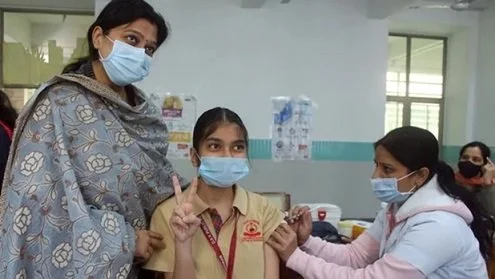
Initially, children born before 2007 are eligible for COVID vaccinations. The registration process remains similar for children as for adults; they are required to register using the Cowin platform. People in this specified age group can register using their Aadhar card or using their student ID cards. The vaccination drive announced on 25 December 2021 was inaugurated on 3 January 2022, and so far, reports have confirmed that more than two crore children in the specified age group have been vaccinated against the disease.
What are the Vaccines available in India for vaccination of 15 to 18 years old?
COVAXIN
Covaxin, India’s first indigenous COVID vaccine, is developed and manufactured by Bharat Biotech at their BSL-3 high containment facility. Covaxin includes immune-potentiators, also known as vaccine adjuvants, added to the vaccine to increase and boost its immunogenicity. It is a 2-dose vaccine given 28 days apart. Covaxin demonstrated 77.8% vaccine efficacy against symptomatic COVID-19 disease. The efficacy data indicates 63.6% protection against asymptomatic COVID-19. This ‘made in India’ vaccine has been approved by WHO and recommended for emergency use.
Based on the announcement Covaxin is the only vaccine used to vaccinate the 15-18 years age group. Other vaccines are on trial and are not currently being used to vaccinate children. Some of the vaccines that are undergoing trials are COVISHIELD and Sputnik V.
COVISHIELD
Serum Institute of India has manufactured Covishield; this is a two-dose vaccine of 0.5ml per dose. The current government regulations the current interval between two doses of this vaccine is between 12-16 weeks after the first dose.
Based on the vaccine efficiency data provided by the manufacturer, Covishield has shown 70-90% effectiveness against the disease. Covershield is free from public facilities and is the cheapest vaccine available from a private organization. But this vaccine is currently not recommended for vaccinating those who are younger than 18 years of age.
SPUTNIK V
The Russian COVID-19 vaccine Sputnik V is a two-dose vaccine for COVID-19. Sputnik V is one of three COVID-19 vaccines globally that have an efficiency of over 90% against the virus and became the world’s first registered vaccine against COVID-19. 40% of the global population, or 300 crore people, have access to this vaccine. However, this vaccine is not available in every center, so you need to check the availability at your local vaccination centers.
This vaccine is currently only recommended for 18-60-year-olds. Children are not recommended to get this vaccine as it is being clinically tested in Russia for using this vaccine to vaccinate children.
Why should children between the ages of 15-18 years get vaccinated?
For children aged between 15 to 18 years, it is necessary to get vaccinated to avoid getting seriously infected by the COVID-19 virus. It is important to note that COVID vaccines do not make you 100% immune to the disease, but it greatly reduces the effect of the infection on your body if and when you get infected.
Where can you get the COVID-19 vaccine for 15 to 18-year-olds?
If you are in Jodhpur (Rajasthan), you can visit the Medipulse Hospital for a safe and quick vaccination for any Indian citizen above the age of 15. The experienced doctors and medical staff of Medipulse hospital are highly experienced in providing quick and safe covid vaccination to everyone. For more information about COVID vaccination at Medipulse hospital, visit the official website of the hospital.
How can the omicron variant of covid-19 affect your child? Here’s what you need to know
With the start of 2022, the world is struggling with the Omicron variant of the COVID-19 virus. All across the world, governments are trying to vaccinate the masses to protect them against COVID.

With the start of 2022, the world is struggling with the Omicron variant of the COVID-19 virus. All across the world, governments are trying to vaccinate the masses to protect them against COVID. However, the number of cases has started to rise sharply, and the impending third wave of COVID-19 is here. Based on the research evidence, experts are now suggesting that this variant of the virus is more transmissible and possesses a greater risk for children, who are still now unvaccinated in most countries around the world.
Research is still undergoing into Omicron’s transmissibility, severity, and reinfection risk. Given the greater risk of children, now is a crucial time when parents need to know about the symptoms of the omicron variant, the preventive methods they can use, and the ways in which you can treat your child in the unfortunate instance of them being infected or showing symptoms.
What Are The Common Symptoms Vs What Are The Symptoms You Should Be Worried About?
Common Symptoms
Headaches, mild fatigue, and coughs are the most common symptoms of the Omicron variant of COVID-19. Congestion along with a runny nose are also common symptoms nowadays, with a loss of appetite. Apart from the ones mentioned, brain fog is also a common symptom. It refers to a feeling of being mentally slow, fuzzy, or spaced out. Even though fever, dizziness, losing taste and smell are common symptoms, you should take them seriously if these symptoms persist.
Even mild symptoms that appear for over 5-6 days would require you to take a COVID test. These common symptoms do not require immediate medical assistance and can be treated with the parent’s care at home. There are, however, some symptoms that require serious medical assistance and COVID testing they are mentioned below.
Symptoms You Should Be Worried About
Trouble breathing
Constant pain or pressure on your chest
Bluish lips or face
Pneumonia
If your child/children are having any of these symptoms for more than 2-3 days, you need to go for a COVID-19 test and also need immediate medical care. Remember that it is also possible to have COVID-19 with minimal or even no symptoms at all, so prevention methods need to be followed at all times to keep your child safe from the Omicron variant of the COVID-19 virus.
How Can You Protect Children Against The Omicron Variant Of COVID?
To reduce the possibility of your children getting affected by the Omicron variant of COVID-19, you as a parent should follow these most needed steps:
Make sure all the adult family members are fully vaccinated.
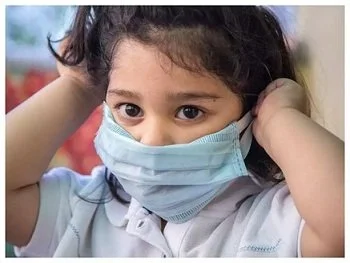
Wear a mask that covers your nose and mouth whenever you go out of your house.
Wash hands regularly.
Maintain high levels of personal hygiene.
Avoid crowded places.
Talk about the importance of wearing a mask and washing hands regularly with your child. It should be explained to them in an age-appropriate way.
Get your child vaccinated whenever it is available.
What You Should Do If Your Children Show Symptoms Of COVID Or Are COVID Positive?
If your child is showing any symptoms of COVID, it is necessary to treat your child as per the symptoms they are showing. If the symptoms do not reduce/go away after a few days, you need to consider getting a COVID test for your child. In the unfortunate event of the test returning positive, you have to monitor the health of your child closely and take them to a hospital only if they suffer from a very high fever that is not reducing or from breathing problems and high chest pain. It is important to know that treating children at home can help them recover faster from COVID.
Where Can You Get The Best COVID-19 Treatment?
If you are worried about the health of your child or want to get them the best medical care in case they are ever infected by COVID, you can surely visit Medipulse hospital, the best tertiary care hospital in Jodhpur. You can get the best medical care at Medipulse thanks to the experienced and dedicated doctors and medical staff that work tirelessly to keep you and your loved ones safe from COVID-19. For more information about COVID treatment at MediPulse, please visit the hospital website.
What do we currently know about children’s vaccination in Rajasthan, India?
With the start of 2022, COVID-19 has re-established itself as a significant threat again for the third year in a row. Governmental lockdowns are imminent as the number of cases starts crossing the lakh per day mark.

With the start of 2022, COVID-19 has re-established itself as a significant threat again for the third year in a row. Governmental lockdowns are imminent as the number of cases starts crossing the lakh per day mark. The Omicron variant of COVID-19 has been in headlines, as experts have reported and warned against this variant which is expected to be even more dangerous and infectious, especially for children.
When the vaccination drive started in India, it focused mainly on senior citizens and frontline workers; later, the drive was extended to all above 18. With the threat of new variants becoming more dangerous and infectious to children, the government announced the COVID-19 vaccination for 15-18-year-olds in India on 25th December 2021. Let’s learn more about children’s COVID vaccinations, the government updates regarding the issue, and the current status of children’s COVID vaccination in India.
What We Currently Know About Children’s COVID Vaccination in India
Vaccination of 15-18-Year-Olds
The vaccination of children, namely 15-18-year-olds, was announced on 25th December 2021 by the Prime Minister of India; the vaccination drive began on 3rd January 2022. The eligible beneficiaries must be born before 2007 to be eligible for vaccination under this drive.
What Vaccines Are Administered?
The options for vaccination are limited when it comes to the vaccination of this age group as only India’s indigenously developed vaccine, Covaxin developed by Bharat Biotech, has been approved for vaccinating this particular age group. The central government has informed states and union territories that additional dosages of Covaxin will be delivered to the states that are planning to vaccinate this age group.
What is the process for registration?
The process for registration for vaccination is the same for this age group as for others; beneficiaries/children in this age group are required to register themselves on the Cowin platform to be eligible for vaccination. You can also go for walk-in registration, although walk-in registration is relatively limited and not available at all vaccination centres in the country.
Are there any side effects of the vaccine for this age group?
Covaxin had shown minimal side effects on adults; however, for children in the 15-18 year age group, it is expected the expected side effects can be:
Pain at the site of vaccination
Mild fever
Swelling & Body ache
So far, no complications have been reported all across India for vaccination of children in this age group, and as the number of vaccinated children in this age group crosses the mark of 2 crores, it is safe to say that the possibility of severe side effects can be safely put to rest.
COVID Vaccination of Children Below The Age of 15 Year
The Indian government has yet to announce any plans for the vaccination drive of children below the age of 15. However, the health ministry has approved the use of Covaxin for emergency cases of COVID-19 for children over the age of 2 and below 18. Any plans for a proper vaccination drive for children below 15 are yet to be announced by the government.
Many countries worldwide have started vaccinating children to reduce the efficacy of the virus and to improve the overall immunity of the population against the COVID-19 virus. With the resounding success and public reaction to the 15-18-year-old vaccination drive, it is expected that the government will soon announce a dedicated vaccination drive for children below the age of 15.
Conclusion
With variants such as Omicron and Delta of the COVID-19 virus, it is not long before this virus takes a deadly turn and becomes lethal to children as well. To protect children from this evil, it is necessary for parents and family members to first get the vaccine and then for parents to keep track and get their children vaccinated as soon as the drive begins.
Vaccinating against this disease is one of the only ways to protect yourself against this disease. If you are looking for/seeking a safe and trustable vaccination center in Jodhpur, Rajasthan, be sure to visit Medipulse hospital for a safe and quick vaccination process available for all citizens above the age of 15. For more information about COVID vaccination at Medipulse hospital, be sure to check out the hospital website.

What is a heart stent & why would you need it?
A heart stent is a medical device that is often placed in the coronary artery of the heart to keep it open and support the blood flow throughout your body. The coronary artery sometimes narrows down, which reduces the amount of blood that flows through the artery.

A heart stent is a medical device that is often placed in the coronary artery of the heart to keep it open and support the blood flow throughout your body. The coronary artery sometimes narrows down, which reduces the amount of blood that flows through the artery. The stunted flow of blood can cause serious and severe consequences and even death if not acted upon quickly. The narrowing of the artery is caused due to cardiovascular diseases such as coronary heart disease.
So, if you are suffering from cardiovascular diseases that cause your major arteries to narrow down and eventually shut off altogether, you need heart stent surgery. But, what is a heart stent? It is a medical device that is basically like a tube that is placed in your artery that prevents the artery from closing down. Think of it like this; you are placing a stick in your mouth, so your mouth can’t close anymore. This is a gross oversimplification, but in practice, this is what it is.
Why Would You Need A Heart Stent?
There are many reasons why you need a heart stent. You can have plaque buildup in the major arteries that supply blood to and from your heart. You can also have any disease that causes your arteries to narrow down by themselves. Both of these situations require the placement of a heart stent inside the clogged/blocked arteries to effectively save your life from a stroke or a heart attack.
The heart stent prevents your arteries from narrowing down again for a considerable period of time, and this brings upon the next part, what materials are used for making heart stents? And how safe is it for your body?
What Materials Are Used For Creating Heart Stents?
Heart stents are made from a variety of materials, from metal wire gauzes to silicone or plastic. The material used in manufacturing depends a lot on the requirement you have. Doctors decide upon what stent is best for you based on your medical history, your pre-existing conditions, and your overall health risks. Overall, you can still expect that a stent is a permanent solution for your problem. However, there are temporary stents as well.
These temporary stents are made from materials that are absorbed by your body. Usually, these stents are coated with medicine that prevents your artery from narrowing down again in the future. Temporary stents are becoming more and more popular today as they are safer. As they dissolve in your body, they can not cause any further complications due to their placement.
What Are The Risks Of A Heart Stent?
A heart stent is a very safe medical device, and its implantation is also a very safe procedure. However, every surgical procedure comes with a certain amount of risks, and here are the risks of a heart stent.
Bleeding from the site of the tube insertion
Infection
Damage to the blood vessel from the tube
Irregular heartbeat/arrhythmia
These risks are incredibly rare, and at most, there is a 1-2% chance that you will be suffering from these side effects. To keep yourself even safer, be very clear and open to your doctor about your medical history. This will help you reduce the risk percentages even more.
What Happens After A Heart Stent Surgery?
A heart stent surgery requires very little recovery time. That experience can be even better if you are going through the surgery from a big hospital that is well-equipped in terms of doctors, personnel, and infrastructure. It can help reduce the recovery time and drastically improve surgery success rates. So, you must choose the best hospital for getting a heart stent surgery, such as the Medipulse hospital in Jodhpur, rated the best private and tertiary care hospital in Jodhpur.
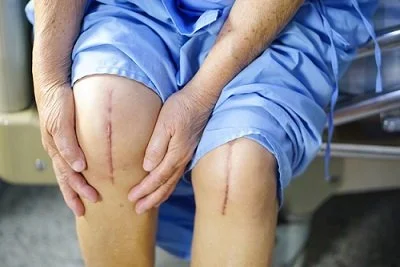
Knee replacement surgery: what you need to know
With the prevalence of arthritis in India, knee replacement surgeries have become very popular among people that suffer from serious cases of osteoarthritis. Every year more than 170-180 million people suffer from arthritis in India.

With the prevalence of arthritis in India, knee replacement surgeries have become very popular among people that suffer from serious cases of osteoarthritis. Every year more than 170-180 million people suffer from arthritis in India. Joint replacement procedures such as knee replacement surgery have only become popular in the last few years with the developments in the fields of medical science. Today over 2 lakh knee replacement surgeries are performed in India every year.
For patients suffering from advanced arthritis where other treatment options such as medication and physical therapy are no longer able to help you alleviate the pain and offer mobility, you should consider going for knee replacement surgery. Knee replacement surgeries have become very safe today. You can get the surgery as a minimally invasive procedure, making it a very safe procedure with a fast recovery time. Let's look at the recovery time, risks involved, and the exercises patients need to perform post a knee replacement surgery.
Recovery Time
A knee replacement surgery can be performed as minimally invasive surgery, as mentioned above. The recovery time for your surgery depends on the type of procedure you went through. On average, you can expect the recovery time post-surgery to range between 6 weeks to 18 weeks, depending on the type of knee replacement surgery you go through.
The recovery process of a knee replacement surgery has some crucial key moments that a patient needs to go through to facilitate a faster recovery time from the surgery. From the first day after the surgery, the patient is encouraged to start the movement with help from a physical therapist provided by the hospital. Initially, doctors will provide walking aids such as a walker, cane, or crutches to help patients get back to their feet.
After a few weeks of walking practice with walking aids and physical therapy, patients will feel the pain of arthritis go away, and they will slowly be able to get back their mobility and ability to move freely. Patients can expect swelling around their knee for quite a long period of time, as much as a year, because of the surgery, but the swelling will not affect your mobility or cause any more pain than your arthritis. It takes time for the tissues and muscles to heal after the surgery around your new knee, which causes the swelling.
Exercises
Physical exercise and therapy are key to fast recovery after knee replacement surgery. Physical therapists will guide patients with various movement exercises to help them reduce pain and swelling. Doctors always suggest that patients get fit before the surgery, so there are sets of exercises that you need to regularly perform before and after the surgery, respectively.
Some of the exercises that patients have to do before the surgery are
Clamshells
Chair pushups
Lying kicks
Thigh squeezes
Knee bending
Some of the exercises patients have to do after the surgery are:
Ankle pumps
Straight leg raises
Sitting supported knee bends
Quadriceps sets
Risks
Knee replacement is a serious surgery that does come with certain risks. With advancements in medical science today, the risks have been minimized greatly, but some risks are still involved with knee replacement surgery procedures. Let's look at some of the risks involved.
Infection
Infection is one of the biggest risks when it comes to knee replacement surgery. Infection is a serious side effect of the surgery and requires immediate medical assistance. Statistically, it has been seen that within the first 90 days following the surgery, the risk of infection remains the highest. To stay safe, patients need to diligently follow doctor's orders, keep the wound clean, and consume the antibiotics as and when prescribed by the doctor.
Blood Clots
Blood clots are a common risk for any surgical procedure. However, the risk for blood clots increases when you go for orthopedic surgery. Blood clots can appear anytime during the surgery to up to two weeks after the surgery. Blood clots need to be checked out by doctors as they can pose a threat to the patient's life.
Conclusion
Knee replacement surgery has provided thousands of people suffering from arthritis a shot at relief from the excruciating pain and loss of mobility around the country. As a serious surgical procedure with some risks involved, you need to go for the best medical care to ensure your safety and fast recovery after the knee replacement surgery. You must visit Medipulse Hospital in Jodhpur for the best knee replacement surgery. As the best private and tertiary care hospital in Jodhpur, Medipulse hospital offers the best quality care led by experienced doctors and medical staff that are experienced in helping patients go through knee replacement surgeries comfortably and ensure their fast recovery.

All you need to know about bypass surgeries
Cardiac diseases are one of the most common health problems faced by Indians today. When you have plaque buildup in the arteries of your heart due to various reasons, you have to get a surgical intervention to help you eliminate the possibility of a stroke or a heart attack.

Cardiac diseases are one of the most common health problems faced by Indians today. When you have plaque buildup in the arteries of your heart due to various reasons, you have to get a surgical intervention to help you eliminate the possibility of a stroke or a heart attack.
A stroke or a heart attack can be caused by the disruption or inadequate blood flow from the arteries connected to the heart. A stroke or a heart attack is dangerous and can very easily cause the patient's death. So, you must learn about the treatment procedures you have on hand if you are at risk or suffer from heart disease.
What Is The Purpose Of A Bypass Surgery?
Bypass surgery is one of the most common forms of treatment for heart diseases where there is a blockage in the arteries that prevent or completely stops the blood flow in your heart. The bypass surgery aims to remove the blood clots and obstructions by rerouting the blood flow in your heart. Removing the clot from your heart is crucial for your survival as that clot can cause deadly consequences if not dealt with in due time.
The surgery removes a healthy artery from your chest or from your legs and then uses it to reroute the blood flow in your heart, completely bypassing the blocked artery. This is done to save the patient's life essentially.
Bypass surgery can be done as a minimally invasive surgery where multiple-inch length cuts are made on your chest to get to the heart. A single surgery can bypass multiple blocked arteries in your heart. Bypass surgery is one of the best treatment options for people suffering from cardiovascular diseases.
How Is The Bypass Surgery Performed?
Bypass surgery is a major medical/surgical procedure that is performed under general anaesthesia. The patient is kept under general anaesthesia to make the surgery pain-free for the patient. On average, bypass surgery can be between 3-6 hours long and requires expert surgeons to very carefully do the rerouting of blood flow by cutting and attaching arteries in the heart.
After the surgery is complete, patients require intensive medical care for a few days before they can be discharged from the hospital. Bypass surgery is a serious surgical medical procedure that can go wrong and cause the death of the patient. With the advancements in medical science, it has now become very safe to go through these surgeries, but like any surgical procedure, there are various risks a patient has to go through when you are going for bypass surgery.
What Are The Risks Of Bypass Surgery?
Every surgical procedure comes with risks, but when it comes to bypass surgery, a major surgical procedure performed on your heart, the risks can mean life and death. Here are the major risks that are usually involved with bypass surgery.
Bleeding
Infection
Blood clots leading to stroke or heart attack
Arrhythmia
Kidney problems
Among the risks involved, infection and blood clots are the most serious as they could lead to a whole array of health problems that could essentially kill you. It is crucial for patients to be very open with the doctors about their pre-existing conditions and medical history before undergoing a major surgical procedure such as bypass surgery. The transparency will ultimately save the patient as with proper information; doctors can decide how to tackle their problems and if surgery is safe for the patient or not.
Recovery
The recovery process for bypass surgery can go as long as a few months to get back to your normal lifestyle. After the surgery, you would need a day or two in the ICU to be out of the effects of the surgery and overcome the effects of anesthesia.
With a serious medical procedure such as bypass surgery, you really need the best medical care to recover fast; Medipulse hospital in Jodhpur helps you get the fastest recovery from bypass surgery with experienced doctors and medical staff providing you with the best medical care.

All you need to know about angioplasty & bypass surgery
Angioplasty and Bypass Surgery are both medical/surgical treatment options for removing blockage from the arteries that deliver oxygenated blood throughout your body. Blockage in the arteries can lead to a stroke or a heart attack.

Angioplasty and Bypass Surgery are both medical/surgical treatment options for removing blockage from the arteries that deliver oxygenated blood throughout your body. Blockage in the arteries can lead to a stroke or a heart attack. This is because when an artery is clogged from a buildup of plaque, it reduces the blood flow to the other parts of your body, which can then lead to cardiac arrest.
As medical procedures though an angioplasty and bypass surgery have a similar use, they are different procedures that are suggested to patients according to their requirements. Let’s take a look at the differences between these two procedures and their functions.
What Is A Bypass Surgery?
When a person has a blocked artery in their heart, doctors take a healthy artery from the patient’s chest cavity or from their leg and reroute the blood flow away from the blocked artery. The process of bypassing the blocked artery by creating a new lane for the blood flow is what gives this surgical procedure its name bypass surgery. Bypass surgery is performed not only on one artery in a single surgery; multiple arteries can and are generally rerouted to save the patient’s life and restore normal blood flow back in the heart.
What is An Angioplasty?
Angioplasty is a surgical procedure that relies heavily on technological tools. A balloon-shaped catheter is inserted in your body from either your groin or arm, and through the major arteries, it travels to the point of blockage. At the point of blockage, the catheter swells up and widens the narrowed arteries creating space for normal blood flow. Doctors often place a small plastic or metal tube in the arteries called stents to prevent the artery from narrowing or getting blocked again in the future.
Angioplasty is also a very commonly performed heart surgery, but there are differences between angioplasty and bypass surgery. Let’s look at the difference between these procedures.
Difference Between An Angioplasty & A Bypass Surgery
Severity Of The Procedure
When it comes to the severity, bypass surgery is a major and serious surgical procedure, whereas angioplasty is a minimally invasive procedure with a very fast recovery time. A bypass surgery requires patients to go through general anesthesia, and the recovery period can go as long as 12 weeks with a short stay in the ICU. When it comes to angioplasty, this is not the case. Angioplasty requires you to just go through local anesthesia, and the entire surgical process takes 30 minutes to an hour max, and you can recover within a week or two and go back to your normal lifestyle again.
Longevity Of Treatment
Both of these surgical procedures are performed on the heart, but as treatment options, their effect does not last forever. When it comes to the durability and longevity of the results, bypass surgery is better than angioplasty. This is mainly because a bypass surgery at least tries to fix the problem of blockage by rerouting the blood flow to a different path that is not blocked. An angioplasty just widens a narrowed artery and does not fix the underlying problem, which means the artery can narrow again even if a stent is placed.
Post bypass surgery, if the patient follows doctor’s orders, makes lifestyle changes, and starts exercising, they can see a drastic improvement in their health and possibly would not have to fear about going through the process again. The same goes for a person going through angioplasty but still, given that the problem still exists in your arteries, angioplasty is not in your best interest for the long run.
Conclusion
A heart surgery is not a wish list; patients do not generally get to choose which surgery they prefer, especially when it comes to life-saving procedures such as an angioplasty or a bypass surgery. The only thing you can ask for in these situations is to get the best medical care possible and to get a minimally invasive successful surgery that lets you recover quickly. For all the qualities mentioned above, visit Medipulse hospital, the best private and tertiary care hospital in Jodhpur.

All the risks, types, & recovery information you need to know about the angioplasty procedure
Angioplasty is a type of medical/surgical procedure that is performed on your heart. Currently, it is one of the easiest and safest heart surgery you can go through as it is a minimally invasive surgical procedure with a very fast recovery time.

Angioplasty is a type of medical/surgical procedure that is performed on your heart. Currently, it is one of the easiest and safest heart surgery you can go through as it is a minimally invasive surgical procedure with a very fast recovery time. Angioplasty is also a short surgery that takes only about an hour to perform, and the patient can be discharged within a day with no requirement for ICU stays. However, there are risks and shortcomings to the procedure as well. So, let’s take a detailed look at angioplasty, its risks, types, and recovery.
Types Of Angioplasty
Balloon Angioplasty
Balloon angioplasty is a procedure where a balloon-shaped catheter is inserted into your body through one of your major arteries in the arms or legs. That catheter is then pushed all the way to the heart and to the point where the blockage exists. During this procedure, the catheter expands the artery that has become narrowed due to plaque buildup. The balloon is blown to expand the artery and clear the blockage. It is a quick, easy, safe, and minimally invasive surgical procedure.
Stent Implant
There are times when doctors understand that a regular angioplasty will not solve the problem of the patient. They fear that the blockage or narrowing of the artery may return, and to combat that; a medical device called a stent is placed in the artery to prevent it from narrowing down again. The stent can be made of different materials such as metal or plastic. With advancements in medical technology, metal or wire, stents are not used anymore as much as possible. Today, stents are coated with special medicines that prevent the artery from narrowing again when the stent is placed. This improves the overall longevity of the angioplasty surgery.
Risks Involved In An Angioplasty Surgery
Angioplasty is a very safe procedure in general; you can say it is perhaps the safest cardiac surgery you can go through, but it has its own set of risks. Statistics are in your favour as the odds of you getting these complications coming true are very low. So, just for your information, here are the risks involved in angioplasty surgery.
Arrhythmia
Chest pain
Blood clot or arterial blockage that requires immediate surgical intervention
Tear or damage to a major artery or blood vessel
Stroke
Heart attack
It is much better to be informed about the risks of any procedure before you go through it for the purpose of your own safety. Please speak to your doctor about your preexisting conditions and medical information to ensure you are not at risk of the conditions mentioned above.
Recovery Process From An Angioplasty Surgery
As a minimally invasive surgery, the recovery process is very quick, with only a couple of days required for you to get back home and slowly get back to your normal lifestyle. After the surgery, the catheter and the bandages are removed after a few hours. You can expect some bleeding from the area where the catheter went into your body. Otherwise, it is a safe procedure with not many side effects that you might face afterward. Doctors advise patients to not drive and lift weights for a few days, and after that, they can completely get back to their normal lifestyle again.
Conclusion
An angioplasty surgery is an amazing treatment opportunity for patients that suffer from cardiovascular problems. The risk factors mentioned in the article are not very serious, but it has a lot to do with your medical care provider. If you are going for a safe and renowned hospital such as Medipulse hospital in Jodhpur, you can expect lower risk probabilities than other hospitals that are not as well-equipped and staffed to handle angioplasty surgeries. So, for the sake of your safety, choose a good medical care partner such as Medipulse hospital for your angioplasty surgery.
What We Know About The Symptoms, Severity, & Transmissibility Of The Omicron Variant Of COVID-19
Some cases of a new variant of SARS-CoV-2 have been detected by scientists, which is the same virus that causes COVID-19, in various other countries.

Some cases of a new variant of SARS-CoV-2 have been detected by scientists, which is the same virus that causes COVID-19, in various other countries. Omicron (B.1.1.529) has an exceptionally huge number of mutations in the piece of its genome that encodes a critical segment of its spike protein, which the virus uses to taint the cells of the host.
This proposes that Omicron might have the option to avoid a portion of the insusceptible immune protection given by vaccines, a large number of which depend on the first spike protein and previous infections. Omicron has a few mutations that might affect how it acts, such as how effectively it spreads or the seriousness of the disease it causes.
Symptoms of Omicron Variant
The WHO scientists have recognized the new Covid variant, Omicron, as a variant of concern. This new variant has a lot of symptoms depending on the severity and the immunity of the person it infects.
Common Symptoms of the Omicron Variant Are
Weakness
Tiredness
Loss of smell or taste
Headache
Low-grade fever
These symptoms can point to many different health problems and do not immediately mean you are affected by COVID. Monitor your health if you continue to show these symptoms and additional symptoms, get immediate medical help and a COVID test.
The Less Common Symptoms Of Omicron Variant Of COVID-19 Are
Throat pain
Body pain
Skin Rashes
Diarrhoea
If you start showing these symptoms in addition to the primary symptoms, your possibility of being affected by COVID-19 increases many folds. Immediately go for a COVID test and self-isolate.
Serious Symptoms Of The Omicron Variant Of COVID-19 Are
Experiencing shortness of breath
Difficulty in breathing
Confusion or brain fog
Loss of mobility or speech
Chest pain
These symptoms can mean danger to your life. You should go for emergency medical help if you are experiencing these symptoms along with the other symptoms mentioned above; you are most likely suffering from COVID, and you need immediate emergency medical help to avoid any danger to your life.
The Severity of Omicron Variant
It isn't yet clear if contamination with Omicron causes more serious illness than diseases with different variants, including Delta. Recent news recommends that there are increasing cases of hospitalization in South Africa. However, this might be because of the increment in the number of individuals becoming affected by this virus, rather than a specific consequence of being affected with severe infections by Omicron.
There is presently no data to support that symptoms related to Omicron are not quite the same as those from different variants. Recently it was seen that contaminations were among college students, more youthful people who will quite often have a more mild illness, yet understanding the degree of seriousness of the Omicron variant will take a few more weeks.
The Transmissibility of Omicron Variant
It isn't yet proven whether Omicron is more contagious, for example, whether it is all the more effectively transferred from one individual to another contrasted with different variants, including Delta. The number of individuals testing positive has ascended in some places of South Africa which are impacted by this variant. Yet, epidemiologic examinations are in progress to better understand whether it is a result of Omicron or some other factors.
Ending Note
The Omicron variant of COVID-19 comes with the possibility of a third wave of COVID-19 in India. Getting proper medical help is of the utmost importance if and when in the extremely disappointing possibility of you getting infected by COVID-19. For those moments of emergency, you can count on Medipulse hospital. As the best private and tertiary care hospital in the state, you can count on the best emergency medical care with the top experienced doctors and medical staff.
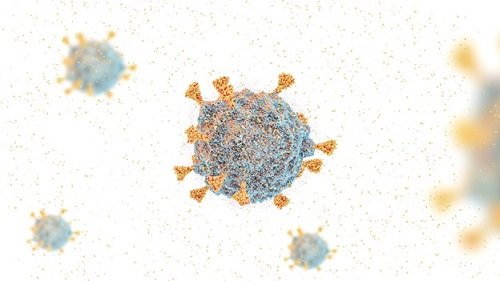
Omicron Variant: Key points to know
On 24th November 2021, the WHO announced a new variant of the COVID-19 virus known as the Omicron variant. This variant was first observed in South Africa from a test sample that was collected on 14th November 2021.

On 24th November 2021, the WHO announced a new variant of the COVID-19 virus known as the Omicron variant. This variant was first observed in South Africa from a test sample that was collected on 14th November 2021. The Omicron variant has been deemed and classified as a variant of concern by the WHO. The Omicron variant has raised the alert levels for COVID-19 back to severe again, with overwhelming concerns over the future of the new variant.
Shortly after the WHO declared the Omicron variant, the first case of this new strain was found in India in a person traveling back from South Africa. Since then, many states have reported the spread of the omicron variant so far. With the new year fast approaching, experts are suspecting a considerable surge in the omicron cases in 2022. If you are worried about the new variant, here is what you need to know about the omicron variant of the COVID-19 virus.
Why Is Omicron A Variant Of Concern?
The Omicron variant of COVID-19 is a mutation of the SARS-CoV-2 virus, which causes COVID-19. The mutation makes this variant more adaptable and resilient, making it easier to spread and infect people compared to the original COVID-19 virus. Data on the spread of the omicron variant compared to the delta variant is still being studied. The higher spread factor makes this strain a variant of concern. It has been noticed and predicted by experts that the omicron variant may be able to spread to people that are vaccinated as well.
Severity Of The Omicron Variant?
So far, the mortality rate of the omicron variant is relatively low, with few isolated cases of death due to the omicron variant around the world. As a mutated variant of COVID-19, the severity of the infection of the omicron variant may vary from person to person. As this strain is still quite new, there is not much data available on the detailed specifics about the severity of the variant and the overall threat it possesses to people. The WHO and other health bodies are currently conducting research to find more data on the omicron variant.
Symptoms Of The Omicron Variant?
The Omicron variant is different from the previous COVID-19 variants as it has been seen that fever is not one of the common primary symptoms of the omicron variant. The common and primary symptoms of the omicron variant are:
Tiredness
Throat pain
Weakness
Headache
These symptoms do not immediately mean you are suffering from COVID; please monitor your health, and if these symptoms persist for an extended time, immediately get medical help as well as a COVID-19 test.
Is The Omicron Variant Of Concern For Fully Vaccinated People?
Yes, even if you are fully vaccinated for COVID-19, you can still contract COVID-19. Vaccines protect you from developing severe infections from COVID that can possibly reduce your possibility of death from COVID-19, but the vaccines are not 100% effective. So, yes, the omicron variant is of concern for both vaccinated and non-vaccinated people. The rate of infection and transmissibility of the virus can increase through vaccinated people who will get mild infections. Unvaccinated people will be at an even higher risk of serious infection and even fatality.
Conclusion
The fact that the omicron variant exists proves that the COVID-19 pandemic is not nearly over. The best way to combat and keep yourself safe against the Omicron variant and COVID-19 altogether is to get vaccinated for COVID as soon as possible. For vaccinated people, it is crucial for you to maintain COVID-appropriate behavior while wearing masks in public places and maintaining a high standard of personal hygiene. If you are suffering from COVID and want to get the best treatment possible, visit Medipulse hospital in Jodhpur, Rajasthan, for the best quality medical care from experienced doctors and medical staff.

4 tips to keep your heart healthy
The heart may want what it wants, but it is not always in your best interest to follow your heart. Today keeping your heart healthy is a real struggle for people that live a fast life.

The heart may want what it wants, but it is not always in your best interest to follow your heart. Today keeping your heart healthy is a real struggle for people that live a fast life. The condition of heart health in India is bad to the extent that over 50 million people suffer from cardiovascular diseases in India every year. One out of four people of those 50 million end up losing their lives due to a cardiac arrest or stroke.
Heart health is no joke; you have to care for your heart as you age. Many factors/issues need to be taken into account when it comes to maintaining your cardiac health. Some people are genetically predisposed to cardiac diseases even when they maintain optimum lifestyle practices. With so many variables at play, how can people definitively maintain their cardiac health? Here are some cardiac health tips to help you maintain your heart health regardless of your genetic structure.
Four Health Tips For Keeping Your Heart Healthy
Maintain Good Oral Hygiene
It may seem unrelated, but your oral health is a good indicator of your overall health. If you suffer from gum diseases or have poor dental health, you are actually more at risk for cardiac diseases than people with good dental health. You have to maintain your dental health to keep yourself safe.
To put it simply, the same bacteria that cause gum diseases can cause your blood vessels to swell up, causing a risk for stroke and heart attacks. Maintaining your oral hygiene starts with daily brushing and flossing. You should also visit and consult the dentist for checkups regularly as you start to age.
Keep Away From Sedentary Lifestyle
Scientists and health professionals have called sitting the new smoking because of the many health risks that come with a sedentary lifestyle. Sitting for an extended period in one place can have many health risks. Medical studies have shown that people that sit in one place for long hours have 147% more risk of cardiovascular diseases.
The easy answer to the problem mentioned above is walking and exercising when you get the chance, but no! That is not a solution. You have to depart from that way of life altogether. The health risks you accumulate when you regularly sit for long hours can not be erased no matter how much exercise and work out you do.
Get A Goodnight’s Sleep
Sleeping well is also inherently related to your cardiac health. It has been noticed that adults who do not sleep over six hours per night have twice the risk of stroke and heart attacks than people who sleep six hours minimum. The increased risk is present due to the underlying health problems that are caused due to lack of sleep, including biological functions such as inflammation and abnormal blood pressure. Getting at least 7-8 hours of sleep must be your priority to maintain your health, especially as you age.
Control & Preferably Abstain From Smoking and Drinking
The most obvious and well-known advice for the last. No matter how cliche it might sound, this is probably one of the most important pieces of advice that you can follow when it comes to your cardiac health. Smoking and drinking have adverse effects on various parts of your body, including your heart. They increase your risk for cardiovascular diseases the most.
Abstaining from smoking and drinking can help you avoid an untimely death from a stroke or heart attack. The first step to quitting smoking and alcohol is understanding the necessity to quit and discussing the probable treatment options with your doctor.
Conclusion
Listen to your heart when you can and make the necessary changes to maintain your cardiac health. Cardiovascular diseases have a high mortality rate, and today more and more people of every age group are suffering from these diseases and losing their lives to them.
If you or your loved ones suffer from cardiovascular diseases, you can still help them with proper medical care. For the best medical care, you should visit Medipulse Hospital, the best private hospital in Jodhpur. You will get the best treatment courses led by experienced doctors for cardiac diseases at Medipulse Hospital.