

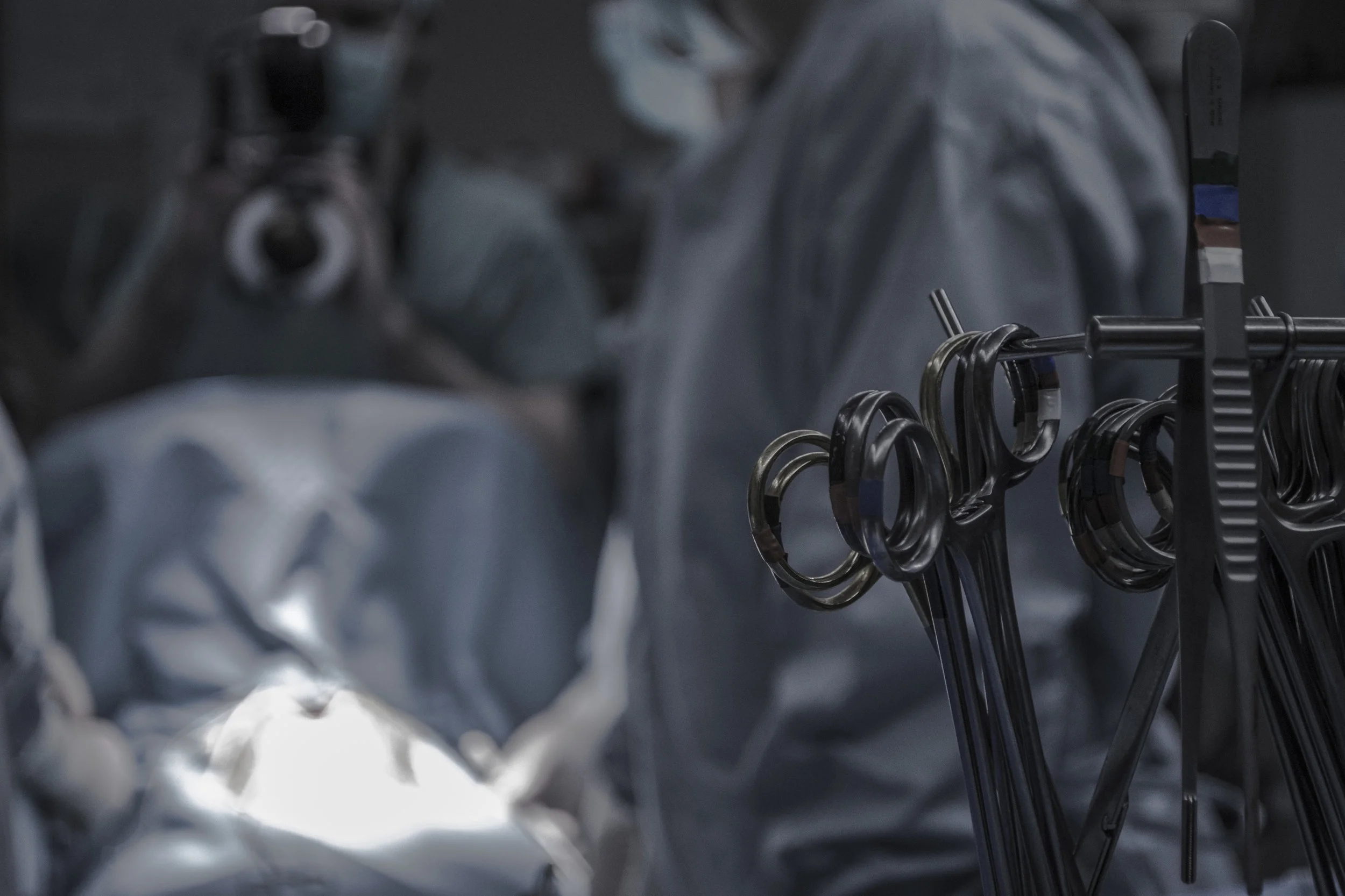
Role of Laparoscopy in Chronic Abdominal Conditions
There have been times where you must have felt sudden and acute pain in your lower left abdomen. A vigorous activity or a heavy meal might have caused pain in the upper abdomen. What is the cause of this sudden pain? How did this pain develop? How to treat this medical condition? Let’s find out:
What is Abdominal Pain/Condition?
Abdominal pain can range from minimal to chronic, and from sudden to longstanding, as a result of inflammation or disease in the organs surrounding abdomen. These organs include the stomach, small intestine, liver, gallbladder, pancreas, etc.
Chronic abdomen pain are often recurrent and persistent, posing unique challenges for patients. Various causes of abdominal pain are;
1. Indigestion
2. Gallbladder Inflammation
3. Inflammatory Bowel Disease
4. Appendicitis
5. Ulcer
6. Pancreatitis
7. Abdominal Hernia
8. Gastroenteritis, etc.
However, the pain is not restricted to just these conditions; the causes can be far and many. As the nature and characteristics of pain is dependent on a number of factors, the medical diagnosis of the cause is quite tricky and challenging.
In case of minimal pain, the treatment entails medication and dietary changes however persistent and severe medical conditions call for a surgery for complete diagnosis.
Treatment: Diagnostic Laparoscopy
Since the day of inception, medical science is constantly striving to achieve innovation, simplification and effectiveness in its procedures. As a result, various advancements have been made in the management of chronic abdominal disorders. Although techniques like ultrasound, computed tomography scan help is clinical examination of abdominal disorders yet the diagnosis of chronic abdominal disorder remains uncertain in most cases. In such a scenario, Laparoscopy has proved to be an effective treatment for patients with chronic abdominal disorders. Over the last two decades, laparoscopy has successfully offered simple, rapid and safe diagnosis of abdominal disorders. In fact it has been 100% accurate in diagnosing intra-abdominal malignancy as well.
Diagnostic laparoscopy provides the advantage of tissue diagnosis in less operative time and without significant complications.
Visualization of abdominal cavity through laparoscopy helps to conduct precise targeted biopsy, fluid analysis, etc.
One of the distinct advantages is that it is capable of detecting lesions of size less than 5 mm. Techniques like ultrasound and CT scan fail to scan small lesions.
Laparoscopy-guided biopsy offers more accurate diagnosis than radiological guided biopsy.
Laparoscopy has undoubtedly proved to be a fantastic diagnostic modality with less inherent risks, minimal invasion and fast recovery time. Rapid advancements in the field have made this procedure highly successful in diagnosis of abdominal disorders. Ranked as the best laparoscopic surgeon in Jodhpur, Dr. Vivek Agarwal and Dr. Kamal Kant head the General and Laparoscopic Surgery Department at the Medipulse Hospital, Jodhpur. Our department is equipped with world class facilities to ensure high standards of diagnosis, treatment and research in laparoscopic surgery. Book your appointment now!
Aneurysm or Hemorrhage: What is The Difference?
The human brain is one of the most complex existing structure in the world, wired in a manner that is still being researched. It is a known fact that the brain produces enough electricity to light up a small bulb, with impulses running inside at a speed of more than 150 miles per hour. However, such complexity has given birth to many self-created complications. As the brain is the powerhouse of the body, a problem occurred there, adversely affects the functioning of the whole body.
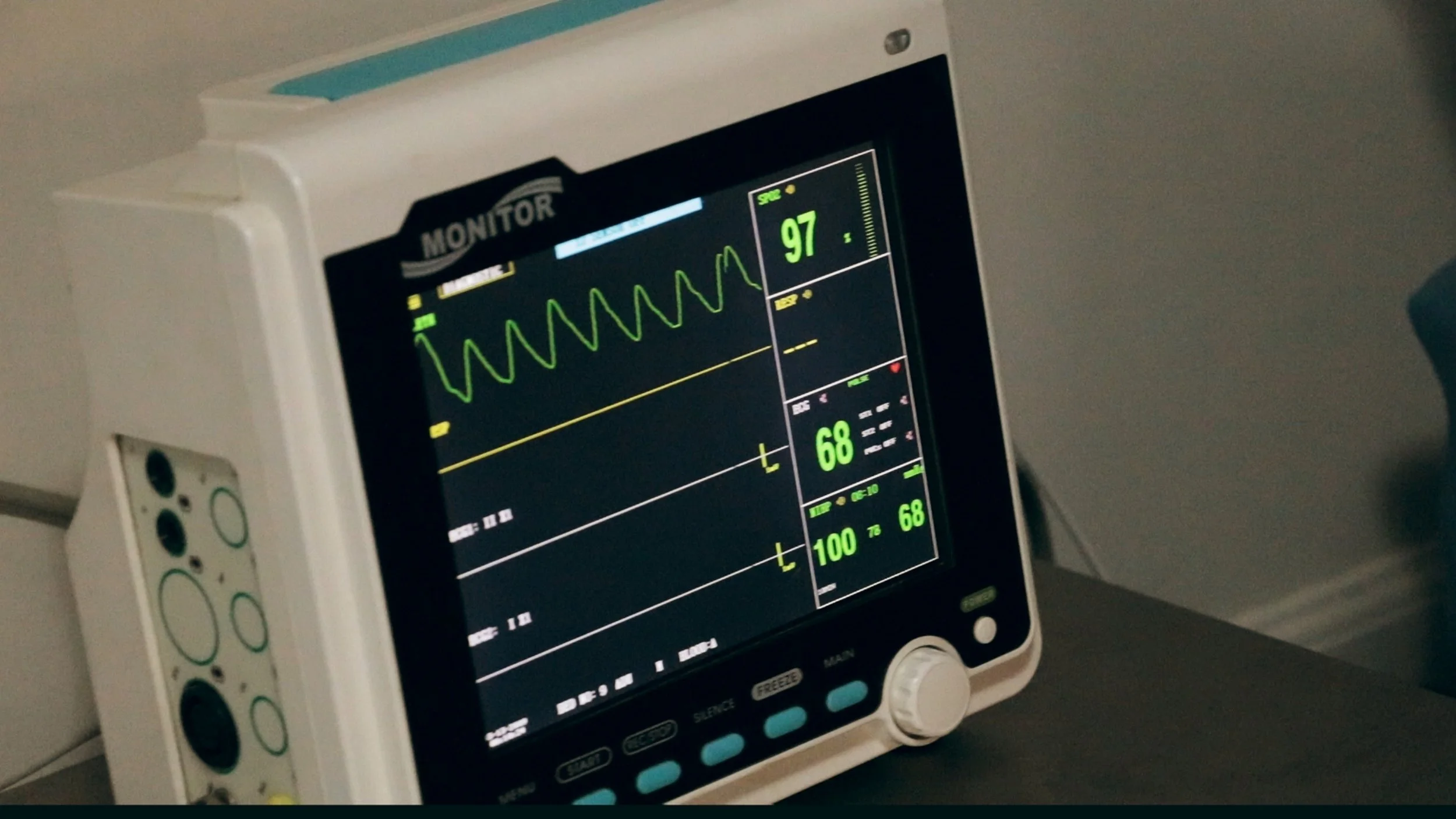
Like every other healthy organ, even the brain feeds on the oxygen and nutrition that is supplied through the blood vessels. When this flow of blood to any certain part of the brain is disrupted, the condition that ensues is called a stroke. In the case when the blood is interrupted due to a burst vessel or blood leak in the brain, it is called a hemorrhagic stroke. One of the major causes of this leak or bursting is small ballooned pockets of blood vessels called Aneurysms.
This information may seem like Hemorrhages and Aneurysms are pretty much synonymous with each other, while the truth is somewhat different. Here is what both the conditions mean and how are they different from each other.
What Is A Hemorrhagic Stroke?
Originating from the Greek word, Hemo, which means blood, a hemorrhage is basically ‘blood bursting forth.’ In the case of a hemorrhagic stroke in the brain, the blood vessel bursts or starts to leak onto surrounding areas, bleeding into the regions of the brain where it should not. As per researches, about 13% of all brain strokes are Hemorrhagic.
A hemorrhagic stroke is caused by several factors, most common of which are:
● Head Trauma or injury
● Heightened Blood Pressure
● Abnormalities in the Blood Vessels like Weakness, Small, unnoticed bleedings.
● Anemia
● Hemophilia
● Liver Disease
● Tumors
● Aneurysm
What Is Aneurysm?
An Aneurysm is, simply, a bulged artery. When a part of the artery wall becomes weak, the pressure causes it to bulge in the area. This event makes it more prone to bursting and bleeding. As is evident by the statement, when an Aneurysm bursts inside the brain, the situation quickly escalates to a Hemorrhagic stroke. Not only that, a person with an aneurysm has a higher chance
In the case of a burst, the person will need immediate attention. A delay or negligence in such a situation can cost the person his life.
How are Hemorrhage and Aneurysm Different?
On a fundamental level, an aneurysm is a bulge in the arteries caused by the weakness of the vessel’s wall, whereas a Hemorrhage is a kind of bleeding or leakage that occurs in the blood vessels of the brain, sending the blood in places where it should not be. An aneurysm is the onset of hemorrhage and will result in the latter if left untreated for a long time. On the other hand, not every hemorrhage is caused by an Aneurysm.
The conditions of the brain have always been a serious matter because of its importance in keeping our body running. Cases like Aneurysms and Hemorrhages are practically some of the worst ones as they are a fight against time. To get a consultation for Aneurysms cases, head to the best neurosurgeons in Jodhpur, Dr. S.N. Mathuriya. For enquiries related to Hemorrhage and other related issues, our expert Neurologist - Dr Kirti Sachdev is there to guide you. Consult now!
Epilepsy Treatment: New Advancements & Therapies Available
Neurological conditions, or illnesses caused in the brain and the spinal cord have always been one of the most complicated issues in the medical field. As per a research, almost about a 7th of the world’s population face one or other neurological problem at least once in their lifetime. That makes almost a billion people in the world.
Amongst several kinds of neurological conditions, Epilepsy happens to be that kind of disorder requiring utmost care and consideration. The characteristic behavioral traits of this disorder are abnormal brain activity. This ‘out-of-the-blue’ spikes in brain activity results in unusual behavior and sensations, sudden mood swings, loss of awareness, and the worst, seizures. There is no certainty that a person belonging to a certain gender, race, or age will only develop epilepsy. That is the reason why about 65 million people in the world are suffering from epilepsy of varying degrees.
So far, the treatment for Epilepsy was focused on the reduction of seizures to enable living with the condition. However, in the last decade, things have started to change for Epileptic patients because of the introduction of newer drugs and treatment options available in the field. Here is a look at what the new advancements in epilepsy treatment look like:
● New Drugs: The last 10 years have seen the development of a number of new medicines, many of which have now become the norm of the field. The best part about them is the lesser side-effects and better map-ability of the condition. Recently, a new drug Epidiolex was found effective against severe seizures.
● Vagus Nerve Stimulation (VNS): The vagus nerve runs to the brain through our neck. Research conducted in recent times have shown that stimulation can help blocking the impulses that begin a seizure. VNS has shown the capability to make a person seizure free.
● Epileptic Surgery: Surgeries are not the last resort anymore. In cases of epilepsy, when the medications and therapies don’t work, surgeries have proved to do wonders for the patients. About 60% of the patients showed complete release from seizures when operated for temporal lobectomy.
● Implants: In some cases where the medicines have ceased to show effects and surgery is not an option, there are a number of implants that help in the stimulation of the factors that control the seizures. Apart from VNS, there is a new implant called the NeuorPace, which is placed at the place where the seizures are suspected to arrise.
● Ketogenic Diet or Keto Diet: An effective method for children with severe cases of epilepsy, the keto diet is becoming more and more famous. Keto works to starve our body of glucose, directing the brain to burn ketones to power itself. This, in turn, brings the seizures in control and makes children almost scot-free of seizures as they grow up.
Epilepsy is the 4th most common neurological disorder in the world after migraines, strokes, and Alzheimer’s. Taking a grasp on the ability of a patient’s brain to work, epilepsy has now begun to shrink in size because of the modern developments in the treatment options available. Leading the scene in the city are the best neurology and neurosurgery doctors in Jodhpur, - Dr. Kirti, Dr. SN Mathuriya, Dr. Pankaj Gupta and Dr. Rahul Ved at the department of neuroscience in Medipulse. These departments look after a number of neurological conditions, book your appointment now!
Why undergo Laparoscopic Surgery for Hernia?
A hernia is a condition in which parts of an organ, often in the abdomen, are displaced due to the weak muscular wall that keeps organs in place. It is the disease of the abdomen, but they can appear in other parts of the body, including the groin, belly button, and upper thighs.
Unlike other abdominal diseases, hernia is not very common and approximately only 5% of the population
develop hernia during their lifetime. The condition can be caused due to a combination of factors, for
instance, damage from injury, failure of the abdominal wall to close properly, chronic coughing, etc.
The individual suffering from a hernia can experience symptoms like a bulge or a lump in the affected area, pain or discomfort in the lower abdomen, feeling of heaviness in the abdomen, and aching sensation at the site of the bulge.
Laparoscopic Treatment
Sir Astely Paston Cooper has rightly said that "No disease of the human body, belonging to the province of the surgeon, requires in its treatment, a better combination of accurate, anatomical knowledge with surgical skills than hernia in all its variety."
Since hernia tends to get bigger, it often leads to life-threatening complications. So, with the passage of time, many treatment procedures have been developed for hernia, including laparoscopy. The laparoscopic repairs have also undergone considerable evolution with time.
Some of the traditional laparoscopic techniques even received criticism due to their failure to demonstrate good result; and hence, were abandoned. However, these techniques become more advanced with the advancement in medical science and technology. Today, laparoscopy is one of the preferred and advised treatments for the condition due to the benefits it offers.
Why Patients Should Undergo Laparoscopy
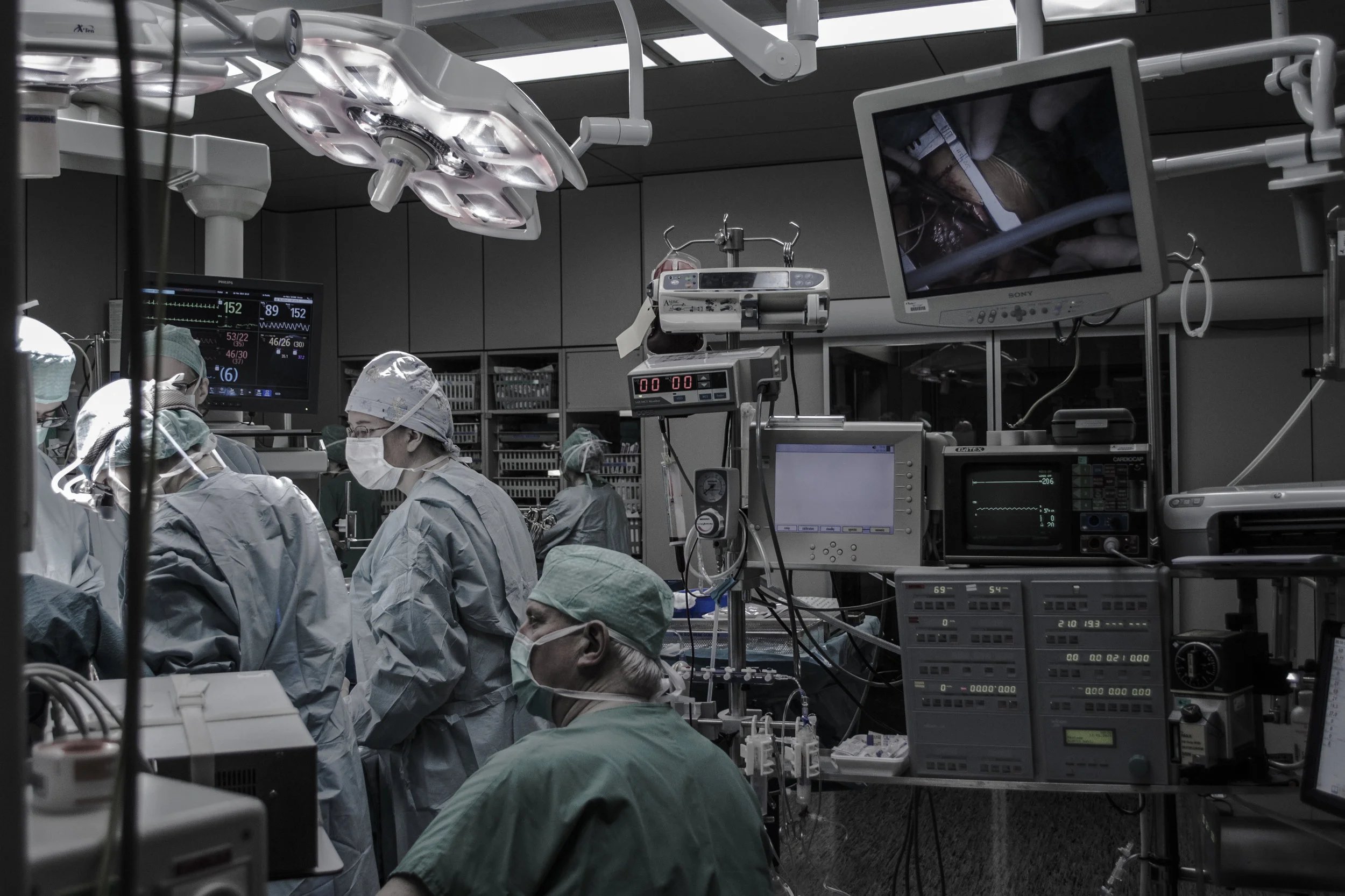
The minimally invasive technique of laparoscopic surgery can be used to repair most of the common hernias. Generally, three half-inch incisions are made in the abdomen instead of one large cut. A camera is then inserted to visualize the hernia and guide the surgeon’s movement.
● The biggest advantage of undergoing this technique is it deals with the hernia at the point of its origin, exactly where it started appearing, making it a suitable approach.
● Another advantage of the laparoscopic approach is the ability to view the fascial defects while avoiding the pitfalls of a tedious anterior dissection, making it less damaging to surrounding tissues. Also, there is a lower incidence of the abscess and wound infection post-operatively.
● In addition, laparoscopic surgery has a much shorter recovery time, meaning a patient can get back to a normal routine, including work only after a few days.
● Besides, postoperative pain is also minimal in these surgeries. With the development of newer techniques of laparoscopy, the surgeries are also becoming cost-effective, leading to greater societal benefits.
● Lastly, after the procedure is completed, the abdominal incisions fade away within a few months. Laparoscopy, when carried out by the hands of an adequately trained surgeon, produces excellent results as compared to open repairs and other conventional treatments.
If you or your known is diagnosed with hernia, you must seek immediate medical care to avoid serious complications. Medipulse understands this and houses extremely skilled surgeons in all the departments. You can find the best general and laparoscopic Surgeon surgeon in Jodhpur at Medipulse. Dr Vivek Agarwal is part of the general and laparoscopic surgery; he, together with his team, has been handling the most complex cases of laparoscopy for last 20 years.
Things To Do Before And After A Laparoscopic Surgery
Laparoscopy surgery or keyhole surgery is a minimally invasive diagnostic procedure, preferably performed for curing various diseases and conditions. It is usually done in cases where traditional non-invasive diagnosis and
Laparoscopy surgery or keyhole surgery is a minimally invasive diagnostic procedure, preferably performed for curing various diseases and conditions. It is usually done in cases where traditional non-invasive diagnosis and imaging techniques (Ultrasound, CT Scan, MRI scan) cannot identify any clear reasons for a certain condition. It is a low-risk procedure used for examining pelvic organs like the appendix, gallbladder, pancreas, liver, etc.
Although rare, there are some risks attached too: the most common being bleeding and infection. But doctors/surgeons refer diagnostic laparoscopy only after proper consideration of the patient's history and the risk factors involved. Equally important is the role of the patient for ensuring a safe recovery. This blog highlights some of the important things that patients can follow before and after the laparoscopic procedure for minimizing risk as well as accelerating recovery.
Before Surgery
Laparoscopy diagnosis is usually carried out within 4-5 hours, and for most patients, the length of stay is not more than 24 hours. However, in cases where a patient has a critical medical history, and the surgery is complex, the length of stay extends over to a few days. In either case, there are a few things that patients can do to prepare better and smarter.
1. Clear All Your Doubts:
It is natural for patients to be wary and fearful about surgery. Patients, however, must bear in mind that discussing one's apprehensions is an excellent way to get over any anxiety. Let's say a patient is fearful of the pain that the invasion might cause. The patient must discuss the same with the surgeon. The surgeon will explain the procedure and the pain management steps involved. In addition to this, doctors also suggest relaxation techniques that are very fruitful for the patients.
2. Pack Essentials Too:
Depending on the length of the stay, patients must make a list of essential items that they would need. These may include like toothbrush/toothpaste, mobile charger, hairbrush, skin lotions, etc. In case of overnight stays, patients must carry loose fitting clothes that do not put strain or stress around the waist and abdominal region.
3. Bowel Preparation:
Bowel prep is an essential prerequisite of any surgical procedure. Doctors usually suggest liquid diets for bowel evacuation. However, in case there are some special instructions, patients must pay heed and follow them steadfastly.
Dr. Vivek Agarwal, Laparoscopic Surgeon at Medipulse, says, “Although, laparoscopic surgeries require minimal invasion yet patients must be careful and consult in case of any infection around the insertion site like redness, swelling, etc ”
After Surgery
Laparoscopic surgery involves small incisions, and patients are subjected to only general anesthesia. However, the procedure does involve CO2 gas insertion into the abdominal area through the incision. This inflates the abdomen and aids in easy diagnosis by creating space for free movement of the laparoscope. In some cases, the surgeon may create some more incisions for apt diagnosis and treatment. Following the diagnosis, patients may feel some amount of pain, nausea during the first few hours. Patients must feel free to share their concerns with the doctors. In addition to this, a few things must be followed for a faster recovery. These include:
1. Managing Shoulder Pain:
Shoulder pain is a common occurrence post laparoscopy. The pain is due to the CO2 introduced in the abdomen during the procedure. But there is no reason to panic as the pain subsides with time. In the meantime, one can use heat therapy for lessening the pain.
2. Get An Aid:
For a few weeks, it might be difficult to do routine tasks with the same ease as before. Doctors advise against driving as well as carrying a heavy load. The best solution is to hire an aide for a few weeks who can take care of important things like food, grocery, etc.
3. Don’t Overthink
The post-surgery days can be both emotionally and physically challenging. The tickling sensations in an around the incision site and the post-surgery tiredness can be bothering. It is easy to drift into a self-pity mode and grow anxious. However, patients must remember not to let these thoughts overpower them. The best way to do so is to keep oneself occupied by inviting friends over, or reading a book or watching movies.
In general, the recovery time is at the most a week. But depending upon the complexity of the case and other factors, it may be considerably longer for some. Medipulse is ranked for the best laparoscopic surgery in Jodhpur. Medipulse has two of the most experienced laparoscopic surgeons in Jodhpur - Dr. Kamal Kant and Dr. Vivek Agarwal as well as Dr. Mili Inania - one of the best gynec laparoscopic surgeon in Jodhpur.
The department is equipped with modern technology and equipment offering excellence in all forms of general and specialized surgical procedures. Visit the link for more details.
Benefits of Laparoscopic Hysterectomy Over Traditional Procedures
A laparoscopic hysterectomy is a minimally invasive procedure performed for removal of the uterus. A significant advantage of laparoscopic Hysterectomy is that the procedure doesn’t involve open surgery. The surgeon performs the treatment using a small incision around the belly button.
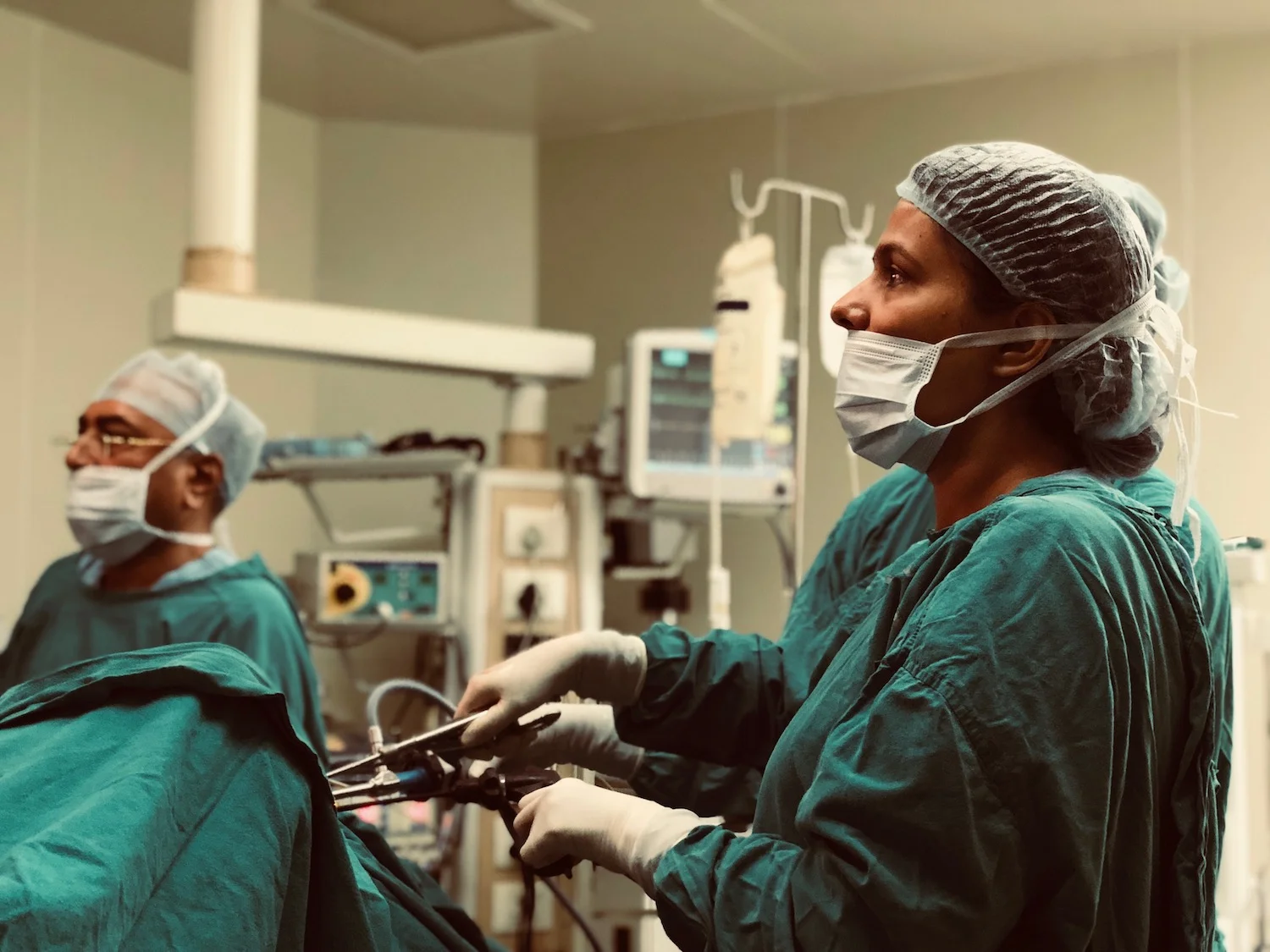
A laparoscopic hysterectomy is a minimally invasive procedure performed for removal of the uterus. A significant advantage of laparoscopic Hysterectomy is that the procedure doesn’t involve open surgery. The surgeon performs the treatment using a small incision around the belly button. A laparoscopy or a thin tube fitted with a camera. The camera transmits the view to an external monitor, and the surgeon performs the treatment with surgical tools inserted near or through the same incision site. Laparoscopic Hysterectomy is way more beneficial for women over traditional Hysterectomy. This blog highlights some of the key benefits of Laparoscopic Hysterectomy over traditional procedures:
Minimum Surgery Time:
Laparoscopic Hysterectomy surgery can be performed on an outpatient basis. A traditional abdominal hysterectomy involves larger incisions, and patients are required to stay in the hospital for 2-3 days. On the other hand, laparoscopic hysterectomy procedures are performed within a few hours.
Minimum Bleeding:
Laparoscopic Hysterectomy is comparatively less complicated. Being minimally invasive, the procedure is less painful. There is no blood loss, and patients are treated under general anesthesia only.
Recovery is Fast & Easy:
The recovery period for traditional hysterectomy procedures is anything between 4-6 weeks. The risk of infections and postoperative pain is quite high in the traditional procedure. But laparoscopic Hysterectomy offers women a welcome relief from all postoperative concerns. The smaller incision sites recover fast and recovery time for most women post laparoscopic Hysterectomy is 7-10 days. In fact, doctors urge patients to resume normal work as soon as they feel ready for it.
Leaves No Marks:
Laparoscopic Hysterectomy involves only a few small incision sites. Hence, the scarring is negligible when compared to other surgical techniques.
Affordable:
Last but not least, laparoscopic hysterectomy procedure is less costly than traditional or open hysterectomy procedures. These are mainly because of significantly reduced surgery time. The procedure being least complicated and invasive means that patients can leave the hospital on the same day.
Laparoscopic Hysterectomy is celebrated as a significant advancement in women's health care. The procedure, besides being less costly, offers women an alternative for other gynecological procedures too. However, laparoscopy procedures must be performed under the supervision of trained and qualified surgeons only. At Medipulse, the department of gynaec-laparoscopy is headed by one of the best gynaec-laparoscopic surgeons in Jodhpur, Dr. Mili Inania. The department is equipped with modern diagnostic facilities and equipment. Please visit the department section for more details on key IPD and OPD procedures.
Why is Laparoscopy the best pick for ovarian cyst removal?
An ovarian cyst is an abnormal outgrowth appearing around the female ovaries. It is generally detected as a pocket like structure with liquid or semi-solid material within. A thin layer or membrane separates the cyst from its surrounding tissues, making it appear like a blister or sac-like formation.

While cyst formation isn’t categorized as a significant painful disorder, however, it can cause aggravated pain leading to cancer development in worst cases. These cysts are mostly harmless and develop quite commonly during the pregnancy period of a female. In ideal conditions, they tend to die out within a few months without warranting an elaborate treatment.
Symptoms Associated with Ovarian Cyst
Ovarian cyst, though mostly harmless, can become a matter of concern in case they rupture. In such a scenario, the patient is advised to consult a doctor for detailed diagnosis.
While smaller cysts tend to heal on their own; however, if the cyst grows beyond a specific size, it can cause bloating issues along with irregular menstruation. Some patients even report various bowel and urinary problems that come associated with an ovarian cyst.
In medical terms, an ovarian cyst is broadly categorized into two types: functional and pathological formation. While functional ovarian cysts are mostly harmless and show up mainly as a part of female’s menstrual cycle, pathological cysts come under uncommon up-growth which can be a malignant even. Functional cyst formation is widespread and almost every female tends to develop functional cyst at least once in her lifetime.
Surgical Treatments
Although cysts tend to disappear with time, they may, at times soar up to cause severe complications. If the cyst tends to persist even after a couple of menstrual cycles with painful indications, patients can have the cyst surgically removed and lead a healthy lifestyle without any intensified complications.
Laparoscopic Surgical Treatment
There are mainly two types of surgical procedures that can offer marked up mitigation in case of painful cysts.
A. Laparoscopic Surgery: Also known as keyhole surgery, the laparoscopic procedure is a highly beneficial procedure with minimally invasive attributes. With the least number of complications involved in the operation, the patients are allowed to go back home the same day in most cases.
B. Laparotomy Procedure: This process is usually employed to remove cancerous cyst formation near the delicate internal spots. The incision is much more prominent in this process, involving high-risk factors and longer recovery time.
Laparoscopic Procedure
The laparoscopic procedure is gaining heightened popularity in this era of medical advancements due to its minimally invasive nature and lesser associated complications.
During the surgical process, a small incision is made near the navel area of the patient to insert a laparoscopic tube. A laparoscope is a thin tube-like instrument with a camera module attached at the frontal end. It is mainly used to show a clear picture of the internal organs along with the target surgery site. Once the site is identified, the surgeons fill the abdomen area with carbon dioxide gas to improve the sight and make space for surgery. Few more incisions are made to insert surgical instruments into the body to permanently remove the cyst.
In case the cyst is found to be cancerous, the surgeon might also recommend removal of ovaries. Once the surgical process is done, the surgeon closes the incisions either through surgical staples or through stitches.
Benefits of a Laparoscopic Surgery
Laparoscopic ovarian cystectomy is highly preferred due to the added advantages associated with this surgery. The incisions made in this surgery are relatively smaller, allowing the patient to recover soon. The pain and discomfort involved post the surgery are for a comparatively lesser time. The risk of infection and other surgical complications are also nominal in the count. During the post-surgical period, patients may feel mild painful contractions for a day or two.
At Medipulse hospital, we have a team of highly experienced Gynecologists who address issues in female patients from adolescents to geriatric age group. Our surgeons of Laparoscopic surgery department conduct the best Gynec Laparoscopic surgery in Jodhpur endorsing a practice of successful and effective health care for the patients. Dr. Mili Inania heads the department of Gynec laparoscopic surgery and has successfully tackled hundreds of complex cases.
Brain Stroke is Treatable: A Guide To Treatment & Recovery
Brain strokes occur when blood supply to the brain is interrupted. They are one of the primary causes of death and disability among adults. However, detailed knowledge regarding the symptoms can lead to prevention of such stroke emergencies. In fact, prior information can also lead to immediate medical care in the event of sudden stroke emergencies.

So here’s everything that you must know for stroke treatment and recovery.
The Warning Signs
Our body has its way of reporting abnormalities. Brain strokes leave the impacted area of the brain immobile which means some of the normal body functions get challenging to perform. The common ones include:
• Drifting Arm: Difficulty in raising either pair of arms or numbness in one side of the body.
• Strange Speech: Difficulty in speaking as well as interpreting speech.
• Imbalance: Difficulty in walking or maintaining balance.
In most cases, a stroke, depending on the part of the brain affected, can cause painless paralysis of one side of the body, speech/vision issues, slow reactions, memory loss, etc.
The Treatment
Clot size, location, and type can vary from patients to patients. Depending on the nature of the clot, there are two kinds of treatment for brain strokes, i.e., the Ischemic Stroke and Hemorrhagic Stroke.
The Ischemic Stroke Treatment
This is the most common stroke caused due to the blocking of the brain artery. The most effective and minimally invasive treatment for Ischemic Stroke patients is Alteplase or the Tissue Plasminogen Activator (tPA) injection. It is given through one of the veins of the arm. The patient must receive the (tPA) treatment within 3-4 hours of stroke symptoms.
In some cases, that requires a slightly longer time window, doctors prefer emergency endovascular procedures over tPA. In the endovascular procedure, the medication is delivered directly to the blood clot area using a catheter. Catheters are long thin tubes, which are inserted through one of the groin arteries and directed towards the blood clot to deliver medication. If the lumps are large, the doctor may remove the clot all together by inserting a stent retriever through the catheter. Over the years, endovascular procedures have proved to be a proven treatment for diagnosing as well as reversing disability impact of strokes.
In addition to this, Carotid endarterectomy, Angioplasty and stents procedures are also preferred treatments to reduce the chances of future ischemic stroke in patients.
The Hemorrhagic Stroke Treatment
In the case of hemorrhagic strokes, the brain suffers from internal bleeding; therefore, the treatment focuses on lowering brain pressure to reduce the bleeding. If the medications prove ineffective, doctors opt for surgical procedures to stop the bleeding. The doctors may choose from a variety of methods as deemed fit.
• Clipping.
• Coiling (endovascular embolization).
• Surgical AVM.
• Stereotactic Radiosurgery.
In case of a stroke, every minute is crucial; therefore one is required to act fast. Several factors like the clot size, location, type, etc. dictate the use of drug and surgery needed for clot treatment.
The Recovery
The recovery time can vary depending on the extent of the damage caused to the brain tissues. The rehabilitation programme/treatment is planned to take into consideration the age, medical history, and impact of the stroke.
Depending on the condition of the patient and the side of the brain affected, stroke treatment may include consultations with a range of specialists like a neurologist, physiatrist, Dietitian, Recreational therapist, Psychologist or psychiatrist etc. Medipulse, best neurology hospital in Jodhpur, has one of the most advanced Neurosurgery & Spine Surgery Departments. The department is chaired by Dr. Kirti Sachdeva who brings years of experience and expertise in Dept. of Neurology like - Stroke Thrombolysis, CVT MGMT, Dementia, Parkinson's Disease etc.
How to Deal With Effects of Accidental and Mental Trauma.
Trauma is an experience of the human brain in reaction to conditions of stress that overpower our capacity to cope. It primarily results from events like violence, neglect, accidents, emergencies, war, etc., that threaten the life or integrity of the individual facing them.
Trauma is an experience of the human brain in reaction to conditions of stress that overpower our capacity to cope. It primarily results from events like violence, neglect, accidents, emergencies, war, etc., that threaten the life or integrity of the individual facing them
These events are more than merely stressful; they are terrifying, devastating, and shocking; resulting in helplessness, powerlessness, and profoundly upsetting feelings that can affect the mental balance of a person. The after effects of trauma can even be more severe and long-lasting and can reverberate throughout a person's life affecting spirituality and mentality. It is thus imperative to deal with them by becoming trauma-informed. So, let's discuss them in details.
The Negative Effects of Trauma
The effects of trauma are wide-ranging and can influence many functioning areas:
Physical Effect: Traumas resulting from accidents or emergencies can cause severe eating and sleeping disorders, headaches, anxiety, etc.,
Behavioural Effect: An individual may cause harm to himself, become vulnerable to substance abuse, gambling-related damage, isolation, and become liable to self-destruction.
Spiritual Effect: A person may feel damaged by guilt, shame, etc.
Emotional Effect: Trauma can lead to depression, vulnerability, fearfulness, emotional numbness, etc.
Cognitive Effect: A person may experience memory loss, loss of time, difficulties in making a decision, thoughts of suicide, etc.
Responding to Effects of Trauma
1. Acknowledge that you have faced a traumatic event.
2. Gain a better understanding of why you react in a certain way and forge strategies to deal with them.
3. Maintain a balanced diet and try to uphold a proper sleep cycle every day to reduce the spiritual and mental effects of trauma
4. Relax and try yoga, stretching, meditation, massage, etc. These methods are best for coming out of trauma resulting from emergencies.
5. Whenever you feel unloved or neglected; give yourself a butterfly hug by crossing your arms. Breathe-up gently and tap for a minute or two
6. When the trauma has resulted from accidents, give yourself a nature-break; count the number of stars, trees, feel the pleasant wind, etc.
7. Comfort and pamper yourself with the things you love.
8. Take up art, music, dance, or other diversions to reduce the effect of trauma on mental well-being.
9. Do not rely on drugs or alcohol to cope up with traumatic stress.
10. Dig your feet into the ground to feel supported and connected to the Earth
11. Take a bubble bath, feel the running water, listen to the sound of cascading water.
If not taken care of, traumatic events can be unhealthy for an individual. Following these activities; an individual affected by trauma can remain calm and composed, and reconnected to the world.
However, if the problem is worse, one must consult the healthcare professionals of the best emergency hospital in Jodhpur for getting insights into the treatment methods that are best for dealing with traumatic issues.
Feel free to visit us at Medipulse we have a team of highly skilled professionals who have years of experience in treating traumatic cases and bringing the life of trauma-affected individuals back on track. Dr. CS Gupta heads the department of Neuropsychiatry.
We value your life as much as you do. Let us enhance the quality of your life!
Things to Keep in Mind Before & After Laparoscopic Surgery
Laparoscopic surgery has sure become a minimally invasive procedure, stemming the rapid acceptance of laparoscopic techniques. The advancements in technologies are reflected in decreased hospital stay, improved wound healing, reduced postoperative pain, earlier return to daily activity, and improved mobility. Still, fears regarding risks, pain, recovery, etc. are common to experience. So here is a guide to make everything smooth.

Before Surgery: Preparing for Operation
• Get your body ready by staying hydrated for at least two weeks until surgery. Drink at least ten ltr of water every day to ensure smooth surgery.
• The surgeons usually suggest bowel preparation in the evening before surgery. You should follow a liquid diet one day before surgery to assist bowel evacuation.
• Finish common household chores beforehand to make life easier after surgery. Wash all the bed sheets, have fresh towels available and a cupboard dedicated to post-op comfortable clothes. You can also hire an assistant to help you after surgery.
• Burst your stress with yoga and light exercises to prepare yourself emotionally. If your anxiety levels are high, you can also take little medication to stay calm.
After Undergoing Surgery: Getting Back to Normal
• While it is important to take rest, one should start doing day-to-day activities at home after one to two weeks. However, lifting loads should be limited to lighter objects.
• Do not perform any strenuous housework until four weeks after the operation; it may hamper internal healing.
• Performing light exercises like walking will facilitate recovery and speed-up healing process.
• Postpone your travel plans during your recovery period to keep yourself from discomfort and risk of deep vein thrombosis (DVT). If it is unavoidable, discuss the journey plan with your doctor for suggestions.
• It is natural to experience more tiredness after any operation, so one should not return to work until two to three weeks. However, the period may extend or reduce depending on the recovery rate, duration of work, and the type of work.
In case you still have any concerns regarding the surgery, anaesthesia, etc., you can consult laparoscopic surgeons in Jodhpur at Medipulse. With years of experience in performing successful laparoscopic surgery, our team of experts can provide you with the best suggestion regarding your treatment.
Understanding Chemotherapy: A Guide for Cancer Treatment
In a human body, normally, the cells grow in an orderly way; however, some cells keep on growing in an uncontrolled fashion. The unchecked growth may result in the development of lumps called a tumour. If the tumour is malignant, it is termed as cancer. Since the discovery of the actual cause behind cancer, many treatments and surgeries were used to cut the tumour tissues in different body parts; however, the success rate remained low.

Beginning of Chemotherapy
Until the 1940s, there was no instance of the existence of a systematic procedure for the treatment. The actual breakthrough was achieved when surgeons developed a new method of cancer treatment, after the discovery of X-ray and anaesthesia. It was only in the later years of the 20th century that the first successful documentation of chemotherapy took place. Nitrogen was used for treating the condition of lymphoma in a patient, which marked the beginning of chemotherapy.
Chemotherapy is considered as a breakthrough in cancer treatment. Over the years, new chemotherapy drugs were discovered which resulted in successful treatment of numerous kinds of cancer. It has now become one of the principal modes of treatment of cancer patients.
What is Chemotherapy?
Chemotherapy, simply put, is the use of different drugs to kill cancerous cells. The procedure stops and slows down the growth of cancerous cells in the human body. Nowadays, chemotherapy has three prime applications:
It is curative for a few malignancies like leukaemia and germ cell malignancies
Plays a palliative role for metastatic epithelial malignancies
Plays a crucial role in resected epithelial malignancies
Understanding chemotherapy may help individuals cope better with the situation and assist them in making a decision about the treatment.
How is it Administered?
Chemotherapy can be given in numerous ways
By mouth
By introducing the drug directly into the affected tissue
With the help of a Catheter
Through a Needle
What is the Duration of Chemotherapy?
The duration of chemotherapy varies according to the stage and type of cancer. It also depends on how an individual’s body responds to the drug. Therefore, it can be given for a few days, few weeks, or a long-term. Your doctor will tell you about the course of treatment after scrutinising your reports.
Is Chemotherapy Painful?
Chemotherapy does not cause any discomfort generally; however, some medications may cause mild burning sensations.
If a person experiences any pain, coolness, unusual burning sensation, s/he must immediately tell the doctor. Moreover, if there is any redness or tenderness over the injection site, the doctor must be contacted immediately.
What are the Common Side Effects of Chemotherapy?
Chemotherapy may produce different side-effects in different patients but not all. The possible side effects are:
Hair Loss
Muscle Weakness
Loss of Appetite
Nausea and Vomiting
Ulcers
Dry and Tired Eyes
Increased Risk of Bruising
Diarrhoea or Constipation
Chemotherapy is widely used because it destroys cancer cells and reduces the chances of reoccurrence. It can also be used as a supportive treatment to shrink cancer and increase the success of the primary treatment.
However, depending on the conditions a cancer patient may have to undergo different treatment. You can avail the health checkup packages in Jodhpur at lower rates. Medipulse has a dedicated department for cancer care with a team of experienced doctors, who can guide the patients with the appropriate treatment. The doctors have treated thousands of patients with varying stages of cancer successfully.
How is Pneumatic Tube System Helping Hospitals?
Hospitals have a multitude of critical tasks that need to be performed with precision, and therefore, hospitals are becoming increasingly automated given the advanced information technology and equipment. Introducing efficiency into the healthcare system is not a new scenario in Indian cities like Mumbai, Jodhpur, Delhi, Jaipur, etc. The latest healthcare innovations such as radiology, modular operating theatre, automation, a surgical robot, etc., are readily accepted in the healthcare sector by cardiologists, neurologists, doctors, etc., and hospitals are upgrading their technology to enhance the quality of care.
Despite this, intra-facility logistics and material management are largely untouched by advancements. Intra-facility logistics are crucial to a health care system and include transports that are spontaneous in nature such as transportation of drugs, standard errands, billing documents, prescription, reports, samples, etc. A majority of hospitals rely on Human Based Transport systems viz., ward boys, patient’s attendants, and relatives for these spontaneous transports. For instance, it was revealed that the number of runs in a 600 bedded facility is approximately 350, which is huge.
The Need for Pneumatic Tube Systems
According to a study, only a negligible amount of the total spending is spent on automating these facilities. However, recently it has also been revealed that inefficient intra-facility logistics have increased the cost of human resources and other factors such as healthcare delivery. Along with this, it has also caused several problems in the hospitals including increased risks of treatment and decreased the quality of patient care in the facility.
For these reasons, optimisation of hospital logistics is becoming more and more important. There is a growing need of integrated healthcare system for providing seamless care to the patients, reducing manual work, and improving efficiency. Pneumatic Tube System (PTS) is one such advanced microprocessor-based system of transportation that combines speed with reliability in numerous logistical needs. These are highly complex systems, which are used for a variety of small and medium-sized tasks.
Advantages of Pneumatic Tube Systems
These systems are gaining importance in modern hospitals because of the host of benefits they provide:
Increase the speed of tasks such as sample delivery to a greater extent
Pneumatic tube systems save a lot of space and time
Increase the efficiency of the workforce
Prevent damage of the delivered pathological specimen
Decrease the median turnaround time
More reliable than traditional approaches
The pneumatic tube system is a valuable alternative to conventional workforce dependent transport. There is a definite saving in the workforce and operational costs. Implementation of the systems mentioned above in healthcare facility department can improve the overall efficiency. Medipulse is one such hospital, which houses state of the art equipment and advanced machinery to enhance the overall efficiency of the operations.
Pelvic pain affects the lowest part of the abdomen, mostly between the belly and the groin. The pain is usually felt as throbbing, burning or heaviness in the lower abdomen. Pelvic pain can occur both in men and women, and the possible onset for pelvic pain can be certain types of infections, abnormal functioning of some non-reproductive internal organs or pain that is generated from the pelvic bones.