

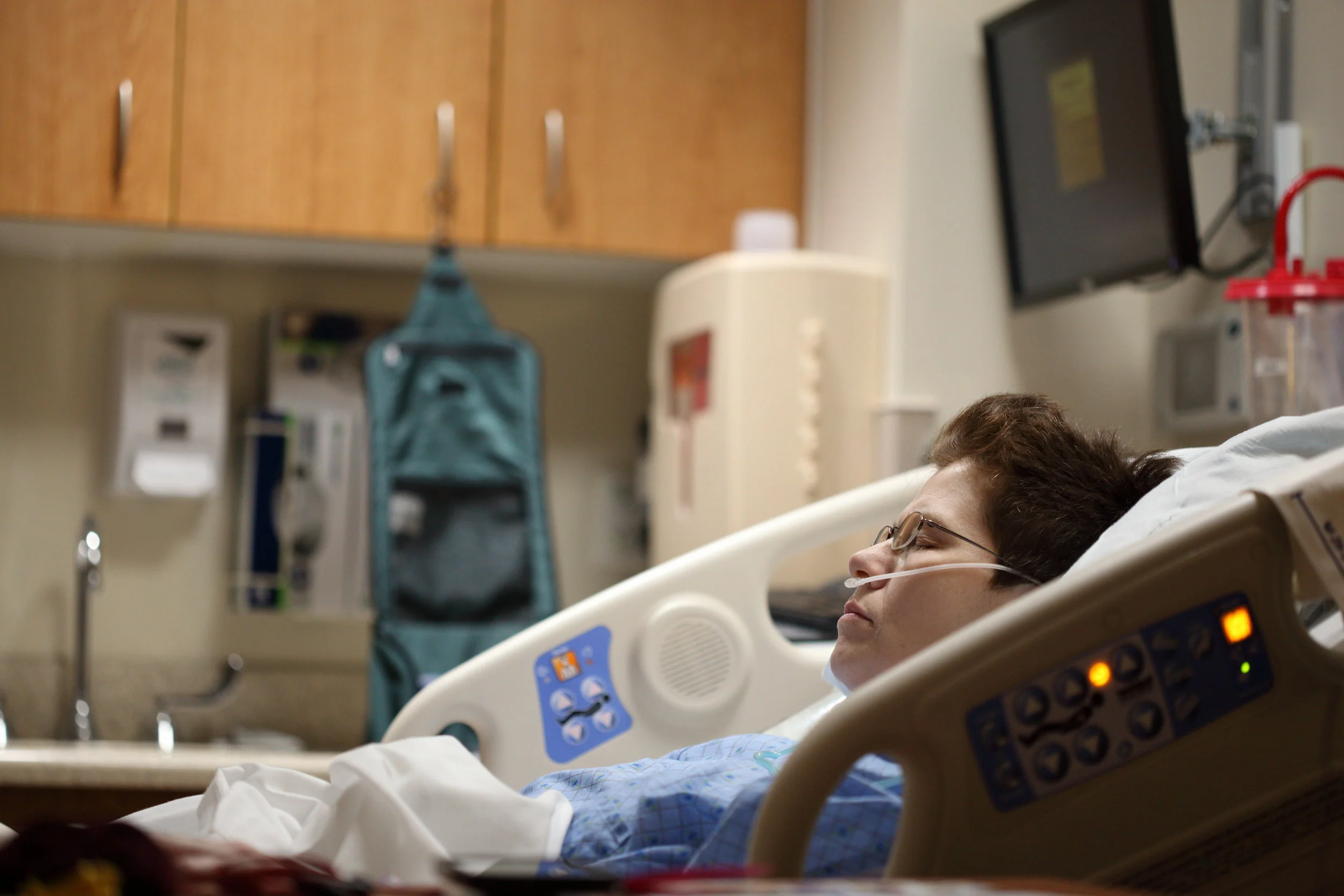
The Evolution of Intensive Care Units as Critical Care Centres
Critical care or the management of life-threatening conditions through close attention by specially trained health professionals has become a feature of health care systems around the globe. It has become a necessity; required for the comprehensive management of patients at the risk of life-threatening organ dysfunction. Today, critical care centres have changed drastically leading to reduced mortality.

However, the journey has not been smooth and straightforward. The critical care centres have evolved and come a long way from recovery rooms in the 19th century. Have a look at the progression of these centres from the very beginning.
Postoperative rooms were the only direct antecedent of the Intensive Care Units (ICU) during the 1850s. It was not uncommon for hospitals to have these rooms; however, the patients were shifted to many different rooms instead of keeping them in one solely dedicated room.
A faint beginning of intensive care units started in the 1930s when a three-bed unit for the care of neurosurgical patients was opened in Germany. Since then, massive improvements have been made in terms of understanding the processes that affect critical patients and technology.
The polio epidemic in the second half of the 20th century led to the proper development and establishment of Intensive Care Units in Copenhagen. It was then when the need for specialty rooms was realized, and it was realised that the transfer of the patients to different rooms led to the development of risk. The doctors, during the epidemic, reduced the mortality rate in patients by 50% by caring for them in specific areas of the hospital.
During the years after 1968, mechanical ventilator became the part of the ICUs.
It was during this period that critical care in India also started developing gradually. The first, very own respiratory care units were established in two hospitals in Mumbai by a renowned physician with international training in pulmonology. With continuing developments, fluid administration, oxygen administration, blood transfusions, and other procedures became essential components and procedures of ICU.
Intensive care has become highly sophisticated, diversified, and detailed in the last few decades. The patterns of diseases seen in Indian ICUs are different than those seen elsewhere. Many tropical infections including tuberculosis, malaria, leptospirosis, salmonellosis, etc., form a significant proportion of the patients in these units.
In India, the process of care improved steadily with attention to intensive care and significant changes like better coordination with different teams and family to enhance the outcomes of ICU patients.
Over the preceding decades, particular techniques also evolved progressively. The onset and discovery of different lethal diseases like cancer due to changing climate, lifestyle, etc., led to the unprecedented expansion of these high dependency units. Thus the evolvement of the intensive care units into critical care centres.
The changing era of improving the safety of patients and healthcare providers' performance has put great emphasis on enhancing Intensive Care Units. Therefore, these intensive care units have expanded enormously in the present times with improved monitoring, treatment, support, and care. We, at Medipulse house intensive care units of high standards, to ensure effective treatment and dignity of the patients. Ranked as Jodhpur’s, top private hospital our critical care unit has several wings of care with medical specialists to provide treatment for a wide array of diseases. With critical care at the crossroads of development in our country, we have made provisions to bring innovation and continuous developments.
5 Lifestyle Tips for Cancer Prevention
Each year, cancers levy a heavy societal burden in terms of cost and epidemiology. This lethal disease is responsible for millions of death every year globally. The growing cost of cancer treatment due to the introduction of advanced techniques and advanced drugs are restricting the patients of lower socioeconomic status from availing high-end treatments.
As the genomic changes that induce cancer have come in light, the prevention methods have also emerged and gained significance in recent times. Moreover, given the continued growth of cancer suffering patients, the primary prevention measures remain an utmost priority.
We, therefore, propose some lifestyle changes that have shown promising results in cancer prevention. These regulatory measures can even have a positive impact on the future generation.
Smoking: Smoking is known as the leading cause of not only cancer but also of Chronic Obstructive Pulmonary Diseases (COPD). People who start smoking at an early age are more susceptible to disease. Nonetheless, both passive and active smokers are at high risk of developing cancer because smoking allows the cancerous cells to accumulate and grow in the body. In addition to this, it is a factor that also leads to the recurrence of this deadly disease. On the flip side, smoking cessation can decrease the risk of almost all type of cancers much significantly. Therefore, one should curb smoking to increase the likelihood of being cancer-free.
Diet: According to the findings of the World Health Organization (WHO), dietary factors have accounted for approximately 30% of cancer in western countries. In developing countries, the risk of cancer from an improper diet stands at 20%. Researchers have further uncovered that making changes in dietary pattern, such as consuming less animal fat and sugar can be associated with reduced risk of cancer.
Physical Activity: Breast cancer is another cause of a considerable number of deaths among women. Lack of physical activity is one of the prime factors impacting the risk of breast cancer. However, as cancer has a long latency period, the risk factors can be eliminated by correcting unhealthy lifestyle.
Alcohol: Alcohol drinking is a well-known contributing factor; many research studies have shown the association between alcohol and cancer. People who consume alcohol are predisposed to a higher risk of cancer. The folic acid attenuates the likelihood of disease in the people who drink alcohol. If people adopt a proactive stance by minimising exposure to alcohol, they then can prevent cancer in the formative stage.
Caffeine, Minerals and Vitamins: Studies conducted so far support the vitamin intake, and reduced consumption of caffeine, which correlates with lesser risk of developing cancerous cells. Especially, vitamin D and Calcium reduce the risk to a considerable extent.
Although these lifestyle changes they cannot cure cancer but can curtail the occurrence to a considerable extent. Moreover, the effects of prevention extend to the entire population and are not dependent on socioeconomic status. However, it is not advisable to entirely rely on prevention methods after cancer is detected. One should consult an expert for cancer treatment. Jodhpur also has some highly recognized cancer treatment centers that you can visit for proper care.