

क्या जॉइंट रिप्लेसमेंट (जोड़ प्रत्यारोपण) आर.जी.एच.एस. योजना के अंतर्गत आता है?
आर.जी.एच.एस. या राजस्थान सरकार स्वास्थ्य योजना सभी सरकारी पेंशनभोगियों, राज्य और केंद्र दोनों, मंत्रियों, विधान सभा के सदस्यों, न्यायाधीशों और राज्य और केंद्र के सरकारी कर्मचारियों के साथ-साथ उन पर निर्भर सदस्यों के लिए एक स्वास्थ्य बीमा योजना है।

आर.जी.एच.एस. या राजस्थान सरकार स्वास्थ्य योजना सभी सरकारी पेंशनभोगियों, राज्य और केंद्र दोनों, मंत्रियों, विधान सभा के सदस्यों, न्यायाधीशों और राज्य और केंद्र के सरकारी कर्मचारियों के साथ-साथ उन पर निर्भर सदस्यों के लिए एक स्वास्थ्य बीमा योजना है। यह योजना राजस्थान राज्य के किसी भी सरकारी या सूचीबद्ध निजी अस्पताल में एक वर्ष में दस लाख रुपये तक का चिकित्सा खर्च प्रदान करता है। चिरंजीवी योजना - जिसने आम जनता को सरकारी स्वास्थ्य बीमा की पेशकश की, उसकी घोषणा के बाद आर.जी.एच.एस. योजना का पुनर्निमाण किया गया। आरजीएचएस योजना विभिन्न हड्डी रोग के उपचारों और प्रक्रियाओं के लिए कवरेज प्रदान करता है। आइए जानें कि क्या जॉइंट रिप्लेसमेंट योजना के तहत शामिल प्रक्रियाओं में से एक है।
जॉइंट रिप्लेसमेंट सर्जरी क्या है?
जॉइंट रिप्लेसमेंट सर्जरी एक चिकित्सा प्रक्रिया है जिसमें जोड़ का एक हिस्सा या संपूर्ण जोड़ हटा दिया जाता है और कृत्रिम रूप से निर्मित प्रत्यारोपण द्वारा प्रतिस्थापित किया जाता है। यह शल्य प्रक्रिया ज्यादातर गठिया या शरीर की आकस्मिक क्षति के उपचार की कार्यप्रणाली के रूप में की जाती है। एक सफल जॉइंट रिप्लेसमेंट सर्जरी, चाहे वह आंशिक या पूर्ण हो, आपके गठिया के दर्द को दूर करने में मदद कर सकती है और आपको सामान्य रूप से आगे बढ़ने और स्वस्थ और सामान्य जीवन जीने की क्षमता प्रदान कर सकती है। आज, रोगियों के ठीक होने में तेजी लाने के लिए कम से कम पीड़ा के साथ जॉइंट रिप्लेसमेंट सर्जरी की जा सकती है। इन सर्जरी के पहले, दौरान और बाद में रोगियों की सुरक्षा सुनिश्चित करने के लिए चिकित्सा प्रौद्योगिकी ने कदम उठाए हैं। लेकिन, आजकल जॉइंट रिप्लेसमेंट इतने लोकप्रिय क्यों हैं? यह गठिया के प्रसार के कारण है। आइए इसके बारे में थोड़ा और जानें।
गठिया रोग और भारत में इसकी व्यापकता
गठिया भारत में एक बहुत ही आम बीमारी है जो ज्यादातर उम्रदराज महिलाओं को प्रभावित करती है। भारत में हर साल 180 मिलियन से अधिक लोगों को गठिया होता है; भारत में कैंसर और एड्स जैसी बीमारियों की तुलना में गठिया की व्यापकता अधिक है। महिलाओं में गठिया के लक्षण 35 साल की उम्र से ही दिखना शुरू हो सकते हैं। राजस्थान जैसे राज्यों में, पूरी आबादी के 8% से अधिक लोग गठिया से पीड़ित हैं। चूंकि गठिया एक लाइलाज बीमारी है, इसलिए इसके उपचार के विकल्प बहुत अधिक नहीं हैं। जॉइंट रिप्लेसमेंट गठिया के लिए एकमात्र दीर्घकालिक उपचार विकल्पों में से एक है जो अब चिकित्सा बीमा की वजह से लोगों के लिए अधिक सुलभ हो रहा है। क्या जॉइंट रिप्लेसमेंट सर्जरी आरजीएचएस योजना के अंतर्गत आती है?
आर.जी.एच.एस. में जॉइंट रिप्लेसमेंट: क्या आर.जी.एच.एस. योजना जॉइंट रिप्लेसमेंट सर्जरी को कवर करती है?

हां, विभिन्न जॉइंट रिप्लेसमेंट सर्जरी आर जी एच एस योजना द्वारा कवर की जाती हैं। योजना के तहत कवर की जाने वाली सर्जरी हैं:
टोटल हिप रिप्लेसमेंट सर्जरी
टोटल एंकल जॉइंट रिप्लेसमेंट
टोटल नी जॉइंट रिप्लेसमेंट
टोटल शोल्डर जॉइंट रिप्लेसमेंट
टोटल कोहनी जॉइंट रिप्लेसमेंट
कलाई का जोड़ बदलना
टोटल फिंगर जॉइंट रिप्लेसमेंट
ये आर.जी.एच.एस. योजना के तहत शामिल कुछ जॉइंट रिप्लेसमेंट सर्जरी हैं। आप इस लिंक पर क्लिक करके आर.जी.एच.एस. योजना के कवरेज के बारे में अधिक जान सकते हैं।
मेडीपल्स हॉस्पिटल में ज्वाइंट रिप्लेसमेंट सर्जरी
जोधपुर में सबसे अच्छे निजी हॉस्पिटल के रूप में, मेडीपल्स हॉस्पिटल गंभीर गठिया होने पर आपकी ज्वाइंट रिप्लेसमेंट सर्जरी कराने के लिए सबसे अच्छे विकल्पों में से एक है। मेडीपल्स हॉस्पिटल सर्जरी से पहले और बाद में रोगियों को उचित मार्गदर्शन और परामर्श देता है। अस्पताल सर्जरी चिकित्सा से पहले और बाद में उचित और शीघ्र स्वास्थ्य लाभ सुनिश्चित करने के लिए भौतिक चिकित्सा उपचार की सिफारिश करता है और प्रदान करता है। सबसे अच्छी बात यह है कि मेडीपल्स हॉस्पिटल ज्वाइंट रिप्लेसमेंट सर्जरी जैसी आर्थोपेडिक प्रक्रियाओं के लिए स्वास्थ्य बीमा स्वीकार करता है, जिससे आप स्वयं इसकी लागत वहन किए बिना इस प्रक्रिया से गुजर सकते हैं।

Everything to know about Covid vaccination at private centers
Due to India's huge population and shortage of government vaccination centers, the government allowed private hospitals to initiate the vaccination drive with limited supply and higher costs. Even though one can
Due to India's huge population and shortage of government vaccination centers, the government allowed private hospitals to initiate the vaccination drive with limited supply and higher costs. Even though one can find vaccination slots at private centers during scheduling, many people aren't aware of what needs to be done or the vaccination costs and other aspects.
This is why they fail to avail the facility, despite being capable of paying higher prices. With the booster dose being administered, many people are looking for more detailed information about vaccination drives at private centers. Acknowledging this, we have shed light on all important aspects of private vaccination in India.
How to register for vaccination at private hospitals?
If you want to get the vaccination from private hospitals, you can register yourself beforehand or choose on-spot registration. Regardless of what method you have chosen, the steps to register your name for Covid vaccination are as follows:
Visit the official site of Cowin.
Enter your phone number and click on the OTP option.
You will receive an OTP number that you must manually enter on the screen.
Once you have confirmed the registration, enter your Aadhar number and date of birth as printed on the ID.
After you are done with Aadhar linking, you will get an option for scheduling the dose.
You can register three more beneficiaries from the same mobile number.

Scheduling vaccination slots for private hospitals
Once you are done with the registration process, you need to schedule vaccination at private hospitals. Open the Cowin official app and give the OTP to log in to your account. Once done, you need to follow the below-mentioned steps,
Choose the vaccine type you would like to get.
An entire list of both private and public centers will be listed.
You can also find a date row at the top.
Select the desired date on which you would like to get the vaccination.
After this, scroll through the centers and choose the private hospital nearer to your location.
Check the availability of slots on that particular date.
If their slots are booked, you must filter the search results on another date.
After you are done with all options, click on confirm, and your vaccine appointment will be scheduled.
Rules and regulations to follow for privately-arranged vaccination drive
Unlike the government centers, the private hospitals had to implement a huge set of rules and regulations to conduct a smooth vaccination drive. In this below section, we have explained what you must remember before scheduling a vaccination slot.
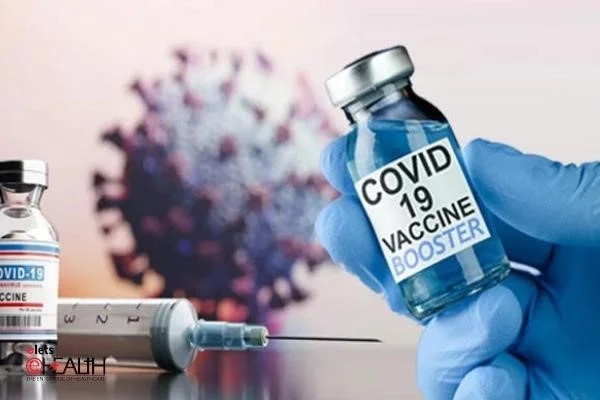
You need to carry your Aadhar card and pan card at private hospitals for identification.
If you have registered before the appointment, carry a printout of the form for more convenience.
You must choose a private hospital spot providing the vaccination you want.
If it is the second or booster dose, carry the certificate of the first vaccination.
If you have any underlying health problem, do ensure to inform the health officials administering the vaccines.
Prices of vaccination at private hospitals
The state governments buy vaccines from the central government at a certain price rate. And private hospitals have to get the vaccines at additional costs, so you have to pay more for getting the shots. The vaccination price will vary in accordance with the type.
Each shot of covishield costs about INR 780.
The price of Sputnik V is about INR 1145.
Covaxin shots are priced at INR 1410 per dose.
Conclusion
Now that you know the private Covid vaccination drive basics don't make any delays and register yourself immediately. With a shortage of vaccines at public centers, the demand for private locations increases each day. It's just a matter of time before you find that all private slots are booked completely. and if you want you can also visit Medipulse hospital or can consult with our Doctors to get the best and most updated information regarding Covid-19.

Bronchoscopy In Jodhpur - What Questions To Ask Your Pulmonologist
If you have been advised to take a bronchoscopy test, chances are you’ve been suffering from a persistent cough or breathing trouble. A little more severe reason for bronchoscopy could be an abnormal chest X-ray
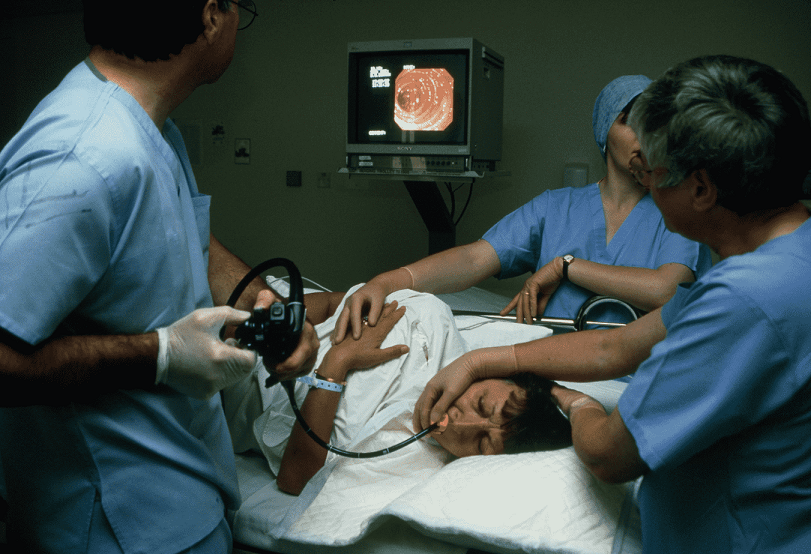
If you have been advised to take a bronchoscopy test, chances are you’ve been suffering from a persistent cough or breathing trouble. A little more severe reason for bronchoscopy could be an abnormal chest X-ray, suspected lung infection, or something really terrifying like coughing up blood. So, in case your pulmonologist has advised you for a bronchoscopy, it is always better not to take a chance and immediately go for the medical procedure.
So, first of all, what is bronchoscopy? Bronchoscopy is a medical procedure usually performed by a pulmonologist or a doctor specializing in all kinds of lung disorders. A thin tube, otherwise known as a bronchoscope, is passed through your mouth or nose through your throat down into your lungs during the procedure. This is the procedure of bronchoscopy briefly explained, and indeed it’s pretty daunting.
Getting such a daunting medical test without knowing anything about the procedure and rules can be terrifying, and more so when it involves passing something down your throat. So, let’s take a look at the types of bronchoscopes, how and when they are used, and how you should prepare for the medical procedure.
Types of Bronchoscopes and Their Uses

Flexible Bronchoscopes
\Most of the time, bronchoscopes that are used for the procedure are flexible in nature. It is used when the patient has a persistent cough that isn’t going away, an abnormal chest X-ray, or a suspected infection.
Rigid Bronchoscopes
Other times, in rare cases, bronchoscopes can be rigid in nature when there is a blockage in the airway, or there is a lot of bleeding involved.
Reasons You Have Been Advised Bronchoscopy
Bronchoscopy is used to diagnose any problem that is related to the lungs by obtaining samples of mucus or tissue.
A bronchoscopy is advised for a more detailed diagnosis if something out of the ordinary or abnormal is noticed in your chest X-ray.
Removal of blockages like tumors or mucus, or a foreign object in the airway is also done with the help of bronchoscopy.
In case of narrowing of the airway or a collapsed lung, bronchoscopy is used.
It is also used to put a stent which is a small tube in the airway to hold the airway open in place.
It is also used for the biopsy of tissue from the lung region.
How Should You Prepare Before Going for a Bronchoscopy?
Now that you know and understand all the ins and outs of bronchoscopy let’s see how you should prepare yourself before going for a bronchoscopy. Keep in mind that these precautions are not only recommended, but it is necessary before going for the medical procedure. Your pulmonologist will be informing you of all these precautions, and along with that, if there are any other instructions, you must follow them before going for bronchoscopy.
Medications
Inform your pulmonologist if you have been taking any medication previously. It might be so that they tell you not to take any type of blood-thinning medication like aspirin before the test. Also, they may ask you to avoid taking ibuprofen or any alternatives for a week before the procedure.
Food
You will also be asked by the pulmonologist to not eat or drink the night before or four to eight hours before the procedure, so make sure you take this precaution.
Personal items
The pulmonologist will ask you to remove glasses, contact lenses, or hearing aids if you have any of them. Along with that, you will also be asked about dentures or if you have any removable bridges before opting for the procedure.
Other Necessary Precautions
It is advised to take somebody with you from your family or friends or relatives to drive or take you home safely. The lingering effects of anesthesia will make you unable to drive home alone safely, so it is recommended that you bring someone and stay with you for some time after the procedure is done for any kind of assistance.
Conclusion
Bronchoscopy is an essential medical test that can help you diagnose complex respiratory illnesses. So, if you have been prescribed to take a bronchoscopy test, be sure to visit MediPulse hospital for the best and most accurate bronchoscopy results in Jodhpur. You can learn more about a bronchoscopy, its cost, and other details on the hospital website.
Pulmonary function test - what is it used for?
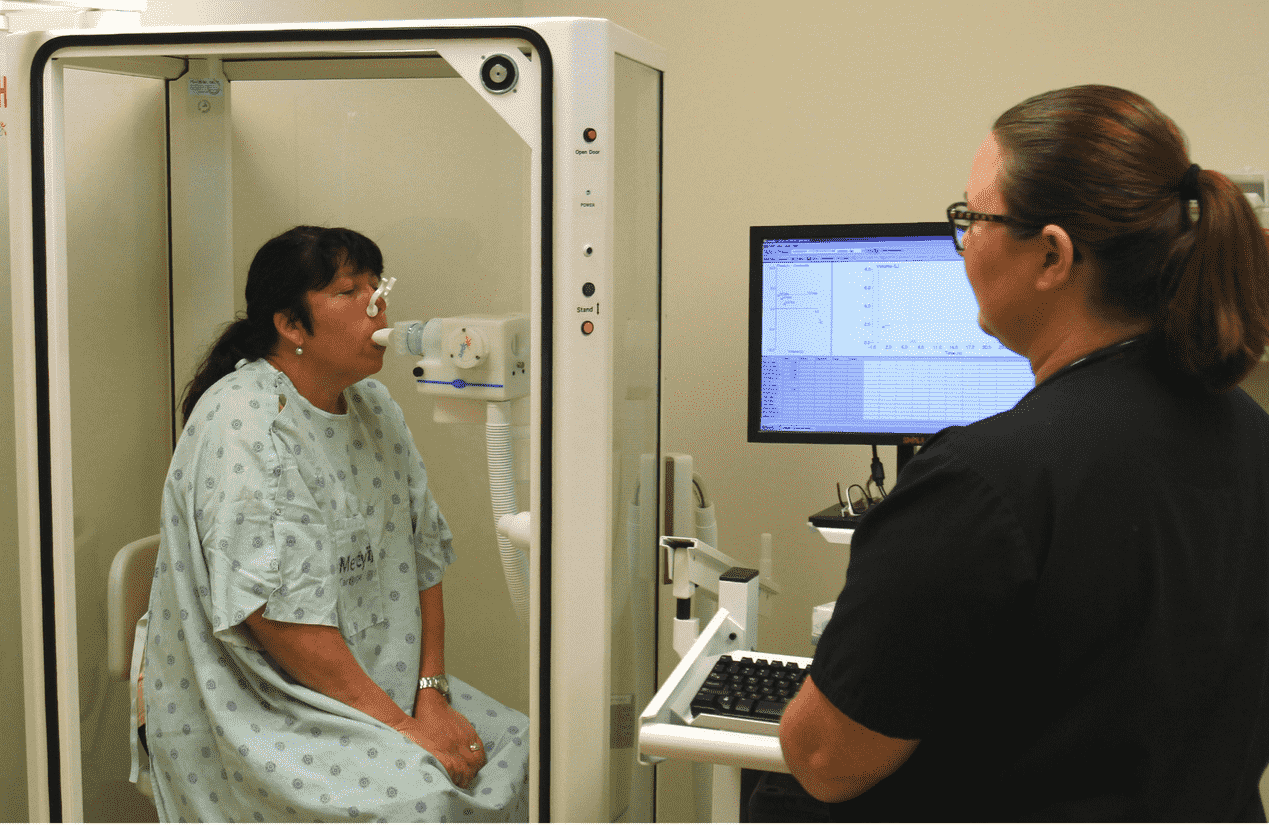
Pulmonary Function Test or PFT is a non-invasive medical procedure used for checking how your lung works. Usually, PFTs are done as a part of routine checkups in an otherwise healthy individual, or they are

Pulmonary Function Test or PFT is a non-invasive medical procedure used for checking how your lung works. Usually, PFTs are done as a part of routine checkups in an otherwise healthy individual, or they are done routinely in certain work environments like coal mines for employee safety. It is also used to diagnose COPD (Chronic Obstructive Pulmonary Disease)and asthma and also to rule out asthma.
As a non-invasive procedure, PFTs are a safe and simple procedure and do not involve putting any tools inside the patient's body or cutting them open. The person taking the test must be able to follow clear and simple instructions. PFTs are safe; however, there are a few risks that include an asthma attack, coughing, dizziness, or shortness of breath.
Let's check the types of PFTs that are done to diagnose or rule out various respiratory diseases.
Bronchial Provocation Test
After having a checkup, if you or your doctor suspects that you have asthma, a bronchial provocation test is used. It is used to rule out any possibilities of you having asthma as the main cause of other symptoms you might be having. It evaluates how sensitive your lungs are and the severity of your asthma if you happen to have it.
Cardiopulmonary Exercise Test
A cardiopulmonary exercise test or CPET is an exercise stress test that measures heart and lung strength. It is used to evaluate how your lungs, heart, muscles, and blood vessels perform during physical exertion.
Lung Diffusion Capacity Test
The lung diffusion capacity test is used to evaluate how alveoli, which are the small air sacs present inside the lungs, work. The test is used to check how your lungs transfer oxygen (O2) and carbon dioxide (CO2) to and from your blood vessels. With this test, it can be checked how much your air sacs are destroyed by diseases like emphysema.
Exhaled Nitric Oxide Test
This test is used to check the nitric oxide levels in your breath. An increased nitric oxide level in the breath can be due to allergic asthma or inflammation in your airway. So with this test, the nitric oxide levels in your breath are determined for further treatment and to reduce inflammation.
Plethysmography Test
This test is used to determine the volume of air in your lungs when you're inhaling, and it also checks the volume of air that remains after you've exhaled fully. Your doctor can prescribe this test to check how much your lungs have been damaged due to asthma or COPD and if any change of treatment is required at the current instance.
Pulse Oximetry Test
This Pulse Oximetry Test is used for evaluating the oxygen levels in your red blood cells. The results of this test are obtained instantaneously after it is taken. Oxygen levels around 95% are a sign of healthy lung function; however, oxygen levels lower than this can be a sign of asthma, COPD, or pneumonia. A pulse oximetry test is also widely used to check the respiratory status of Covid-19 affected patients.
Spirometry Test
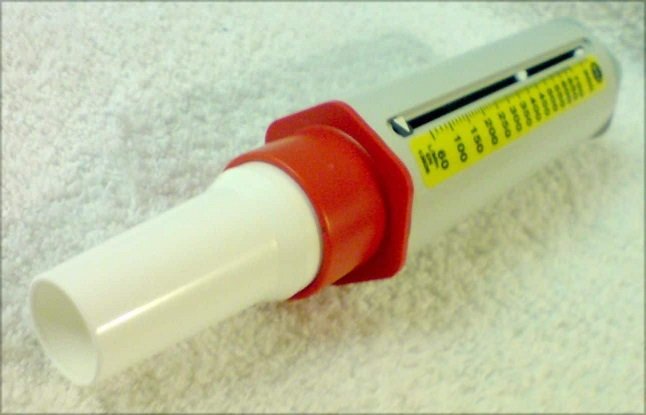
This test is used for measuring how much air you can inhale and exhale. It is used to diagnose all kinds of respiratory diseases or breathing problems.
Why is Pulmonary Function Test Used?
PFTs are prescribed by healthcare providers to diagnose respiratory problems and chronic lung conditions like the following.
Asthma
chronic bronchitis, which is also known as a chronic obstructive pulmonary disease (COPD), Lung allergies,
Respiratory infections
Asbestosis, which is caused due to exposure to asbestos
Emphysema
Lung fibrosis
Conclusion
Even though the pulmonary function test falls under general diagnostic testing, it can be very helpful in diagnosing severe or non-serious respiratory illnesses. So, in order to ensure your good health, you should take the doctor's advice and get the pulmonary function test at MediPulse Hospital Jodhpur to ensure you get the best testing facilities that are safe, accurate, and quick in delivering the reports. For more detailed information, check out the hospital website.

Rheumatoid arthritis treatment options in western rajasthan - arthritis injections, and supplements
The body's immune system is meant to protect us against illness when operating correctly. A person with RA has an immune system out of control, attacking healthy joint tissue instead of defending the body,
What Is Rheumatoid Arthritis?
The body's immune system is meant to protect us against illness when operating correctly. A person with RA has an immune system out of control, attacking healthy joint tissue instead of defending the body, resulting in severe inflammation. Chronic inflammation may lead to malformations and other health issues if it continues for an extended period. Rheumatoid arthritis (RA) may strike persons of any age group, including youngsters.
Occupational And Physical Therapy
The RA treatment plan will likely include some physical or occupational therapy. Therapy is an option:
Determine your current level of competence
Strengthen your body
Lessen the discomfort you're feeling
Slow down the destruction of joints
Make it easier to change the way you move
Therapy For The Body's Aches And Pains
A physical therapist may also use massages and muscle stimulation to alleviate pain. Exercises you may perform on your own at home might help you gain strength and alleviate discomfort.

When you are initially diagnosed with RA, physical therapy may be recommended. It may also be recommended later on in your illness, for example, if a particular joint starts because of your discomfort.
Rehabilitation Via The Use Of A Therapeutic Occupation
Your capacity to do ordinary duties on your own may be maintained with the support of an occupational therapist. Support and equipment to help may be recommended to you, and instructions on utilizing them. Included among them are:
Splints
Braces
Aids for the disabled
Doorknob grips and jar clamps
The use of stair railings and bar supports in bathrooms
Rheumatology Surgery Alternatives
Damaged joints may need surgery. The kind of surgery you'll require depends on the severity of the damage. Among the surgical possibilities are:
Synovectomy and arthroscopy. A synovectomy may be performed via arthroscopy, a minimally invasive surgery technique. During a synovectomy, the inflammatory synovium of a joint is removed.

Tendon surgery. Tendons that are torn and loose around your joints may be repaired surgically.
The replacement of a joint. When a joint is destroyed, it is replaced with an artificial one.
Recommendations For Healthy Living
You may take simple actions at home to lessen your RA's discomfort and improve your quality of life. Among them:
Getting more active. Even if you can't fit an exercise into the schedule, it's good to remain moving. Taking the stairs rather than the elevator might help you keep active and control your RA in little ways. Climb the stairs rather than the elevator.
Ensuring that you get adequate sleep. Rest may help your body heal itself and give you more energy. During a flare-up, it's critical to take pauses as often as necessary.
Invoking both heat and cold therapy. The heat from a hot bath or a warm bed helps relax your muscles and joints, while ice packs can relieve swelling and discomfort in inflamed joints.
Therapy
Complementary therapy may help specific individuals. Before experimenting with complementary treatments, it's vital to exercise prudence. These medicines have not been thoroughly tested to verify their efficacy in treating rheumatoid arthritis. Before beginning any complementary treatment program, please consult with your doctor to ensure it is safe for you.
Pain-relieving complementary treatments include:
Massage
Yoga
The practice of the taiji
Spinal adjustment therapy (chiropractic)
Acupuncture
Meditation
Preliminary research of the credentials of alternative medicine practitioners is highly recommended. Many states require licensing for acupuncturists, therapists, and chiropractors. Before your initial visit, please research these specialists to be sure they are qualified to give the treatment you need.
Arthritis Steroid Shots
Corticosteroids may be administered into the joint to reduce inflammation and alleviate discomfort. The feeling of relief may persist for many months. You should not get more than 2 or 3 shots a year. Your physician's office often administers these injections.
After the injections, you may be tempted to return to the activities that caused your discomfort since it feels like the pain is gone. Ask your doctor or physiotherapist for exercises or stretches that might help prevent your pain from returning after these injections.
Supplements
The body synthesizes glucosamine & chondroitin sulfate. To keep your joints in tip-top shape, they're essential. Both of these drugs are available over-the-counter as dietary supplements.
Supplements containing glucosamine or chondroitin sulfate may help alleviate discomfort. Because of this, it seems that these treatments do not aid in the formation of new cartilage or slow the progression of arthritis. Certain physicians recommend a three-month trial period to determine if glucosamine and chondroitin are of benefit.

"Sammy" is the name given to a synthetic version of a naturally occurring molecule in the human body. S-adenosylmethionine (SAMe) Anecdotal evidence does not support claims that SAMe may alleviate the symptoms of arthritis.
Conclusion
There is presently no treatment for RA, which is a long-term condition. However, a regular medical intervention can ease down the pain related to it. If you are looking for medical assistance for Rheumatoid Arthritis, MediPulse is the right place for you.
How to get the covid precautionary dose?
The country is still reeling from the devastating 2nd wave of the coronavirus pandemic. During this time, the entire world was shaken by witnessing how the country succumbed to the clutches of the infection. But
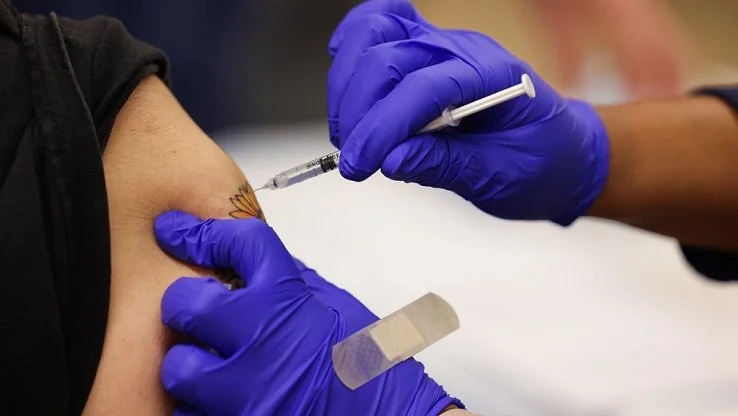
The country is still reeling from the devastating 2nd wave of the coronavirus pandemic. During this time, the entire world was shaken by witnessing how the country succumbed to the clutches of the infection. But with time and immense help, the country stood back and was able to bring the condition within control, almost after three months. Soon after a couple of weeks, researchers and healthcare professionals declared the impending 3rd wave that might hit the country in the worst manner.
This is why the Indian government declared the administration of a booster Covid dose or the protective dose. In January 2022, this vaccine was made available for everyone to keep themselves safe and well-protected against the thriving new strain of the virus, the Omicron. Like the first two doses, everyone needs to follow a protocol to get this third vaccination dose. If you don't know whether you are eligible for the dose or not or how to apply for this vaccination, do not worry anymore.

In the following article, we have explained everything you must know about this third dose of vaccination to get the best out of this protective dose.
What are the eligibility criteria for the third dose of vaccination?
The first thing you should know is the eligibility criteria for the third dose of Covid vaccination. If you aren't eligible and register yourself, your application will be canceled. To avoid such inconvenience, we have listed down the conditions you need to meet so that you can schedule the vaccination.
You must have administered the first two doses of vaccination for Covid.
The minimal difference between the second Covid vaccine and the third dose needs to be at least nine months of 270 days.
You need to be 18 years of age.
If you have suffered from the Covid infection, do keep the doctor’s certificate.
How to register yourself for the third vaccination dose?
So far, 148 centers have been allowed to administer the third dose of the Covid vaccine throughout the country. Out of these, 119 centers are meant for Covishied, while 29 places have been deemed for Covaxin. It would help if you chose the center based on the vaccine you took for the first and second dose. If you took covishield for the 1st and 2nd time, you must register yourself for that vaccine only. The same thing applies to Covaxin also.

Once you are done, you need to register yourself for the third vaccination dose. To do so, you can follow the below-mentioned steps:
Visit the official portal of Cowin.
Once done, you will be transported to a registration portal. Here, you need to give the registered mobile number you signed in for the first time.
An OTP will be sent to that number that needs to be entered on the screen.
Once you are redirected to the home page, you can see the tab for scheduling the Covid protection dose.
If you click on that, you will be shown a slot for the coming days, and the availability of all slots can be known.
You can select the vaccination center, date, and time according to your convenience.
Once you confirm the scheduling, the time and other details will be displayed on the home page.
How to get the certification post the third vaccination dose of Covid?
After completing the vaccination, you can download the certification after a couple of hours from the online Cowin site. You can get it printed so that the copy is completely safe with you.
Conclusion
Now that you know the basic steps to follow, get yourself registered and book the slot at your convenience. Make sure not to make any mistakes during registration, as that will cause many problems later on and if you want you can also visit Medipulse hospital or can consult with our Doctors to get the best and most updated information regarding Covid-19.

Things to know before you schedule Covid’s third vaccination dose
After the initial Delta virus strains caused the massacre in several countries, another new Covid strain, the Omicron, came into existence. According to WHO, Omicron is far more transmissible than the previous
After the initial Delta virus strains caused the massacre in several countries, another new Covid strain, the Omicron, came into existence. According to WHO, Omicron is far more transmissible than the previous strains. However, it wouldn't pose a huge danger. While that was a relief for many people, the healthcare professionals declared that only two doses of Covid vaccines wouldn't be enough to keep everyone safe.
The third vaccine dose, also termed a booster dose, has been initiated. It has to be administered after 9 months from the second vaccine. It will act as a booster, increasing the body's immunity against the new strains. As its activity is a bit different from the main first two doses, there are certain things you must be aware of before you schedule the vaccination.
The following article explains what things you must do and what you shouldn't before the scheduled booster dose vaccination.
What is the importance of getting the third Covid vaccine dose?

After administering the first doses of the Covid virus, our body remains immune to the severe infectious stage. People who tested positive after taking the second dose suffered mild impacts. The threat to life was reduced considerably. But with time, our bodies have started to lose the protective nature against the virus. As a result, we are at a higher risk of getting infected and suffering from severe complications.
This is why we need to get the third dose so that our body gets back its immune power against the virus. Even if we get infected, we will be safe from the severe symptoms that can put our life at risk.
Can a sick person get the third dose of the Covid vaccine?
A sick person cannot get the third dose of the Covid vaccine. If you have a mild cough or light fever, you also need to wait till the condition resolves and then get a certification from your doctor. When getting the dose administered, you should show a doctor's certificate to avoid having to face any problems or adverse effects.
What should be the diet for taking the third Covid vaccine dose?
You need to follow certain rules and regulations before you schedule vaccination for yourself. The major changes will be in your everyday diet because, according to several healthcare professionals, the effectiveness of the third Covid vaccine greatly depends on your diet routine.

So, here are some of the foods you should eat:
You must include lots of fruits and vegetables in your diet as they have large quantities of vitamins, minerals, and antioxidants which will keep your body safe against the adverse effects of the third dose.
Try to increase your water uptake because if your body is dehydrated, the third dose may cause discomfort, especially dizziness.
Also, do not take the vaccine on an empty stomach, which will instantly weaken you and make you feel dizzy. Some people have even reported having blurred vision and loss of balance.

What shouldn't you do before taking the Covid third dose?
There are certain things that you must refrain yourself from completely before taking the third dose. These are:
Do not consume alcohol or any hard drink at least before one month of taking the dose.
Make sure to maintain a healthy diet so that you won't have to face any adverse issues later.
If you are suffering from any sickness, do not schedule the vaccination.
If you have caught the infection recently and wish to schedule vaccination right after one month, get a doctor's certification.
Conclusion
About 20% of the population has received the third dose and has shown positive results. Due to the huge time gap, it has become easier for the government to retain enough vaccine supplies and avoid the crisis, and if you want you can also visit Medipulse hospital or can consult with our Doctors to get the best and most updated information regarding Covid-19.

Everything you need to know about Covid-19 booster shots?
Since 2019, the coronavirus pandemic has devastatingly hit the world. Several countries collapsed under the clutches of this pandemic so that the number of deaths skyrocketed every day. After almost a year,
Since 2019, the coronavirus pandemic has devastatingly hit the world. Several countries collapsed under the clutches of this pandemic so that the number of deaths skyrocketed every day. After almost a year, when the world somehow managed to alleviate the condition, healthcare professionals declared the impending onslaught of the second wave. In the wake of it, governments introduced vaccinations for the Covid-19 virus. Even though vaccine names and composition differed from one country to the other, their main purpose was to ensure that the severity of the infection could be reduced.

Even after both vaccination doses, healthcare professionals still feared the ineffectiveness of the vaccines for the entire year. The fear became stronger when Omicron emerged as a new strain, with far more transmissibility than previous strains. This fueled the research on a booster dose that will act as a protective barrier for the immunity system. However, most people are still unaware of the booster dose and its importance. Besides, they aren't even aware of the dos and don'ts.
The following article will speak about some of the most important things that you must know about the Covid 19 booster dose.
What is the Covid booster dose, and when is it given?
A Covid booster dose is an additional form of the protective dose administered after five to nine months from the second dose. Its main purpose is to ensure that the immune system is strong enough to fight against the virus if somehow a person becomes infected again. Despite being similar to the first two primary doses, several tweaks and changes have been made in its chemical formula. It will act as a catalyst and ensure that the immune system is further strengthened to ensure that one shouldn’t suffer from the severe consequences of the infection.

Is the booster dose the same as that of the third dose?
Many people believe that the booster dose for Covid 19 is the same as that of the third dose. However, that is not the truth because the third dose is nothing but an additional vaccine based on a person's preliminary shots. It does not act as an immunity booster, and thus its effectiveness soon starts to falter. Instead, it is a protective dose administered to ensure that your immunity has the strength to fight against the infection and keep you safe.
Even though you will get two vaccines initially, they won't show the same performance over time. As a result, you will be at risk of getting a severe infection, so you must get the booster shots at the earliest once you achieve the timeline.
Who is eligible for taking the Covid third dose?
If we compare all the eligibility criteria, they will vary from one country to another due to the differences in vaccines and their composition. However, certain facts are common for everyone, regardless of which vaccine they have taken.
You will qualify for the booster Covid dose only after completing the first two doses.
No country administers the booster dose three months from the time of the second vaccination.
If you are sick or have recently got infected with the virus, you won't be allowed to take the vaccination.
You need to be at least 18 years or above to qualify for this booster dose.
Can the booster dose prevent Covid infection?
No, the booster dose cannot prevent the Covid infection. It will make your immunity stronger to fight against the virus and reduce the severity of the infection.
Conclusion
Now that you know everything regarding the Covid booster dose, your main aim will be to schedule the date for vaccination. But before that, ensure you meet all the prerequisites. Please do not skip the third dose, thinking it is only for older people. so if you want you can also visit Medipulse hospital or can consult with our Doctors to get the best and most updated information regarding Covid-19.

Capsule Endoscopy- Role and importance. Who is it for?
Digestive problems have become prevalent in today’s time. Several causative factors are there which lead to different types of digestion problems like lifestyle problems, obesity, improper eating schedule,
Digestive problems have become prevalent in today’s time. Several causative factors are there which lead to different types of digestion problems like lifestyle problems, obesity, improper eating schedule, intermittent fasting, consumption of NSIDs and more. Out of different types of digestive problems, the upper GI tract is impacted the most. The upper gastrointestinal tract consists of the mouth, throat, esophagus, and the entire stomach.
In most cases, the infections or health problems occur in the internal layer of the GI tract which is why medical professionals need to adopt new processes for examining the issue properly and draw the right conclusion for the same. One of the major diagnosis processes that is used to examine the upper gastrointestinal tract is capsule endoscopy.
What is capsule endoscopy?
In the traditional form of endoscopy, doctors used a thin tubular pipe with a camera and light fitted to its mouth. However, the process is extremely painful and uncomfortable. Patients suffer from throat aches for at least 3 to 5 days post the procedure is completed.

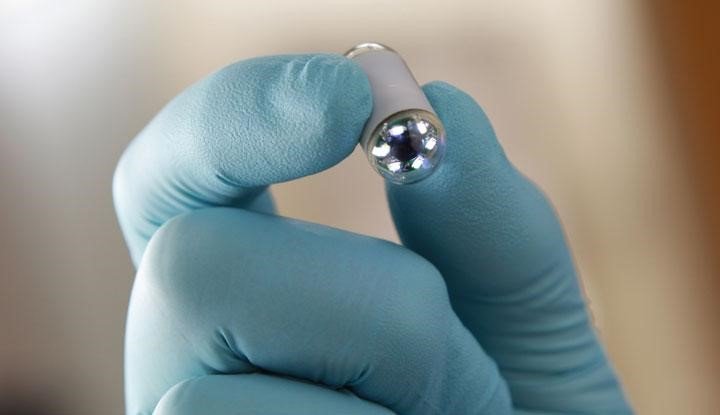
In order to get rid of this problem, the concept of capsule endoscopy has been adopted by many hospitals and healthcare professionals. It is the process through which a wireless camera is used for seeing the condition of the inner mucosa layer of the upper GI tract.
For whom capsule endoscopy is suggested?
Capsule endoscopy is used for any person suffering from:
Bleeding of the inner mucosa layer of the stomach
Any form of problem in the esophagus like dried inner lining or collapsed tube
Lesions formed on the inner lining of the stomach
Intense burn and ache in the upper abdominal region
How does the capsule endoscopy process work?
The capsule endoscopy process is conducted in a much different manner as compared to the traditional form of endoscopic diagnosis. In this below section, we have explained how the procedure is carried on.
First, you need to complete the preparatory methods. For this, you need to drink a solution that will clear any form of gas formed. If there is gas in your stomach, the pictures will be hazy and the professional will have to perform the examination once again.
After this, you need to wear a special recording device around the waist region. It is meant to record and store the entire video of the capsule moving through the entire gut column.
Sometimes, advanced recording devices are used where electrode patches are stuck with the skin over your chest and abdominal region.
You have to swallow a small capsule inside which the camera will be present. For this, you can take water to ensure that the pill doesn’t get stuck in the throat region.
You won’t have to wait for the doctor to check what’s going on with the inner GI tract.
Instead, you can return back to your daily activities as the capsule will do its work. The duration usually varies between 8 and 10 hours.
All the videos and pictures will be recorded and stored in the device you have worn around your stomach.
What facts should a person know about capsule endoscopy?
You just do not drink any liquid or take snacks for the next two hours after you have swallowed the pill. Make sure to follow the doctor’s instructions properly so that you don’t have to repeat the same process once again due to blurred images.

Conclusion
Capsule endoscopy is a recent development in the medical field that has obliterated the pain points of traditional endoscopy. However, many hospitals are yet to adopt this new process due to a lack of access to modern healthcare equipment units. This is why you need to ensure that you discuss capsule endoscopy with your doctor before you schedule an appointment for the examination. you can also visit Medipulse hospital or can consult with our Doctors to get the best information regarding Endoscopy

Endoscopy: Role and importance
Often you can feel a burning sensation in your stomach if you continue to starve for a prolonged time. Sometimes, you cannot digest any food and yet you vomit out even the slightest thing you have
Often you can feel a burning sensation in your stomach if you continue to starve for a prolonged time. Sometimes, you cannot digest any food and yet you vomit out even the slightest thing you have consumed. Apart from this, there are several other underlying problems that start from your stomach and may extend to the intestine, pancreas, liver, and so on.
To check whether there is any problem with the internal stomach lining or the esophagus, most doctors suggest getting an endoscopy done. It is one of the surest diagnostic methods with which a healthcare professional can easily check whether any issue persists or not. Apart from this, endoscopy plays some other roles too in medical science.

As many people get apprehensive the moment they see the word “ENDOSCOPY” written on the prescription, we have tried to ease the confusion. In this below section, we have explained the role this diagnosis process plays in the medical world along with its importance, the process followed, and more.
What is the importance of endoscopy in medical treatments?
Endoscopy is one of the major diagnostic approaches adopted to find out any type of issue in the upper gastrointestinal tract. The major organs that can be examined through this process are the esophagus and stomach, till the opening of the duodenum.
In the below part, we have explained the importance of endoscopy in medical treatments.

With the help of endoscopy, a medical professional can easily know about the presence of lesions in the internal lining of the stomach.
Sometimes, the esophagus can suffer constrictions and the muscular walls collapse. To know the exact location of the problem, healthcare professionals use the endoscopy process.
Through endoscopy, it is possible to know whether the mucosa lining of the stomach is bleeding or not.
Gastric ulcers can be easily identified through this medical approach which further helps doctors to understand the extent of the problem, its stage, and its spread.
How is endoscopy processed?
The process of endoscopy is done through the insertion of a thin tube into the gut of the concerned patient. One end of the pipe has a small camera and LED bulb while the other end is connected to the main device where the pictures will be transmitted. There is a controller attached to the tube with which healthcare professionals insert the pipe into the GI tract.

The process of endoscopy is described in the below section:
First, the patient’s gut is cleaned with the help of a medical solution.
A lube is used on the pipe’s outer circumference to ensure that it can easily slide through the esophagus.
After the doctor introduces it into the mouth, he will push down the pipe slowly.
Respective images and videos will be shown on the main device screen.
Pipe will be further pushed down till the camera shows what exactly the problem is with the upper GI tract.
Once the pipe’s tip enters the stomach region, the doctor will move around the pipe to check the entire organ and the status of internal mucosa layer of your stomach.
What role does endoscopy plays in healthcare system?
Endoscopy plays a very crucial role in ensuring that any infection or health issue in the upper gastrointestinal tract can be identified with ease. Besides, it also helps the professionals to decide whether a biopsy is required or not in case someone is coughing out blood, feeling intense burn in the stomach, or suffering from advance stage stomach ulcers.
Conclusion
Endoscopy might be a painful process for many people because when the tube is inserted into the mouth and pushed down the esophagus, it will cause aches. But this process is necessary for proper identification of the upper GI tract so that the doctor can take appropriate medical treatment procedures. and if you want you can also visit Medipulse hospital or can consult with our Doctors to get the best information regarding Endoscopy

Post Covid Fogginess- After effects of Covid on different organs of human body
With the onslaught of Covid 19, the entire world has been crippled with an innate fear of the inevitable. No matter how strong the healthcare system was, countries failed to provide the required support to patients.
With the onslaught of Covid 19, the entire world has been crippled with an innate fear of the inevitable. No matter how strong the healthcare system was, countries failed to provide the required support to patients. Since the beginning of 2020, the mortality rate spiked up to an incomprehensible value that put the entire world at risk. In several countries, a lot of people failed to avail proper medical treatment due to high pressure on the medical infrastructure.
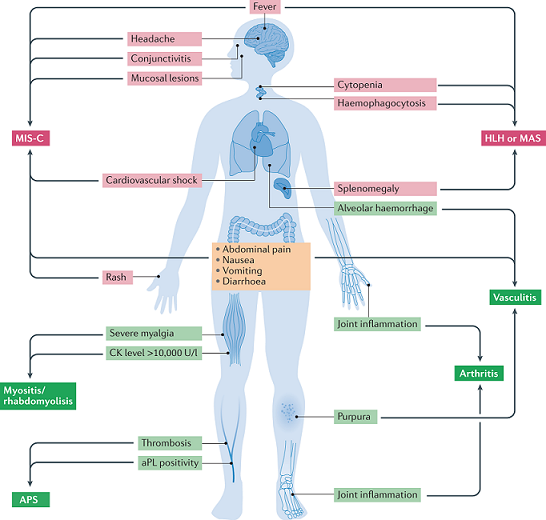
The covid virus is not only communicable but its effect on one’s body differs from one person to another. Besides, symptoms during the infectious stage and post-treatment were so varied and different that even top health officials were worried about the long-term impacts of the infection. Even though the deadly phase of the pandemic is somehow over, the after-effects are still lingering in the air.
Bearing this in mind, we have explained some of the major impacts organs can face post-Covid infection.
Respiratory system
The Covid virus infects both the upper and lower respiratory tracts in a person. When the infection is in the upper tract, the main symptoms shown are cough and cold. But the danger arises when it moves to the lower respiratory tract. At this stage, the patient can suffer from pneumonia.

Even after getting cured, a patient can occasionally feel suffocation and a constant chest pain. Breathing problems or shortness of breath is also a major impact that patients have to encounter even after being treated and cured completely.
Nervous system
Nervous problems persist a lot despite being cured completely. When the virus infects a person, its effect can be seen in the neural responses easily. After the infectious stage is over, the problems may appear once again and in some patients, it can be a long-term problem. Some of the major neural symptoms post covid are:
Loss of smell and taste may persist and it will go away with time but not overnight
Trembling of the hands is a major symptom in patients who have been infected in a severe way
Dizziness can come and go but the problem will exist due to a weak immune system and lower metabolism
Cardiovascular system
In terms of cardiovascular systems, effects post Covid can be seen in the form of tiredness due to slow transportation of oxygen from the lungs to the tissues. Also, sometimes, people may even cough out blood or reddish sputum if the patient suffers from a severe lower respiratory tract infection. Hemoglobin concentration may decrease in some cases and one will have to take iron supplements and include iron-rich foods in the diet.
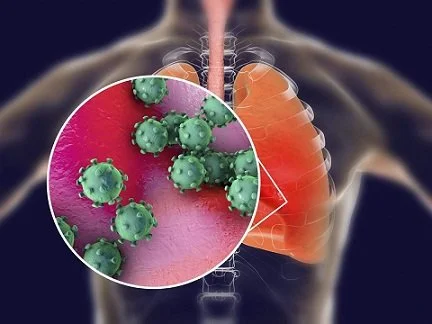
Skin allergies
Rashes, allergic outbreaks, and inflammations on the skin are some of the mild impacts that a patient cured from Covid has to face. It is not common for every person but several health professionals have observed this problem, especially in those people having sensitive skin or at higher risk of developing skin problems during Covid infections.
Digestive system
Diarrhea and indigestion are the most common problems one can face after he/she is cured of Covid. Sometimes, stomach pain also accompanies these problems. The intensity of pain will vary from one patient to the other. For example, if anyone has comorbidity in terms of ulcers, the intensity of stomach pain will be much more than that of a regular person.
Psychological issues
In terms of psychological problems, the major symptoms that a person can face post-Covid infection are:
Lack of sleep
Lack of focus and concentration
Nervousness

Conclusion
Covid is not just deadly for people who have been infected with the disease. Instead, it has proven to be a communicable disease that has long-term impacts on the human body. Besides, the after-effects vary from one person to another which is why identifying the issues is so difficult. so if you want you can also visit Medipulse hospital or can consult with our Doctors to get the best and most updated information regarding Covid-19.

Your guide to first trimester of pregnancy: what to expect, baby development
Congratulations on your pregnancy! Bringing a child to this earth is one such experience which is going to change the world for you. However, if you’ve just heard about your pregnancy and are a few weeks into

Congratulations on your pregnancy! Bringing a child to this earth is one such experience which is going to change the world for you. However, if you’ve just heard about your pregnancy and are a few weeks into this, this blog is for you!
While an entire new journey of fun and responsibility awaits you, there are a few things we bet you need to know. Let’s walk you through this guide to the first trimester of pregnancy.
First trimester of pregnancy: What Is It?
First trimester is your phase when a woman is expecting her first child. It starts on the day one of your last menstruation, long before you're even pregnant, and continues until week 13 of your pregnancy. From the moment of conception to the moment of birth, your growing child goes through a number of stages of development.
For both the mother and the child, this is a period of immense expectation and fast change. You'll be more prepared for the months ahead if you know what to anticipate. Here's a rundown of how your baby develops throughout the first three months of pregnancy.
Changes during first trimester in your body
Every pregnancy is different. Some women glow with great health throughout the first three months, while others go through a multitude of changes. Here are some of the changes you could notice in your body:
Slight bleeding:
Around 25% of pregnant women have little bleeding throughout the first trimester. Early in the pregnancy, light spotting might signal that the fertilised egg has implanted in your uterus. If you have considerable bleeding, cramping, or severe discomfort in your stomach, call your doctor.
Constipation:
During pregnancy, high levels of progesterone slow down the muscle contractions that carry food through your system on a regular basis. You're more likely to endure uncomfortable constipation and gas as a result of the excess iron in your prenatal vitamin, giving you a bloated feeling throughout your pregnancy.
Fatigue:
Your body is working so hard to support a developing child. As a result, you'll grow tired faster than usual. Take naps or rest as required during the day. Examine your food to check if you're getting enough iron. If you don't get enough iron, you might get anaemia, which will make you even more tired.
While these were some common changes during your first trimester, here are a few developments your baby will be going through in this phase.
Baby’s growth in first semester

Your kid starts to develop from a fertilized egg to a complete foetus over the initial 13 weeks. All of the major organs and systems start forming for your child.
Here are a few other changes that occur:
The fertilized egg starts diving quickly and implants all around your uterus, forming a cluster of rapidly dividing cells. The umbilical cord, amniotic sac, placenta, all begin to develop.
Your child’s nervous system starts developing from a neural tube which connects to the brain and spinal cord. Your kid can move on its own!
The heart begins to take form and beat. As early as around the 6th week, you may hear it on ultrasound. It has a heart rate of 120 to 160 beats per minute.
Your baby starts developing its digestive system, starting from kidneys and intestines.
The lungs and other important organs are present, although they are not fully grown.
The soft skeleton is beginning to form.
That’s all!
So that’d be your takeaway to everything you and your child will be facing during the first trimester. Now that you have an idea of the different contractions you need to beware of, we hope you take care of the different things in mind. Stay safe and healthy! It’s always best for you to check with your doctor before making any decision. If you are in Rajasthan, you can visit Medipulse hospital or can consult with our gynecologist to get the best and most updated information regarding first trimester of pregnancy.