


Everything to know about the second trimester of pregnancy
Pregnancy is one of the most beautiful feelings for a woman. The mere thought of carrying a life inside one’s body is an emotion that can’t be shadowed by anything else. However, even though this entire
Pregnancy is one of the most beautiful feelings for a woman. The mere thought of carrying a life inside one’s body is an emotion that can’t be shadowed by anything else. However, even though this entire period of nine months is filled with beautiful moments, unforgettable memories, and more, there is no denying that pregnancy is tough. From mood swings to back pain, swelling of the feet, food cravings, and so on, are some of the significant difficulties a woman has to go through.
Moreover, being a mother for the first time is full of challenges, owing to the absence of help and guidance. As you will have so many questions in mind with almost no answers for them, tackling the pregnancy won't be easy. Owing to this reason, we have explained here some of the facts that you must know about the second trimester of pregnancy- the transition period from finding out that you are pregnant to prepare for childbirth.
Duration of the second trimester of the pregnancy
Usually, the second trimester of the pregnancy lasts for fourteen weeks, starting from the 4th month or 14th week to the 6th month or 27th week of the entire gestation period. Sometimes, the duration may change, but that entirely depends on the specific case.

A few common physical changes during the second trimester
During the second trimester, your body will undergo many changes, mainly physical transformations. These happen as your body starts preparing itself to accommodate the growing baby, formation of the placenta and developing the amniotic sac, and widening the uterus and cervix. Owing to all these, some of the changes that you must keep an eye on are:
You can see your feet and ankles swell due to more water accumulation and the bodyweight you will put on.
Expect to put on more body weight due to the female sex hormones that will add fat to some areas like the thighs, hips, stomach, face, and more.

You may occasionally find your legs suffering from cramps as you start progressing towards the third trimester.
Even though it is rare, some women can feel sudden, shooting pain in their lower abdomen or throbbing pain in the lower back.
Sometimes, your BP may get lowered because your body will push more blood to the embryo’s growth through the placenta.
Due to an increase in weight, you may suffer from varicose veins in your calf muscles.
Baby's growth during the second trimester
During the second trimester, your fetus will grow the most, with the nails, hair, and skin developing further, arms and feet growing, etc. You can often feel little kicks and jabs after the 21st week when your baby will start to move around. Around the 22nd week, your baby's sense organs will ultimately develop. The baby will open its eyes in some cases even though there won't be any vision. If you go to the ultrasound around the 20th week, you can hear the heartbeat clearly, bringing a massive smile.

A brief checklist for a happy and safe second trimester
Establish a proper routine for frequent and periodic checkups with the doctor, follow-ups, and more.
Schedule the ultrasound to check the baby's growth rate, health, placenta formation, and amniotic sac.
Make sure to go for a blood test to examine the blood glucose level, bilirubin and biliverdin, and other parameters.
Do get immunized with all the necessary protection you will need, especially for typhoid, tuberculosis, jaundice, and influenza.

Conclusion
There is no denying that the second trimester is the busiest as you go through so many drastic changes in your lifestyle and health. To deal with all these shifts, you must stay in constant physical monitoring and live a healthy lifestyle. Make sure to maintain the diet, exercise regime, and safety precautions. You can visit Medipulse hospital for the best gynecological treatments.

Everything to know about oral cancer- causes, risks, and prevention
A small growth inside your mouth might not signify anything serious. Similarly, when you start suffering from scurvy repeatedly despite eating lots of citrus foods, you think that the issue is caused due to deficiency of Vitamin C. We often relate these “uneventful” cases with issues like vitamin or mineral
A small growth inside your mouth might not signify anything serious. Similarly, when you start suffering from scurvy repeatedly despite eating lots of citrus foods, you think that the issue is caused due to deficiency of Vitamin C. We often relate these “uneventful” cases with issues like vitamin or mineral deficiency, not having enough sleep, suffering from dental problems, and so on. As a result, we don't get the proper treatment and try to get rid of the issue in the quickest possible way without wasting any time for the doctor or pathological investigation.
In most cases, our assumption works perfectly, and we can heal ourselves with ease. However, in other cases, these minor issues lead to much more severe and chronic problems, which result in the emergence of non-curable diseases. One such case happens with oral health, where we often ignore the early symptoms and further suffer from oral cancer. The only way to prevent this health problem is through proper awareness about the causes of oral cancer, the risk factors, and several other preventive measures.

What are the causes of oral cancer?
To understand how you can prevent oral cancer or take proper precautionary measures, first, you have to get into the depth of causes. Owing to this, we have presented here some of the major causes of having cancers in the mouth and other related regions:
Smoking is one of the major causes of oral cancer, as the hot air released during this activity burns the epithelium and exposes the inner cells to further damage.
Consuming alcohol in excess can also result in oral cancer due to the exposure of your skin cells to carcinogenic compounds present in the drinks.
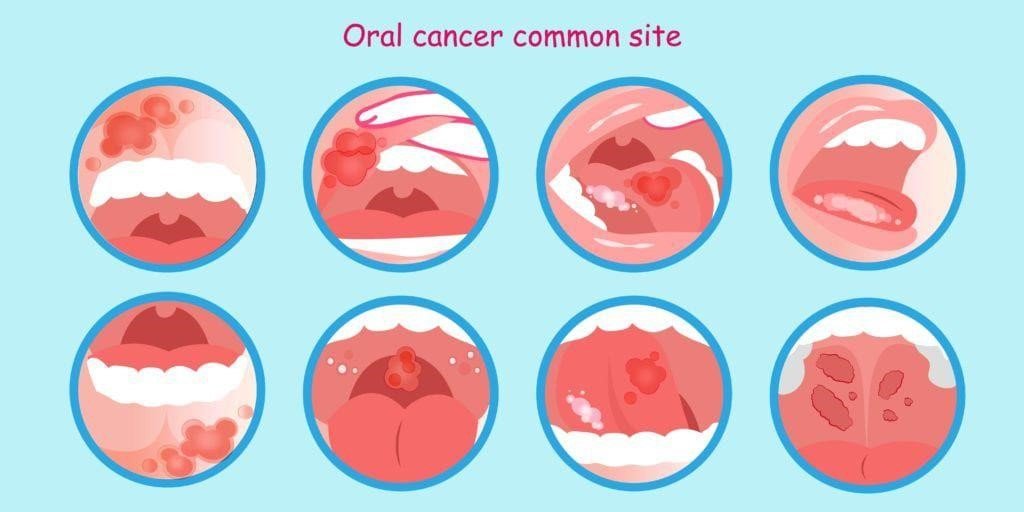
Another major cause of this issue has a family history. Often the cancerous cells remain in the dormant state and are passed down from one generation to the other. As a result, oral cancer is often associated with heredity.
If your face is exposed to the sun for a long time, it may cause lip cancers due to the sun's harmful ultraviolet radiation.
Human papillomavirus can cause squamous cell carcinoma, which is nothing but the initial stages of cancer.
Is there any risk factor for oral cancer? If yes, what are they?
Yes, there are several risk factors to oral cancers which you need to be aware of. This knowledge will help you understand the importance of keeping yourself healthy and reducing the chances of suffering from this disease.
Oral cancers can cause lumps or tumors to form inside your buccal cavity and the throat.
You won't be able to gulp things down, another risk factor for oral cancer.
Sometimes, oral cancers need to be removed through surgeries which can also lead to the removal of organs.

How can you prevent oral cancer?
It is essential to maintain proper oral health like brushing twice a day, using mouth cleaning solutions, etc.
Immediately ban yourself from smoking and drinking, two major causes of oral cancer.
Putting a stop to chewing the betel leaves since these leaves contain several carcinogenic compounds, resulting in oral cancers.
You have to stop exposing yourself to the sun and make sure that your lips and the inner portion of the mouth are well protected from harmful UV radiations. You can use sunscreen or cover your face with a cloth.
Ensure foods rich in antioxidants that will help fight the oxidative damages from free radicals.
Conclusion
Mouth cancer is a common issue that almost every 4 people out of 10 face. But with proper awareness and knowledge about the preventive measures, it will become possible to keep yourself safe. Apart from this, it's best not to ignore any oral problem as that might lead to cancers later. For more information about treatment of different types of Cancers, be sure to visit Medipulse hospital in Jodhpur, Rajasthan.

Can smoking cause cancer?
Whenever you go and buy a pack of cigarettes, the first thing you will notice is the big cautionary picture saying that "Smoking causes cancer". People are aware of this warning, yet they continue with this habit of
Whenever you go and buy a pack of cigarettes, the first thing you will notice is the big cautionary picture saying that "Smoking causes cancer". People are aware of this warning, yet they continue with this habit of smoking nicotine. Most think that with smoking, stress can be alleviated, headaches can be mitigated, and even drowsiness can be eradicated. But that's not the truth because smoking isn't helpful.
It harms the lungs and blocks the alveoli sacs (tiny bubbles through which air exchange occurs), but it also causes cancer in the respiratory system. The big question is how! We have discussed some facts concerning smoking and its relationship with cancer or any carcinogenic response in your body to answer this.
What types of chemicals are there in cigarettes?
Cigarettes are made from dried leaves of the tobacco plant, which contains nicotine as one of the major components. This particular substance immediately mixes with our blood and imparts a psychotic high, which results in the psychotic high. Apart from it, there are several other harmful substances like:
Hydrogen cyanide
Lead
Arsenic
Benzene
TSNAs or tobacco-specific nitrosamines
Polonium
PAHs or the polycyclic aromatic hydrocarbons

How can cigarettes cause cancer?
The harmful chemicals present in cigarettes interfere with the human body systems in two significant ways:
These chemicals interfere with the immunity system of the body. As a result, your body will lose its power to fight against carcinogenic elements, positive radicals, etc. You will become more prone to oxidative damage, which further results in cancer development.

Another effect that smoking has is the impairment of the DNA molecules. The chemicals present in the dried tobacco leaves affect the proteins in the molecules, which change the very essence of your being. As a result, your body is more vulnerable to carcinogenic effects.
Is it possible to prevent cancers caused due to cigarettes?
Yes, it’s possible to prevent the cancers caused due to the smoking of cigarettes by quitting this activity. For example, if you quit using nicotine, the chances of developing throat and mouth cancers will drop by almost 50% after a couple of years. Most people think that quitting cigarettes is almost similar to reducing the frequency of smoking to two to three pieces per day.

However, that’s not the truth because even when you reduce the frequency of smoking, your body will still receive all the harmful chemicals. Yes, the damage rate to the cells and DNA will decrease, but it will be there. Therefore, the best way out is to stop smoking completely.
Are cigars as harmful as cigarettes?
Yes, the cigars are harmful, just like the cigarettes, because these are also made from dried leaves of the tobacco plant. As a result, your body will be exposed to harmful chemicals having the same effect on your body as cigarettes. So, you should say a big no to both these substances if you want to alleviate the risks of suffering from cancer.
Is there any alternative to cigarette smoking?
Since smoking forms an addiction, quitting it at a go will lead to several problems. As a result, many people have resorted to some other form of alternatives that will help their body to ease the addiction and quit smoking. Below mentioned are some of the significant alternatives you can try out:
Vaping pens
Electronic cigarettes
Heated tobacco
or you can also visit Medipulse Hospital Jodhpur for consultation and help

Conclusion
Smoking might cause a momentary high, which can relax most smokers. But its health impacts are dangerous and life-threatening, so everyone should quit it at the earliest. Yes, the damage done can't be reversed, but the risks can easily be reduced to a nominal level.

What are the three most commonly reported cancer types in India?
Even though cancers are of different types, not all are common or can occur frequently. For example, cancer in the bone or skin cancer is very rare due to the climate and lifestyle differences, while blood
Even though cancers are of different types, not all are common or can occur frequently. For example, cancer in the bone or skin cancer is very rare due to the climate and lifestyle differences, while blood cancer is moderately common. This kind of scaling mainly depends on how many cases are reported per month or year in a particular area. Several other demographics are also considered, like age groups, habits, occupations, dwelling places, and more.
In India, amongst all prevalent cancers, the three most common types are breast cancer, oral cancer, and cervical cancer. To make you more aware of these further, we have discussed them in an elaborated manner in the following sections.
Breast cancer
Breast cancer is one of the most common carcinogenic issues that occur in maximum Indian women. It has been estimated that about 41% of the population suffers from this issue, which is why it's crucial to shed light on breast cancer and its relational aspects.

Causes
One of the main reasons for breast cancer is genetics or heredity. If someone in your family has a history of this health problem, then you will be at higher risk.
Sometimes, consumption of alcohol is also considered as a probable cause of breast cancer.
Late pregnancy or multiple miscarriages can be a cause, too, because due to incomplete fertility cycles.
Sometimes, breast milk can solidify and form chunks that, if not treated, can lead to breast cancers.
Symptoms
Sudden changes in the shape and appearance of the breast are often considered the major symptom of breast cancer.
When cancer develops in the mammary glands, it can cause sharp, shooting pain.
Sometimes, you can even feel the presence of a lump, either near the armpit or the nipple.

Treatments
Based on the breast cancer stage and spread, your doctor can opt for any of the four methods- radiotherapy, surgery, hormonal therapy, and chemotherapy.
Oral cancer
Another major cancer that one can usually find in most Indians is oral cancer. It can happen in any area of the buccal cavity like the lips, the epithelial lining of the mouth walls, cheeks, under the tongue, tonsil or saliva glands, and more. If the cancer is detected at early stages, then it becomes possible for the doctors to treat it and make the cancerous symptoms go away completely.

Causes
Smoking and alcohol consumption
Injuries and fissures due to dental structures
Consumption of dried nutmeg and betel leaves
Heredity and genetics
Exposure to the UV radiation
Symptoms
Sudden appearances of lesions and injuries on the inside of the mouth
Aches and pains in the throat
Change in the voice of the person
Treatments
For treating oral cancers, surgery, chemotherapy, radiotherapy, and several other types of approaches are initiated based on the stage.
Cervical cancer
Cervical cancer is one of the most common cancers in women of all ages. It mainly occurs in the cervix, a small pouch-shaped organ between the uterus and vagina.

Causes
Human Papillomavirus is the primary reason due to which most women suffer from cervical cancer.
A hyperactive sexual lifestyle can also lead to cervical cancer.
Heredity and genetics play a crucial role in maintaining the risk factors for cancer in the cervix.
Symptoms
Painful urination accompanied by traces of blood
Excessive pain in the pelvic and lower abdomen
Irregular menstrual cycle
Loss of appetite and weight reduction
Watery vaginal discharge most times
Treatments
The best way to treat cervical cancer is through surgical removal of the organ. However, a doctor can opt for chemo or radiation based on the cancer stage and its spread.
Conclusion
Cancers are almost like inevitable health problem that hits almost 80% of the total population of any country. In India, people suffer from this health issue due to the lack of awareness, improper medical system, and diagnosis of cancers at later stages. Apart from this, the increased consumption of smoking and alcohol, improper lifestyle, and other such factors increase the chances of developing cancers. Over the years, many cases have been reported concerning cancers across the country, especially from backward states, which is why awareness is very crucial. For more information about treatment of different types of Cancers, be sure to visit Medipulse hospital in Jodhpur, Rajasthan.

Lung cancer: takeaway to diagnosis & treatment
In India, lung cancer accounts for 6.9% of all new cancer cases and 9.3% cancer-related fatalities. It is the most frequent kind of cancer and the leading cause of cancer-related death. Similar to other forms of

In India, lung cancer accounts for 6.9% of all new cancer cases and 9.3% cancer-related fatalities. It is the most frequent kind of cancer and the leading cause of cancer-related death. Similar to other forms of cancer, lung cancer arises when the normal division of cell division and development mechanisms are interrupted, resulting in rapid, uncontrollable growth.
The cells become a tumor when they develop into a bulk, becoming "malignant," or cancerous, immediately invading the surrounding organs and tissues to the other regions of the body.
The primary cause of this malignancy is smoking. This cancer is more likely to occur in smokers and individuals exposed to secondhand smoking. On the other hand, this cancer can be treated with therapy, surgery, or medications.
Diagnosis of lung cancer
A lung biopsy is frequently used to confirm a diagnosis of lung cancer. The doctor inserts a thin, lighted tube into your nose or mouth and down your airways to the tumor, where he extracts a small tissue sample. This procedure is known as bronchoscopy, and it is frequently combined with endobronchial ultrasound (EBUS)-guided biopsies. This is beneficial for tumors located around the center of the lung.
However, your doctor might also suspect a lung cancer if any physical exam reveals:
Swollen lymph nodes above your collarbone
Weak breathing
Dullness when your chest is tapped Droopy eyelids
Weakness in one arm
Expanded veins in your arms, chest, or neck
Swelling of your face
A mass in your abdomen
Unequal pupils
Abnormal sounds in your lungs
Further, it should be noted that lung cancer is frequently evident on an X-ray after it starts to produce symptoms. A chest X-ray obtained for another reason may occasionally reveal lung cancer which has not yet started to highlight the symptoms.
For a more thorough examination, your doctor may arrange a chest CT scan. Once confirmed, your doctor might approach you with the following treatments for your lung cancer.
Treatments for lung cancer
1. Surgery:
The type of lung cancer you have, how far it has advanced, and your overall health, mainly the function of your lungs, all determine whether or not you should have surgery.
Many people with lung cancer, especially smokers, have underlying lung or heart problems, making surgery difficult. Previously, cancer that has spread to lymph nodes between the lungs was assumed to be incurable, but survival rates have improved by combining surgery and therapy.
2. Radiation:
Radiation therapy may be required to destroy any leftover cancer cells, although it is generally postponed for at least a month while the surgical site heals. In conjunction with chemotherapy, radiation treatment is used to treat non-small-cell lung tumors that cannot be cured surgically.
3. Chemotherapy & Combination therapy
Small-cell lung cancer is commonly treated with combination chemotherapy, which involves using more than one agent and radiation treatment due to its propensity for spreading broadly. Surgery is used on rare occasions, but only when the cancer is judged to be in its early stages. Further, it should be noted that this is unusual.
4. Other forms of lung cancer treatments
Researchers are always exploring new and improved ways to treat lung cancer, alleviate symptoms, and enhance the quality of life. New chemotherapy combinations, new types of radiation, and the use of medications that make cancer cells more susceptible to radiation are all being researched.
Now you know!
Listed above are some of the most prevalent methods that you can avail yourself of in case of lung cancer. One must remember that prevention is always better than cure! Therefore, ensure that you check on abusive, cancer-causing products for your life choices. You can visit Medipulse hospital in Jodhpur. Stay safe!

Yoga poses you need to beware of during pregnancy
Women go through many changes in their bodies and minds throughout pregnancy. This may be a time of immense delight and dread for the new life that is about to begin!

Women go through many changes in their bodies and minds throughout pregnancy. This may be a time of immense delight and dread for the new life that is about to begin!
When you’re carrying a growing child, your body isn’t the same. Your internal organs move and squish together to create room for your expanding uterus. Furthermore, the hormone mix coursing through your blood causes your body to feel and respond in ways you may not be used to.
This is where yoga can help women maintain their physical and emotional health throughout pregnancy. Yoga offers several advantages during pregnancy, including strengthening your pelvic muscles and preparing your body for delivery, but there are particular yoga postures you should avoid while pregnant.
Is It Safe To Practice Yoga In Pregnancy?

You can’t expect your body to go through all the problems and pain during pregnancy. However, you don’t have to give up your yoga practice entirely if you become pregnant if you already have one.
Many stances will be acceptable to continue, while others will need to be altered or eliminated. Therefore, here are some yoga poses to avoid during pregnancy.
a. Abdominal Work
Poses that press the abdomen tend to produce needless compression and increase your blood flow. In addition, such poses can worsen mechanical stresses on the body and lead to diseases like diastasis recti when the abdominal muscles split during pregnancy.
Some of these poses include:
Crow pose
Bicycles
Planks
Crunches
b. Twisting & Stretching
Twists aren't totally forbidden during pregnancy, contrary to popular belief. With your doctor's consent, open twists in the third trimester are usually OK and will most likely feel amazing.
Twisting should be performed from the shoulders rather than the abdomen. Continue to keep your entire baby bump open, not folding or bending in any way.
Some poses to avoid include:
Moon pose
Spinal twist
Boat pose
Tree pose
c. Jumping or Fast Flowing
Too much jumping and rapid postures during your first trimester may make you queasy. As a result, yoga positions that require a lot of hopping and movement should be avoided. Instead, restorative and grounding postures are helpful since they aid in fetal growth and the prevention of numerous issues.
Poses to avoid:
Any yoga movement which includes rapid movement or posturing
d. Lying Back
During pregnancy, lying on your back might make you feel sick, cause lower back discomfort, raise your blood pressure, and give you heartburn. Aside from that, resting on your back for lengthy periods might injure the vena cava, which can lead to various issues. The vena cava is a vein that returns deoxygenated blood from the lower body to the heart.
Poses to avoid:
Corpse Pose
Lying Down Body Twist
Boat Pose
Plough Pose
e. Heated Yoga
Some yoga positions are claimed to boost body temperature. As a result, it’s critical to understand how each yoga practice impacts our body. In addition, poses that increase body heat should be avoided throughout all three trimesters since they might dehydrate a pregnant woman.
Poses to avoid:
Kapalbhati (Breath of Fire Pose)
Headstand
Warrior Pose
Bikram Pose
f. Belly Down
Your internal organs are squeezed while your baby develops within your stomach. Therefore, any additional strain on your abdomen region might be hazardous to you and your developing baby. As a result, avoid any positions that require you to bend down or lie on your stomach.
Poses to avoid:
Swan Pose
Cobra Pose
Seated Forward Bend
Bow Pose
Now You Know!
While doing yoga is great in general, it is suggested that you seek out the assistance of a prenatal yoga professional to help you better. For this you can consult a gynecologist. Or for more details you can vist Medipulse hospital website. Having said that, we hope you’ll make out the most of your yoga sessions with your child. All the best!

What is prenatal yoga & why you should get started with it early in your pregnancy
It is hard to involve yourself in much physical activity when you are pregnant. If you are a fan of workouts, it will become increasingly harder for you to hit the gym as you progress through your pregnancy. Your

It is hard to involve yourself in much physical activity when you are pregnant. If you are a fan of workouts, it will become increasingly harder for you to hit the gym as you progress through your pregnancy. Your doctors might even advise you against going to the gym and lifting heavy weights when you are pregnant, so how do you keep yourself and your baby fit during pregnancy? Well, the answer is prenatal yoga.
Prenatal yoga is not an alternative to working out, to be honest. The purpose of prenatal yoga is to prepare your body for labour to ensure that you can go through natural birth without any complications and the stretching and “asanas” help you become more relaxed and flexible for your labour. Prenatal yoga mainly focuses on breathing and simple postures that will help you relax your body while also preparing your body for labour. So, now that you know of the basics, let’s learn more about prenatal yoga and its benefits for you.
Benefits of prenatal yoga
Improves your body’s blood flow
Exercising is a great way to ensure proper blood flow in your body, especially the flow of oxygenated blood from your heart to the different parts of your body. When you are pregnant, since exercising is difficult, engaging in prenatal yoga can also provide similar results as the “asanas”, and stretching improves your blood flow and provides more oxygenated blood to your baby for healthy growth.
Reduces anxiety and symptoms of depression
Yoga is not only exercise; it also involves structured breathing in a pattern that helps you alleviate stress and reduce anxiety and symptoms of depression. It has been medically proven that breathing in a slow and steady pattern can help you activate your nervous system and block cortisol which in large amounts is credited to causing symptoms of depression. Prenatal yoga can help you improve your mood and also your fitness level making it a great activity for you to try during your pregnancy.
Prepares your body for labour
Labour or delivery pain is one of the worst pain that human beings go through. This is perhaps the scariest thought that pregnant women go through, especially when it is their first time. Starting prenatal yoga early in your pregnancy can help you learn how to meditate and control your breathing, both of which can have positive effects during your labour and can help you reduce your labour pain. It also helps you be less anxious during your labour, which can easily help you go through your delivery.
When should you start prenatal yoga?
There are no hard and fast rules on when you should start prenatal yoga, but it is a good rule of thumb for starting yoga in the second trimester. This is done to keep you safe from any possibility of miscarriages, as they are most common in the first trimester. Yoga has no relation to miscarriages, and it has not been proven to be dangerous for your or your baby’s health in any way. Still, just to keep you on the safe side, experts usually recommend pregnant women to start prenatal yoga from right around 14 weeks of their pregnancy which relates to the second trimester of their pregnancy.
Final thoughts
Yoga as an activity combines the benefits of exercise and meditation and helps you achieve physical and mental fitness. When you are pregnant and your body is going through many changes, practicing yoga regularly can help you stay on top of your health and keep yourself and your baby in optimum health. If you are interested in learning and exploring more about prenatal yoga, you can visit Medipulse hospital in Jodhpur, Rajasthan, or visit the official hospital website.

Can you get treatment for mouth cancer under the chiranjeevi scheme?
Mouth cancer is a severe disease that affects thousands of people in India every year. Mostly, this cancer affects people that regularly intake nicotine and tobacco products. It is estimated that on average, every

Mouth cancer is a severe disease that affects thousands of people in India every year. Mostly, this cancer affects people that regularly intake nicotine and tobacco products. It is estimated that on average, every hour, 5 people in India die from mouth cancer, and around 20 in every 10,00,000 in the population of India suffer from the disease.
The shocking prevalence of this disease in India caught the attention of the government, and when in 2021, the Rajasthan state government, under the leadership of Mr. Ashok Gehlot, introduced the Chiranjeevi scheme, which is a state-provided public health insurance scheme, treatment for mouth cancer was covered under the program. For patients suffering from mouth/oral cancer, there are only a few treatment options under this condition, most of which are covered under the Chiranjeevi scheme. Let’s look at the types of treatments available for mouth cancer and how you can avail them under the Chiranjeevi scheme.
Types of Treatments Available For Mouth Cancer
One of the key parts of cancer treatment is diagnosing cancer in its early stages. Getting proper cancer screening regularly is essential, especially if you use tobacco products or if you are a smoker. Once you go through cancer screenings and you get diagnosed, there are a few treatment options that can be used for treating your condition. Here are some of the treatment options used for treating mouth cancer.
Chemotherapy
Chemotherapy is a type of medicinal treatment for cancer that uses very strong chemicals to kill the cancer cells inside your body. Chemotherapy is one of the most common cancer treatments in India for oral/mouth cancer. Chemotherapy treatment is often used in combination with radiation therapy to treat cancer. This type of treatment is very effective in the early stages of cancer. In the case of advanced cancer stages, this treatment loses effectiveness up to a certain extent.
Radiation Therapy
Radiation therapy uses types of x-ray radiation to kill the malignant cancer cells inside your body. Radiation therapy is really good for treating mouth cancer, and it is used in conjunction with chemotherapy generally for treating cancer. Radiation therapy is also very effective if you are affected by cancer in the early stages. In the advanced stages, radiation therapy also loses efficacy as a treatment for mouth cancer.
Oncosurgery
Oncosurgery is a type of surgical procedure where the cancer-affected part of your body is surgically removed along with some of the healthy parts as well. This is done to protect your body from getting affected by cancer again. Oncosurgery is an aggressive surgical procedure used as a final treatment option for mouth cancer. Oncosurgery is generally used for patients suffering from advanced stages of cancer. Oncosurgery has side effects that hinder the patient’s ability to speak or chew food later because a major part of the mouth and cancer-affected regions are removed surgically.
Final Thoughts
Under the Chiranjeevi scheme by the Rajasthan state government, all the treatment options mentioned in this article are offered to beneficiaries under the limit of ₹5,00,000 per year for a family. Now that you understand the seriousness of mouth cancer, make sure that you go for regular cancer screenings when you reach above a certain age.
If you are a beneficiary of the Chiranjeevi scheme and suffer from mouth cancer, be sure to visit Medipulse hospital, the best tertiary care hospital in Jodhpur. You will get the best quality treatment for any cancer condition at Medipulse under the guidance of very qualified doctors and medical professionals. For more information, be sure to visit the hospital website.

Five alarming reasons you should immediately visit your gynecologist & what to expect
As a woman, your menstrual health is crucial for your overall well-being. Any problems in your menstrual cycle and fitness can lead to many complications with your reproductive system and even hamper your

As a woman, your menstrual health is crucial for your overall well-being. Any problems in your menstrual cycle and fitness can lead to many complications with your reproductive system and even hamper your ability to have a child. So, for you to stay on top of your health, it is crucial for you to visit the gynecologist regularly.
But, in reality, most women don’t have the time for regular gynecologist visits. The consensus agrees on the point “if it’s not broken, don’t fix it.” Even though it is the best practice, due to lack of time and interest in going to the doctor, women sometimes ignore severe symptoms as well.
While some symptoms may be normal and not concerning, there are some symptoms that you should be worried about and get checked if they persist. Here are five gynecological symptoms that you should not ignore if they persist.
5 Symptoms For Which You Should Visit Your Ob-Gyn Immediately
Irregular Menstrual Cycle for Many Months in a Row
Your menstrual cycle is unique to you; even if it matches up with other women, the time it takes for your body to go through one cycle depends on your own cycle calculations. Sometimes, your period can be late due to various reasons, if you are a sexually active woman, the fear of pregnancy looms large, and the resulting stress can cause your periods to delay even further.
An irregular menstrual cycle, even though not the best for your health, is still quite normal and only concerning if it persists for months on end. You should go for an Ob-Gyn checkup, especially if your period irregularity is very extreme, meaning the period cycles are either very short or very long.
Persistent Severe Cramps
Cramps both pre and post-menstruation are quite normal for women. There are no right amount of cramps for anyone. For some, the cramps are very mild, if any, and for others, it is normal to experience excruciating cramps. So, if you are experiencing more cramps than your usual experience, persistent for more than a month at different times, either pre or post-menstruation or both, you should surely go for an Ob-Gyn checkup.
Abnormal Vaginal Discharge
Vaginal discharge is something women get worried about, but it is quite normal and is caused naturally. As a self-cleansing organ, the discharge is expelled as the vagina cleans itself and protects itself against any form of bacteria and infections. Vaginal discharge can come in different amounts and colors. If you notice that you are suddenly experiencing a lot more discharge, or if the color, smell, or consistency of your vaginal discharge has changed drastically, you should go for an Ob-Gyn checkup.
Painful Intercourse
Your sex life or sexual experiences are closely linked with your menstrual and gynecological health. If you are experiencing a lot of pain and discomfort during sexual intercourse, it can be linked with underlying gynecological problems. If you find it is creating problems in your sex life and overall life experience, you should go for an Ob-Gyn checkup. They can confirm if you are suffering from any condition or suggest ways to reduce the pain during intercourse.
Skipping Your Periods
Skipping your periods can be a major problem for your menstrual health if you are skipping periods constantly and multiple times a year. You should definitely go for an Ob-Gyn checkup in this case, as there are no reasons it can be good for your menstrual health. In the worst-case scenario skipping periods can lead to infertility and inability to have children, or it could very well be that you are currently pregnant, which is causing you to skip your periods. Either way, a checkup is absolutely necessary.
Final Thoughts
Being in touch and ahead of your menstrual health can help you lead a healthy and fulfilling life. In your busy schedule, make sure that you take some time to monitor your health and especially your menstrual health, as it links closely to your reproductive health overall. If you are currently experiencing any of the symptoms discussed in this article, you should visit Medipulse hospital, the best tertiary care hospital in Jodhpur, for the best gynecological treatment options.

Treatment of head and neck cancer in India
Cancer is a major global public health disease that plagues a huge part of the world’s population. In India, head and neck cancer is the most common type of cancer that affects the population. Millions of people in

Cancer is a major global public health disease that plagues a huge part of the world’s population. In India, head and neck cancer is the most common type of cancer that affects the population. Millions of people in India suffer from this disease, and many of the patients succumb to cancer due to the severity of the disease. On average, it is expected that India is responsible for 71% of the mortality rate of head and neck cancer in South-East Asia.
The treatment for cancer varies from state to state in India. There are other factors such as infrastructure and treatment protocols as well when it comes to cancer treatment in India. To improve cancer treatment, the Indian Council of Medical Research(ICMR) formulated the National Cancer Control Program in 1975-1976, which gives strength to control cancer in India.
Treatment of head and neck cancer has changed remarkably with the help of multi initiative ideas. There is plenty of data regarding treatment protocol, delivery, and the outcome of head and neck cancer treatment in India. Let’s look at the details of head and neck cancer and its treatment process in India.
Head and Neck Cancer and its Symptoms
Head and Neck cancer refers to a group of similar type of cancers that affects the head and neck region. It includes the oral cavity in places like lips, tongue, gum, salivary glands, voice box, tonsils, sinuses, throat, ear, lymph nodes in the neck, nasal cavity. This type of cancer is very common for men and people over the age of 50.
Head and neck cancer is first detected in the squamous cells that line the moist, mucosal surfaces inside the head and neck. Some common symptoms are :
A white patch on the tongue, gums, or lining of the mouth
A non-healing sore in the mouth or tongue, or lip
Loose teeth
Feeling something stuck in the throat
Change in voice
How can Head and Neck Cancer be diagnosed?
If you observe any type of symptoms that seems suspicious, firstly consult with your family physician. A doctor can recommend which test you should do for your health. Here is a list of tests that are used by doctors to screen any cancerous formations in your body.
Endoscopy - A thin and lighted tube named endoscope is used to examine any particular area of the body.
Biopsy - It uses to remove tissues. Biopsy confirms whether the person has cancer or not.
CT Scan - CT Scan captures detailed pictures of areas inside the head and neck. It links to an X-ray machine by a computer.
X-rays - X-ray films inside head and neck.
Laboratory - In laboratory tests are held with the sample of blood, urine, or other substances from the body.
MRI - Magnetic resonance imaging creates a detailed picture inside the head and neck by using a powerful magnet.
PET Scan - This scan is done with sugar that is specifically modified. If cancer cells are present in the area, it absorbs and leaves a dark spot in the scan report.
Treatment of Head and Neck Cancer In India
Chemotherapy
Anti-cancer drugs are used in chemotherapy to destroy cancer cells. The drugs are usually applied to the veins. Drugs then dissolve in the blood and reach the cancer cells, and kill them. Chemotherapy is given with a combination of radiation therapy for head or neck cancer patients. As per the report, chemotherapy is proven more effective than radiation therapy to treat head and neck cancer.
Surgery
Surgeons may remove cancer-affected tissues and some of the healthy tissue around them. For early-stage tumours, surgeons use laser technology. Lymph nodes in the neck can also be removed by surgery if they cause cancer to spread. Surgery on the head and neck may change the patient’s ability to talk, chew and swallow.
Radiation Therapy
Radiation therapy itself or in combination with chemotherapy has been used to cure many patients with head and neck cancer. This therapy is done with high-energy x-rays to kill the cancer cells in your head and neck region.
Conclusion
The treatment for head and neck cancer is absolutely necessary mainly because it has a high mortality rate. If you are diagnosed in the early stages with chemo and radiation therapy, you can beat cancer. The crucial thing for you to do is to find the appropriate medical care provider that can help you get through cancer successfully. For the best head and neck cancer treatment in Jodhpur, be sure to visit Medipulse hospital.

How the intensive care unit works as a saviour of million of lives
People who get admitted to the Intensive Care Unit (ICU) are critically ill and need intense specialized care. ICUs are designed to provide ventilation, high-tech treatments, medications to support blood pressure,

People who get admitted to the Intensive Care Unit (ICU) are critically ill and need intense specialized care. ICUs are designed to provide ventilation, high-tech treatments, medications to support blood pressure, and close monitoring from doctors and nurses in order to help the patient survive. Since its inception in India in the 1970s, the ICU has become an integral part of the hospital health system.
An ICU is an organized system for providing an enhanced capacity for monitoring critically ill patients and multiple modalities of physiological organ support to sustain life during a period of life-threatening organ system insufficiency/failure. So, now that you know what an ICU is let’s understand the functions of this hospital department and how it saves lives.
Under Which Conditions Are Patients Referred To The ICU?
The intensive care unit of a hospital provides emergency support and immediate care for sudden and critical health problems of the patients who need it. Patients affected by accidents with serious injuries, trauma, serious infections, and patients who undergo invasive surgery or people having difficulty breathing may be referred to the ICU.
Here are some of the common conditions that are treated in the ICU:
● Organ failure
● Chest pain with difficulty breathing
● Heart attack
● Sudden internal pain in the body
● Asthma
● Drug-resistant infections
● Premature birth
● Pneumonia
● Serious accidents include car accidents, burns, falls, or industrial accidents.
Who Are The Members Of An Intensive Care Team?
Highly trained professionals provide intensive care. They are specially trained to look after critically ill patients in emergency cases. All team members may be asked to teach patients and their families various strategies to improve health and well-being specific to their area of expertise. The strength of the team includes:
Intensivists
Critical care Nurses
Clinical Pharmacologist
Dietician
Patient-care Co-ordinator
Physiotherapist
ICU Technicians
Types Of Equipment Used In ICUs
For intensive care, hospitals arrange for various machines and tools to prepare for any critical condition. From measuring blood to specialized devices to monitor patients and help treat the patient. There are various types of equipment like Ventilator, ET tube, NIV, HFNC, Cardiac Monitor, and many more. Some of them are discussed below.
High-flow Nasal Cannula
A high flow nasal cannula is used for delivering a high concentration of oxygen to the patients. This therapy is an oxygen supply system that can deliver up to 100% humidified and heated oxygen at a flow rate of up to 60 liters per minute. The oxygen is routed through a humidifier to ensure it is moist and does not dry the airways.
Non-Invasive Ventilation(NIV)
Non-Invasive ventilation is used for breathing support administered through a facial mask, nasal mask, or a helmet. Oxygen-added air is given through the mask with a specified pressure. The mask is secured tightly with the patient to ensure proper functioning. NIV is only for conscious patients to take breadth comfortably. Although sometimes NIV is used to try and prevent ventilation, sometimes it might be needed for a patient who just comes off the ventilator.
Ventilator
A ventilator is a machine mainly used in ICUs. This machine passes breathable air into and out of the lungs to make breadth easy for a patient who has difficulty breathing. It has different settings to meet the needs of a patient. The nurse at the bedside adjusts its settings according to the patient’s condition and requirement.
Conclusion
The ICU of a hospital is where only the most critical patients go, and thanks to modern medical science and the extreme hard work of medical professionals, a significant part of the people administered in the ICU come back to health. If you or your loved ones are currently suffering from any critical illness and you need a trustable and quality hospital that is able to provide the quality healthcare your family member deserves, be sure to visit Medipulse hospital in Jodhpur for the best ICU medical care.

The efficacy of supplement in pregnancy: what’s safe and what’s not
Expectant mothers often focus on their diet to improve their health during the pregnancy period. Maternal diet for the health of the fetus is very important for any pregnant woman. The nutrition of the baby depends

Expectant mothers often focus on their diet to improve their health during the pregnancy period. Maternal diet for the health of the fetus is very important for any pregnant woman. The nutrition of the baby depends on the maternal diet that is taken while pregnant. Deficiencies in critical nutrients can lead to malformations and poor health outcomes for both the mother and her baby.
You must know about the fact that high mercury seafood, alcohol, and cigarettes are off-limits during pregnancy. These facts can lead you to feel overwhelmed and confused about your circumstances. To help you stay on top of your health, supplements play a vital role. There is substantial evidence on the role of nutritional supplements to reduce risks and improve maternal and fetal outcomes.
Consuming nutritional supplements are very common in pregnancy. There are many products available in the market. Getting the right nutrients is very important in every stage of life, but it is even more crucial during pregnancy. Information about supplements that are safe and which aren’t can help you to nourish yourself and your baby. Let’s learn more about nutritional supplements that you can take during pregnancy to keep yourself and your baby healthy.
Essential Vitamins And Minerals That Can Be Taken During Pregnancy That You Should Know
Good nutrients are vital during pregnancy for the healthy growth and development of your baby. Supplements are made for pregnant women to nourish their bodies with proper nutrients and minerals. They are called prenatal vitamins. Your doctor may suggest these vitamins during pregnancy. Some of the commonly prescribed prenatal vitamins are:
Vitamin B12 and Vitamin D help build the nervous system and develop the skeleton of the baby.
Folate to prevent neural tube effects. Neural tube effects refer to congenital disabilities that affect a baby’s brain and spinal cord. It develops early before women know about their pregnancy.
Iodine for brain and nervous system development.
Iron to prevent low birth weight for babies and anaemia for mothers.
Calcium to prevent the loss of bone density as babies use calcium from their mother for their own bone growth during the pregnancy period.
Other nutrients like Omega-3 fatty acids chlorine are also essential to reduce the risk of a premature baby.
Are Dietary Supplements Safe During Pregnancy?
Dietary supplements are complementary medicines containing nutrients that may fill a deficiency in your diet, such as a multivitamin, fish oil capsules, and single minerals. It is recommended that women should not take any dietary or herbal supplements during pregnancy. Pregnant women should use supplements with caution, knowing all possible risks of taking these supplements before getting pregnant as it is not recommended.
Is It Safe To Take Nutritional Supplements During Pregnancy?
There is much conflicting information in the public domain about the safety or efficacy of nutritional supplements during pregnancy. Some supplements can affect your body according to your health condition. For example, iodine is critical for healthy thyroid function during pregnancy. It can also cause miscarriage, deafness and severe mental disabilities in extreme cases.
Gynaecologists advise women to take prenatal vitamins and supplements to prevent development abnormalities at birth and fill nutritional gaps to nourish mother and baby. Before taking any supplement, you are always recommended to consult with your doctor.
Conclusion
Every woman is conscious about her and her growing baby’s health. If you are pregnant or planning, you need to be careful about taking any kind of supplements. It’s always best for you to check with your doctor before making any decision. If you are in Rajasthan, you can visit Medipulse hospital to get the best and most updated information regarding prenatal vitamins that you should take when pregnant. You can also learn about the risks of taking dietary supplements during pregnancy.