

Honey Mathur Honey Mathur

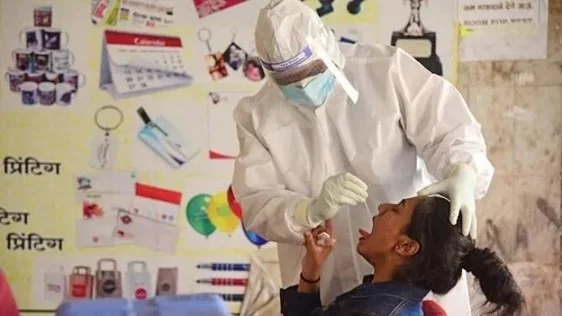
COVID-19 RT-PCR test @ Medipulse

COVID-19 is still at large even though the number of active cases has been reducing over the last few months. COVID vaccinations are also being completed all over the country, but this pandemic is far from over still.

COVID-19 RT-PCR test

COVID-19 is still at large even though the number of active cases has been reducing over the last few months. COVID vaccinations are also being completed all over the country, but this pandemic is far from over still. Precautionary measures such as social distancing and wearing a mask are still required to ensure that COVID-19 can be overcome in the coming days.

Even when the world is slowly returning to normalcy and governmental lockdowns and restrictions are being eased upon, people are still suffering from the disease. On any given day, you would still find tens and thousands of people being affected by COVID regularly. Some of these people are being affected by the disease for a second time or even a third time after beating it. This is the reason that RT-PCR testing should most definitely still be practiced at the earliest after noticing the telltale symptoms of COVID-19. Let’s take a refresher on the most common and important symptoms of COVID-19 and then take a look at RT-PCR tests and why they are the best at detecting COVID-19 in your body.

Telltale symptoms of COVID-19

  • Fever

  • Dry cough

  • Tiredness

  • Sore throat

  • Loss of taste and smell

These symptoms are some of the most common symptoms of COVID-19, and if you are suffering from these symptoms for an extended period of time, you must get an RT-PCR test to check yourself for COVID-19. Now that you have a refresher on the most common symptoms of COVID, here are some of the reasons you must go for RT-PCR tests over any other type of COVID test.

Why should you take RT-PCR tests for checking COVID-19?

The RT-PCR tests are currently the most accurate tests for detecting the COVID-19 virus in patients that are available in the market. Other types of over the counter self-testing kits have been released, but their accuracy can not be matched with RT-PCR tests. The possibility of a false negative is greater when it comes to self-testing kits in comparison to laboratory test results. It is crucial for you to know that testing only when you show symptoms is not a healthy way to deal with COVID-19. You can contract the disease from other patients and remain asymptomatic. This is why you should take the RT-PCR test even when anyone who you came in contact with tests positive for COVID-19.

RT-PCR Testing at Medipulse Hospital

Medipulse hospital is the best private hospital in Jodhpur. They are a tertiary care hospital that has been at the forefront of fighting COVID since its inception in Rajasthan. Medipulse hospital is your best option for RT-PCR testing as the hospital is experienced, quick and accurate in providing test results. They also offer hospital admissions for COVID-19 patients as well as COVID vaccinations to protect people from the disease.


MediPulse hospital also offers very cost-effective RT-PCR testing facilities with fast and accurate results. You can contact the hospital for more information regarding the test pricing and timing. You can find more information on the hospital’s website here.

Read More
Cancer, Oncology Honey Mathur Cancer, Oncology Honey Mathur

Chemotherapy in Rajasthan

Cancer is one of the most serious diseases that affect people in the world right now. Statistically, it has been seen that 1 in every 9 people in India lives with cancer risk and the probability of being affected by cancer at some point during their life.

Cancer is one of the most serious diseases that affect people in the world right now. Statistically, it has been seen that 1 in every 9 people in India lives with cancer risk and the probability of being affected by cancer at some point during their life. On average, around 4,40,000 people die from cancer in India every year. This number is projected to grow exponentially over the coming years.

Chemotherapy is one of the treatment options for cancer, and it is highly effective as well. Chemotherapy is one of the direct treatment plans for cancer. Chemotherapy is used to kill the cancer cells in your body, especially when the cancer is inside your body. Chemotherapy is one of the primary treatment options in certain cases of cancer. Let's take a closer look into what chemotherapy is and what its utility in treating cancer in today's world of medical science.

What is Chemotherapy?

Chemotherapy is a medicinal treatment for cancer. Chemotherapy is administered with the intent to kill the cancer cells inside the body in the earlier stages of cancer. In later stages, chemotherapy is used to reduce the symptoms faced by the patient and to extend the lifespan of the patient. Chemotherapy is an extensive treatment plan that involves multiple chemotherapy sessions for an extended period of time to either completely kill and remove the cancer cells or to at least prolong the lifespan of the patient suffering by reducing the symptoms. Chemotherapy has its own side effects such as hair loss, sickness, tiredness, infections. Some of these symptoms, such as infections, are rare, but hair loss is one of the most common side effects of chemotherapy.

How is Chemotherapy Performed?

As chemotherapy is a medication treatment, it can be performed in a number of ways. The effectiveness does not vary in the way the medication is administered. One of the most common ways to administer chemotherapy is by putting in a needle through the patient's vein and injecting the medicine directly into their bloodstream. Other than that, chemotherapy is also done through pills and other types of oral medications such as liquids. It can also be done by applying it directly on your skin as a cream.

Is Chemotherapy Painful?

This is one of the most common questions that patients ask when talking about chemotherapy. No, chemotherapy is not painful. If you are experiencing any pain, you should talk to the nurse and inform them about the area and severity of your pain immediately. In certain cases, when the chemo leaks or seeps into adjoining tissues, it can cause pain, but this is a rare occurrence.

Conclusion

Chemotherapy is one of the beaming hopes against cancer. Thousands of people in India survive cancer each year solely based on chemotherapy. If you or your loved ones are suffering from cancer, do not delay the treatment. For the most affordable and best quality chemotherapy treatment, be sure to contact MediPulse hospital in Jodhpur. MediPulse hospital is the best private hospital in Jodhpur, where you can find the best medical care and affordable treatment plans for cancer.

Read More
Cancer, Oncology Honey Mathur Cancer, Oncology Honey Mathur

Chemotherapy For Breast Cancer

Breast Cancer is one of the most common forms of cancer that affects thousands of women in India every year. Breast cancer is now the leading cancer that causes the most amount of cancer deaths in India.

Chemotherapy For Breast Cancer

Breast Cancer is one of the most common forms of cancer that affects thousands of women in India every year. Breast cancer is now the leading cancer that causes the most amount of cancer deaths in India. With a mortality rate going as high as 25.8 per 100,000 women in India, breast cancer still continues to have a low survival rate. In 2018, more than 162,000 people were affected by breast cancer, representing 27.7% of all female patients suffering from cancer in India.

Chemotherapy is one of the leading treatment options for breast cancer. Chemotherapy is administered to kill the cancer cells that are in your body. Chemotherapy is administered intravenously or through oral medications. Several chemo sessions are required before the cancer cells are completely removed from the body. Chemotherapy treatment has its own side effects as it causes a lot of hair loss. Now that you know about what chemotherapy is and how it is relevant to the treatment of breast cancer. Let’s take a closer look at when during the treatment of breast cancer, is chemotherapy used?

When is chemotherapy used in the treatment of breast cancer?

Chemotherapy is one of the treatment options for breast cancer and not the only treatment option. The use of chemotherapy is subjective depending on the condition of the patient and the case that they present. Here are some of the common conditions where chemotherapy is used in the treatment of breast cancer.

  • After Surgery

    In most cases, breast cancer requires surgery where the cancerous cells are surgically removed from the body to stop the further spread of cancer to other parts of your body. Surgery often can not remove the entirety of all the cancer cells in the breast. Chemotherapy is then used after the surgery to kill the remaining cancer cells in your body. Oftentimes even after surgery, some parts of the cancer cells remain inside the body undetectable in imaging tests in different parts of the body. To be certain that the patient is completely free from cancer, chemotherapy is suggested sometimes after the surgery.

  • Before Surgery

    Chemotherapy is not generally used before the surgery, but in cases where the tumor is too big to be operated on, chemotherapy is used to reduce the size of the tumor so that it can be removed with less invasive surgery. Chemotherapy also gives doctors an idea of how the tumor reacts to the drug and helps them make changes in the treatment plan accordingly. One of the best parts about chemotherapy is that it does not only affect any specific part of the body. Chemotherapy kills any cancer cell that is present inside the body that may or may not be traceable in imaging tests.

Conclusion

Chemotherapy is one of the best and most important lines of treatment when it comes to cancer. Even though surgery is quite inevitable in cases of breast cancer, chemotherapy is still an important treatment option for breast cancer. A huge part of the treatment for breast cancer comes down to the experience and expertise of the doctor and hospital staff that are treating you. So, for the best chemotherapy treatment for patients suffering from breast cancer, be sure to visit MediPulse hospital, which is the best private hospital in Jodhpur. With years of experience treating cancer patients from all around the country, MediPulse is the perfect choice for breast cancer treatment in India.

Read More
Blood Center Honey Mathur Blood Center Honey Mathur

Blood Types Explained - A, B, AB, and O

Blood is the most important fluid present inside your body. It is mainly created from red blood cells, white blood cells, platelets, and plasma. The small differences in the blood of each person by the absence or presence of certain antigens in the composition of blood leads to the blood types.

Blood is the most important fluid present inside your body. It is mainly created from red blood cells, white blood cells, platelets, and plasma. The small differences in the blood of each person by the absence or presence of certain antigens in the composition of blood leads to the blood types. Let’s look at what the different blood types are and how they are different from each other.

What is the significance of different blood types?

Different blood types have different antigens, either present or absent in them. In cases of blood transfusion, if the new blood that is introduced to the body is not compatible with the type of blood the patient has, it will cause a reaction in the immune system of your body and cause the immune system to attack the transfused blood and treat it as a foreign object.

What Are The Different Blood Types?

  • A Type

Description: A type or group of blood has A antigen in the red blood cells and B antibodies in the plasma.

Blood Transfusion: A person with A-type blood can only receive blood from the O group, which is known as the Universal donor group of blood, and other A-type blood group individuals.

Blood Donation: In terms of donating blood, A type of blood group can donate blood to a person with the same A type of blood group or to individuals that have the AB type of blood group, which is known as the Universal recipient.

  • B Type

Description: B-type blood has B antigen in the red blood cells and A antibodies in the plasma of the blood.

Blood Transfusion: A patient with B type of blood can receive blood from other individuals with B type of blood or from individuals with O type of blood as the O type of blood is known as the Universal Donor type of blood.

Blood Donation: A person with B type of blood can donate blood to patients with B type of blood or to patients with AB type of blood. AB-type of blood is known as the Universal Recipient blood group.

  • AB Type

Description: AB-type blood has both the A and B antigens in the red blood cells, but this blood group does not have any antibodies in its plasma.

Blood Transfusion: A patient with the AB type of blood can receive blood from people of all blood groups. The AB type of blood is known as the Universal Recipient, which means they can receive blood from any other blood group without any complications.

Blood Donations: In terms of blood donations, individuals that have AB type of blood cannot donate blood to other groups. They can only donate blood for other AB-type patients.

  • O Type

Description: O type of blood does not have any antigens in the red blood cells. However, the O group of blood has both the A and B antibodies in the plasma of the blood.

Blood Transfusion: A patient that has O type of blood can only receive blood from other individuals that have O type of blood. This makes O type of blood quite rare in cases of blood transfusions.

Blood Donations: A patient with O type of blood can donate blood of patients of every blood group. This is because the O blood group is known as the Universal Donor group, meaning that their blood can be transfused to a person with any blood group, and it would not lead to any medical problems.

Conclusion

It is important for you to know your blood group as it can save your life in case of any medical emergency or accident. You can easily get diagnostic tests that will help you learn about your blood group.

Read More
Insurance Honey Mathur Insurance Honey Mathur

What’s Covered Under Chiranjeevi Health Insurance

In the budget session of 2021-22, the Chief Minister of Rajasthan, Mr Ashok Gehlot, announced the state’s health insurance scheme that aims to provide universal health insurance to all citizens of Rajasthan up to 5 lakh rupees.

In the budget session of 2021-22, the Chief Minister of Rajasthan, Mr Ashok Gehlot, announced the state’s health insurance scheme that aims to provide universal health insurance to all citizens of Rajasthan up to 5 lakh rupees. The Chiranjeevi health insurance scheme is the first universal health scheme provided by any state government in India. This scheme aims to provide cashless medical insurance facilities to all citizens of the state up to 5 lakh rupees. Now that you are clear on the Chiranjeevi health insurance and its features let’s take a closer look into what illnesses and medical problems are covered under the Chiranjeevi health insurance.

Coverage Details For Chiranjeevi Health Insurance

The Chiranjeevi health scheme of Rajasthan is a one of a kind scheme that will undoubtedly help the 82.4 million population of Rajasthan. This scheme covers many illnesses and diagnostic tests. A total of 1576 medical tests are covered under the scheme. Diseases such as black fungus and COVID-19 are also brought under the scheme.

Any person enlisted for the scheme can avail care for various chronic and non-chronic diseases coverage up to 5 lakh rupees at the registered hospitals under the scheme at Rajasthan. The hospitals can not charge any money from the patient if they are enrolled on the Chiranjeevi scheme. For people under the poverty line in Rajasthan, the Chiranjeevi scheme offers them hemodialysis services under the scheme as well.

The Chiranjeevi scheme also covers any medical cost, including the cost for medical tests up to 15 days after the patient is discharged from the hospital under its cashless facilities. This means that a patient does not have to pay for the post-discharge medical tests and other patient care services up to 2 weeks after their discharge as well. However, it is important to note that the scheme only offers cashless facilities for the 1576 medical tests that are officially enlisted under the Chiranjeevi scheme.

If the patient is diagnosed with any health problem or disease not covered under the scheme, they will be adequately informed that their diagnosis and further treatment will not be covered under the scheme, and they have to pay for the treatment themselves. This is the same if the patient is ordered any medical test that is not officially listed under the scheme guidelines. The patient will be required to pay for the test themselves. For detailed information regarding which diseases are covered under the scheme and which medical tests are covered under the scheme, you can visit this link. Or you can call the toll free helpline number, 18001806127.

Conclusion

The Chiranjeevi health scheme of Rajasthan has a huge potential for helping the underprivileged parts of the population of Rajasthan in availing best in class healthcare services. This is sure to reduce the rate of mortality in different parts of the population as well. If you are a permanent citizen of Rajasthan, you can visit this link to start your registration process for enrolling on the Chiranjeevi scheme. The scheme has been put into effect since May of 2021.

Read More
Insurance Honey Mathur Insurance Honey Mathur

How To Register For Chiranjeevi Health Insurance?

Before we find out how to register for the Chiranjeevi Health Insurance, let us take a brief look at what Chiranjeevi Health Insurance is. The Mukhyamantri Chiranjeevi Yojana 2021 is a health insurance scheme that was announced by the present chief minister of Rajasthan, Mr Ashok Gehlot, on 24 February in 2021’s Budget Speech.

What is Chiranjeevi Health Insurance?

Before we find out how to register for the Chiranjeevi Health Insurance, let us take a brief look at what Chiranjeevi Health Insurance is. The Mukhyamantri Chiranjeevi Yojana 2021 is a health insurance scheme that was announced by the present chief minister of Rajasthan, Mr Ashok Gehlot, on 24 February in 2021’s Budget Speech. The key benefit of this scheme is to improve the healthcare services in Rajasthan by providing cashless health aid to the citizens. The beneficiaries of this scheme can procure up to ₹5 lakhs of Health Insurance.

All the citizens of Rajasthan can apply for this scheme, although it was announced for those people who were unable to get the benefits of the Socio Economic Caste Census and National Food Security Act. The budget of this health insurance scheme is around ₹3,500 crores. The budget was set by Mr Gehlot so that the health insurance scheme could be successfully implemented efficiently during a crisis period like the COVID-19 Pandemic. The Chiranjeevi scheme can turn out to be extremely helpful to the people who belong to the BPL category and do not have the means to carry out heavy medical treatment expenses.

The registration process for the Chiranjeevi scheme

You need to make sure of certain prerequisites before starting your registration process for the Chiranjeevi scheme. One of the most important prerequisites for registering for the Chiranjeevi scheme is to have your Janaadhar card. You must also not be a government employee or an elected representative of the government to avail the Chiranjeevi scheme. Based on your income status, the features available to you under the Chiranjeevi scheme might be different, so it is important to keep your income certificate with you, especially if you fall under the poverty line.

For starting your registration process for the scheme, you have to visit www.sso.rajasthan.gov.in/register. You can then follow the steps as directed and complete your registration process for the Chiranjeevi scheme. As a beneficiary, you will be entitled to medical coverage not only for yourself but also for your dependents. During the registration process for the Chiranjeevi scheme, you will be required to provide pictures and Janaadhar numbers of your dependents to enrol them under your medical coverage. Each beneficiary gets coverage up to 5 lakhs, including their dependents. Each dependent individually does not get coverage of up to 5 lakhs.

Conclusion

The registrations for the Chiranjeevi scheme are currently open. This scheme has been put into action since May of 2021. You might have to pay a premium of around 850 rupees per year to avail of the Chiranjeevi scheme. The Chiranjeevi scheme is a great opportunity for the citizens of Rajasthan to get quality healthcare services. It will inevitably reduce the mortality rate in the state and help people live healthier lives. Rajasthan is the first state in India to introduce universal insurance coverage for all citizens. The success of the Chiranjeevi scheme can encourage other state governments to also implement such coverage plans for their state populations.

Read More
Insurance Honey Mathur Insurance Honey Mathur

RGHS vs Chiranjeevi Health Insurance

The Rajasthan government headed by the chief minister Mr Ashok Gehlot introduced two health schemes for the citizens of Rajasthan in 2021. These schemes have great potential and offer unprecedented opportunities for healthcare to the citizens of the state.

The Rajasthan government headed by the chief minister Mr Ashok Gehlot introduced two health schemes for the citizens of Rajasthan in 2021. These schemes have great potential and offer unprecedented opportunities for healthcare to the citizens of the state. Both of these schemes have similarities and differences. So, let’s take a closer look into the similarities and differences between these two schemes and how you can benefit from each.

Similarities between Chiranjeevi and RGHS scheme

Both of these schemes are offered to and only the citizens of Rajasthan. The Chiranjeevi scheme can be availed by temporary residents of Rajasthan as well under certain provisions. Temporary residents can not avail themselves of the RGHS scheme of Rajasthan.

Both these schemes offer cashless medical health facilities at any of the registered hospitals under the scheme up to 5 lakh rupees. Both these schemes offer cashless medical facilities to beneficiaries at almost all the government and private hospitals in the state.

The registration process for both of these schemes is performed online.

 These are some of the similarities between the two schemes. Now, let’s take a look at the different benefits and differences between each of these schemes.

Chiranjeevi Health Scheme

Chiranjeevi Health Scheme

The Chiranjeevi health scheme introduced by the state government of Rajasthan is a health scheme for all the citizens of the state. Regardless of their financial standing, each citizen of the state is entitled to cashless healthcare facilities up to 5 lakh rupees for various illnesses and health problems. The coverage includes and is not limited to the care and treatment of patients suffering from COVID-19 and black fungus. Other than that, this scheme also beneficiaries below the poverty line to avail hemodialysis services under medical treatment. Diagnostic tests, as well as patient care up to 15 days after their discharge from the hospital, are also covered under the Chiranjeevi health scheme. This scheme can be availed as many times as a beneficiary needs in a year with no limitations except for the coverage limit of 5 lakh rupees.

Rajasthan Government Health Scheme (RGHS)

Rajasthan Government Health Scheme (RGHS)

The RGHS was introduced alongside the Chiranjeevi scheme, but the RGHS scheme is reserved only for people that are excluded from availing the Chiranjeevi scheme. Government employees, Members of the Legislative Assembly, judges can avail themselves of the RGHS instead of the Chiranjeevi scheme. In terms of benefits, Chiranjeevi and RGHS are similar. However, the beneficiary does not need to pay any premium for availing RGHS. The list of diseases and medical tests covered under RGHS are also similar to that of the Chiranjeevi scheme, and beneficiaries can avail themselves cashless medical facilities at any government and private hospital in Rajasthan up to 5 lakh rupees under RGHS as well. Diseases like COVID-19 and black fungus are also covered under RGHS.

Conclusion

The Chiranjeevi scheme and RGHS are both exceptionally great medical facilities that are sure to help a great majority of the population of Rajasthan. With universal healthcare facilities being available to the mass population, this is sure to reduce the mortality rate in certain parts of the population and provide quality healthcare facilities to them.

Read More
Oncology Honey Mathur Oncology Honey Mathur

What Are the Types of Leukemia?

Leukemia is a type of cancer that affects the blood-forming cells of the bone marrow and increases the growth of the white and red blood cells at an abnormal rate. The Leukemia cells multiply rapidly and crowd out the other cells present in the bone marrow.

Leukemia is a type of cancer that affects the blood-forming cells of the bone marrow and increases the growth of the white and red blood cells at an abnormal rate. The Leukemia cells multiply rapidly and crowd out the other cells present in the bone marrow. After a while, the Leukemia cells flood out of the bone marrow and spread into the bloodstream, which increases the number of WBC in the bloodstream abnormally.

As soon as it ends up in the bloodstream, it can quickly spread among the other organs of the body and hinder their normal functioning capability. Leukemia can be differentiated into several different types, and knowing the type from which the patient is suffering, helps the doctor frame the treatment planning accordingly. Read ahead to learn more about the types of Leukemia, their symptoms, causes, and possible treatment options.

Types Of Leukemia That Commonly Affect People

2.jpg

Acute Lymphocytic Leukemia

Description: Acute Lymphocytic Leukemia (ALL) often occurs in children under 15 or in adults above 45. It is one of the most common forms of Leukemia that occurs in kids, especially between the ages of 2-4.

Symptom: The symptoms of ALL are often similar to flu, and it usually includes weakness, fatigue, fever, and body aches. Some of the other probable symptoms are easy bleeding of gums and nosebleeds.

Cause: Acute lymphocytic Leukemia happens when a mutation occurs in the genetic material or DNA of the bone marrow. But it is still uncertain what pushes the DNA to mutate and further leads to abnormal changes.

Treatment: The treatment schedule of a patient suffering from ALL often includes chemotherapy, radiation therapy, chemotherapy with stem cell transplant, or immunotherapy. Considering the stage of cancer and several other factors such as age and medical history, the doctor will follow the treatment method that suits your condition the most.

Acute Myeloid Leukemia

Description: Also known as Acute Myelogenous Leukemia, this Leukemia type affects a specific type of white blood cells referred to as the myeloid cells. It develops rapidly and often attacks the red blood cells or platelets too. The number of Leukemia cells often outnumbers the healthy blood cells and renders its normal functioning ability. As it affects the blood, this form of cancer has the ability to spread to other organs and parts of the body as well.

Symptom: Some of the major symptoms of AML are fever, frequent infections, and anaemia.

Cause: Like all other Leukemia types, acute myelogenous Leukemia develops when a mutation occurs in the DNA/genetic material of the bone marrow. But the reasons behind these changes are still not found yet.

Treatment: The major treatment procedures for acute myelogenous Leukemia are remission induction therapy and consolidation therapy. From the disease's subtypes, the patient's age and several other factors are considered before framing a treatment plan for a person suffering from this particular type of Leukemia.

Chronic lymphocytic Leukemia

Description: This is a slow-growing Leukemia type that develops in the lymphocytes of the bone marrow and slowly spreads into the blood and further into the different organs of your body.

Symptom: The probable symptoms include enlargement of the lymph nodes of the neck, underarm, abdomen, or groin, fatigue, and weakness. There are several other symptoms like night sweats and fever, but it varies highly from person to person.

Cause: Same as other types of cancer, even this type of Leukemia is caused by mutations in the cells' DNA/genetic materials present in the bone marrow. However, why the mutations are caused is yet unknown.

Treatment: There is a varied range of treatment options such as targeted drug therapy, bone marrow transplant, and chemotherapy, and the doctors choose the most suitable one according to the patient's condition.

Chronic myeloid Leukemia

Description: This type of Leukemia is quite different from the ones discussed so far as it is an abnormal chromosome; the Philadelphia chromosome has shown an association with CML.

Symptom: The primary symptoms of CML include easy bleeding, fever, loss of appetite, and night sweat.

Cause: Chronic myeloid Leukemia occurs when specific changes occur in the genes present in the bone marrow cells. The reason behind these changes is still uncertain as it is based on many unknown factors.

Treatment: The treatment procedures of cancer are often similar ones, and the most suitable one according to the patient's condition is recommended by the doctor.

Conclusion

3.jpg

There is no way that anyone can prevent cancer from developing in their bodies. Nor can we manage to take precautions as the causes are still not found by scientists and experts. The only available option is to consult with a doctor (Oncology) as soon as you detect certain unusual changes or issues in your body before it gets out of our hands. When it comes to cancer such as Leukemia the early detection is the difference between life and death.

Read More
Oncology Honey Mathur Oncology Honey Mathur

Skin Cancer: Causes, Stage, Diagnosis & Treatment

There are various types of skin cancer that have become quite prevalent these days. While some may develop in areas exposed to the sun, others might affect the most unexpected places. Skin cancer or the abnormal development of skin cells can be of different types, and each of them shows a varied range of symptoms.

There are various types of skin cancer that have become quite prevalent these days. While some may develop in areas exposed to the sun, others might affect the most unexpected places. Skin cancer or the abnormal development of skin cells can be of different types, and each of them shows a varied range of symptoms. You can reduce the risk of skin cancer by avoiding direct exposure to UV radiation. Read ahead to learn more about skin cancer as we are going to discuss here the probable causes, stages of skin cancer, the diagnosis areas, and the treatment methods.

1.jpg

Causes

Mutation in the DNA of skin cells is the primary cause of skin cancer as the cells grow uncontrollably and form lumps of cancer cells. The outermost skin layer is called the epidermis, which is the main area that initially gets affected by cancer.

The role of this epidermis layer is to offer a protective shield to the skin cells of the body, and skin cancer often hinders the functional capability of the epidermis. Most of the DNA damage in the skin cells occurs due to the harmful radiation of the sunlight.

Certain areas are not exposed to the sunrays in any way but still do get affected with skin cancer. That signifies that there are several other factors except for UV radiation which leads to skin cancer but is yet to be detected by the experts.

Stages

2.jpg

Cancer often attacks a small portion of the body but keeps reproducing rapidly, which further lets it spread in other areas of the body if it is not detected early. There are several benefits of staging cancer; doctors use it to understand the cancer type vividly with the help of these stages.

Even though the effect of cancer varies from person to person, the treatment planning often ends up being identical in the case of the same-stage cancer diagnosis. A TNM classification system is a tool that doctors use to stage different varieties of cancer.

It involves mainly three points: tumor size and its depth into the skin, the lymph node involvement, and whether cancer has spread to any other portions of the body. Usually, the cancers are staged from 0 to 4, where the lower number denotes the least affect/spread of cancer and stage 4 refers to be the most advanced state where cancer has spread into several organs of the body.

The further detailing of the stages differs based on the skin type where cancer has been affected.

Diagnosis

The first steps which are followed for determining whether you are affected with cancer are:

  • Examination of the skin: A doctor might examine the outer layer of the skin to spot any signs, which might give an idea if further testing is required or not.

  • Removal or collection of a sample of suspicious skin for biopsy: An expert will collect a part of suspicious skin for testing in a process called a biopsy. It is the most beneficial method to find out whether you have skin cancer and if yes, it will further determine the type and several other factors about it.

  • Determining the stage: If you have cancer, the doctor will conduct several other tests such as imaging tests to detect the type and the places where it has spread. The cancer staging will further allow doctors to chalk out the suitable treatment methods that will be most fruitful in removing cancer from your body.

Treatment

Small skin cancers quite often do not demand further tests more than a biopsy, after which the complete growth is removed from the skin. However, if a person needs other treatment options, the following methods are incorporated within the treatment procedure.

  • Freezing: The early skin cancer types are frozen with the usage of liquid nitrogen, and the dead tissues shed off once it thaws.

  • Excisional surgery: This method is helpful for almost all types of cancer where an extra layer of healthy skin is also removed along with the affected area.

  • Mohs Surgery: This procedure is applied to those areas which are difficult to treat or are affected on a large area.

  • Curettage and electrodesiccation or cryotherapy: In this method, after successfully removing a significant portion of cancer growth, the left out portion is scraped out using a sharp object.

  • Radiation therapy: It uses high-energy radiation for killing cancer cells. This method is used in those cases where surgery could not eliminate cancer from the body completely.

  • Photodynamic therapy: A combination of drugs and laser light is used to make the cancer cells sensitive to light, and it is further destroyed with the help of the light rays.

  • Biological therapy: It uses the immune system of the body for killing cancer cells.

Ending Note

Early detection helps to start treating cancer at an early stage which increases the chances of recovery. Therefore, it is the best choice to consult a doctor (Oncology) as soon as you notice specific unusual changes in your skin.

Read More
Oncology Honey Mathur Oncology Honey Mathur

Leukemia: Symptoms, Types, Causes & Treatments

Leukemia is a type of cancer that affects the blood-forming cells present in the bone marrow. There are several types of Leukemia, of which some affect children, and the rest occurs in adults. Cancer is often referred to as the uncontrollable growth of cells, which can develop at any part of the body.

Leukemia is a type of cancer that affects the blood-forming cells present in the bone marrow. There are several types of Leukemia, of which some affect children, and the rest occurs in adults. Cancer is often referred to as the uncontrollable growth of cells, which can develop at any part of the body. But when it comes to Leukemia, the abnormal growth of cells happens in the bone marrow.

The bone marrow produces an abnormal or excessive amount of white blood cells, which stops its functioning property in the usual way. There are several types of Leukemia, and some types can be highly complex to understand. Let's discuss the different types of Leukemia, the various symptoms it shows, and the treatment methods used to treat Leukemia.

Symptoms

In the early stages of certain Leukemia types, there can be no such signs at all. The symptoms of Leukemia differ from person to person, and the symptoms also depend on the person's age.

Some of the most common symptoms are:

  • Fever or sudden chills

  • Fatigue

  • Bleeding excessively and easily

  • Joint pains or pains in the bones

  • Vomiting

  • Headaches

  • Shortness of breath

  • Weight loss

  • Tiny red spots on the skin

  • Nosebleeds

  • Swollen lymph nodes and enlargement of liver or spleen

  • Excessive sweating at night

If you are having one or two of the symptoms mentioned above, it is not necessary that your body is affected by Leukemia. It can be the result of some other disease or side effects of medication as well. That is why it is more helpful to consult an expert before coming to an uncertain conclusion.

Leukemia

Causes

There is no scientific explanation behind the cause of Leukemia in a person. The person getting affected by it might have an unusual set of a chromosome or some health conditions. But by considering certain cases, scientists have concluded that an amalgamation of several environmental and genetic factors can lead to the development of Leukemia in a person.

Types

The classification of Leukemia is done by two methods. While some are divided based on the speed of growth, the other types are differentiated based on the types of cells involved.

The speed of Leukemia growth:

  • Acute Leukemia

  • Chronic Leukemia

The cell type:

  • Lymphocytic Leukemia

  • Myelogenous Leukemia

The major types of Leukemia are:

  • Acute lymphocytic Leukemia: (ALL) is one of the most common types of Leukemia, affecting children and adults in most cases. It might spread across the central nervous system and lymph nodes. 

  • Acute myelogenous Leukemia (AML) is the second most frequent form of childhood Leukemia and one of the most common ones among adults. It creates problems in the production of new white and red blood cells as well as platelets.

  • Chronic lymphocytic Leukemia: (CLL) develops among adults, and some of its kinds might not need treatment for a long time, while some demand an immediate course of treatment. This type of cancer affects a type of white blood cells known as the B cells.

  • Chronic myelogenous Leukemia: (CML) develops mainly in people aged 65 or above. It often does not show any such symptoms and gets detected randomly during a routine blood test.

Some other rare types of Leukemia are Hairy cell Leukemia, Myelodysplastic syndromes, and Myeloproliferative disorders.

Treatment

Leukemia treatment

The treatment procedure often depends on several factors, such as the type of Leukemia the patient is suffering from, how far it has spread in the body, and whether they have any other health conditions.

The main methods of treatment are:

  • Chemotherapy: This is the most common method for treating Leukemia. In chemotherapy, drugs are injected into a vein or muscle or into the fluid present around the spinal cord. In some cases, the patient needs to consume it as a pill as well. This process kills the cancer cells of the blood as well as of the bone marrow.

  • Radiation Therapy: This treatment method uses strong radiation beams to destroy the Leukemia cells, which will further repress their growth.

  • Biological Therapy: Also known as Immunotherapy, certain drugs are injected into the body to boost the immunity system, which will further help fight Leukemia.

  • Targeted Therapy: This method uses certain medicines to destroy specific targeted features of Leukemia cells.

  • Stem cell transplant: Also referred to as bone marrow transplant or hematopoietic cell transplant, this method replaces the cancerous cells that have been killed due to chemotherapy or radiation therapy with healthy stem cells collected from a donor.

Ending Note

There are no such options to prevent Leukemia from affecting a person. Therefore, the best chance to stay healthy and fit is by consulting with a doctor from time to time and going through complete checkups at regular intervals.

Read More
Oncology Honey Mathur Oncology Honey Mathur

Learn About Cancer Types & Our Treatment Options

There are more than 200 types of cancer that affect people of all ages all around the world. It can be pretty overwhelming to choose the appropriate treatment option when you are suffering from deadly disease like cancer. While some are treatable, others might not even give time to realize what is going on.

There are more than 200 types of cancer that affect people of all ages all around the world. It can be pretty overwhelming to choose the appropriate treatment option when you are suffering from deadly disease like cancer. While some are treatable, others might not even give time to realize what is going on. With the development of the healthcare industry, a varied range of treatment options are available these days, and in most cases, the life tenure of the patient can be increased up to a certain number of years.

Even though it is still grim and, in some instances, cancer can not be cured, these small steps that are available today were not possible just decades ago. So, let’s dive in deeper to get a brief idea about the types of cancer and the various kinds of treatment methods that are accessible these days.

Types of Cancer

2.jpg

Cancer is often referred to as the uncontrollable growth of cells in any part or organ of the body. There are more than 200+ known cancer types, among which a bunch of them are still not identified yet. Some of the major types of cancer that commonly affects people are mentioned below:

  • Carcinoma: This is the most common type of cancer which starts at the skin or tissue, therefore the outer cover of the internal organs. There are several subtypes which include basal cell carcinoma, adenocarcinoma, squamous cell carcinoma, and transitional cell carcinoma.

  • Sarcoma: The cancers which develop on the supportive tissues such as bone, fat, muscles, blood vessels, or cartilage are referred to as sarcoma. Some of the major ones are osteosarcoma, synovial sarcoma, angiosarcoma, liposarcoma, fibrosarcoma and rhabdomyosarcoma.

  • Lymphoma and myeloma: This type of cancer typically develops in the lymphatic system of the body, which includes the glands and tubes of the body that are supposed to filter the body fluids and fight infections and other diseases. Some of the main types are T-cell lymphoma, B-cell lymphoma, non-Hodgkin lymphoma, and lymphoproliferative lymphoma.

  • Leukemia: The cancers that affect the blood-forming tissues, such as the white blood cells present in the bone marrow, and lead to a sudden increasing growth of abnormal blood cells are referred to as leukemia. Some of the different kinds of leukemia are acute lymphoblastic leukemia, chronic lymphoblastic leukemia, acute myelogenous leukemia, chronic myelogenous leukemia, T-cell leukemia, and hairy leukemia.

  • Central nervous system cancers: The cancers that occur in the brain and simal cord of the body are known as central nervous system cancers. The varied range of this type of cancer is gliomas, brain, and spinal cord tumours, meningiomas, vestibular, pituitary adenoma, primary CNS lymphomas, schwannomas, and primitive neuroectodermal tumours.

Treatment options for treating cancer

3.jpg

The treatment method depends solely on the cancer type and upon several other factors such as age, other health issues, and the cancer stage at which it was detected.

While some people go through a particular type of treatment procedure, others might have to opt for a combination of several ones. Here are some of the most helpful treatment options that are used to treat patients suffering from cancer.

  • Chemotherapy: This is one of the most common methods of treating cancer, where anticancer drugs are used to kill the cancer cells.

  • Hormone therapy: Cancers developing in specific organs such as the breast and prostate use hormones to grow further. This kind of treatment is used for treating those cases of cancer, and hormone therapy is used to either stop or slow down the growth of the cancer cells.

  • Radiation therapy: Cancer cells are killed with radiation with the usage of this treatment procedure.

  • Stem cell transplant: Healthy stem cells are restored in cancer patients from donors after they go through a high dosage of radiation therapy or chemotherapy.

  • Surgery: Surgery is typically used in those patients where cancer can be entirely eliminated by removing a specific portion or organ of the body.

  • Targeted Therapy: This therapy is used to treat a particular characteristic of cancer cells that helps them multiply, divide, and spread to other areas of the body.

Ending Note

Depending on the type of cancer you are suffering from, the oncologist will plan the treatment procedure most suitable for your body. While there are no preventive measures that can be followed to stay away from this deadly disease, several risk factors can be avoided for staying on the safe side. Staying away from tobacco consumption and alcohol is one of the best ways to keep yourself safe from certain types of cancer.

Read More
Oncology Honey Mathur Oncology Honey Mathur

Blood Cancer: Causes, Stages, Diagnosis & Treatment

Cancer affects many people of varying age groups worldwide. Previously the treatment procedure was not effective enough for most cancer types, but slowly the development in the healthcare industry is bringing in several notable changes in the treatment and diagnosis of various cancer types.

Cancer affects many people of varying age groups worldwide. Previously the treatment procedure was not effective enough for most cancer types, but slowly the development in the healthcare industry is bringing in several notable changes in the treatment and diagnosis of various cancer types.

Cancer leads to millions of deaths every year in India and many other countries in the world. One of the major types of cancer that has a very high rate of fatality is blood cancer. When someone is suffering from blood cancer, their complete functioning and production process of blood gets affected by cancer. This type of cancer often originates in the bone marrow and disturbs the whole blood flow process as it is a vital source of blood production.

In the case of blood cancer, the growth of an abnormal blood cell disrupts the development and production of the three main types of blood cells: RBC, WBC, and platelets. The cancerous blood cells hamper the normal functioning of blood, and hence it fails to prevent blood loss or fight against infections and leads to the failure of its primary functions.

Symptoms

  • The main symptoms of Blood cancer are:

  • Weakness and fatigue

  • Excessive or easy bruising

  • Shortness of breath

  • Weight loss

  • Anorexia

  • Pains in different areas of the body

  • Fever

  • Bleeding gums

These are just a handful of the symptoms. But there are several other ones. Even if you have more than one symptom, you might not be affected by blood cancer. If you show the symptoms for an extended period of time and face any difficulty, you must consult a doctor and go for a thorough checkup.

Causes

The specific reason behind cancer is still not found, but here are some probable causes of blood cancer.

  • Family History

  • Weak Immune system

  • Aging

  • Effects of an infection

These causes all have different probabilities of affecting any person; however, if you have a family history of cancer, are aging, or are ailing from an infection. It is essential to be wary of your condition and keep your symptoms in check to diagnose your cancer in the first stage itself.

Stages

2.jpg

The different stages of any kind of cancer are broken down into several parts on the basis of metastasis. The four main stages of blood cancer are:

Stage 1: The first stage of blood cancer often incorporates the enlargement of the lymph nodes. It happens mainly because of the sudden rise in the number of lymphocytes.

Stage 2: The second stage of blood cancer leads to the enlargement of either the spleen, liver or lymph nodes. Not all three of them are necessarily affected at the same time interval, but cancer spreads in at least one of these organs in this stage as the growth of lymphocytes is at a high peak in this stage.

Stage 3: The development of Anaemia is the primary concern at the third stage, and all the previously mentioned organs still remain enlarged.

Stage 4: The fourth stage is often referred to as the last stage as the risks are optimum at this point, and the blood platelets rate starts to decrease rapidly. The state of Anaemia turns out to be more acute, and several other organs along with lungs start getting affected.

Diagnosis

3.jpg

There are several blood test options for the proper detection of blood cancer. Along with the tests, biopsy, bone marrow exam or imaging such as PET scan, CR scan, and chest X-ray plays a crucial role too.

Depending on the results of these tests, the doctor will be able to diagnose the blood cancer type successfully, which will further allow him to frame the appropriate treatment procedure.

Treatment

The treatment process depends on several factors such as age, fitness level, and the presence of other diseases in the patients' body. Besides that, the type of cancer and the diagnosis stage also play a vital role in deciding the right treatment option.

The main aim of treating blood cancer is to eradicate the disease to the maximum point. The standard treatment procedures include a certain range of processes such as Chemotherapy, Radiation Therapy, Targeted therapies, Stem cell transplantation, Cancer Surgery, and Immunotherapy.

Besides all these, bringing in specific lifestyle changes and dietary improvements is also crucial to ensure a faster and smooth pathway for recovery. Using tobacco alcohol or not being physically active enough can often deteriorate the patient's condition even after the application of the right treatments.

Ending Note

There is no such way to prevent someone from getting affected by cancer. The only precaution which is possible to take is to opt for occasional blood tests and complete checkups, which will allow you to find out about your health conditions on time.

Read More