
Dermatology Honey Mathur Dermatology Honey Mathur

Rosacea: Types, Causes, and Remedies

Is there a sudden redness on your cheeks, forehead or nose? If yes, there are chances that you might have either a sunburn or Rosacea. But, how to figure out whether you are suffering from Rosacea or whether it is just a normal sunburn or even acne?

Is there a sudden redness on your cheeks, forehead or nose? If yes, there are chances that you might have either a sunburn or Rosacea. But, how to figure out whether you are suffering from Rosacea or whether it is just a normal sunburn or even acne?

The initial symptoms of Rosacea are often misunderstood as that of a sunburn. However, if you see the redness slowly spreading over to your ears, back or at the chest and is changing its form into small bumps, there is a great possibility that you are affected with Rosacea. There can be many reasons ranging from heat, stress, to caffeine, behind the trigger, which can lead to Rosacea.

There are four main subtypes of this disease, and one can suffer and show symptoms of more than one type.

Types of Rosacea

  • Erythematotelangiectatic Rosacea

Erythematotelangiectatic Rosacea

This particular type is commonly referred to as ETR and often results in flushing, redness of the face and visible blood vessels.

  • Papulopustular Rosacea

Papulopustular Rosacea

Also known as Acne Rosacea, it leads to pimple-like structures and normally affects middle-aged women.

  • Rhinophyma Rosacea

3.jpg

This subtype of Rosacea generally affects men and leads to the thickening of the nose skin. Quite often, this subtype is co-occurred by another subtype of Rosacea.

  • Ocular Rosacea

Ocular Rosacea

The symptoms of this subtype are generally focused on the eye and its nearby areas, and this is where Rosacea originated.

Causes of Rosacea

There is no proven cause of Rosacea yet, but it might be caused due to a blend of environmental and hereditary factors. At present, the health researchers believe that Rosacea generally affects those people who have a lower capability genetically to deal with facial inflammation.

Facial inflammation can be caused due to a number of environmental factors such as sunburn, flushing, and sometimes due to certain medications' side effects. But there are a number of things or factors which might worsen the symptoms of Rosacea.

Some of those are:

  • Drinking too much hot tea or coffee

  • Excessive alcohol consumption

  • Smoking habits

  • Exercise

  • Change in weather conditions

  • Emotional factors like stress, anxiety and fear

  • Eating spicy dishes

  • Consuming items that contain cinnamaldehyde in it such as chocolate, tomatoes, citrus and cinnamon

  • Having cathelicidin, a protein that is known for offering protection to the skin from infections.

  • Presence of intestinal bacteria Helicobacter pylori

  • Having the skin mite called Demodex

The major risk factors of Rosacea include

  • Fair skin

  • English, Irish, Scottish heredity

  • Having family members who suffer from Rosacea

Remedies for Rosacea

There is no proper cure for Rosacea yet. However, you can definitely consult with a dermatologist and work towards controlling the symptoms so that it does not become more severe. To control Rosacea, it is a must to take proper care of your skin. You need to keep the affected area clean by using soft and firm cleansers that are oil-free and water-based.

You need to be extra careful, irrespective of your skin-type while dealing with your face as it needs special care and attention. Make sure to choose the skin-care products wisely and avoid the ones which contain exfoliating agents, menthol, alcohol or witch hazel as it might irritate the skin.

Other than that, with the help of a medical expert, you can definitely manage to reduce your suffering. You will most probably be prescribed a range of oral antibiotics and antibiotic creams. Other treatment processes include laser treatment options for healing serious cases of Rosacea. You can also consume eye medicines and antibiotics for Ocular Rosacea and microdermabrasion treatments for lessening the thickened skin.

Here are some of the tips which you can follow to help with Rosacea:

  • Keep track of the foods which you are consuming as it will become easier for you to track the ones which are triggering the symptoms in you

  • Maintain a journal of all the skin-care products and cosmetics you are using to help you spot the one that suits you the most

  • Avoid smoking and alcohol consumption

  • Avoid having spicy foods and dishes

  • Cover the maximum portion of the affected areas while going outdoors and try not to expose it to direct sunlight

  • Make sure you apply sunscreen evenly on the affected area and other places before going out

Following the tips as mentioned earlier and precautions can help you prevent symptoms of Rosacea from deteriorating. Other than that, taking precautions and following your doctor's advice is the only way to stop Rosacea from deteriorating severely.

Read More
Orthopaedics Honey Mathur Orthopaedics Honey Mathur

Pain in Arch of Foot: Causes, Stretches, Treatment

The arch of the foot refers to the area between the ball and the heel of the foot. People that have an active lifestyle that involves a lot of movements commonly suffer from pain in this region. This is the reason athletes suffer from pain in these regions very commonly. The arch in the foot is visible from the outside. It is made of three arches internally that are all separately built out of bones, tendons, and ligaments.

Causes, Stretches, Treatment

The arch of the foot refers to the area between the ball and the heel of the foot. People that have an active lifestyle that involves a lot of movements commonly suffer from pain in this region. This is the reason athletes suffer from pain in these regions very commonly. The arch in the foot is visible from the outside. It is made of three arches internally that are all separately built out of bones, tendons, and ligaments. These arches together form the shape of a triangle that helps create the arch visible from the outside.

Pain in that region of the foot can be caused mainly by two reasons.

  • Structural problems or internal abnormalities

  • External Injuries causing internal damage

These are the basic reasons why people might have pain in the arch of their feet. The pain can also come from other factors such as ageing, physical stress, weight gains, overuse, neurological conditions. All these factors lead to different types of injuries that have their own treatment process and preventive measures. Read along to learn about the different types of injuries the arch in your foot can be affected by and how you can treat and prevent them.

Different Types Of Causes For Pain In The Foot Arch

1.      Overpronation

2.jpg
  • Description: Overpronation is a condition that affects people that walk a certain way. People who walk with the back of their heel touching the ground and rolling all the way for taking a step generally suffer from problems such as overpronation. This is caused due to the extra pressure that the arch of the foot faces causing it to become straighter.

  • Effects: This condition can cause problems such as hammertoe and calluses in the long term. It can also lead to problems such as pain and damage in ligaments, muscles, and tendons. It can also lead to pain in different parts of your body, such as hips, knees, and back.

  • Stretches: If you are suffering from overpronation, you can do some light stretching to help you with your condition. You need to stand with your legs apart, and while keeping your toes on the ground, you have to push your weight towards the outer parts of your feet, raising the arch of your feet. After holding yourself in that position for a few seconds, come down slowly, and you can repeat these exercises a few times.

  • Treatment: Overpronation is a problem that can lead to problems in the affected person’s ability to support themselves. This is why doctors often prescribe external walking support for the patient so they can get extra support while walking. They are also prescribed to use stability shoes to help them walk properly. Medically prescribed arch supports are also provided to help patients get the extra support they need for walking.

2.      Cavus Foot

Causes, Stretches, Treatment
  • Description: Cavus foot is a condition that causes a structural abnormality in a person’s foot. This abnormality causes a high arch in the foot that can lead to pain in your foot while doing basic activities such as walking or standing. This condition is caused by various factors such as genetics, stroke, Charcot Marie tooth disease, and cerebral palsy.

  • Effects: Cavus foot causes pain in the foot of the patient from walking or standing. It also causes a loss of stability for the patient, which makes standing or walking very hard. The loss of stability also makes it very easy to hurt after parts of your leg while standing or walking, such as your ankles. Cavus foot can also lead to other issues such as claw toes.

  • Stretches: There are a number of stretches that you can do to help yourself if you are suffering from cavus foot. Stretches such as towel stretch and bent knee wall stretch can help you ease your condition. Towel stretches require you to put a towel around the ball of your feet; then, you have to flex your foot while gently tugging the towel and stretching your toes.

  • Treatment: Cavus foot is a condition that does not have any medicinal treatment process. Patients are required to get surgical treatment for their condition. The surgeries differ, however, based on the severity and the condition of the person. The types of surgeries include bone shifting, tendon transfer, and soft tissue release.

Having stiff pain in the arch of your foot is not a very common condition. This is why if you are regularly suffering from it, you should not take it lightly, and you must get medical help to check out what problems you are facing. There are many different conditions that can be the cause of your pain in the arch of your foot. Only with a proper medical diagnosis  you can understand the cause of your pain and get the appropriate treatment necessary to help you heal from the problem.

Read More
Ophthalmology Honey Mathur Ophthalmology Honey Mathur

How to Improve Eyesight: 10 Natural Ways to Get Better Vision

If you are reading this right now, you have to thank your eyes. Without proper eyesight, life as we know it goes through many struggles and causes a lot of problems. Eyesight deteriorates over time, and it is important to take certain steps to make sure that you can maintain healthy eyesight even as you age.

If you are reading this right now, you have to thank your eyes. Without proper eyesight, life as we know it goes through many struggles and causes a lot of problems. Eyesight deteriorates over time, and it is important to take certain steps to make sure that you can maintain healthy eyesight even as you age.

Getting proper eye checkups regularly as you age and following the doctor's orders are important ways to maintain eye health. You can also follow some of the pointers mentioned below to make sure you can follow the best practices to preserve and improve your eyesight naturally.

10 Natural Ways To Get Better Vision

1.      Consume Good Nutrients & Vitamins

2.jpg

There are many different vitamins and nutrients that are essential for the maintenance of your eye health. Vitamins A, C, and E and zinc all contain essential antioxidants that help your body prevent macular disintegration. The macula is an internal part of the eye that maintains central vision. You can consume the right amounts of the vitamins mentioned above by changing your diet and adding green and colourful vegetables and fruits to your diet.

2.      Maintaining Your Body Weight

3.jpg

Bodyweight is not directly linked to eye health, but it has been seen in studies that people that are overweight and obese are at a greater risk of Type-II diabetes. Diabetes and excessive body weight both have the same effect on the health of your eyes. It damages the blood vessels and the arteries inside your eyes, causing deterioration in vision. Maintaining the blood sugar level in your blood and your body weight can go a long way to make sure you have good eyesight for a long time.

3.      Staying Fit Against Chronic Diseases

4.jpg

Chronic diseases such as sclerosis and high blood pressure can cause damage to your eyesight. This is because such conditions cause chronic inflammation in the internal parts of your body. This can cause loads of health problems in practically any and all parts of your body, including deteriorating eyesight. An active lifestyle with proper mental health support is necessary to protect yourself from such diseases.

4.      Following The 20/20 Rule

5.jpg

The eyes are one of the most used organs of your body. This is the reason it gets strained after a while. Straining is especially common when working on electronic devices such as computers, mobile phones for long hours. The 20/20 rule dictates when you are working on computers for long hours, every 20 minutes, you should look at something other than the computer screen, which is approximately 20 feet away for 20 seconds. This helps your eyes to be relieved and helps protect your eyesight as you age.

5.      Avoid Smoking

6.jpg

Smoking is unanimously a bad habit for your health. Smoking is harmful to your heart, lungs, teeth, skin, and practically every other body part as well. The effect of smoking on your eyes is that it causes accelerated deterioration of eyesight with age. It also creates a higher possibility of developing cataracts.

6.      Protect Your Eyes From Infections

7.jpg

Eyes are susceptible to germs and bacterial infections. Something as simple as an irritation to your eyes can also cause harm to your eyesight over the years. This is why you must always maintain proper sanitisation and cleaning of your hands before touching your eyes. If you use contact lenses, you should regularly clean the lenses to protect your eyes from infections.

7.      Being Aware Of Your Genetics

8.jpg

Genetics can also cause you to be genetically predisposed to certain conditions such as glaucoma and optic atrophy. It is important to know about your family's genetic history to make sure you are not genetically predisposed to such conditions.

8.      Wear Sunglasses When Out In The Sun

9.jpg

Sunglasses are practical and provide many benefits to your eyes when you wear them out on a bright sunny day. A proper sunglasses that blocks 99-100% of UV-A and B radiation can help protect your eyes from the damage that would lead to deterioration of eyesight in time.

9.      Protective Eyewear When Working

10.jpg

Eyes are sensitive organs, and any direct accident to your eyes can have catastrophic effects on your eyes; it can even cause complete loss of eyesight. This is the reason it is essential to wear protective eye gear when you are playing sports such as racquetball or working in a chemistry lab with dangerous chemicals. Proper eye safety can ensure you continue to have good eyesight even as you age.

10.     Take Some Vitamin Supplements

11.jpg

Lutein and Zeaxanthin are nutrients that help you maintain the health of your eyes, especially as you age. These nutrients are found in green vegetables such as zucchini, broccoli, and eggs. These nutrients can also be taken in a supplement form that will help improve the ability of your eyes to absorb blue and ultraviolet light.

Read More
Gastroenterology, gastroenterology Honey Mathur Gastroenterology, gastroenterology Honey Mathur

Gallstones: Symptoms, Causes, Risks, Treatment, Diet, & More

The gallbladder is an organ in our digestive system that is located under the liver. The gallbladder stores bile that is produced by the liver. It is a green-yellow fluid that is used for the digestion of food. The gallbladder can be affected by gallstones if the cholesterol level in your bile is at an excessive amount.

Gallstones: Symptoms

The gallbladder is an organ in our digestive system that is located under the liver. The gallbladder stores bile that is produced by the liver. It is a green-yellow fluid that is used for the digestion of food. The gallbladder can be affected by gallstones if the cholesterol level in your bile is at an excessive amount.

Gallbladder stones can be painful and, in severe cases, may even require surgical intervention to remove the stones from your body. Here is all the information regarding the symptoms, causes, risks, and treatment of gallstones that you need to know.

Symptoms

Gallstones: Symptoms

One of the first gallstones symptoms can be intense pain in the upper right part of your abdomen. It can be triggered by your dietary habits, especially if you have a lot of fried food with high-fat content. The pain from gallstones does not last for a very long time. On average, the pain lasts for a few hours each time. Apart from the pain, there are other symptoms for gallstones as well, this includes:

  • Vomiting

  • Nausea

  • Stomach Pain

  • Dark urine

  • Clay-coloured stool

  • Diarrhoea

  • Burping

  • Indigestion

Asymptomatic gallstones

Gallstones are not painful by nature; the pain is caused by the blockage of bile movement from the gallbladder caused by gallstones. Since gallstones are inherently painless, studies by the American College of Gastroenterology have shown that almost 80% of people suffer from silent gallstones. In such cases, the usual symptoms of gallstones are not experienced by the patient. They are only discovered by the doctors in abdominal X-rays or when performing abdominal surgery on the patient.

Causes

A medical study has shown 80% of gallstones are made out of cholesterol, the remaining 20% is made out of bilirubin and calcium salts. As the major part of gallstones is made out of cholesterol, people with high cholesterol levels in their blood are more susceptible to gallstones. Some of the other causes of gallstones include:

When your bile consists of plenty of Bilirubin

Bilirubin is a chemical fluid produced by the liver. Its purpose is to destroy old red blood cells from the body. Due to liver disorders and some other types of blood disorders, the liver produces excessive amounts of Bilirubin. This excessive secretion of Bilirubin causes the formation of dark brown or black gallstones that are pigmented. These gallstones are formed due to the gallbladder being unable to break down the excessive amounts of Bilirubin.

When your bile consists of excessive amounts of cholesterol

Cholesterol rich gallstones develop when the cholesterol level produced by your liver is more than what bile available in your body can dissolve. Cholesterol rich gallstones tend to be yellow in colour.

When the gallbladder is unable to empty itself leading to concentrated bile

The gallbladder is an organ that functions best when it can properly store and empty its bile contents without any hindrance. When the gallbladder cannot empty its contents of bile in an orderly fashion, it leads to the development of concentrated bile that eventually leads to the formation of gallstones.

Risks

Gallstones have many risk factors, some of which are controllable while others are uncontrollable. The controllable risk factors generally relate to a person’s diet. The uncontrollable factors delve into the person’s gender, sex, age, race, family history. These factors can’t be changed; Hence they are called the uncontrollable risk factors of gallstones.

Controllable risk factors

  • Having obesity or being overweight

  • Suffering from diabetes mellitus

  • Suffering from sudden weight loss in a very short period of time

  • Eating a high fibre diet that is fat and cholesterol heavy and also low in fibre.

Uncontrollable risk factors

  • Being Female

  • Belonging to the Native American race

  • Being over 40

  • Belonging to the Hispanic and Mexican ethnicity

  • Having liver disease

  • Gallstones can lead to different types of complications they are mentioned below:

Complications

  • Inflamed gallbladder: The inflammation of the gallbladder can be very painful and even cause fever. The inflammation is caused when a gallstone is created at the neck of the gallbladder. The gallstone stops the flow of bile out of your liver and causes the inflammation of the gallbladder.

  • Gallbladder cancer: Gallbladder cancer is a condition that affects people that have a history of gallstones. This type of cancer is highly rare, and even with a history of gallstones, the probability of being affected by gallbladder cancer remains considerably low.

Treatment

Gallstones: Symptoms

The treatment of gallstones is commonly done through surgery. However, it is possible that you might not need surgery. This is because, more often than not, gallstones do not show any symptoms or pain. People often pass their stones without feeling any pain. In case you are feeling pain from gallstones, doctors might recommend getting surgery. In rare cases, even medicinal treatment is used for curing gallstones.

Diet

For dietary practices maintaining a low fat and cholesterol diet is one of the key factors to protect yourself from the risk of gallstones. Gallstones often contain mostly cholesterol, so it is essential to maintain the cholesterol levels in your body. Avoiding food that can increase your cholesterol levels can help you keep your gallstone risk in check.

Read More
Orthopaedics Honey Mathur Orthopaedics Honey Mathur

Foot Pain in Arches, Ball, Heel, Toe and Ankle Problems

Many people suffer from pain in their feet for various reasons. These reasons can be due to ageing or any underlying problem or condition that might require serious medical treatment. Nonetheless, pain in any
Many people suffer from pain in their feet for various reasons. These reasons can be due to ageing or any underlying problem or condition that might require serious medical treatment. Nonetheless, pain in any body part is something that you should monitor and get medical help for if the pain is persistent and increasing.

If you are suffering from persistent foot pain, it is important to localise the pain. When you know the location of the pain, it can help you track down the reason that might be causing the pain. Here are some of the common foot pains that people suffer from to help you identify your problem. The categorisation is done in regards to the area of the foot where the pain is located.

Foot Pain In Heels

  • Heel Spurs

Foot Pain in Arches

Description: Heel spurs are a type of foot pain caused by the unnatural growth of the heel bone of your feet. The abnormal growth can be caused by different reasons, such as having an abnormal/peculiar step or posture. It can also be caused by physical activities such as running. Even though this condition is common, most people do not feel pain due to their heel spurs. People that have high foot arches or flat feet are more susceptible to having painful heel spurs.

Treatment: Heel spurs can be treated by wearing medically prescribed heel pads and orthotics. If you are suffering from painful heel spurs, you will need to have pain medication and get medical help to understand the severity of your issue. The doctors can also suggest medical procedures that can help you permanently solve your problem.

  • Plantar Fasciitis

Foot Pain in Arches

Description: Plantar Fasciitis refers to pain in the tough tissues of your heel that connect the heel bone of your foot to the toes. This pain can be felt in the arch and the heel of your foot, and it affects the most in the morning when a person is getting out of bed.

Treatment: Standard treatment for this problem includes wearing shoes that have well-cushioned soles and good arch supports. You also need to adequately rest your foot and exercise using heel, and arch muscle stretches.

Foot Pain In Arch Of Foot

  • Bunion

Foot Pain in Arches

Description: A bunion is an abnormal projection in the bones near the edge of your foot; it is usually located near the base of the big toe of your foot. This is a very common condition that can affect anyone. It generally affects people more as they age. It is also found in people that wear non-fitted and uncomfortable shoes over a long period of time.

Treatment: One of the first and foremost treatments for bunions include wearing properly fitted and comfortable shoes. People are often prescribed to wear shoe inserts to help them with their condition. In case your pain persists and does not reduce over a long period of time, you need proper medical care, and doctors might even suggest surgical intervention.

  • Claw Toe

4.jpg

Description: A claw toe is a serious condition where your toes either point upwards or downwards naturally and cannot be straightened. This condition is caused by various reasons such as nerve damage, alcoholism, and diabetes.

Treatment: Treatment of claw toe requires surgical intervention; however, if you are not comfortable with the notion of surgery, you can try wearing shoe inserts, avoid wearing tight shoes and high heels. You can also do stretches and exercises for your toes and toe joints.

Foot Pain In Ball Of Foot

  • Sesamoiditis

5.jpg

Description: Sesamoiditis is a condition that usually affects runners and ballet dancers. It is a form of tendinitis that affects the tendons of your foot that solely connect to two bones at the base of your big toe. This condition is caused by the injury or the inflammation of these tendons, as these tendons are called sesamoids.

Treatment: Common treatment procedures for sesamoiditis include icing the area that hurts and also wearing comfortable foot pads and comfortable shoes to reduce the pain as much as possible. If the pain does not decrease, you should get medical help where the doctors might prescribe you steroid injections.

  • Morton’s Neuroma

6.jpg

Description: Morton’s neuroma is a condition that mainly affects women who wear very high heels and tight shoes. This condition affects the tissues in between the third and fourth toes of your foot. The tissues around the nerves get thick and cause pain, numbness, or a general odd feeling in the ball of your foot.

Treatment: Common treatment procedures for Morton’s neuroma include taking pain relievers for reducing the pain in your foot. You can also use footpads inside your shoes to reduce the pressure on the nerves and reduce the pain. For treatment purposes, you should also reduce or stop wearing high heels or shoes with a very short toe compartment. If the pain does not subside over time, you need medical attention; the doctors can prescribe steroid injections and surgical procedures to treat the problem.

Read More
Honey Mathur Honey Mathur

Early Symptoms Of COVID-19 In Children: What Parents Should Know

COVID-19 has caused the deaths of lakhs and the sufferance of even more people in India so far. The aggressive second wave of the COVID-19 virus had rattled the country to its core, with thousands of deaths every single day. The medical body of India announced the third wave of the COVID-19 virus as well.
1.jpg

COVID-19 has caused the deaths of lakhs and the sufferance of even more people in India so far. The aggressive second wave of the COVID-19 virus had rattled the country to its core, with thousands of deaths every single day. The medical body of India announced the third wave of the COVID-19 virus as well. It was informed that the third wave of the pandemic might largely affect children and infants. In a time like this, where the county has not yet recovered from the blow of the second wave of COVID-19, the possibility of infections among children is horrifying for parents around the country.

COVID-19 has developed more symptoms now than there were when it first appeared. These symptoms can be identified, and treatment can be ensured as soon as possible to ensure that the treatment is successful. So, here are some of the leading symptoms of COVID-19 in children that parents must know and look out for to avoid COVID-19 infection among children.

Primary Early Symptoms For COVID-19 Infection In Children

2.jpg

It is seriously concerning that the COVID-19 infection hides itself in children by not showing off too many symptoms on the surface. Most children affected by COVID-19 remain asymptomatic. This creates a considerable problem in identifying the infection and getting started on the treatment in the early stages. It has been noticed that in most cases, one of the parents was infected by the virus, while no symptoms of the infection were detected in the children. It was only after a test it was revealed that the children were also infected.

Here are some of the general symptoms that are common in children for the COVID-19 virus.

  • Cough

  • Fever

  • Breathlessness

  • Myalgia

  • Sore Throat

  • Diarrhea

  • Loss of Taste

  • Loss of Smell

  • Loose Motions

  • Vomiting

  • Nausea

  • Nasal Congestion

  • Dry Cough

  • Headache

  • Body Pain

  • Muscle Pain

These are some of the preliminary symptoms of COVID-19 if your child is showcasing multiple of these symptoms, especially fever with dry cough and breathlessness. The chances of COVID-19 infection are high in such cases. These are, however, not all the symptoms that you need to keep a lookout for; there are many other symptoms that, as parents, you need to look out for to maintain the safety of your children.

In some serious cases, children have been seen to suffer from ulcers in the oral cavity as a symptom of COVID infection. Even MIS, which stands for Multisystem Inflammatory Syndrome, has been noticed to be a symptom of COVID-19 infection both in children and adults. It is highly rare, but it is something that you should know.

MIS affects the patient’s kidneys, heart, lungs, brain, skin, and gastrointestinal tract. This health condition is serious, and it requires immediate medical support. You can identify MIS from these symptoms.

  • Diarrhea

  • Vomiting

  • Neck Pain

  • Fever

  • Low Blood Pressure

  • Rashes

  • Fatigue

  • Bluish Face

  • Breathing Problems

  • Abdominal Pain

  • Inability to walk

  • And Organ Inflammation

These are the symptoms that you need to keep in check to make sure your children are safe from COVID-19. The pandemic is still at large, and the future is bleak at best; in such times, it is needed to be aware of the danger at hand and the symptoms that are a part of it. For the people that are still healthy and well, it is possible to take preventive measures to save yourself, your family, and your children from the deadly virus. Here are some of the precautionary measures you can take to protect your children from COVID-19.

Preventive Measures Of COVID-19 For Children

3.jpg
  • The preventive measures of COVID are similar when it comes to children and adults. However, it is harder for children to understand the gravity of the situation and follow the protocols. But they should listen carefully to their parents, and parents especially should tactfully teach their children to wear a mask, sanitize regularly, and maintain social distance. These are the golden rules when it comes to preventive measures for COVID-19.

  • As vaccination is not available for children in India. It is important for the parents and every adult in the house to get vaccinated so as to protect the children from contracting the virus.

  • And last but not the least, it is extremely crucial to maintain cleanliness in the house with children. Cleaning the frequently touched surfaces of children is necessary also to protect them from the virus. 

These are all the common symptoms and preventive measures that you need to be aware of to build a safe and hospitable environment for your children. In these challenging times, these are some of the ways that you can ensure the safety of your family and children.

Read More
Honey Mathur Honey Mathur

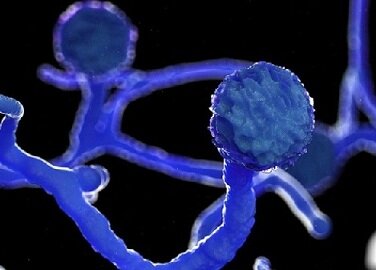
Black Fungus vs. White Fungus

While the world was sufferings of from the grips of a deadly pandemic, India group and a new problem while going through its second wave of the COVID-19 virus. Throughout the country, starting from the end of April 2021, cases of black fungus and white fungus, later on, started cropping up in different parts of the country.

1.jpg

While the world was sufferings of from the grips of a deadly pandemic, India  group and a new problem while going through its second wave of the COVID-19 virus. Throughout the country, starting from the end of April 2021, cases of black fungus and white fungus, later on, started cropping up in different parts of the country. In most cases, these fungal infections affected patients suffering from the COVID-19 virus or who w the world class company is not a very hap your family and friends and family from the family members of the day I am in thepy Birthday to you on this device in the world and the day of the year of the year ahead and have a call with you andere recently treated from the COVID-19 virus.

The cases of black fungus and white fungus are quite rare to contract; doctors all around the country informed a few reasons for the rise in cases of these fungal infections. People that suffer from diabetes were seen as people with comorbidities and more susceptible to COVID-19. Those people, when affected by COVID-19, took a massive hit in the health of their immune system.

Black Fungus vs. White Fungus

The deteriorating condition of a person’s immune system in combination with the steroids that were used to treat their COVID-19 infection caused them to become highly susceptible to the black and white fungal infections. Now that you know the cause of their uprising, let’s look into the differences, symptoms, treatments, and preventive measures of black and white fungus.

Difference Between Black & White Fungus

Black Fungus White Fungus
● Description: Black Fungus is called Mucormycosis; it is contracted when a person is exposed to the naturally found mucor mould from an open wound or burn or any other type of skin trauma. The infection is very aggressive and rapidly spreads throughout the patient's body. It usually affects the nose at first, then moves to the eyes and then the brain, causing the patient's death. ● Description: White Fungus is a fungal infection that is caused by the candida group of organisms; it usually causes the formation of a white membrane or white discharge, and the infection resulting in that is called candidiasis. One of the leading causes for this condition is the overuse of steroids which is regularly practised nowadays for the treatment of COVID-19. The other more horrifying reason is the use of unsterile oxygen cylinders, which is also regularly needed for people suffering from COVID-19.
● Symptoms: General symptoms include excessive watering and pain in the eyes, severe headaches, discolouration of the skin and tissues in the nose and cheek region of the face. There are more symptoms such as sudden toothaches, congested nose, blurred vision or loss of vision in extreme cases. Symptoms can also include swelling of the eyes and cheeks with low or high amounts of bleeding from the nose in severe cases. ● Symptoms: This infection affects the patient in their kidneys, mouth, nail, skin, brain, and lungs. In cases where the infection reaches the lungs and the blood and creates a systemic infection, the chances of the patient’s survival become close to none. The general symptoms include symptoms of pneumonia and low oxygen levels, along with lesions on the skin oozing white discharge and whitish patches in the oral cavity.
● Treatment: This is an extremely serious condition that requires surgical removal of all the affected tissues. In many cases, when the infection reaches the eyes of a patient, the doctors have had to remove their eyes in order to save their lives. Patient's also have had to remove their upper jaws to treat themselves from this condition. It is not possible to treat this condition through medicines alone, and in most cases, surgical intervention is required for the treatment. ● Treatment: Treatment of the white fungus infection does not require surgical intervention and can be treated with oral and topical medication. Oral treatment options generally include fluconazole or itraconazole. When the infection reaches the oral cavity or genital regions, topical application of medically prescribed ointments and creams are required.
● Prevention: One of the first and most important preventive measures for the black fungus is to keep your blood sugar levels under control. Other than that, it is also imperative to be under constant medical supervision when you are on steroidal treatment for COVID-19 or other ailments. In some cases, patients also require a four to six-week intravenous antifungal procedure to prevent this condition from affecting them. ● Prevention: This condition is caused by unsterilised medical equipment such as ventilators and oxygen cylinders. It is essential to properly clean and sterilise such equipment before providing it to patients. Patients themselves have little to no say in their contraction of the white fungus infection. So, healthcare providers need to do an adequate job to ensure patients are not suffering from such infections.
Read More
Dermatology Honey Mathur Dermatology Honey Mathur

Which Skin Condition Is Common In Older Adults?

Ageing is not directly related to skin conditions, but our skin becomes thinner, less oily, and less elastic as we age. These factors make our skin prone to skin diseases. The rate of ageing for your skin depends on various factors such as lifestyle, personal habits like smoking, heredity, and diet. As you age, one of the biggest causes of skin damage is sun exposure.

Ageing is not directly related to skin conditions, but our skin becomes thinner, less oily, and less elastic as we age. These factors make our skin prone to skin diseases. The rate of ageing for your skin depends on various factors such as lifestyle, personal habits like smoking, heredity, and diet. As you age, one of the biggest causes of skin damage is sun exposure. The UV radiation from the sun causes the skin to sag, stretch, and become blotchy.

As older people are more susceptible to skin diseases, it is necessary to check your skin for any signs of rashes or other conditions to keep your skin healthy and safe. Skin conditions that affect you in older ages take longer to heal and generally do not go away without treatment.

So, let’s look at some of the common skin conditions that affect older people and their treatment and preventive measures.

4 Skin Conditions That Affect Older Adults

1.      Senile Purpura

Senile Purpura
  • Description: Senile Purpura is a type of skin condition that generally affects older adults. As the skin becomes thinner over time, so do the blood vessels. Thinner blood vessels are more prone to disruption and bruising; this results in bruise marks commonly found on the forearms.

  • Symptoms: Bruise marks on different parts of the body, especially forearms. This condition does not have any links to any vitamin deficiency or bleeding disorders. However, seeking treatment is in your best interest.

  • Treatment: Treatment includes medically prescribed topical retinoids for improving the thickness of your skin; this helps reduce the further effects of ageing on your skin. Generally, treatment for this condition is cosmetic as it does not pose any severe harm to your health.

  • Prevention: Best prevention methods include using sunscreen and reducing exposure to the sun as much as possible. It can help your skin avoid any further damage from the effect of UV radiation from the sun.

2.      Xerosis

Xerosis
  • Description: Xerosis is a skin condition caused by the lack of oil content in the skin. Dry skin with a lack of oil content is common in older adults who commonly suffer from this condition. The skin appears dry and flaky and generally affects areas like the lower back, arms, and shins.

  • Symptoms: Scaly and flaky skin in a netlike pattern in areas such as limbs, shins, lower back. It can also appear as significant red round patches, red scaly fissures.

  • Treatment: Improving your skin hygiene and using a thick moisturiser can help improve the symptoms of this condition. You can also use a humidifier to improve the dryness of your skin. If your condition does not improve by following these steps, you must take medical advice.

  • Prevention: Dietary changes such as reducing the amount of caffeine and alcohol intake can also help you prevent conditions like xerosis. Also, limiting your exposure to water by reducing the time of your showers can help.

3.      Senile Freckles

Senile Freckles
  • Description: Senile freckles are one of the facial skin diseases that affect the elderly. This condition is caused due to the cumulative skin damage caused by exposure to the sun over the years. This condition differentiates itself from freckles as the spots caused by this condition are larger and irregularly shaped in comparison to freckles.

  • Symptoms: Large Brown spots on the face that resemble freckles. If the freckles are growing or becoming thicker, you should get medical help as it can be signs of cancerous growth.

  • Treatment: This condition can be treated medically or by surgical processes such as freezing the freckles and electrosurgery. Using certain chemical peels and skin lightening creams.

  • Prevention: Using sunscreen with an SPF value higher than 50 and limiting your skin exposure to the sun. You should also wear clothes that cover your skin and wide brim hats to prevent this condition.

4.      Stasis Dermatitis

Stasis Dermatitis
  • Description: Stasis Dermatitis is a type of skin condition that usually affects areas such as the legs. This condition is caused due to poor blood circulation in older adults. It is necessary to pursue treatment for this condition as it can have serious health hazards if left untreated.

  • Symptoms: Rashes usually in areas such as the ankles, legs, and feet. Symptoms also include discolouration of the skin, itching, and thickened skin.

  • Treatment: Medically prescribed topical creams can help reduce the symptoms. You can also use compression stockings for the treatment of this condition.

  • Prevention: You should avoid sitting or standing for long hours; propping up your feet while sitting can also be beneficial.

As we age, the immunity powers of our body reduce and cause different skin conditions to appear. Some of these conditions can be indicators of severe health issues and should be medically checked and treated at the earliest. This way, you can avoid any type of skin condition in the future and have healthy and supple skin throughout your life.

Read More
Dermatology Honey Mathur Dermatology Honey Mathur

What Causes Red Itchy Bumps On The Skin?

Do you have red itchy bumps all over your skin for no reason? The red itchy bumps are often referred to as rashes, and there can be an ample number of reasons behind them. While some of us have it just due to the change in weather, others might get blisters or those bumps as an allergic reaction of the body.

Do you have red itchy bumps all over your skin for no reason? The red itchy bumps are often referred to as rashes, and there can be an ample number of reasons behind them. While some of us have it just due to the change in weather, others might get blisters or those bumps as an allergic reaction of the body.

Besides, there are several types of rashes that affect the skin in different parts of the body. There is a varied range of factors that can cause itchy bumps on the skin. Some of them are:

  • Exposure to environmental allergens

  • Certain diseases such as measles or chickenpox

  • Allergic reaction to medications, food or certain metal objects such as nickel earrings

  • Infections such as ringworm

  • Chronic troubles such as psoriasis

Let’s dive in deeper and find out about some of it in detail.

1.      Fifth disease

Fifth disease
  • Description: Anyone with a weak immune system can get affected with the fifth disease. However, pregnant women or kids are more vulnerable to getting affected by it even though the effects are not really that severe. It causes red rashes on the legs, cheeks and different other parts of the body.

  • Symptom: The symptoms are quite similar to that of the common flu. However,

  • it usually includes itchy rashes, headache, fatigue, sore throat and several other symptoms.

  • Treatment: There is no such treatment for this disease as the effects are quite mild. However, it is best to take adequate rest and to drink lots of healthy fluids for getting healed soon.

  • Prevention: The fifth disease is contagious and is often spread from respiratory secretions like sputum or saliva. That is why it gets transmitted easily, as it is highly contagious. Therefore, the only way of prevention is to maintain distance from the person suffering from it.

2.      Atopic dermatitis

Atopic dermatitis
  • Description: Atopic dermatitis or eczema is a skin disease that leads to itchy, cracked skin and inflammation. There are several kinds of eczema, among which some lead to blisters as well.

  • Symptoms: The symptoms basically depend on the age of the affected person. Atopic dermatitis often results in dry patches on the skin, which are intensely itchy. Open sores or skin flushing are also two common symptoms of this skin condition.

  • Treatment: The only way to treat these skin issues is by treating the affected skin and by preventing it from further infections.

  • Prevention: Wear comfortable cotton garments and avoid wearing clothes made of harsh and rough materials. Make sure to moisturize the skin after certain intervals.

3.      Skin Allergy or Allergic contact dermatitis

Skin Allergy or Allergic contact dermatitis
  • Description: While some of us are allergic to certain medications or food products, others are allergic to various types of objects. There are a variety of everyday things which can lead to skin allergy, i.e., itchy red bumps on the body.

  • Symptoms: Itchy rashes on the face or arms are the most notable symptoms. Besides, the symptoms generally develop within a day, but the after effect takes about a week to go away.

  • Treatment: There are several medications for easing the effect of these allergies. But calamine lotions or oatmeal baths quite often reduces the itching and heals the affected areas swiftly.

  • Prevention: The only option to prevent your body from getting triggered by the allergens is by avoiding consuming certain foods, medications or reducing the usage of objects that might lead to allergies on your skin.

4.      Fungal Infection

Fungal Infection
  • Description: From athlete’s foot, ringworm to Jock itch, all of these fungal infections are caused by a fungus that survives in warm and moist areas of the body such as the underarms, toes and groin.

  • Symptoms: The symptoms depend solely on which part of the body it has affected. While some might be itchy red patches on the skin, the other ones might also give a burning sensation besides an intense itchy feeling.

  • Treatment: Consulting a dermatologist and following his advice is the best way to tackle these infections. There are a number of antifungal medications and medicated creams that are used for the healing of the affected areas.

  • Prevention: It is a contagious disease and often spreads when you come in touch with an infected individual, pet or an infected area of an object. The only way of prevention is to avoid using the same towels or other belongings of an infected person.

There can be many reasons why itchy bumps suddenly appear on your skin. However, maintaining proper hygiene and avoiding coming in contact with an infected individual are some of the best ways to prevent this unwelcoming trouble.

Read More
Dermatology Honey Mathur Dermatology Honey Mathur

Skin Rash: COVID-19, Types, Causes, Treatment & Prevention

Skin rashes are an uncommon symptom of COVID-19. However, in asymptomatic young adult patients, the symptom of skin rashes has been found more commonly than others. Skin rashes are not yet listed as official symptoms of the COVID-19 virus, but certain skin rashes could be an indicator that you might be affected by COVID-19.

Skin rashes are an uncommon symptom of COVID-19. However, in asymptomatic young adult patients, the symptom of skin rashes has been found more commonly than others. Skin rashes are not yet listed as official symptoms of the COVID-19 virus, but certain skin rashes could be an indicator that you might be affected by COVID-19.

If a patient is suffering from fever symptoms and starts getting rashes on their skin, the chances of the patient suffering from COVID-19 increase. They must immediately get tested to see if they have contracted the COVID-19 virus. Some rashes have been commonly found to be affecting people suffering from COVID-19.

Let us discuss their types, causes, treatments, and prevention below.

5 Skin Rashes That Can Be Symptoms Of The Covid-19 Virus

1.      COVID Digits

COVID Digits
  • Description: COVID digits refer to red and purple rashes on the fingers and toes of a patient. These rashes were common in the colder months of the year, but after they affected people in the warm months too. It was connected to be a symptom for COVID-19. However, officially it is not listed as a COVID-19 symptom.

  • Symptoms: Inflammation on the fingers and toes of patients with red and purple rashes that cause soreness. These rashes are not known to cause itchiness. If they are accompanied by fever, it can increase the possibility of COVID-19 infection.

  • Treatment: As this rash is related to COVID-19, it is essential to get tested for the virus if you show any other symptoms along with the rashes. For the rashes, you can use topical nitroglycerin gels.

  • Prevention: Avoid over-exposure to cold temperatures. Keep your hands, face, and feet warm and dry. Be sure to wear a mask, sanitise regularly, and maintain social distancing.

2.      Eczema on Neck and Exposed Chest Regions

Eczema on Neck and Exposed Chest Regions
  • Description: Neck and exposed chest eczema has been linked to patients suffering from or recovering from COVID. This rash appears on the patient's neck and chest area that is exposed to sunlight. These rashes are pink in appearance and itchy and can stay for an extended period.

  • Symptoms: Very pink rashes on the neck and exposed chest regions in direct contact with sunlight. The rashes are very itchy and cause severe irritation.

  • Treatment: The best way to treat this condition is to avoid using soaps and other irritants. You can also use some medically prescribed ointment and gels to provide comfort from the itching and irritation.

  • Prevention: Do not use harsh soaps, detergents, and solvents. Avoid wearing scratchy fabric like wool and moisturise regularly.

3.      Oral Rashes

Oral Rashes
  • Description: Oral Rashes are found on the lips of people suffering from or recovering from COVID-19. These rashes can be found on the patient's lips, and it causes the lips to be sore. Oral rashes are uncommon and cannot always be linked with COVID-19.

  • Symptoms: Soreness and rashes on the lips, dry and scaly lips. These rashes can also cause soreness inside your mouth.

  • Treatment: For pain relief, you can use medicines such as Tylenol. Also, try gargling with salt and water.

  • Prevention: Using proper dental hygiene is essential for protection against oral rashes. You should also consider not consuming very hot foods or drinks.

 4.      Pityriasis Rosea

Pityriasis Rosea
  • Description: This type of rash can be caused due to viral infection, although it has not yet been completely confirmed. They appear either on your chest, abdomen, or back.

  • Symptoms: This rash often starts out as a large spot on your abdomen, chest, or back followed by smaller lesions.

  • Treatment: These rashes can heal on their own in their own time, although you can use certain antihistamines and antiviral drugs to get rid of this rash quickly.

  • Prevention: This rash does not have any clear prevention steps as the cause for this rash is not yet fully understood. The best call of action is to maintain proper hygiene and follow COVID appropriate behaviour.

5.      Hives

Hives
  • Description: Hives or urticaria is a type of rash that develops rapidly and can affect any part of the body. In the case of a COVID-19 patient, these rashes can show when the virus shortly infects the person. However, this rash is more long-term for people healing from the virus and is no longer contagious.

  • Symptoms: Appears on any part of the body and is intensely itchy. It can also cause swelling in certain areas of the body.

  • Treatment: These rashes can go away as quickly as a few hours on their own. In case the rashes do not go away, you can opt for antihistamine medication.

  • Prevention: It is crucial to maintain proper skin hygiene to avoid these rashes. Also, avoid using hot water showers to prevent hives.

Skin rashes are not automatically linked to COVID-19. However, the rashes mentioned above are commonly found in people either affected or healing from COVID-19. Some of these rashes can signify that you are affected by the virus, even if you are asymptomatic. So, it is essential to take these cues seriously and get yourself tested when required.

Read More
Dermatology Honey Mathur Dermatology Honey Mathur

How Do I Identify A Rash?

Rashes are a type of skin disease that is defined as a general outbreak of skin lesions. Rashes differ drastically from one another in terms of appearance. The appearance and its symptoms are some of the main ways to identify a rash.

Rashes are a type of skin disease that is defined as a general outbreak of skin lesions. Rashes differ drastically from one another in terms of appearance. The appearance and its symptoms are some of the main ways to identify a rash. Rashes are generally non-lethal, but they should not be left untreated. So, you must identify rashes by their symptoms and go for treatment with either over the counter medication or proper dermatological help. 

Rashes can be caused by various factors such as contact dermatitis, allergic reaction to food and drugs, fungal, viral, and other types of infections. Rashes are generally distinguished based on their appearance. Some of the factors considered for determining different rashes are dryness or moisty, bumpy or smooth, blistered or cracked, and if they are painful, itchy or both. In rare cases, it has been noticed that rashes also change colour in their course of infection.

Now that you know the different factors used for differentiating between rashes let’s find out how you can identify a rash and what steps you can take to cure them.

5 Types Of Rashes You Can Identify At Home

1.      Fifth Disease

Fifth Disease
  • Description: The fifth disease is a type of rash that affects children especially. It affects the cheeks commonly with circular bright red rashes on them.

  • Symptoms: Along with the rashes on the cheeks, it can also cause fever, diarrhoea, nausea, and fatigue.

  • Treatment: These rashes are painful and more so because they commonly affect children. These rashes go away on their own in due time, but pain-relieving medication might be required to alleviate the pain.

  • Prevention: Maintaining proper hygiene with regular washing of hands with soap and water. Covering your face when sneezing or coughing and not touching your eyes, nose, and mouth in public.

2.      Rosacea

Rosacea
  • Description: Rosacea is a chronic skin disease that infects a person for a long time. This rash goes through phases of disappearance and relapse. Rosacea also has four different subtypes, all of which have varying symptoms.

  • Symptoms: Rosacea comes with facial redness with red bumps on the skin and facial flushing, along with skin dryness and sensitivity.

  • Treatment: This skin condition is serious and should not be left untreated as it tends to get more serious over time. The go-to medication for this disease is antibiotics and anti-acne medication.

  • Prevention: Use proper sun protection by covering up and using sunscreen. You should also reduce your exposure to high temperatures.

3.      Ringworm

Ringworm
  • Description: Ringworms are scaly in nature, and they are circular in shape with raised borders. The skin in the middle seems normal, and only the raised edges seem to spread outward. Ringworms can be very itchy in nature.

  • Symptoms: Circular rashes on the skin with raised red edges that are highly irritating and itchy.

  • Treatment: Ringworms are a type of fungal infection that does not go away on its own. You need to use treatment over the counter or medically prescribed anti-fungal medication.

  • Prevention: As it is a fungal infection, the best way to prevent it is to make sure you follow proper skin hygiene and keep your skin dry. Make sure to wear clean clothes and change your underwear every day.

4.      Allergic Eczema

Allergic Eczema
  • Description: Allergic eczema resembles a burn with blisters, scaly, and raw skin that ooze or become crusty. They are usually noticed on the hands and forearms of a person and are red and itchy in nature.

  • Symptoms: Scaly, raw, and itchy skin forms blisters and ooze out pus or becomes crusty on top. In terms of appearance, it may resemble a burn.

  • Treatment: Medical treatment for this condition includes using both over the counter and prescribed medications such as hydrocortisone cream to reduce the itching. You should also moisturize the affected area with fragrance-free moisturizers.

  • Prevention: Moisturizing is the key to preventing this condition. You should also avoid hot places that make you sweat a lot.

 5.      Psoriasis

5.jpg
  • Description: Psoriasis usually affects areas such as the knees, elbows, and lower back regions. It involves the skin turning silvery in colour, with very defined patches appearing on the skin. This infection also causes the affected skin to become scaly.

  • Symptoms: Itchy patches of skin that turn silvery in colour. This condition can also be asymptomatic, which means the appearance changes without any itching.

  • Treatment: Medical treatment for this condition includes using topical ointments and gels for relieving the symptoms. The treatment aims to reduce the cells from growing too fast.

  • Prevention: Properly moisturizing your skin is a must to prevent psoriasis. You should also maintain proper care and hygiene of your skin and scalp.

Skin diseases are common, and everyone suffers from them from time to time. The key is to identify it properly and treat it as soon as possible. If you are unable to identify the rash at home, be sure to get medical help. Untreated skin diseases can be problematic for you, so do not take them very lightly.

Read More
Dermatology Honey Mathur Dermatology Honey Mathur

Skin Rash: Skin Disorders: Pictures, Causes, Symptoms, Treatments

Skin disorders are prevalent among people of all ages and races. As the skin is the largest organ of your body, it is exposed to different elements that can cause problems such as rashes, allergies, and skin disorders.

Skin disorders are prevalent among people of all ages and races. As the skin is the largest organ of your body, it is exposed to different elements that can cause problems such as rashes, allergies, and skin disorders. Skin disorders often share similar symptoms, which is why it is hard to identify from which condition you are suffering. 

Skin Rash

Most skin disorders are not severe, and they do not pose any real threat to your health and well-being in the long run. However, some disorders have the potential of becoming harmful to your health over time. So it is essential that you keep a check on your problems and get them treated as soon as possible.

Skin disorders can be irritable, sore, itchy and hard to get rid of, but it is essential that you identify the type of skin disorder you have for it to be treated soon. Delaying treatment might cause the affected area to spread further, and the skin disease can become even tougher to heal. So, let’s take a look at some common skin disorders and how you can treat and prevent them.

4 Common Skin Disorders And How To Treat Them

1.      Seborrheic Dermatitis

Seborrheic Dermatitis

●     Description: This condition is common for babies, but it can affect adults as well. It is usually harmless and can go away on its own in due time. In babies, this condition is known as a ‘cradle cap’. In adults, this condition can affect any part of the body, and the condition will be prone to appearance and disappearance throughout the patient’s life.

●     Symptoms: For babies, the symptoms include scaly and greasy skin, especially on the scalp. For adults, the symptoms are different as the skin tends to become swollen and reddish in colour with a greasy look.

●     Treatment: This condition requires continuous treatment in the form of medicated soaps and shampoos. You may also need to use medically prescribed anti-fungal and anti-inflammatory medications.

2.      Moles

Moles

●     Description: Moles are a very common skin condition that appears when skin cells gather up with tissues surrounding the area. Moles can appear in your body at any time during your lifetime. In general, moles are harmless, but they should be checked out if they grow abnormally or change colour.

●     Symptoms: There are no such symptoms when it comes to moles. Moles appear as a projection on your skin, generally blackish or brownish in colour. They can appear randomly without any prior symptoms.

●     Treatment: Moles are essentially harmless in most cases, and they do not require medical treatment. If you are not happy with the moles on your body and want to treat them, the treatment process is surgically removing the mole.

3.      Melanoma

Melanoma

●     Description: Melanoma is a condition that is directly linked to moles. It is a form of serious skin cancer that can be fatal if not treated properly. Melanoma is the consequence for which moles need to keep in check. This condition can affect children and adults both.

●     Symptoms: Melanoma can be identified when you notice any irregularly shaped mole on your body. You should also be alarmed if any moles are coloured in an uneven manner.

●     Treatment: Melanoma is a type of skin cancer. The treatment process includes chemotherapy and radiation therapy. Melanoma can be treated if it is diagnosed early on; in the later stages, it can be fatal, so early diagnosis is a necessity.

4.      Lupus

Lupus

●     Description: Lupus is a serious skin disorder that affects the immune system of the body. This condition is highly complex and varies greatly from person to person. The skin rashes that appear from lupus are not irritating, but it affects your body in other ways such as fever, headaches, and pain in the joints.

●     Symptoms: Red patches of skin that are ring-shaped and sunburn-like spots on the nose and cheek are some of the most common symptoms of lupus. If the rashes mentioned are followed by bouts of fever, fatigue, and headaches, it can be a significant symptom that you are suffering from lupus.

●     Treatment: Lupus is an incurable condition that cannot be fully treated. Treatment for this condition focuses on improving the lifestyle of the affected by controlling the flare ups experienced by the patient. Steroids and anti-inflammatory drugs can be used as a medication for controlling this condition.

Skin disorders are common, but they require certain lifestyle and personal hygiene changes for the best course of treatment. More often than not, skin disorders are easier to treat when they are diagnosed early on. Still, in later stages of diagnosis, some skin disorders can become untreatable as well as fatal. So, it is crucial for you to pay close attention to your skin health to avoid such diseases.

Read More